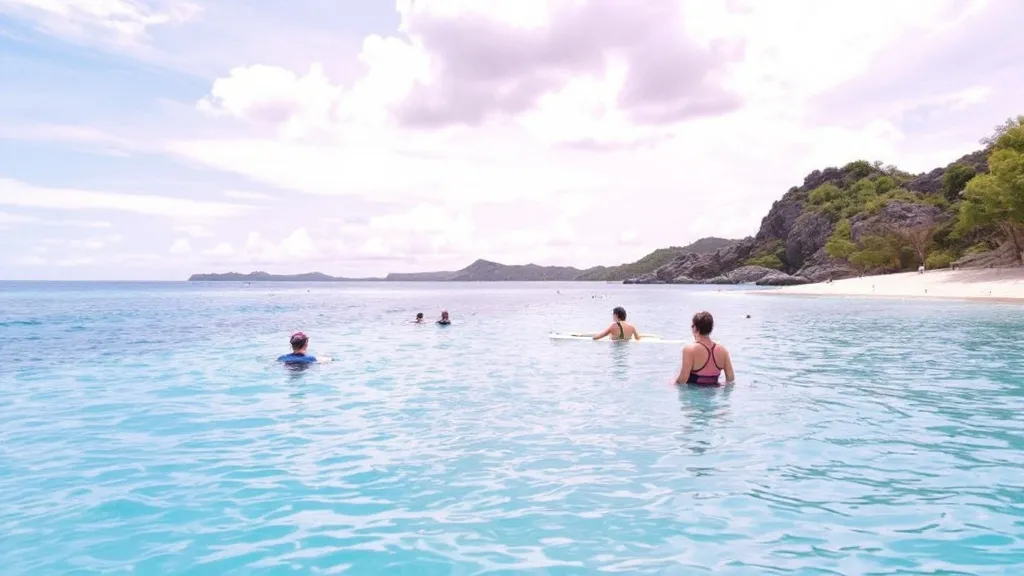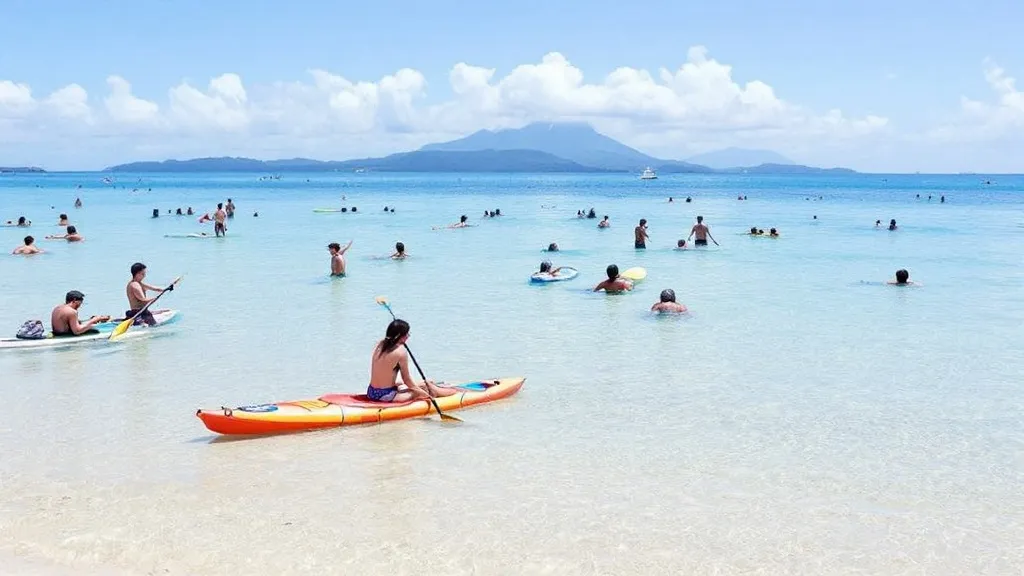
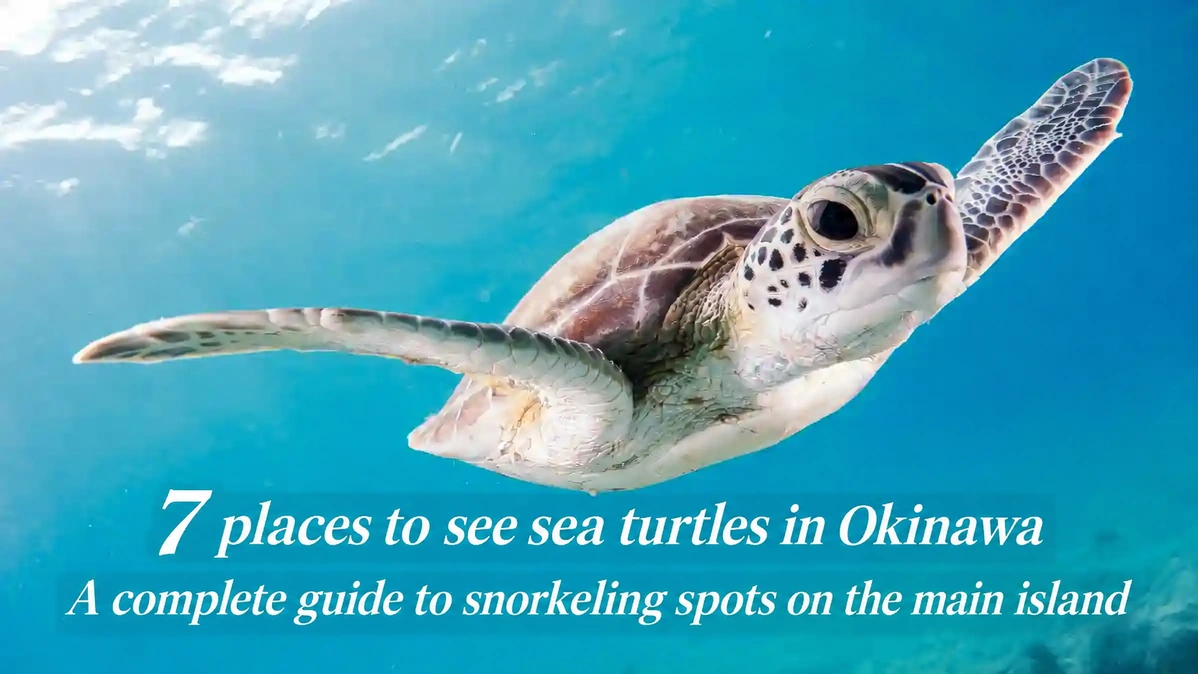
"Where are the best places to see sea turtles in Okinawa?" "I'm looking for somewhere around the main island to snorkel with sea turtles." "I really want to swim with sea turtles on my Okinawa trip."
Finding spots to encounter sea turtles can be difficult because encounter rates vary greatly depending on the observation season and location.
Around Okinawa's main island, there are 7 carefully selected spots where you can encounter sea turtles throughout the year, and even snorkeling beginners can enjoy observing them safely.
This article introduces sea turtle spots around Okinawa's main island in detail, from the best seasons and places with high encounter rates to recommended tours, incorporating comments from locally based guides.
Best seasons and times to encounter sea turtles in Okinawa
According to a veteran guide, "Choosing the season and time of day accounts for 90% of sea turtle encounters in Okinawa."
Below are detailed characteristics for each season.
Sea turtle encounter rates in Okinawa
Seasonal sea turtle encounter rates
| Season | Encounter rate | Water temperature | Main characteristics | Recommended times |
| Spring (March–May / 3–5) | 75% | 21–24 degrees | • Abundant new seaweed growth encourages active feeding • Relatively few tourists make observation easier | 6–9 a.m., 3–5 p.m. |
| Summer (June–August / 6–8) | 90% | 26–29 degrees | • Peak nesting season • Nighttime nesting observation is also possible | Early morning 6–8, evening 15–17 |
| Autumn (September–November / 9–11) | 70% | 24–27 degrees | • Highest visibility of the year • Young sea turtles can be observed | Morning 8–10, afternoon 2–4 |
| Winter (December–February / 12–2) | 60% | 18–21 degrees | • Activity is slower but steady • Few tourists and quiet surroundings | 9–11 a.m., 1–3 p.m. |
Details and observation tips for each season in Okinawa
Spring characteristics: Spring is the most balanced observation season of the 1 year.
As water temperatures gradually rise, sea turtle activity also increases.
Since it is also the tourism off-season, you can enjoy observing them at a relaxed pace.
Observation tips:
- Early morning observation in clear air is best
- Choose times when the sun is not strong
- Check the tides
Observation spots recommended by veteran guides:
- Sesoko Island shallows (80% encounter rate)
- Around the rocks at Cape Maeda (70% encounter rate)
- Seagrass beds at Odo Coast (75% encounter rate)
Summer characteristics: Summer has the highest encounter rate.
Many sea turtles gather near the coast to lay eggs.
However, this overlaps with peak tourism season, so tours need to be booked early.
Points to watch out for
- Protection from strong sunshine
- Observation etiquette during busy periods
- Physical exhaustion
Advice from a local guide: "Okinawa's high summer encounter rates also attract many tourists.
By aiming for the early morning, you can enjoy a relaxed observation experience."
Autumn characteristics: Aside from typhoon season, autumn is a suitable time for observation.
Water clarity in particular reaches its annual peak, making this the ideal photography season.
Photography techniques
- Underwater camera settings
ISO: 400–800 as a basic setting
Shutter speed: 1/125 second or faster
White balance: Underwater mode recommended
Shooting in RAW is recommended
Tips for the best shots:
- Use backlighting (around 8 a.m. is best)
- Position yourself at the sea turtle's eye level
- Avoid sudden movements and approach slowly
Advice from a local photographer: "Underwater visibility is especially good in autumn. It sometimes exceeds 25m.
This is a good season for capturing a sea turtle's whole body in the frame."
Winter characteristics: Activity slows during Okinawa's winter, but fewer tourists make it a season for observing carefully and at leisure.
However, protection from the cold is essential.
Tips for protection from the cold
- Choosing a wetsuit
For water temperatures of 18–21 degrees: 5mm thickness recommended
A full suit is best
Choose a slightly snug size
Suggested time in the water
- Beginners: 30–40 minutes
- Experienced participants: 45–60 minutes
- Fully equipped for the cold: 60–90 minutes
A guide's comment: "In Okinawa's winter, we recommend shorter observation sessions and frequent breaks. In return, the quiet surroundings offer an appealing opportunity to carefully observe sea turtle behavior in Okinawa."
Detailed observation tips by time of day

Early morning 6:00–9:00: This is the time of greatest activity.
With the sunrise, Okinawa's sea turtles begin their 1 day.
Activity patterns:
- 6:00–7:00: Begin activity from resting places
- 7:00–8:00: Feeding becomes more active
- 8:00–9:00: Most active period
Precautions during observation:
- Protection from the morning cold
- Reflections on the water at sunrise
- Checking early morning tidal currents
Morning 9:00–12:00: Sunshine begins to strengthen.
Sea turtles remain active, but tourist numbers also begin to increase.
Characteristics of this time:
- Water temperature rises
- Good visibility
- More tourists
Tips for staying comfortable:
- Thorough sun protection
- Sufficient hydration
- Allowing time for breaks
Afternoon 15:00–17:00: The 2nd feeding period can be observed.
As evening approaches, sea turtles' movements become more relaxed.
Observation opportunities unique to this time:
- Chance to photograph them with the sunset
- Feeding behavior is easy to see
- Tourist numbers tend to fall
Best photography timing:
- Golden time (16:00–16:30)
- The angle of light entering the water
- Opportunities for silhouette photography
Advice from an experienced participant: "In the evening, light enters at an angle, making the patterns on Okinawa's sea turtle shells look particularly beautiful.
We recommend setting your camera's ISO sensitivity a little higher."
The effects of currents and weather
Tidal current patterns and sea turtle behavior are closely related.
Below are characteristics and observation tips for different conditions.
Spring tide characteristics
| Time | Change in encounter rate | Observation points | Precautions |
| Morning low tide | +15% | Feeding in seagrass beds | Fast current |
| Midday high tide | ±0% | Resting behavior | Increased water depth |
| Evening low tide | +20% | Active behavior | Check sunset time |
Observation techniques during spring tides:
- Read the tidal current
- Consider energy expenditure
- Ensure a safe retreat route
Neap tide characteristics: Calm sea conditions make observation easy even for beginners.
Advantages:
- Gentle currents
- Stable visibility
- Extended observation is possible
Disadvantages:
- Possibly less food
- Limited activity
- Slightly lower encounter rates
Effects of weather:
Sunny weather
- Visibility: 15–25m
- Suitable for underwater photography
- Strong effects of sunshine
Sea turtle photography tips:
- Avoid backlighting
- Use shadows
- Consider color correction
Cloudy weather
- Visibility: 10–20m
- Less light reflection
- Suitable for extended observation
Observation tips:
- Check contrast
- Use an underwater light
- Confirm the safe area
7 sea turtle spots around Okinawa's main island
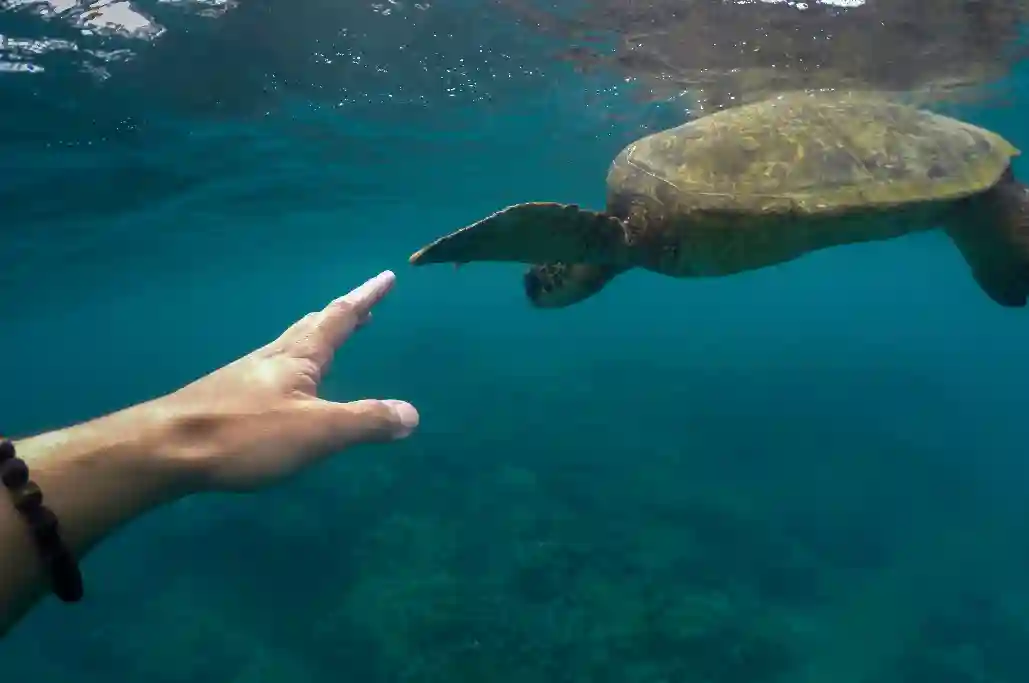
Spots with high chances of encountering sea turtles are scattered across Okinawa's main island and its surrounding outlying islands.
We introduce the characteristics of each area along with comments from people who have visited.
3 recommended spots in northern Okinawa
Around Sesoko Island
| Item | Details |
| Encounter rate | 85% (annual average) |
| Underwater environment | Depth: 3–15m / Visibility: 15–25m / Water temperature: 21–29°C |
| Best season | May–September (5–9) |
| Access | About 90 minutes by car from Naha Airport |
Facilities and amenities:
- Free parking (100 cars)
- Showers (300 yen)
- Rental shops
- Rest areas available
A local guide's comment: "Sesoko Island has particularly high sea turtle encounter rates in the morning. With varied environments from shallows to deeper water, it can be enjoyed by beginners through advanced participants."
Observation spots
Around Sesoko Beach
- Gently shelving shallows suitable for beginners
- Resident green sea turtles
- Abundant feeding grounds
Sesoko fishing port area
- Early morning feeding spot
- Multiple individuals can be observed
- Easy access
Minna Island
| Item | Details |
| Encounter rate | 90% (highest in Okinawa) |
| Features | Exceptional visibility / Abundant coral reefs |
| Access | 15 minutes by high-speed boat from Motobu Port |
| Price | 2,000 yen round-trip boat fare + 200 yen island admission |
Recommended spots
Minna Beach
- Beach length: 800m
- Swimming hours: 8:00–17:00
- Resident sea turtles: 15–20
Western reef
- Coral colonies
- Depth: 5–10m
- Photography spot
A visitor's comment: "The visibility is high even by Okinawan standards, and you can sometimes observe several sea turtles at once. The whole island feels like a natural aquarium."
Facility information:
- Restrooms and showers available
- Rental equipment available
- Dining facilities and shops
- Rest space
Kouri Island
| Item | Details |
| Encounter rate | 80% |
| Features | Beautiful scenery / Photogenic |
| Best period | April–October (4–10) |
| Facilities rating | ★★★★☆ |
Observation spots:
Tokei Beach
- Beach length: 600m
- Features: Gently shelving shallows and safe conditions
- Well-equipped facilities
Around Heart Cape
- Spectacular scenic spot
- Observation in deeper water
- Beware of currents
2 recommended spots in central Okinawa
Cape Maeda (Blue Cave)
| Item | Details |
| Encounter rate | 75% |
| Underwater environment | Depth: 5–12m / Visibility: 15–20m |
| Best period | Spring and autumn |
| Travel time | 60 minutes by car from Naha |
Detailed facility information:
- Paid parking (50 cars): 500 yen per day
- Changing rooms / showers: 300 yen
- Rental shops: 3
- First-aid station / AED available
Characteristics by area:
Area around the cave
- Mysterious blue light
- Depth: 5–12m
- Popular photography spot
- Sea turtle resting spot
Open-sea area off the cape
- Extensive seagrass beds
- Depth: 3–15m
- Green sea turtle feeding grounds
- 360-degree panoramic views
Seasonal observation tips:
- Spring: Preparation before nesting
More group behavior
Active feeding
Morning observation is best
- Summer: Many young sea turtles
Active in the early morning
Watch for rising water temperatures
Avoiding crowds is important
- Autumn: Highest visibility
Ideal for photography
Extended observation is possible
Calm sea conditions
- Winter: Longer observation time
Protection from the cold is essential
Careful observation is possible
Fewer tourists
A local guide's comment: "The Blue Cave is a famous sightseeing spot in Okinawa, but you can enjoy observing sea turtles quietly if you aim for early morning or evening. The very first morning session is especially recommended."
Advice for beginners
- If you are not confident in your stamina, start with a short course
- Observation accompanied by a guide is always recommended
- Particular caution is needed with tidal currents
Cape Zanpa
| Item | Details |
| Encounter rate | 70% |
| Features | Extensive coral reefs / Multiple spots |
| Facilities rating | ★★★★★ |
| Beginner suitability | ★★★★☆ |
Area characteristics:
Beach area
- Designated swimming zone
- Lifeguards always present
- Shallows suitable for beginners
- Well-equipped facilities
Reef area
- Abundant coral reefs
- Diverse marine life
- Varied depths
- Suitable for photography
Facility and equipment details:
- Showers: 300 yen
- Lockers: 200 yen
- Rental equipment:
Snorkeling set: 2,000 yen
Life jacket: 500 yen
Underwater camera: 3,000 yen
Essential points during observation:
Safety management
- Confirm swimming areas
- Check weather and sea conditions
- Manage your physical condition carefully
- Confirm emergency procedures
Efficient observation methods
- Scout observation spots
- Consult a guide
- Choose the time of day
- Coordinate with other visitors
2 recommended spots in southern Okinawa
Odo Coast
| Item | Details |
| Encounter rate | 80% |
| Beach information | Total length: 1.2km / Swimming area: 500m |
| Depth | 1–5m (gently shelving shallows) |
| Access | 30 minutes by car from Naha Airport |
Characteristics and observation spots by area:
Northern area
- Resident green sea turtles
Number of individuals: Annual average of 15–20
Main active times: Early morning and evening
Good observation location: Around seagrass beds
- Environment suitable for beginners
Gently shelving shallows
Calm waves
Visibility: 10–15m
Southern area
- Famous as a nesting site
Nesting period: May–August (5–8)
Landings: 50–60 times annually
Protected areas present
- Sea turtle photography spots
Coral reef zone
Underwater caves
Sheer cliffs
Seasonal recommendations:
Nesting season (May–July / 5–7)
- Observation tips
Nighttime entry restrictions apply
A guide must accompany you
Photography requires permission
- Precautions
Restrictions on light use
No noise
Keep your distance
Hatchling observation period (August–September / 8–9)
- Precautions during observation
Early morning is best
Confirm areas where swimming is prohibited
Avoid getting too close
Relaxed observation period (October–April / 10–4)
- Recommended features
Few tourists
Extended observation is possible
Good underwater visibility
A local guide's comment: "Odo Coast is a valuable spot where you can observe sea turtles in Okinawa throughout the year. In the morning especially, there are many opportunities to observe feeding behavior up close."
Waters near Itoman
| Item | Details |
| Encounter rate | 75% |
| Features | Varied depths / Plentiful activities |
| Best period | Year-round |
| Estimated price | 5,000–15,000 yen |
Details by activity:
Diving
- Course content
Beginner course: 12,000 yen (4 hours)
Introductory course: 8,000 yen (2 hours)
Fun diving: 15,000 yen (1 day)
- Features
Professional guide included
Small groups
Equipment rental included
Snorkeling
- Plan content
Half-day course: 5,000 yen
Full course: 8,000 yen
Private: From 12,000 yen
- Included items
Basic equipment
Insurance
Photography
Boat tours
- Prices by course
2 hours: 6,000 yen
Half day: 9,000 yen
1 day: 15,000 yen
- Services
Light meal included
Guide commentary
Free drinks
General facility information and precautions for use
Safety management system
| Item | Details | Notes |
| Lifeguards | On duty: 9:00–17:00 | Additional staff during busy periods |
| First-aid equipment | AED / First-aid kits always available | Installed at each spot |
| Emergency contacts | Japan Coast Guard: 118<br>Local police: 110 | Beware of areas without mobile reception |
Medical facility information in Okinawa:
- Nearest general hospitals
Northern region: Okinawa Prefectural Hokubu Hospital
Central region: Chubu Tokushukai Hospital
Southern region: Southern Medical Center
First-aid facilities:
- First-aid stations at each beach
- Medical rooms inside marine shops
- Tourist information centers
Nearby facility information
Restaurants and dining:
Beachside facilities
- Opening hours: 11:00–21:00
- Budget: 1,000–3,000 yen
- Menu:
Okinawan dishes
Light meals and cafe offerings
Various drinks
Nearby facilities
- Convenience stores (open 24 hours)
- Diners and restaurants
- Cafes and light meals
Rest and shower facilities:
- Beach houses
Hours of use: 8:00–18:00
Showers: 300 yen per use
Lockers: 200 yen
Rest spaces available
Parking information
| Area | Capacity | Pricing | Special notes |
| Northern region | Large vehicles: 10; standard cars: 100 | Weekdays: 500 yen per day; holidays: 800 yen per day | Early morning discounts available |
| Central region | Large vehicles: 5; standard cars: 50 | All day: 500 yen | Use nearby parking when busy |
| Southern region | Large vehicles: 8; standard cars: 80 | 1 hour: 200 yen; 1 day: 1,000 yen | Tour buses require reservations |
Precautions for use:
- Likely to be full during busy periods
- Checking backup parking is recommended
- Street parking is strictly prohibited
Rental equipment information and basic prices
Basic equipment:
Snorkeling set
- Mask + snorkel: 1,000 yen
- Fins: 1,000 yen
- Set price: 1,500 yen
Protective gear
- Rash guard: 800 yen
- Wetsuit: 2,000 yen
- Water boots: 500 yen
Photography equipment
- Waterproof camera: 3,000 yen
- Action camera: 4,000 yen
- Underwater light: 1,000 yen
Characteristics and encounter rates of each sea turtle spot
Detailed information and the latest local reports from Okinawa
Around Sesoko Island (85% encounter rate)
Facility and equipment details:
- Parking: 100 cars (free)
- Showers: 300 yen per use
- Lockers: 200 yen
- Rental equipment: Fully available
Characteristics by spot:
- Sesoko Beach
- Swimming area: 300m × 500m
- Depth: 2–5m
- Features: Gently shelving shallows suitable for beginners
- Around Sesoko fishing port
- Suitable observation area: Seagrass beds
- Depth: 3–8m
- Features: Used as feeding grounds
Minna Island (90% encounter rate)
Access and facilities:
- Ferry services:
- Departures from Motobu Port: 5 per 1 day
- Travel time: 15 minutes
- Price: 2,000 yen round trip
Information by spot:
- Minna Beach
Beach length: 800m
Swimming hours: 8:00–17:00
Facilities: Restrooms and showers available
- Western reef
Coral colonies
Resident sea turtles: 15–20
Popular photography spot
A local guide's comment: "Okinawa's Minna Island is a valuable spot with particularly clear water where you can observe several sea turtles at once. If you arrive on the first morning ferry, you can observe them while tourist numbers are low."
Latest observation data (January–March / 1–3, 2024)
| Spot | Average encounters/day | Species observed | Best times |
| Sesoko Island | 3–5 | Mainly green sea turtles | 8:00–10:00 |
| Minna Island | 5–7 | Green and hawksbill turtles | 7:00–9:00 |
| Kouri Island | 2–4 | Mainly green sea turtles | 6:30–8:30 |
| Cape Maeda | 2–3 | Green and loggerhead turtles | 9:00–11:00 |
| Cape Zanpa | 1–3 | Mainly green sea turtles | 7:00–9:00 |
| Odo Coast | 3–4 | Green and hawksbill turtles | 8:00–10:00 |
| Waters near Itoman | 2–3 | A mix of 3 species | 9:00–11:00 |
Access methods and travel times

Detailed information by transportation type
Access by rental car
| Area | Route | Travel time | Precautions | Parking information |
| Northern region | Naha Airport → Route 58 → Motobu Peninsula | 90–120 minutes | Beware of tourist traffic congestion | Sesoko Island: 100 cars (free)<br>Motobu Port: 150 cars (500 yen per day) |
| Central region | Naha Airport → Route 58 → Onna Village | 45–60 minutes | Busy on weekends | Maeda: 80 cars (600 yen per day)<br>Cape Zanpa: 120 cars (400 yen per day) |
| Southern region | Naha Airport → Route 331 → Itoman | 20–30 minutes | Relatively uncrowded | Odo Coast: 50 cars (free)<br>Itoman: 30 cars (300 yen per day) |
Recommended driving routes:
- North: The expressway can reduce travel time
- Central region: Coastal drives are popular
- South: Regular roads provide sufficient access
Public transportation
| Bus route | Frequency | Fare | Special notes |
| Northern route | 1 bus per 1 hour | 2,000 yen | Check the last service |
| Central route | 1 bus per 30 minutes | 1,000 yen | More services in tourist season |
| Southern route | 1 bus per 20 minutes | 500 yen | Regular scheduled service |
Transfer information:
- Departures and arrivals at Naha Bus Terminal
- IC transit cards accepted
- 1-day passes available (1,500 yen)
Tour transfers
| Area | Meeting place | Transfer type | Price (estimate) |
| Northern region | Hotels<br>Within Naha City | Dedicated bus | Included in tour price |
| Central region | Designated city locations<br>Nearest station | Large taxi | +1,000 yen per person |
| Southern region | Within Naha City<br>Airport | Shared bus | +500 yen per person |
Detailed access information by spot
Sesoko Island
- Car: From Naha via National Route 58 → Motobu Peninsula
- Bus: Naha Bus Terminal → Motobu-bound bus (120 minutes)
- Latest arrival: By 16:30 recommended
Minna Island
- Access to Motobu Port
Car: About 120 minutes from Naha
Bus: About 150 minutes from Naha
- Ferry information
First departure: 9:00
Last departure: 16:00
Services may be canceled in bad weather
Detailed access information for each spot
Cape Maeda (Blue Cave)
| Transportation | Travel time | Price | Notes |
| Rental car | 60 minutes from the airport | Gasoline about 1,000 yen<br>Parking 600 yen | Parking hours: 8:00–18:00 |
| Scheduled bus | 90 minutes | 1,000 yen one way | Use Route 120 |
| Tour transfer | 75 minutes | Included in the plan | Hotel transfers available |
Facility information:
- Admission: Free
- Parking: Capacity for 80 cars
- Restrooms and showers available
- Rental shops: 3
Nearest transportation hubs:
- 15-minute walk from Onna Village bus stop
- Taxi: About 1,000 yen
- Rental bicycle: 30 minutes
Cape Zanpa
| Transportation | Travel time | Price | Features |
| Rental car | 40 minutes from the airport | Gasoline about 800 yen<br>Parking 400 yen | Road signs provided |
| Scheduled bus | 55 minutes | 600 yen one way | Use Route 28 |
| Sightseeing bus | 50 minutes | 1,500 yen (round trip) | Regular scheduled service |
Nearby facilities:
- Parking: 120 cars
- Rest areas / Observation platform
- Restaurants
- Souvenir shops
Odo Coast
| Transportation | Departure point | Travel time | Fare / Price |
| Rental car | Naha Airport | 25 minutes | Gasoline about 500 yen |
| Scheduled bus | Naha Bus<br>Terminal | 40 minutes | 400 yen one way |
| Taxi | Within Naha City | 30 minutes | About 3,000 yen |
Facilities and equipment:
- Free parking: 50 cars
- Changing rooms: Available
- Showers: Free
- Rest areas: 2
Waters near Itoman
Access by activity:
| Activity | Meeting place | Transfer availability | Included in price |
| Diving | Itoman Port | Available (reservation required) | Transfers, equipment, guide |
| Snorkeling | Itoman Tourist Information Center | City transfers available | Transfers, basic equipment |
| Boat tour | Itoman fishing port | Available (reservation required) | Transfers, life jacket |
Seasonal access information and precautions
Access in summer (June–September / 6–9)
| Area | Congestion | Special arrangements | Precautions |
| Northern region | Very busy | • Additional early morning services • Temporary parking opened | • Waits may reach 3 hours on holidays • Early departure recommended |
| Central region | Somewhat busy | • Shuttle buses operating • Reservation-based parking | • Daytime tourist traffic • Check detour routes |
| Southern region | Relatively uncrowded | • Normal services • Ample parking | • Check cancellations during typhoons • Sun protection essential |
Measures for peak tourism periods:
- Use transfers requiring reservations
- Early morning or evening use recommended
- Weekdays are best
Off-season (November–March / 11–3)
| Spot | Access characteristics | Advantages | Precautions |
| Sesoko Island | Clear roads / On-time services | • Smooth travel • No reservation needed | • Ferry cancellations in strong winds • Check sunset time |
| Cape Maeda | Easy access / Ample parking | • Relaxed observation • Easy facility use | • Lower water temperatures • High winter waves |
| Odo Coast | Normal services / No congestion | • Comfortable observation environment • Flexible timing | • Cold protection needed • Caution in rough weather |
Effects of weather and meteorological conditions
| Weather condition | Effects | Alternatives | Where to check |
| Approaching typhoon | Ferry cancellations / Tours canceled | • Use indoor facilities • Change dates | Japan Coast Guard website / Operators' official websites |
| Strong winds | Boats suspended / Observation difficult | • Land-side spots • Change time of day | Japan Meteorological Agency website / Local information centers |
| Heavy rain | Flooded roads / Poor visibility | • Public transportation • Wait indoors | Road information / Traffic information |
Advice from local staff
Northern Okinawa: "On summer holidays, we recommend leaving Naha by 6:00. Early in the morning, you can arrive in about 90 minutes." (Mr. Yamada, Sesoko Island Tourist Information Center)
Central Okinawa: "Cape Maeda is busiest from 11:00 to 15:00. Visiting early in the morning or after 16:00 is smoother."
Southern Okinawa: "Odo Coast is relatively easy to reach, but during typhoon season, we recommend checking wave conditions beforehand."
Sea turtle species and characteristics in Okinawa
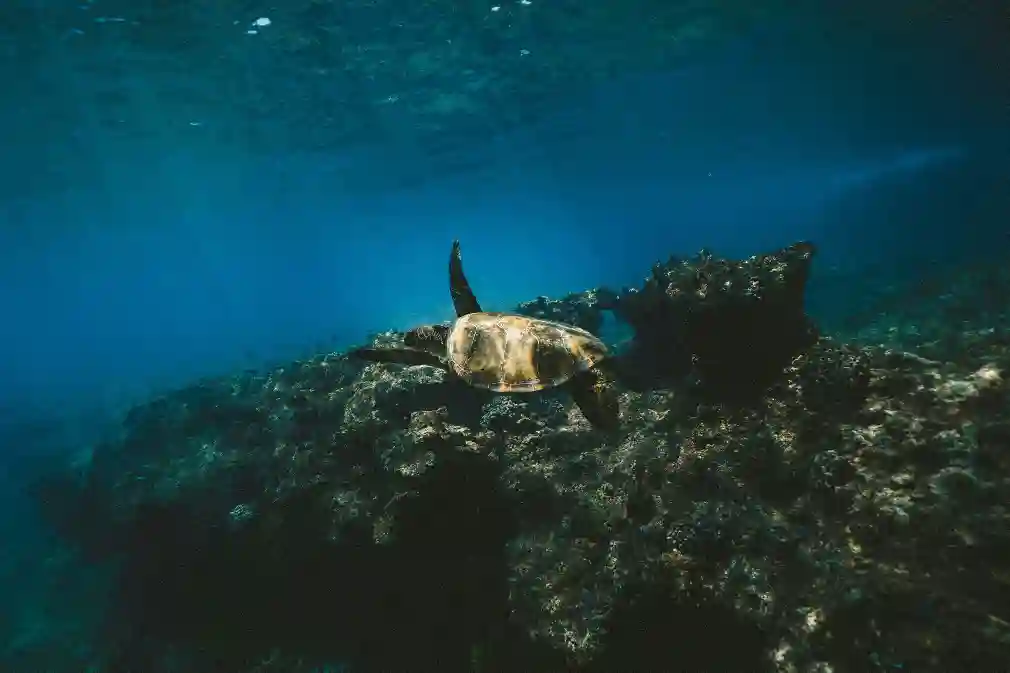
3 sea turtle species seen in Okinawa
Basic information overview
| Species | Body size | Distinctive appearance | Behavioral characteristics | Easy observation locations |
| Green sea turtle | Shell length: 80–100cm; weight: 100–150kg | • Greenish-brown shell • Rounded head • Smooth shell | • Relaxed temperament • Mainly eats algae • Capable of long dives | • Shallow seagrass beds • Near coral reefs • Sandy areas |
| Hawksbill turtle | Shell length: 70–90cm; weight: 80–120kg | • Beautiful amber-colored shell • Sharp beak • Overlapping scutes | • Curious • Quick movements • Strong migratory tendency | • Outer coral reef edges • Deeper places • Waters near the open sea |
| Loggerhead turtle | Shell length: 90–110cm; weight: 130–180kg | • Large reddish-brown shell • Powerful flippers • Sturdy head | • Cautious temperament • Nighttime nesting • Often solitary | • Near sandy beaches • Deep rocky reefs • Around nesting sites |
Seasonal behavior patterns
Green sea turtle: Spring (March–May / 3–5):
- Activity begins
- Feeding becomes more active
- Increased movement toward coastal areas
Summer (June–August / 6–8):
- Peak nesting
- Frequent shallow-water activity
- Basking behavior also observed
Autumn (September–November / 9–11):
- Movement to feeding grounds
- Long-distance movement begins
- Group behavior also seen
Winter (December–February / 12–2):
- Slightly reduced activity
- Life in deeper water
- Lower metabolic rate
Seasonal behavior patterns (continued)
Hawksbill turtle: Spring (March–May / 3–5):
- Migration begins
- Feeding activity increases
- Pairing behavior
Summer (June–August / 6–8):
- Nesting season
- More nighttime landings
- Increased activity as body temperature rises
Autumn (September–November / 9–11):
- Wide-ranging migration
- Feeding on sea anemones
- Resting on coral reefs
Winter (December–February / 12–2):
- Movement to the open sea
- Life in deeper water
- Mainly solitary behavior
Loggerhead turtle: Spring (March–May / 3–5):
- Movement to nesting sites begins
- Preparatory behavior near the coast
- Pair formation
Summer (June–August / 6–8):
- Peak nesting
- Multiple landings
- Active at night
Autumn (September–November / 9–11):
- Increased foraging
- Movement offshore
- Energy accumulation
Winter (December–February / 12–2):
- Overwintering in deep water
- Reduced activity
- Suppressed metabolism
Sea turtle ecology and behavior patterns in Okinawa
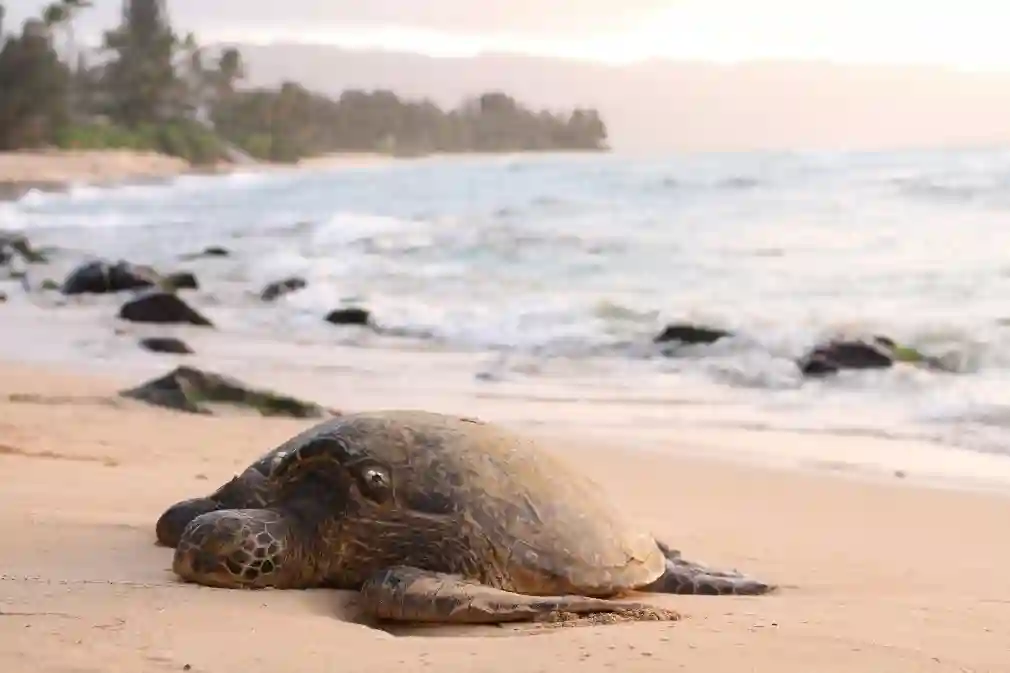
Comparison of diving abilities
| Species | Usual dive duration | Maximum dive duration | Main activity depth |
| Green sea turtle | 15–20 minutes | 30 minutes | 3–20m |
| Hawksbill turtle | 20–30 minutes | 40 minutes | 10–30m |
| Loggerhead turtle | 25–35 minutes | 45 minutes | 15–40m |
Nesting characteristics
| Species | Nesting events/year | Eggs/event | Days until hatching |
| Green sea turtle | 2–3 | 100–120 | 50–70 days |
| Hawksbill turtle | 3–5 | 80–100 | 55–75 days |
| Loggerhead turtle | 3–7 | 110–130 | 45–65 days |
Details of diet and habitat
Dietary characteristics
Green sea turtle
Main foods
- Seaweeds (80%)
Eelgrass
Kelp
Sea lettuce
- Animal foods (20%)
Jellyfish
Small crustaceans
Mollusks
Feeding behavior
- Food consumed per 1 day: About 2% of body weight
- Feeding time: Mainly daytime
- Feeding location: Depths of 3–10m
Hawksbill turtle
Preferred food organisms
- Sea anemones (40%)
- Jellyfish (30%)
- Crustaceans (20%)
- Other (10%)
Distinctive feeding methods
- Catching prey with the beak
- Feeding among rocks
- Hunting in deeper water
Loggerhead turtle:
Main foods
- Crustaceans (50%)
- Mollusks (30%)
- Fish (15%)
- Other (5%)
Feeding characteristics
- Often active at night
- Feeding on rocky reefs
- Catching prey with powerful jaws
Current conservation activities in Okinawa
Habitat characteristics
| Species | Preferred water temperature | Main habitat depth | Habitat characteristics |
| Green sea turtle | 20–28°C | 3–20m | • Abundant seagrass beds • Calm inner bays • Near coral reefs |
| Hawksbill turtle | 23–30°C | 10–30m | • Outer coral reef edges • Rocky reef areas • Waters near the open sea |
| Loggerhead turtle | 18–25°C | 15–40m | • Deep rocky reefs • Near sandy beaches • Open-sea areas |
Roles in ecosystems and the need for protection
Importance within ecosystems
Contributions to coral reef ecosystems
- Green sea turtle
Appropriate seaweed management
Maintenance of seagrass beds
Promotion of nutrient cycling
- Hawksbill turtle
Regulation of sea anemone populations
Maintenance of coral reef health
Preservation of biodiversity
- Loggerhead turtle
Regulation of bottom-dwelling organism populations
Connections with sandy beach ecosystems
Contribution to material cycling
Endangered status of each species
| Species | Endangered category | Estimated population | Decline rate/year |
| Green sea turtle | Endangered (Category IB) | About 20,000 | 2–3% |
| Hawksbill turtle | Critically endangered (Category IA) | About 5,000 | 4–5% |
| Loggerhead turtle | Endangered (Category IB) | About 15,000 | 3–4% |
Factors causing the threat of extinction
Human factors
- Fisheries bycatch
Accidents in set nets
Entanglement in gillnets
Harm from longlines
- Environmental destruction
Development of nesting sites
Artificial modification of coastlines
Effects of light pollution
Environmental changes
- Effects of climate change
Rising water temperatures
Loss of sandy beaches
Changes in feeding grounds
- Marine pollution
Plastic waste
Chemicals
Microplastics
Precautions and etiquette when observing sea turtles
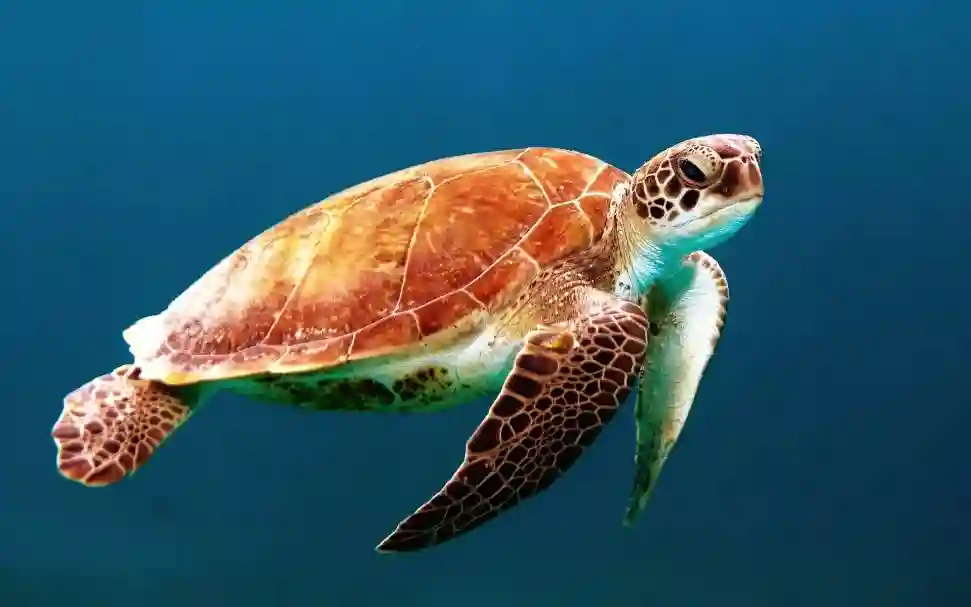
For safe and enjoyable observation, proper preparation and good etiquette are important.
Items to prepare for snorkeling beginners
| Equipment category | Required items | Tips for choosing | Estimated price / Notes |
| Basic equipment | • Mask • Snorkel • Fins | • Size that fits your face • J-type recommended • Foot size +1cm | From 3,000 yen / From 2,000 yen / From 4,000 yen |
| Protective equipment | • Rash guard • Wetsuit | • UPF50+ or higher • Thickness suited to the season | From 3,000 yen / Rental available |
Keeping an appropriate distance from sea turtles in Okinawa
Basic observation rules:
Suggested distances
- Normal observation: At least 3m
- Photography: At least 5m
- Nesting: At least 10m
Precautions when approaching
- Avoid sudden movements
- Do not approach directly from above
- Do not chase them
Photography etiquette
- No flash
- Consider others around you
- Take only the minimum necessary photos
7 rules for environmental protection
Do not leave litter; take it home
Do not touch coral
Do not feed wildlife
Observe quietly
Stay within designated areas
Do not take natural objects home
Follow your guide's instructions
Responding to problems
Emergency contacts:
- Japan Coast Guard: 118
- Tour company's emergency number
- Nearest medical facility
Symptoms to watch for:
- Dizziness
- Fatigue
- Irregular breathing
- Lower body temperature
How to respond:
- Surface immediately
- Tell your guide
- Take a break
- Stop if necessary
Conclusion: Enjoy memorable sea turtle encounters in Okinawa
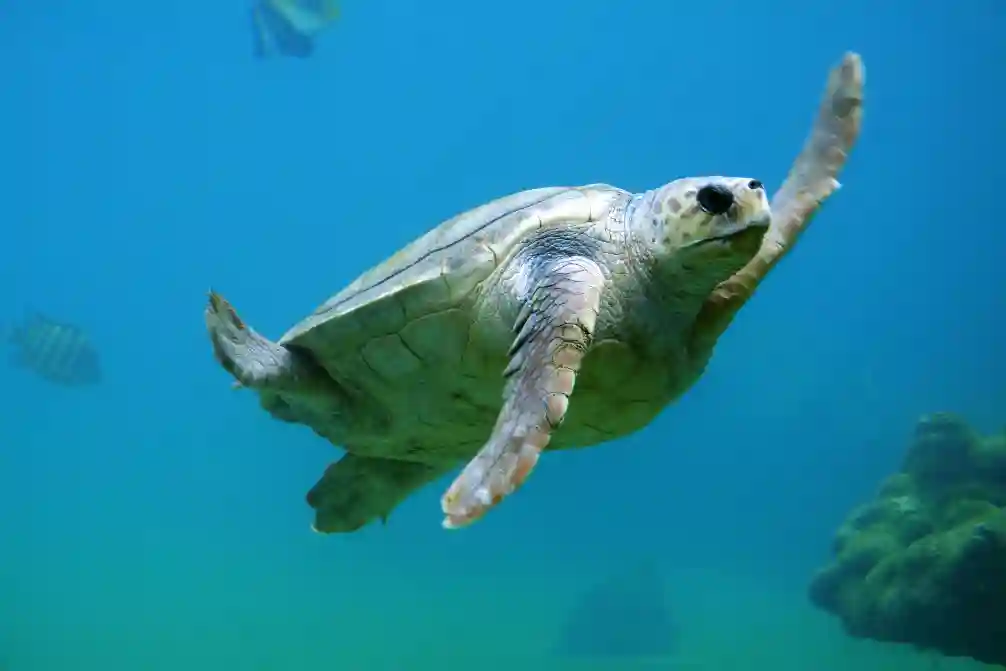
Here are important points for successful sea turtle observation in Okinawa.
With proper preparation and knowledge, anyone can have a safe, wonderful experience.
Choosing the best observation plan
Choosing by season
| Season | Encounter rate | Characteristics | Recommended points |
| Spring (March–May / 3–5) | 75% | • Mild weather • Fewer tourists | • Suitable for photography • Relaxed observation possible |
| Summer (June–August / 6–8) | 90% | • Highest encounter rate • Nesting season | • Early morning is best • Book early |
| Autumn (September–November / 9–11) | 70% | • High visibility • Stable weather | • Ideal for underwater photography • Longer observation time |
| Winter (December–February / 12–2) | 60% | • Few tourists • Quiet surroundings | • Cold protection essential • Relaxed observation |
Tips for choosing a location
Beginner-friendly spots (northern Okinawa)
- Around Sesoko Island
Gently shelving coastline
Well-equipped facilities
Guides always present
- Minna Island
High visibility
High encounter rate
Easy access
For couples and families
- Kouri Island
Beautiful scenery
Photography spots
Well-equipped facilities
Focus on safety (central Okinawa)
- Cape Maeda
Comprehensive monitoring system
Emergency equipment available
Convenient access
Criteria for choosing a tour
| Course | Intended participants | Estimated price | Features |
| Half-day course | Beginners | 7,000–9,000 yen | • Learn basic skills • Focus on safety • Careful instruction |
| 1-day course | Experienced participants | 12,000–15,000 yen | • Multiple spots • Thorough observation • Meals included |
| Private | Photography-focused participants | From 20,000 yen | • Private guiding • Photography instruction • Flexible timing |
For safe and enjoyable observation
Preparation checklist
Safety (★★★)
- Physical condition
Sufficient sleep
Appropriate meals
Check your stamina
- Weather checks
Weather information
Wave conditions
Tidal currents
Equipment (★★★)
- Basic equipment
Mask and snorkel
Fins
Wetsuit
- Additional equipment
Waterproof camera
Sunscreen
Towel
Etiquette (★★★)
- Environmental consideration
Take litter home
Avoid touching coral
Consider wildlife
- Observation rules
Keep an appropriate distance
No flash photography
Follow your guide's instructions
For safe and enjoyable observation
| Aspect | Checklist points | Importance |
| Safety | Physical condition / Weather checks / Following guide instructions | ★★★ |
| Equipment | Prepare basic equipment / Spare equipment / Cold protection | ★★★ |
| Etiquette | Appropriate distance / Follow rules / Consider the environment | ★★★ |
With proper preparation and accurate knowledge, encountering sea turtles can be a wonderful experience available to anyone.
Use the information introduced in this article to enjoy safe, memorable observation.
Joining a tour rather than going independently is sure to let you enjoy the experience safely.
Spend special moments with sea turtles in Okinawa's beautiful sea.