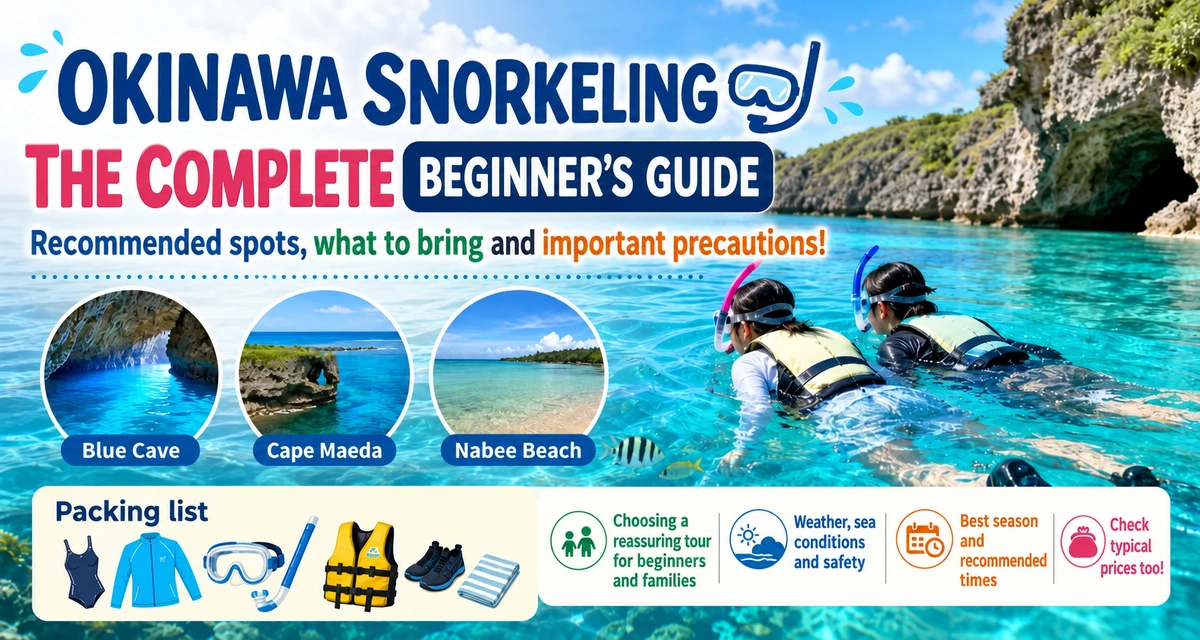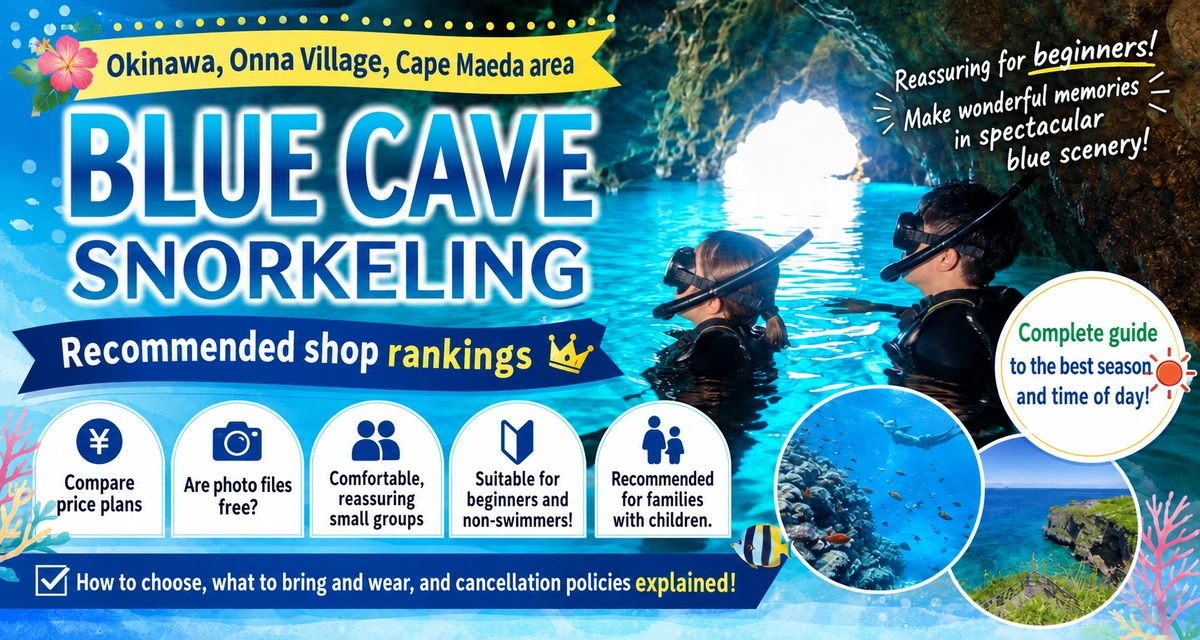
If you are trying snorkeling while traveling, are your clothes and belongings fully prepared?
Snorkeling is a popular activity, letting you swim down to the seabed and interact with marine creatures.
However, first-time snorkelers may often be unsure what clothes and belongings to prepare.
This article therefore introduces necessary clothes and belongings for snorkeling, along with useful extra items.
With these, you can enjoy snorkeling with peace of mind!
What is snorkeling?
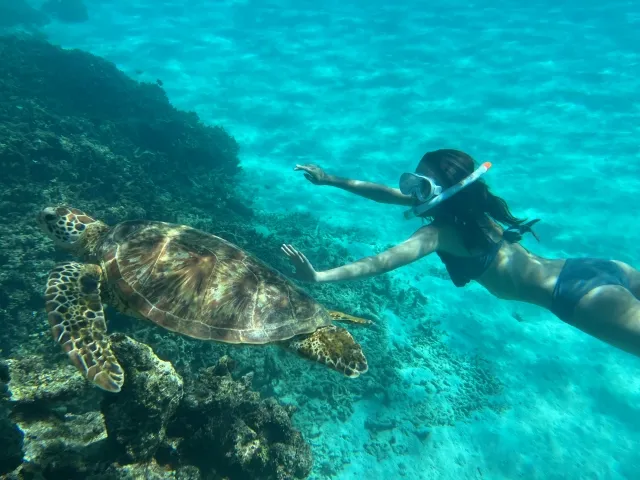
There are various activities for enjoying the sea, including snorkeling, skin diving, and scuba diving.
Although different activities, they share some clothes and belongings.
First, we explain activities recommended for both beginners and experienced participants.
Snorkeling
First, let's introduce snorkeling's characteristics.
- Purpose
The main purpose is observing underwater scenery and creatures near the surface.
- Equipment
Using basic equipment—a snorkel, mask, and fins—you do not dive deeply.
- Breathing method
Use a snorkel to inhale from the surface and exhale through your mouth or nose.
Because you continue breathing at the surface, you cannot dive deeply.
- Depth
Activities mainly take place near the surface, with only a slight lowering of your head to observe shallow areas.
- Stamina and skills
You can enjoy it with relatively little stamina or skill.
- Difficulty
Easy to enjoy even for beginners.
- Locations
Beaches, shallow seas, lakes, and similar places.
Skin diving
Next, let's introduce skin diving.
- Purpose
The purpose is to dive deeply for short periods to observe underwater creatures and scenery.
You dive somewhat deeper than when snorkeling.
- Equipment
In addition to a snorkel, mask, and fins, a wetsuit or weight belt may be used.
- Breathing method
After regulating your breathing, you hold your breath and dive, reaching depths of several meters.
- Depth
Diving to several meters is possible, but you generally surface within several tens of seconds to 1 minute.
- Stamina and skills
Because you hold your breath to dive, some breath-holding training is needed. Skills and stamina become important as diving depth increases.
- Difficulty
Beginners can do it, but some breath-holding technique is required.
- Locations
Shallow seas, reefs, and areas around coral reefs.
Scuba diving
Finally, let's introduce scuba diving.
It is considerably more difficult than snorkeling.
- Purpose
Scuba diving aims to explore deeper underwater locations for extended periods.
Activities are possible at depths of 20 meters or more.
- Equipment
It uses advanced equipment such as a scuba tank (oxygen cylinder), regulator, and BCD (buoyancy control device).
- Breathing method
You continue breathing for extended periods in deep locations while inhaling air supplied from a scuba tank.
A characteristic is that you do not need to surface for breaths and can dive safely even in deep locations.
- Depth
You can dive from several tens of meters to depths exceeding 100 meters; limits depend on your diving qualifications.
- Stamina and skills
Certification is required, and specialized training is necessary to operate safely in deep locations.
- Difficulty
Beginners need to obtain certification.
Advance training is essential for safe diving.
- Locations
Deep seas, shipwreck and seabed observation, and diving spots.
Differences from skin diving and scuba diving
Similar clothes and belongings are fine for snorkeling and skin diving!
Scuba diving, however, takes you deeper, so clothes and belongings change.
| Purpose | Equipment and belongings | Depth | Skills | Locations | |
| Snorkeling | Observe near the surface | Snorkel, mask, fins | Near the surface | Suitable for beginners | Shallow seas and beaches |
| Skin diving | Hold your breath and dive deeply | Snorkel, mask, fins, sometimes a wetsuit | Several meters | Some training needed | Shallow seas and coral reef areas |
| Scuba diving | Explore deep locations for extended periods | Scuba tank, regulator, BCD, and other equipment | Several tens of meters to over 100 meters | Certification required | Deep seas and diving spots |
Scuba diving requires special belongings and clothing.
Snorkeling clothes and belongings are not particularly complicated, so it is easy to try.
Clothes & belongings suited to snorkeling
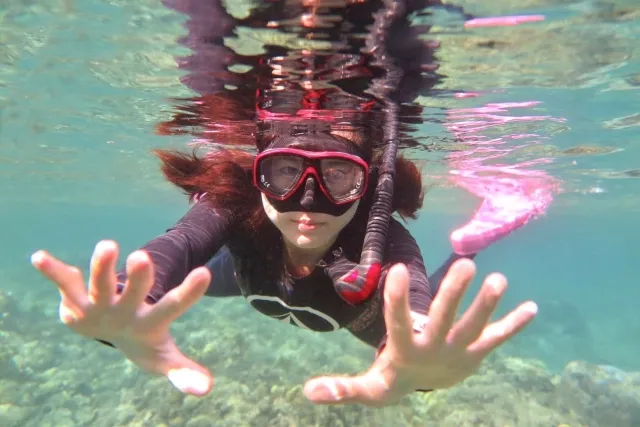
Appropriate clothes & belongings are important for enjoying snorkeling to the fullest.
First, here are the best clothes for snorkeling.
Clothes & belongings ①: rash guard
A rash guard helps provide UV protection and protection from marine creatures such as jellyfish.
Choosing long-sleeved clothing is even more effective.
Clothes & belongings ②: wetsuit
A wetsuit is recommended if you plan to snorkel in cold water or for a long time.
Remember warm clothing that retains heat and protects your body.
Clothes & belongings ③: swimsuit
The swimsuit worn under a rash guard or wetsuit is important too.
Choose clothing with comfort in mind.
Quick-drying clothes that are easy to move in are recommended for snorkeling.
Clothes & belongings ④: reef boots
Reef boots are necessary where the seabed is rocky or covered with coral reefs.
They protect your feet and help prevent slipping.
Clothes & belongings ⑤: sunglasses and hat
Before and after snorkeling and during breaks, wear sunglasses and a hat for UV protection.
Please use these snorkeling clothes and belongings as a reference.
Snorkeling essentials
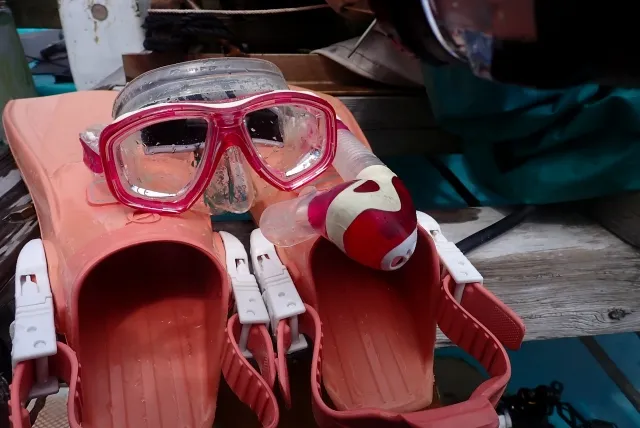
Here, we introduce snorkeling essentials, clothes, and belongings in detail.
Start by checking the packing list!
| □ Snorkeling set □ Waterproof bag □ Towel □ Drinks □ Waterproof phone case □ Sunscreen □ Portable first aid kit |
We will explain snorkeling clothes and belongings in detail, so please use this as a reference!
Clothes & belongings ①: snorkeling set
This is an indispensable item for snorkeling.
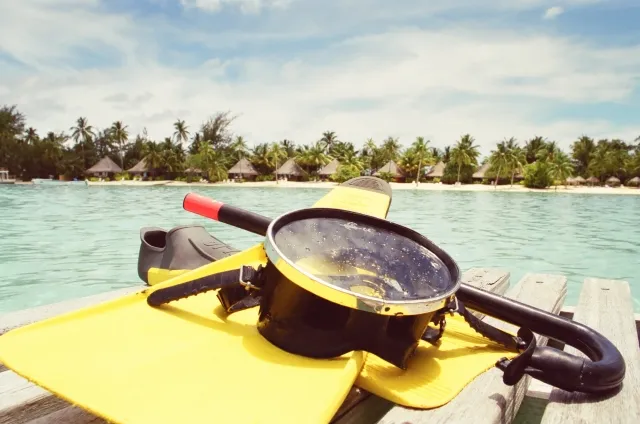
Choosing a set containing a snorkel, mask, and fins is recommended!
A snorkel is designed for breathing above the surface, and choosing a mask that fits your face closely prevents water entry.
Fins help your feet move smoothly and make travel through the water easier.
Clothes & belongings ①: waterproof bag
A waterproof bag to protect valuables is essential when snorkeling.
It helps protect belongings you do not want touching seawater, such as your phone, wallet, and keys.
Choosing a particularly waterproof, lightweight, easy-to-carry bag is convenient.
Clothes & belongings ②: towel
Prepare a towel to dry your body after snorkeling or during breaks and prevent sea breezes from drying your body out.
A quick-drying towel is ready to use soon and also makes your luggage lighter.
Clothes & belongings ③: drinks
You may sweat more than expected while snorkeling.
Prepare plenty to drink.
Regular hydration is particularly important in summer and on hot days.
We recommend bringing sports drinks or water.
Clothes & belongings ④: waterproof phone case
A waterproof phone case is useful for taking photos while snorkeling or making contact in an emergency.
Choose a case that seals securely to protect your phone from seawater.
A type usable underwater also allows underwater photos and videos.
Clothes & belongings ⑤: sunscreen
Spending a long time at sea while snorkeling raises concerns about UV-related sunburn.
Choose waterproof sunscreen and apply it thoroughly before snorkeling.
It is particularly important to apply it carefully to areas easily exposed to direct sunlight, such as your face, arms, and legs.
Clothes & belongings ⑥: portable first aid kit
A portable first aid kit offers reassurance for responding to small injuries or problems while snorkeling.
Including adhesive bandages, disinfectant, and basic medicines prepares you for unexpected situations.
For snorkeling, carefully checking necessary belongings and wearing appropriate clothes is important.
Check your belongings & clothing list and take care not to forget anything!
Useful extra belongings
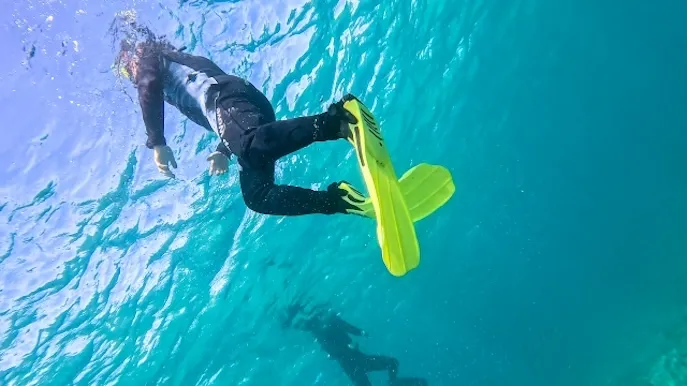
We also introduce useful items for enjoying snorkeling more comfortably.
Bring the clothes and belongings you need!
Start by checking the packing list!
| □ Motion sickness medicine □ Contact lenses □ Swimming ring or buoyancy vest □ Underwater camera □ Portable sitting cushion □ Underwater light □ Snorkeling gloves □ Wetsuit □ Beach towel □ Snacks |
We will explain snorkeling clothes and belongings in detail!
Clothes & belongings ①: motion sickness medicine
Remember this if you are prone to car, bus, or seasickness.
An effective method is taking one tablet the night before and one tablet on the morning of the activity.
Avoid medicines with ingredients that cause drowsiness.
If you are concerned, ask before diving.
Clothes & belongings ②: contact lenses
We also recommend remembering spare contact lenses.
A contact lens coming out during snorkeling is dangerous, so prepare for the unexpected.
Check them carefully on your packing list.
Clothes & belongings ③: swimming ring or buoyancy vest
A buoyancy vest or swimming ring offers reassurance for beginners and children.
It secures buoyancy and increases safety while snorkeling.
Clothes & belongings ④: digital gadgets
Digital gadgets such as waterproof smartwatches and fitness trackers help record your snorkeling activities.
An underwater camera is also indispensable for recording beautiful underwater scenery and marine life.
Choose one with strong waterproof performance.
Clothes & belongings ⑤: portable sitting cushion
A portable sitting cushion is useful for avoiding sitting directly on sand or rocks during breaks.
Choose one that folds compactly.
Clothes & belongings ⑥: underwater light
An underwater light helps provide visibility for night snorkeling or in dark water.
A light makes observing mysterious marine creatures particularly enjoyable in the sea at night.
Clothes & belongings ⑦: snorkeling gloves
Snorkeling gloves protect your hands when touching rocks or coral reefs.
They are particularly useful for protecting hands from injury for beginners or long snorkeling sessions.
Clothes & belongings ⑧: wetsuit
A wetsuit lets you enjoy snorkeling comfortably in locations with low water temperatures.
It protects your body from cold water and maintains body temperature even during long snorkeling sessions, making it an essential item.
Clothes & belongings ⑨: beach towel
A beach towel is needed for drying your body after snorkeling or sitting on during breaks.
A quick-drying one is convenient.
Clothes & belongings ⑩: snacks
Bringing snacks is also a good idea for enjoying long snorkeling sessions.
Having easy-to-eat nuts, fruit bars, or similar snacks for energy offers reassurance.
3 recommended snorkeling items for women
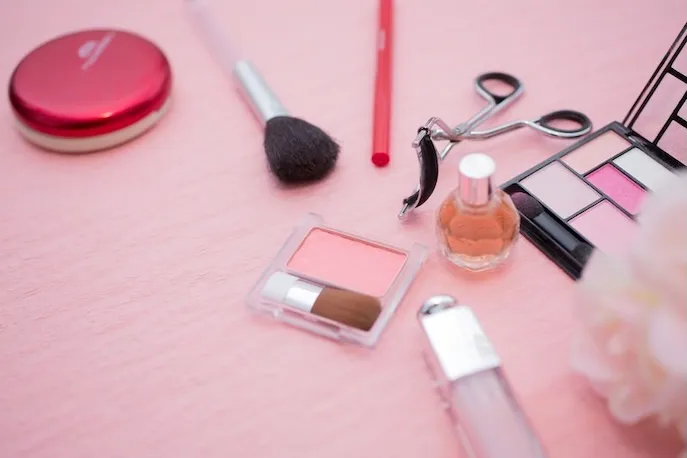
Next, we introduce recommended belongings and clothes for women going snorkeling.
Here is the packing list.
| □ Makeup products □ Dry shampoo □ Beach towel |
Check important belongings and clothes so that you can fully enjoy your trip after snorkeling too!
Makeup products
Since you enter the sea when snorkeling, no makeup or sunscreen alone is a good approach.
After leaving the sea and showering, travel-size cosmetics are useful for your next sightseeing activity.
- Makeup remover and facial cleanser
- Toner and moisturizer
- Your regular makeup products
Particularly in summer, when you encounter strong sunshine, items for skin care and makeup touch-ups after snorkeling are essential belongings.
Dry shampoo
Bringing dry shampoo is convenient if you want to freshen your hair immediately after snorkeling.
It can be used even where no water is available, helping you stay fresh.
Beach towel
A beach towel is needed for drying your body after snorkeling or sitting on during breaks.
A quick-drying one is convenient.
Tips for choosing clothes and belongings
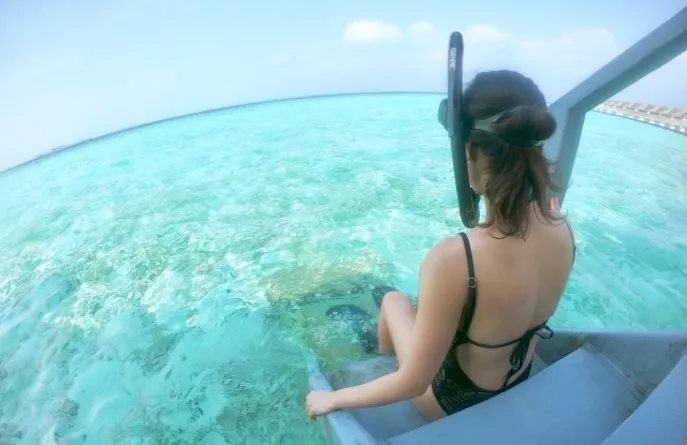
So far, we have checked snorkeling belongings and clothes!
Choosing clothes and belongings well is also important for enjoying snorkeling to the fullest.
We understand wanting cute items for your special trip, but keep the following points in mind when choosing clothes and belongings.
Clothes and belongings ①: ease of movement
Prioritize ease of movement in your clothes.
Choose stretchy fabrics and well-fitting clothes and belongings so that you can move freely while snorkeling.
Clothes and belongings ②: quick drying
Getting wet is assumed in this activity, so clothes and belongings made from quick-drying fabrics help maintain comfort.
Cotton hoodies and similar garments take a long time to dry, so polyester, nylon, and polypropylene are recommended clothing choices.
Clothes and belongings ③: size and fit
Correct size is particularly important for wetsuits and reef boots.
Ill-fitting clothes make movement difficult and can even become dangerous.
Clothes and belongings ④: waterproofing
Use waterproof bags and pouches for valuables, electronics, and similar belongings.
You can store belongings with peace of mind even when they get wet.
Clothes and belongings ⑤: UV protection
Remember UV protection too.
Especially on strongly sunny days, wearing UV-protective rash guards, hats, and sunglasses is important.
Choose waterproof sunscreen too and reapply frequently.
UV-protective hoodies are also available, so consider them when choosing clothes.
Clothes and belongings ⑥: comfort and warmth
You may feel cold while snorkeling.
Wetsuits are particularly effective in locations with low water temperatures.
In windy places, bringing a jacket to block wind and adjusting warmth through clothing is a good idea.
Clothes and belongings ⑦: managing luggage
Some snorkeling spots do not have lockers.
We therefore recommend managing valuables and other belongings in a waterproof bag.
Clothes and belongings ⑧: environmentally friendly choices
Remember to consider the environment when enjoying snorkeling.
Choosing reusable items helps protect the marine environment.
Frequently asked questions and answers
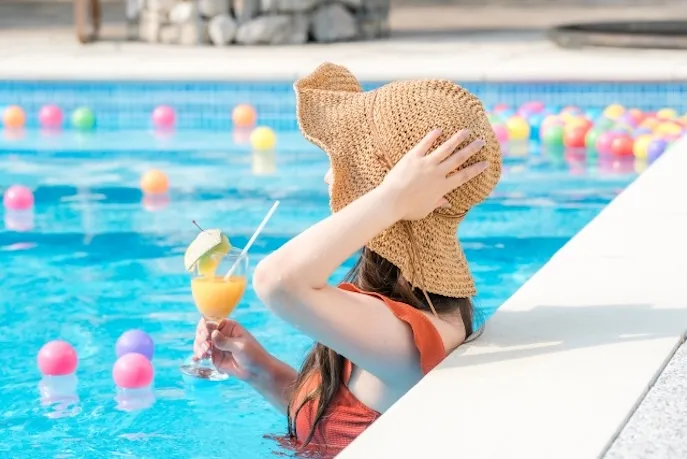
Here is a Q&A about snorkeling belongings and clothes answered by local staff.
Q: Can beginners enjoy snorkeling?
A: Yes, beginners can enjoy snorkeling too.
Wearing a buoyancy vest allows even beginners to enjoy the water with peace of mind.
Q: Can I rent a snorkeling set?
A: Many snorkeling spots offer snorkeling set rentals.
However, bringing equipment suited to you is more comfortable.
Q: What should I be careful about when snorkeling?
A: Put safety first.
Check the weather and sea conditions, and do not push yourself.
Avoiding touching things to protect the environment is important too.
Q: What is the best time for snorkeling?
A: Early morning and morning often have relatively calm seas and high visibility.
It may become crowded during the day, so aiming for an early time is a good idea.
Q: What should I do if a jellyfish stings me while snorkeling?
A: Leave the sea immediately and rinse the stung area with seawater.
If symptoms are severe, seek medical attention.
Q: How can I prevent sunburn while snorkeling?
A: Wearing a long-sleeved rash guard or wetsuit is important for preventing sunburn.
Apply waterproof sunscreen thoroughly to your face, hands, and feet.
Also, using a hat and sunglasses to avoid direct sunshine during snorkeling breaks is effective.
The key is preparing clothes that let you adjust your temperature.
Q: How can I carry my smartphone while snorkeling?
A: A waterproof phone case is needed while snorkeling.
Putting it in a waterproof case allows underwater photography and emergency communication.
However, when diving deeply, pay attention to the case's waterproof performance and check its depth rating before use.
Q: What clothing is suitable for snorkeling?
A: Wearing a rash guard or wetsuit to maintain body temperature is recommended for snorkeling.
Choosing long sleeves to prevent sunburn is also a good idea.
Because you wear fins on your feet, aqua shoes and marine shoes are useful too.
Comments from snorkeling participants
Here are genuine comments from people who enjoyed snorkeling.
They include advice about clothes and belongings, so please use them as a reference.
‘A rash guard is essential!’
| When I first went snorkeling and was unsure what to bring, a friend recommended wearing a rash guard. At first I thought it might be hot, but when I wore it, it not only prevented sunburn but was comfortable and easy to move in underwater. It also maintained my body temperature, so I did not feel cold even after a long time in the sea. Clothing is very important.A, woman in her 30s |
‘The waterproof bag was a huge help’
| I wondered what to do with important belongings while snorkeling, but a waterproof bag was extremely convenient. I could put in my phone and wallet without any worry about them getting wet, and carry my beach towel and drinks together too. It is useful not only for snorkeling but for seaside leisure in general, so I was really glad to add it to my belongings. B, man in his 20s |
‘The importance of fins and a mask’
| When I had little snorkeling experience, I used ordinary swimming goggles, but a dedicated mask and fins broadened my view and greatly improved ease of swimming. Fins in particular let me move smoothly with little effort, so I tired less even after swimming for a long time. I consider them essential belongings. D, woman in her 30s |
‘Sunscreen and a hat are essential belongings’
| When absorbed in snorkeling, I lose track of time and remain in the sea. Waterproof sunscreen and a wide-brimmed hat were useful then. Reapplying sunscreen frequently protected my skin, and the hat was a great help for blocking sunshine during snorkeling breaks. E, woman in her 20s |
‘Aqua shoes keep your feet safe too’
| Thinking about foot safety, I wore aqua shoes while snorkeling. They made movement on beaches and rocks smooth and protected my feet in the sea, so I enjoyed myself with peace of mind. Particularly in places with many coral reefs or rocks, aqua shoes help prevent injury. They add to your luggage, but it is better to have them. U, man in his 20s |
‘The waterproof phone case was useful’
| I was worried about carrying my phone while snorkeling, but using a waterproof case let me take photos and communicate smoothly. It was fun to photograph beautiful underwater scenery on the spot, and I could immediately share it with friends. F, woman in her 40s |
‘The convenience of a quick-drying hoodie’
| An ordinary hoodie takes a long time to dry after snorkeling, making clothes difficult to choose. A quick-drying hoodie dried soon and was very convenient. It also folded compactly, making it easy to carry without bulky luggage. I recommend bringing one. G, man in his 30s |
‘Comfort with a lightweight jacket’
| I wore a lightweight jacket when snorkeling. I was unsure about clothes, but particularly on strongly sunny days, the jacket was extremely helpful for preventing sunburn. It was also quick-drying and lightweight, so it dried immediately after swimming and let me stay comfortable with fewer belongings. I, man in his 40s |
These are genuine opinions about what clothes and belongings are useful when snorkeling.
If you are going snorkeling, use the clothing and belongings advice as a reference to prepare.
Snorkeling shops in Okinawa
Okinawa is known for its beautiful, clear sea and has many ideal spots for snorkeling.
Here, we introduce 3 recommended snorkeling shops for enjoyment from beginners to advanced participants.
Every shop has experienced staff, so consult them if you are unsure about snorkeling belongings or clothing.
Kai・la Okinawa Blue Cave
- Features
Kai・la Okinawa Blue Cave provides snorkeling, diving, and certification courses at the Blue Cave.
Clear seas and abundant marine life are its attractions.
- Recommended points
Snorkeling at Okinawa's Blue Cave
Guided by experienced instructors
Comprehensive family plans
Advance online booking available
How to care for clothes and belongings after snorkeling
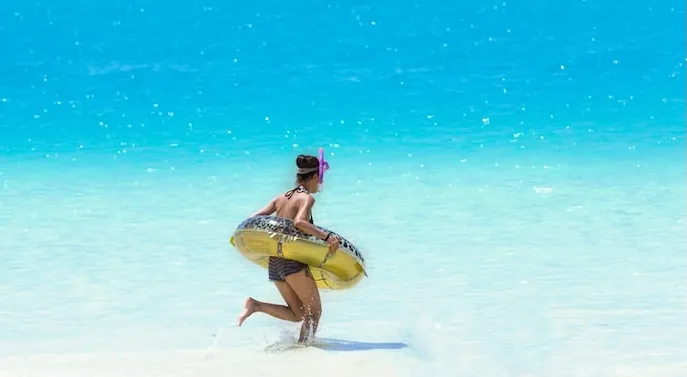
After enjoying snorkeling, carefully caring for the clothes and belongings you used is important.
Finally, here are ways to care for clothes and belongings after snorkeling.
1. Caring for clothes
Clothes used for snorkeling are prone to damage from seawater, sand, and UV rays, so appropriate care is needed.
Seawater contains salt, so thoroughly rinse clothes with fresh water immediately after snorkeling.
Dissolving mild detergent in lukewarm water and gently washing with a pressing motion is effective.
After washing, dry in the shade away from direct sunlight.
Direct sunlight causes materials to deteriorate, so drying in a well-ventilated place is important.
2. Caring for belongings
Appropriate care also lets you use snorkeling belongings for a long time.
Thoroughly rinse both the outside and inside with fresh water.
As with clothing care, if salt or sand is attached, wash using mild detergent.
After washing, dry in the shade in a well-ventilated place and take care not to store items until completely dry.
3. Key points for caring for clothes and belongings after snorkeling
Wash with fresh water as soon as possible after snorkeling.
Salt and sand left attached for a long time cause materials to deteriorate.
Drying clothes and belongings in the shade away from direct sunlight is important too.
Store dry clothes and belongings in a well-ventilated place.
Take care: storage in a place where moisture accumulates causes mold and odors.
Appropriate care lets you enjoy your snorkeling clothes and belongings for a long time.
Use this as a reference and enjoy your next snorkeling trip comfortably too.
Summary
This article introduced necessary clothes and belongings for snorkeling, along with useful extra items.
Preparing appropriate clothes and belongings is indispensable for enjoying snorkeling.
Having basic items such as a rash guard, wetsuit, and aqua shoes lets you enjoy the marine world comfortably and safely.
Carefully caring for clothes and belongings after snorkeling also maintains them in a pleasant condition for next time.
When snorkeling in Okinawa, choosing clothes and belongings suited to the local climate and considering your condition and safety are important too.
Snorkeling is not only about enjoying the sea; preparation and care are also a significant part of the enjoyment.
Use a checklist when unsure about belongings or clothing.
Whether you are beginning snorkeling or already experienced, we hope you use the belongings and clothing advice as a reference to enjoy a more fulfilling snorkeling life.