Okinawa is famous for beautiful seas and snorkeling, but its appeal is not limited to summer.
January (1) in Okinawa actually offers special ways to enjoy yourself and leisurely appreciate the sea's beauty and marine life!
This article introduces the appeal of snorkeling in winter Okinawa, sightseeing spots unique to January (1), seasonal events, and foods in season.
We bring information perfect for people looking for ways to enjoy Okinawa that are unique to winter.
1. The appeal of snorkeling in Okinawa in January (1)
Okinawa's water clarity and sea conditions in January (1)
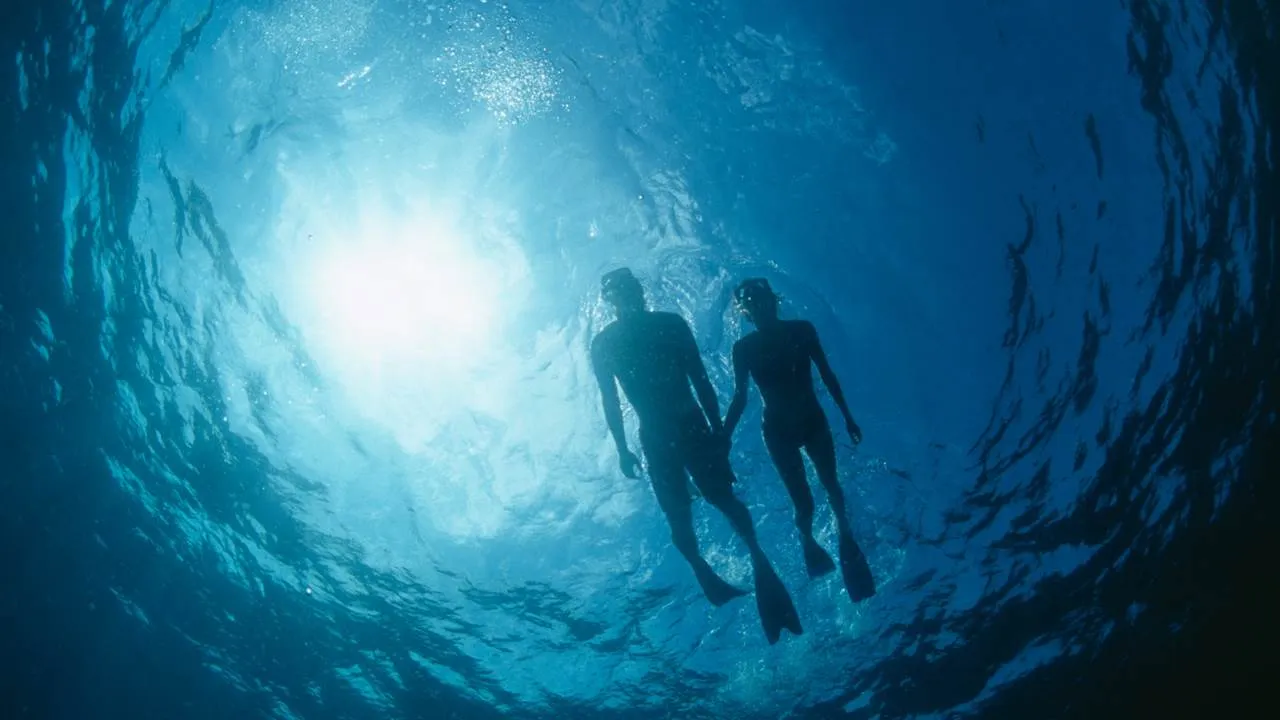
January (1) seas in Okinawa are exceptionally clear compared with other seasons.
This is because plankton decreases underwater in winter, making the water clearer.
Less plankton increases seawater clarity and allows clear views of underwater scenery far into the distance.
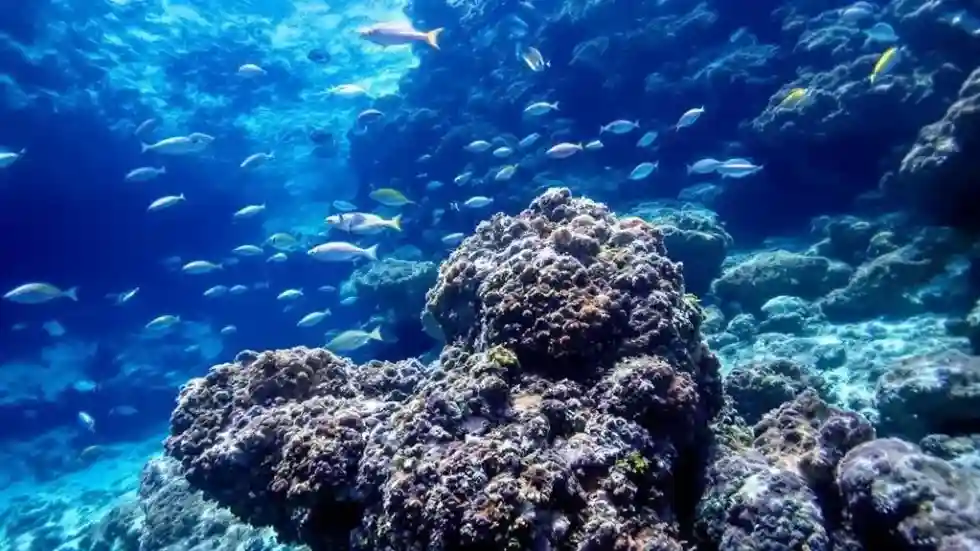
Coral reefs and marine creatures therefore appear more vivid, creating the feeling of viewing an aquarium through glass.
Stable seawater temperatures around Okinawa's main island in January (1) are another attraction.
Okinawa's winter temperatures are warmer than mainland winters, but it may still feel somewhat chilly.
However, seawater temperatures are higher than around Japan's main island, so it is less likely to feel cold when entering the sea and you can snorkel comfortably.
In January (1) Okinawa, underwater temperatures remain constant, and shivering after leaving the sea is uncommon, creating an environment for enjoying snorkeling to your heart's content.
Okinawa's clear winter sea makes coral reefs and fish easier to see than in ordinary seasons, increasing snorkeling's appeal.
The contrast between Okinawa's blue sea and coral's reds and yellows in particular offers more vivid and beautiful scenery.
Bringing a camera can produce more colorful, impressive photos than in summer.
Okinawa's transparent January (1) sea is truly a luxurious experience unique to this period and a must-see for snorkeling enthusiasts.
A quiet, peaceful atmosphere unique to winter
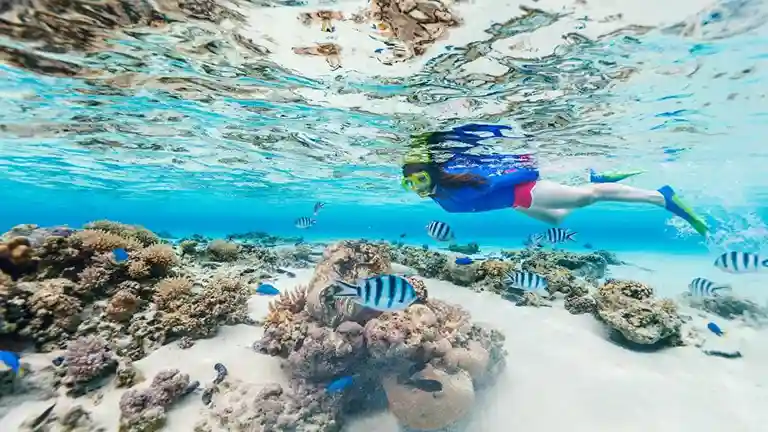
Okinawa's peak sightseeing season is generally spring through summer.
Many visitors come in summer, making beaches and snorkeling spots lively, but January (1) has relatively few tourists and a peaceful atmosphere.
Winter Okinawa lets you encounter nature leisurely in a quiet sea, making it an ideal period for relaxed snorkeling.
Snorkeling in January's (1) quietness lets you explore underwater at your own pace without worrying about people around you.
Summer's many visitors can make others' movements and sounds distracting, but winter Okinawa has less of this and allows more relaxed snorkeling.
This quiet environment is a major attraction particularly for beginners or people wanting to swim leisurely.
Another winter Okinawa attraction is feeling as if you occupy a special space with just yourself and the sea, without noise.
January (1) Okinawa's clear sea also lets you carefully observe fish and coral reefs in quiet water.
Clear water allows distant scenery to be seen distinctly, so you can enjoy small marine changes such as fish movement and swaying seaweed.
With fewer visitors, beaches and snorkeling spots are relatively uncrowded, allowing free swimming in the broad sea while appreciating nature's beauty.
Snorkeling in a quiet, peaceful environment is a luxurious winter experience unavailable in summer.
Fish varieties and beautiful marine life
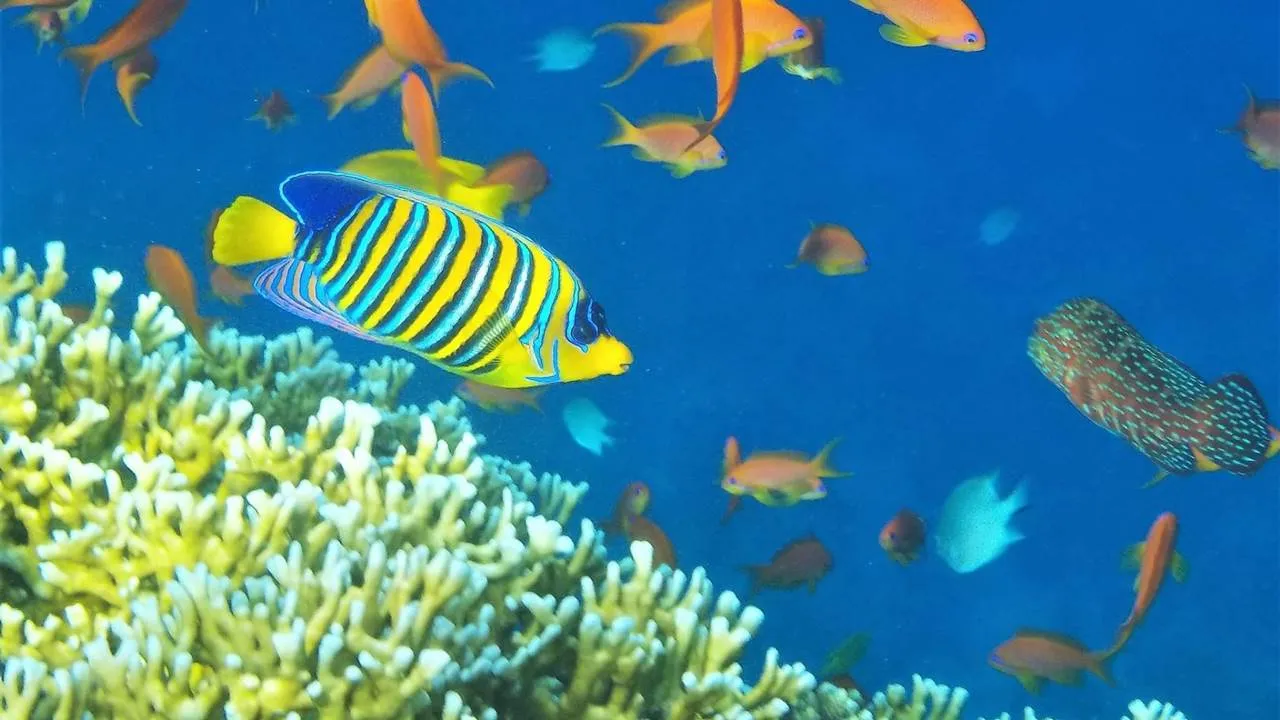
Okinawa's sea contains abundant colorful fish and unusual marine creatures, and encountering this diverse life while snorkeling is an attraction.
Particularly in January (1), marine life changes slightly with the season, allowing observation of winter-specific creatures and fish.
For example, tropical fish swim energetically in Okinawa's calm winter seas, delighting visitors as their vivid colors stand out even more.
More fish gather around coral reefs in winter Okinawa than in summer, and you can observe schools of small fish surrounding reefs.
The clear winter sea in particular shows fish movements and colors distinctly, making the underwater world feel like an aquarium.
The pleasure of colorful fish approaching underwater or discovering creatures hidden in reef gaps is an attraction unique to winter snorkeling.
You may also encounter sea turtles in winter Okinawa. Its sea is known as a turtle habitat, and you may observe graceful swimming turtles up close in quiet winter waters.
With luck,you may have a valuable experience swimming together, and an encounter with a sea turtle will be particularly memorable.
Okinawa's winter sea also contains many small shrimp and squid, allowing enjoyable encounters with diverse marine life beyond fish.
January (1) Okinawa lets you enjoy these abundant marine creatures in quiet, clear water, making snorkeling a more special experience.
Encounters with colorful fish, coral reefs, sea turtles, and other marine life enhance Okinawa snorkeling's appeal further.
2. Recommended for beginners too! Okinawa snorkeling spots to enjoy in January (1)
Blue Cave: differences and attractions in winter and summer
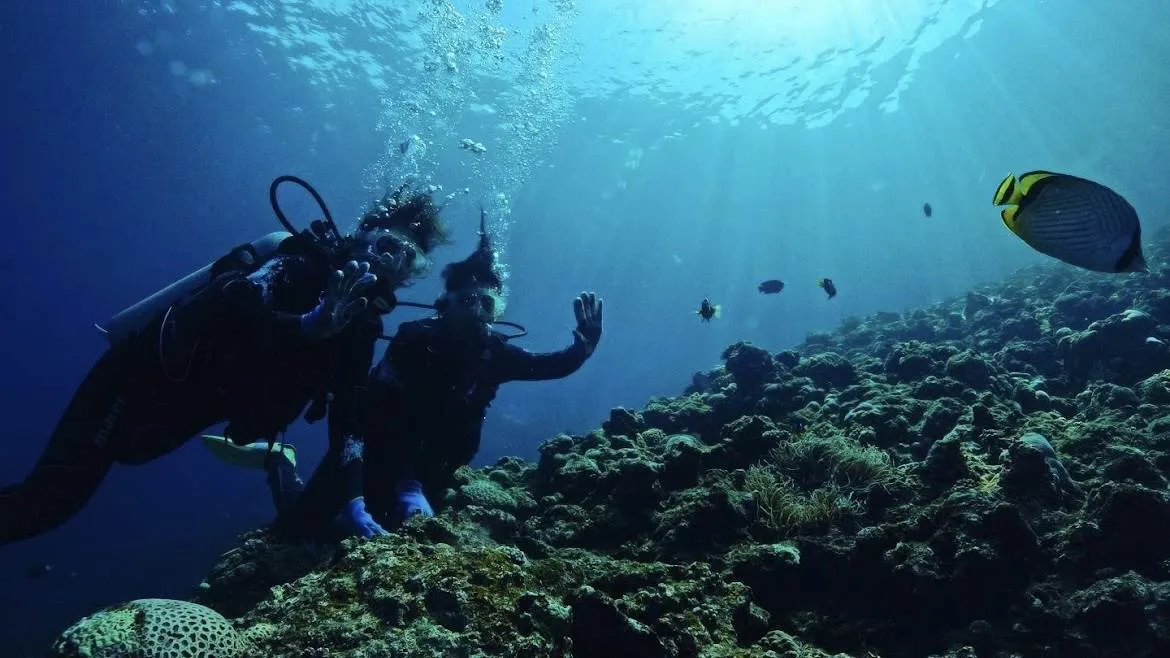
The Blue Cave is a particularly famous Okinawa snorkeling spot, drawing many people during the summer sightseeing season and becoming very lively inside.
Strong summer sunlight sends vivid blue light into the cave, creating magical scenery.
However, summer crowds make the cave particularly congested, sometimes making leisurely enjoyment of the blue light difficult. When snorkeling around the cave, others' movements can also slightly cloud the water, making its beautiful blue light somewhat harder to see.
Summer's warm air and water make snorkeling pleasant, but the number of visitors may prevent a peaceful atmosphere.
The winter Blue Cave, by contrast, has fewer visitors and lets you explore leisurely in a quiet, peaceful atmosphere.
Like other places on Okinawa's main island, air temperatures drop in winter, but seawater temperatures remain stable, maintaining suitable conditions for snorkeling.
Winter Okinawa also has clear air, letting sunlight enter the cave more clearly.
The blue light consequently looks more vivid, creating a mysterious atmosphere as if the entire cave were enveloped in blue light.
With less plankton in winter and clearer water than summer, another attraction is clearer views of blue light and underwater scenery inside the cave.
The lively summer Blue Cave is appealing, but the cave wrapped in winter's quietness and clarity offers a different character and a special experience.
21st Century Forest Beach: calm seas and improved clarity
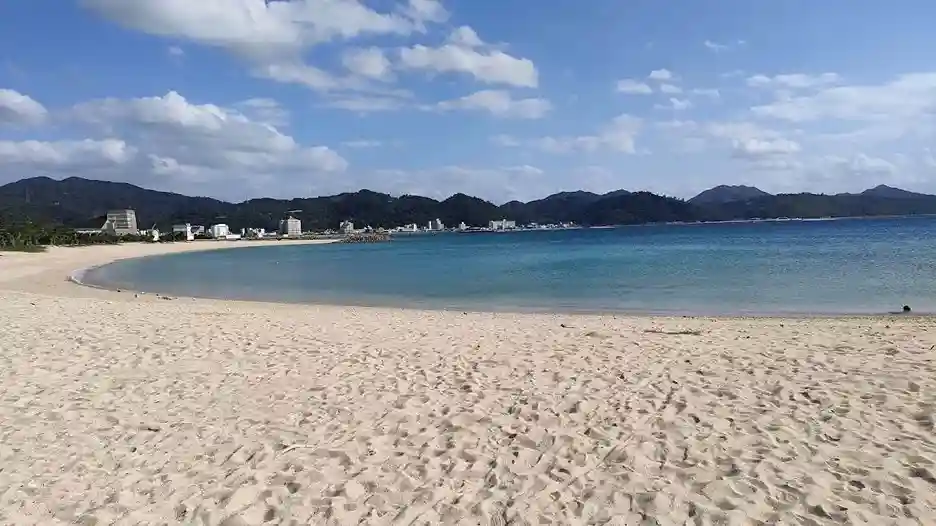
21st Century Forest Beach is in northern Okinawa's main island, appealing for calm waves and a relaxed atmosphere. In summer, many visitors come, and swimming with colorful fish feels like being in an aquarium, filling it with people enjoying snorkeling and swimming.
Many people also enjoy swimming under the summer sun, filling the entire beach with energy.
However, summer brings high temperatures and strong sunshine in Okinawa, requiring regular hydration and sun protection.
Winds also often increase in summer Okinawa, sometimes raising waves at 21st Century Forest Beach and making snorkeling somewhat more challenging for beginners.
Warmer seawater also increases plankton, sometimes slightly reducing clarity and making fish somewhat harder to see.
Winter 21st Century Forest Beach has fewer visitors than summer, allowing snorkeling in a peaceful environment.
Winter Okinawa is warmer than Japan's main island without severe cold, so seawater temperatures remain stable and fish swim energetically.
Less plankton in winter further increases water clarity, giving clearer views of underwater scenery.
Waves also often become even calmer than in summer, creating conditions where beginners can snorkel with peace of mind.
Fish are particularly clear even in shallow areas, allowing people lacking confidence in swimming to observe marine life with peace of mind.
Winter 21st Century Forest Beach offers swimming with colorful fish in a quiet atmosphere, recommended for a relaxing time.
Kume Island: winter makes coral reefs look even more beautiful
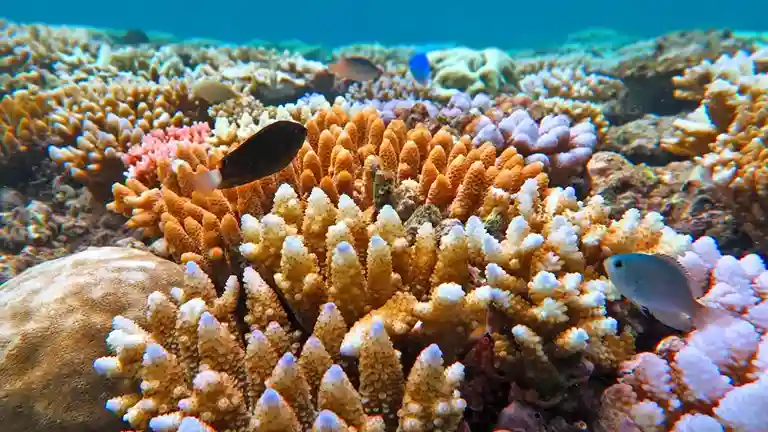
Kume Island lies a short distance from Okinawa's main island and is known as a snorkeling destination with various beaches and extensive beautiful coral reefs.
Summer Kume Island draws many visitors for clear seas, colorful coral reefs, and fish.
Summer Okinawa has warm air and water, making it a very comfortable snorkeling season.
Summer Kume Island often offers views of sea turtles and colorful fish swimming actively, particularly around coral reefs, with scenery like a marine paradise.
However, summer is sightseeing season, so beaches and popular snorkeling spots are often crowded, and you may feel there are too many people for leisurely swimming among fish and coral reefs.
Winter Kume Island is appealing for fewer visitors than summer and peaceful reef exploration.
Winter Okinawa maintains constant seawater temperatures, allowing snorkeling without feeling cold.
Winter seas in particular have greater clarity from reduced plankton, showing coral reefs and fish more clearly and allowing full appreciation of colorful reef scenery.
Winter often brings encounters with marine life characteristic of Okinawa, such as sea turtles and clownfish, allowing special experiences swimming with creatures among coral reefs.
Quiet winter Kume Island also offers the luxurious feeling of swimming at a private beach and a deep sense of unity with nature.
3. Okinawa sightseeing spots to visit in winter
Okinawa Churaumi Aquarium
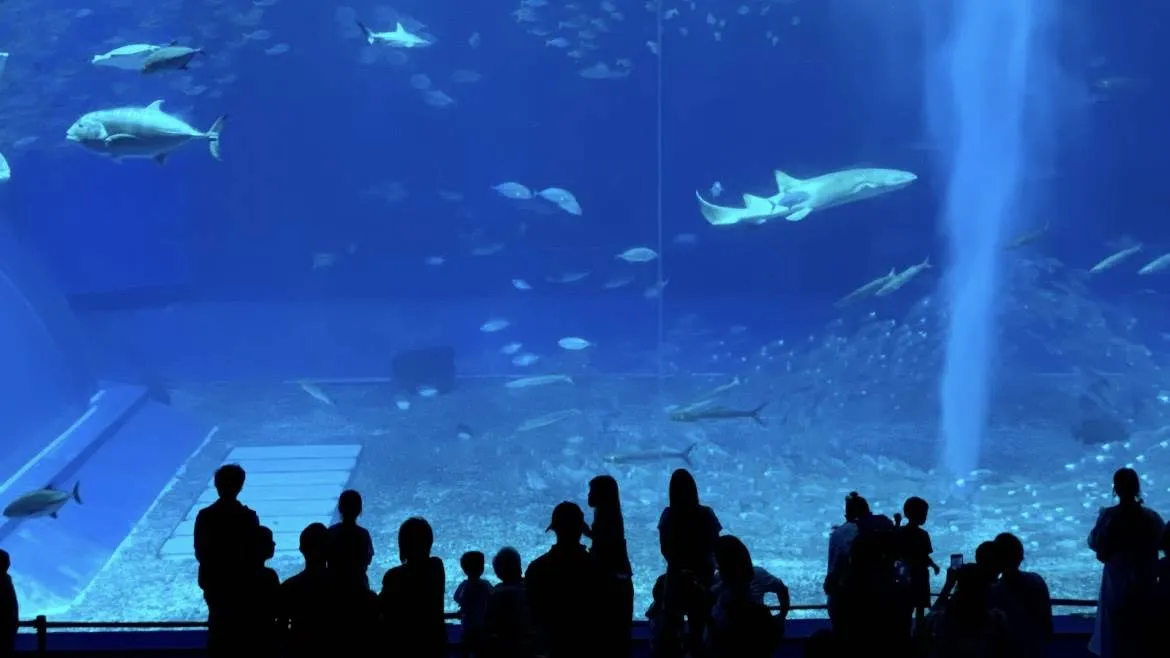
Churaumi Aquarium is a very popular aquarium in Okinawa.
It is particularly famous for whale sharks and manta rays swimming in a large tank, making you feel as if you were looking directly into the sea.
You can enjoy it indoors even on cold winter days, so it is recommended for poor weather too.
Churaumi Aquarium also displays many creatures inhabiting Okinawa's sea, allowing close observation of fish you can see while snorkeling or diving.
Visit to learn about Okinawa's marine world.
Website:https://churaumi.okinawa/sp/
Address:424 Ishikawa, Motobu Town, Kunigami District, Okinawa Prefecture 905-0206
TEL: 0980-48-3748
Admission
| Adults | 2,180 yen |
| Youths (high school students) | 1,440 yen |
| Children (elementary and junior high school students) | 710 yen |
| Under age 6 | Free |
Cherry blossom festivals
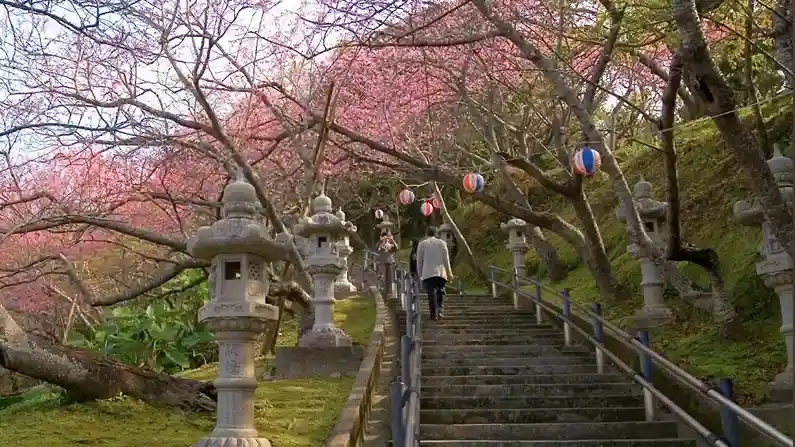
Photo: Nago Castle Park
Okinawa's cherry blossoms bloom earlier than elsewhere, so festivals take place from January to February (1–2). Mainland blossoms bloom from March to April (3–4), but Okinawa lets you enjoy beautiful pink blossoms in winter. Famous festivals at Nago Castle Park and Nakijin Castle Ruins draw many visitors. The contrast between pink blossoms and Okinawa's blue sky is very beautiful and perfect for photography.
Gyokusendo

Gyokusendo is a very large limestone cave in southern Okinawa's main island.
At approximately 5 kilometers long, it is one of Japan's longest limestone caves. Inside are beautiful stone columns formed over many years and sparkling pools, making you feel as if you entered another world.
The cave maintains a constant temperature even in winter, so you can explore without worrying about cold.
Gyokusendo is highly recommended as a place to experience nature's mysteries.
Website:https://www.gyokusendo.co.jp/okinawaworld/
Address:1336 Maekawa, Tamagusuku, Nanjo City, Okinawa Prefecture 901-0616
TEL: 098-949-7421
Admission
| Adults (ages 15 and over) | 2,000 yen |
| Children (ages 4–14) | 1,000 yen |
| Under age 4 | Free |
Nago Pineapple Park
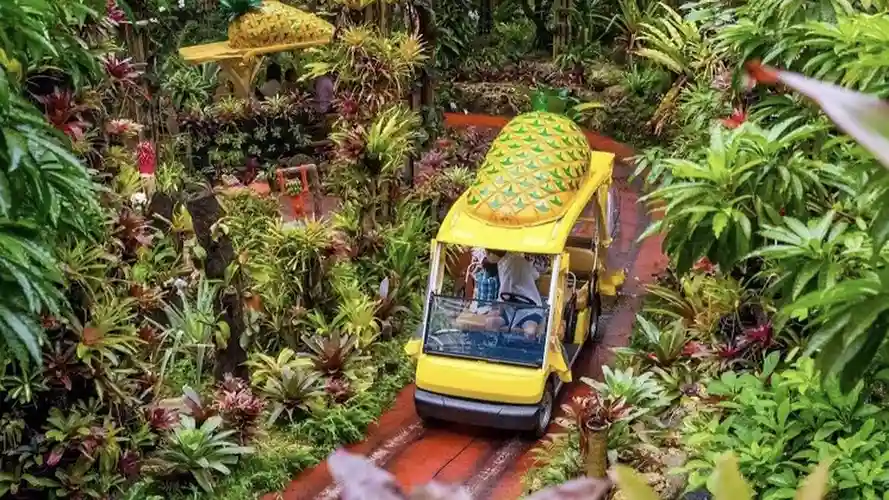
Nago Pineapple Park is a pineapple theme park in Nago City.
Its extensive pineapple fields let you learn about cultivation methods and varieties.
Warm even in winter, Okinawa grows pineapples vigorously, and you can enjoy pineapple sweets and juices inside the park.
There are also tours aboard self-driving carts, letting you enjoy exploring the pineapple world.
It is a perfect spot to visit with family or friends.
Website:https://www.nagopine.com/index.html
Address:Postal code 905-0005 1195 Biimata, Nago City, Okinawa Prefecture
TEL: 0980-53-3659
Admission
| Adults (ages 16 and over) | 1,200 yen |
| Children (ages 4–15) | 600 yen |
| Under age 4 | Free |
4. Recommended events during this period
Ryukyu Lantern Festival
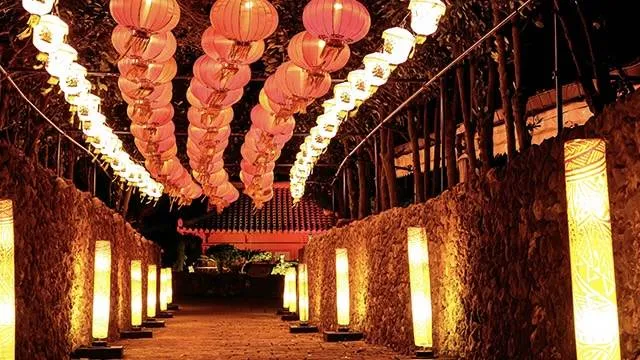
Source:Club Tourism
The Ryukyu Lantern Festival is an event held from winter through spring at Okinawa World in southern Okinawa.
Colorful lanterns decorate the venue, enveloping it in a magical atmosphere at night.
Lanterns illuminate traditional Okinawan buildings and gardens, offering scenery reminiscent of another country.
Local foods and souvenirs are sold too, making it perfect for nighttime sightseeing.
American Village illuminations
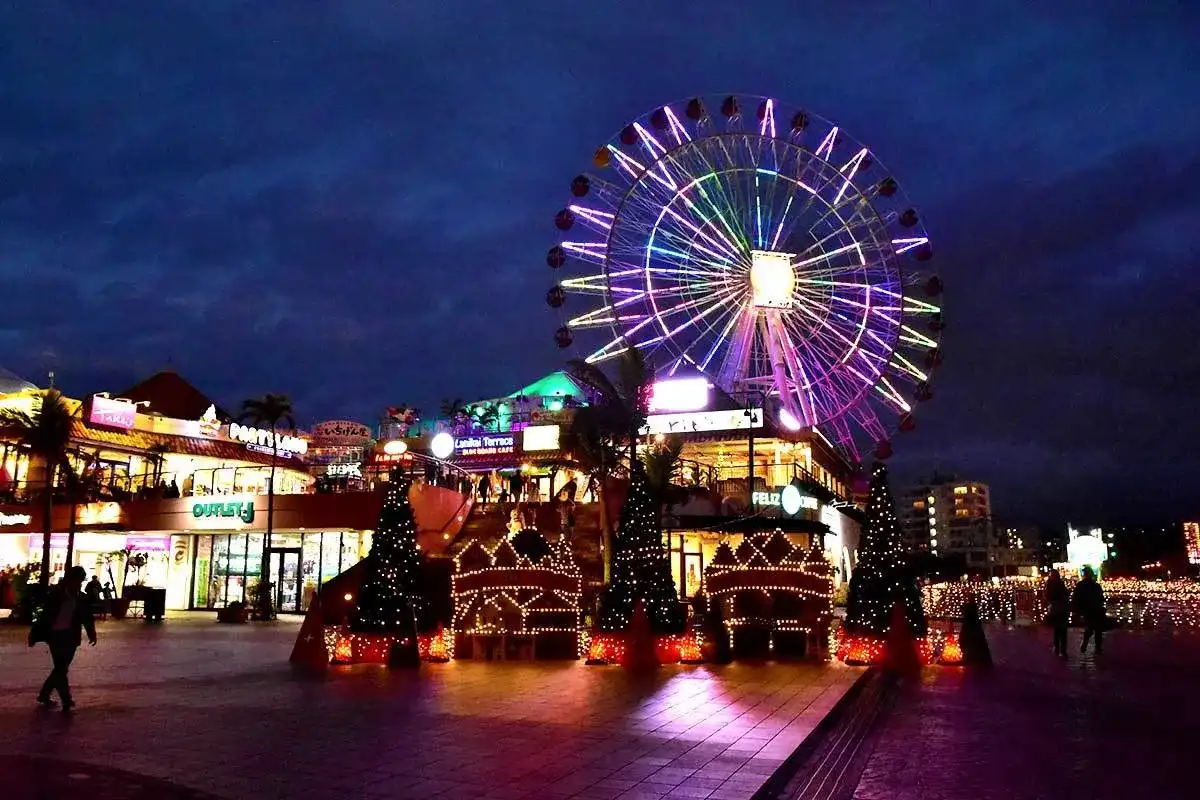
In winter, all of American Village is decorated with dazzling illuminations. Colorful lights illuminate buildings, trees, and plazas, inviting visitors into a magical atmosphere. The annual lighting ceremony is a particular highlight, with the moment lights switch on together creating a moving experience. Popular with many people, it is an event where you can visit with friends, family, or someone special and enjoy a special time. Do not miss American Village's splendid streetscape unique to this period.
HP:https://www.okinawa-americanvillage.com/
Ishigakijima Marathon

The Ishigakijima Marathon is a popular event enjoyed in a warm climate and magnificent nature.
The point-to-point course features deep greenery and emerald-green seas, letting you run while feeling sea breezes.
Aid stations provide local specialties such as brown sugar and salt alongside drinks and fruit, supporting runners with the island's bounty.
After finishing, enjoy delicious food from food trucks and stalls, and encounter local culture at a gathering featuring folk performing arts and live shows.
HP:https://www.ishigakijima-marathon.jp/feature/
New Year Celebration
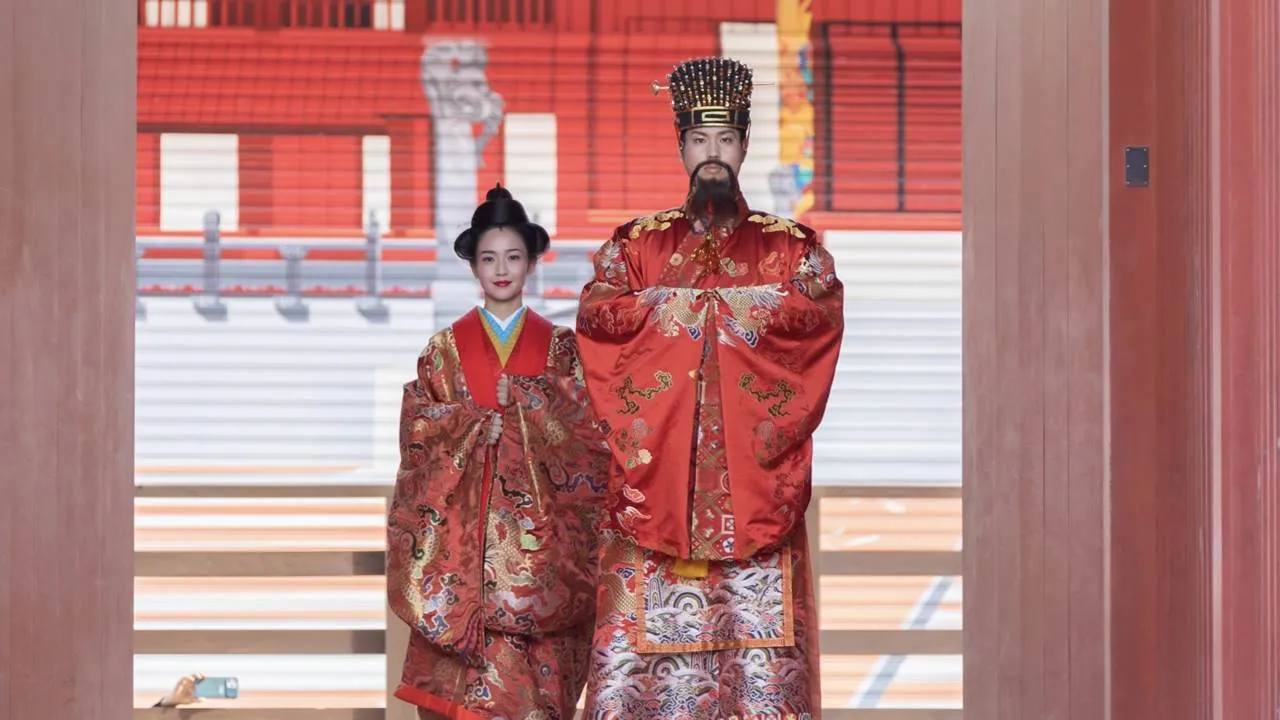
The New Year Celebration is held in Okinawa in January (1), offering a special opportunity to encounter traditional Okinawan culture and performing arts.
Traditional performances such as eisa and Ryukyuan dance showcase Okinawa's distinctive New Year culture.
Alongside lion dances and drumming, dishes using local ingredients are served, making it very popular with visitors. It offers a special experience celebrating the new year splendidly and a lively time alongside local people.
HP:https://oki-park.jp/shurijo/event/8509
5. 5 seasonal foods to enjoy in Okinawa in January (1)
1. Tankan
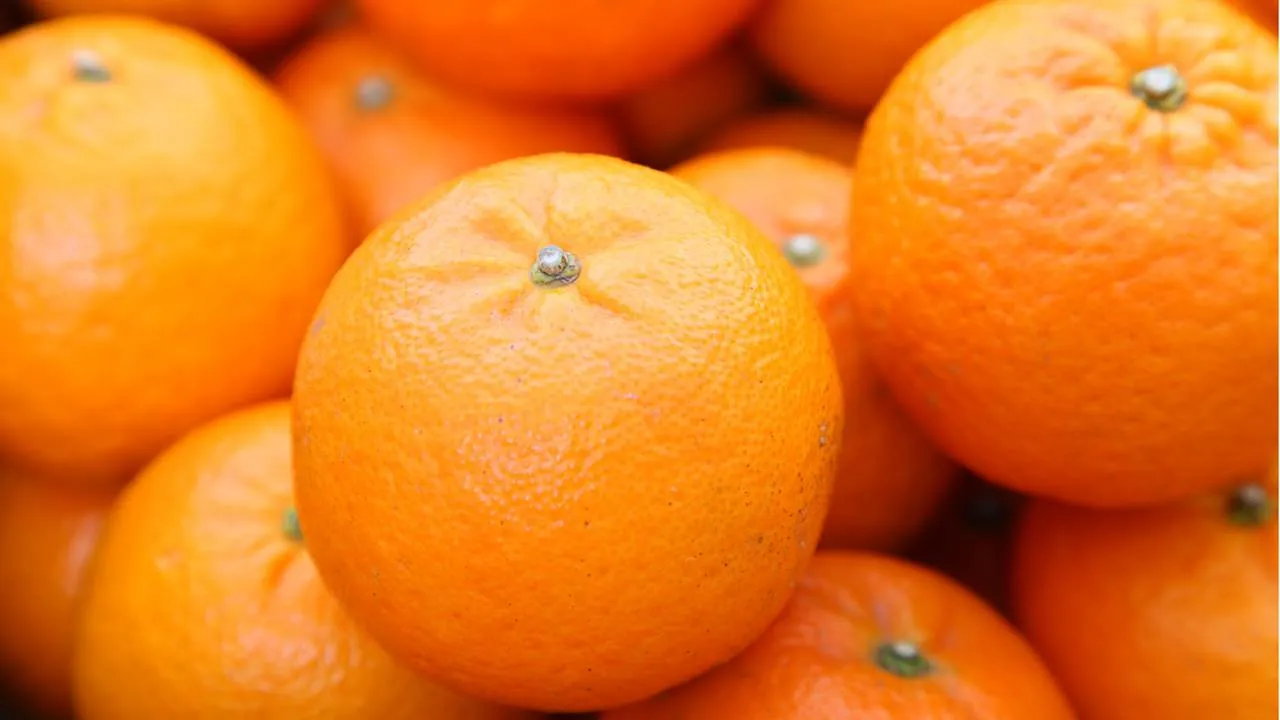
Tankan is a citrus fruit representative of Okinawan winter, coming into season from January (1).
It has rich sweetness and refreshing acidity resembling a cross between a satsuma mandarin and an orange, with slightly firmer flesh than mandarins.
Rich in vitamin C, it is also ideal for winter dryness and managing your physical condition.
Tasting it beneath Okinawa's blue skies makes its sweetness stand out more and lets you enjoy its fresh fragrance.
2. Mozuku
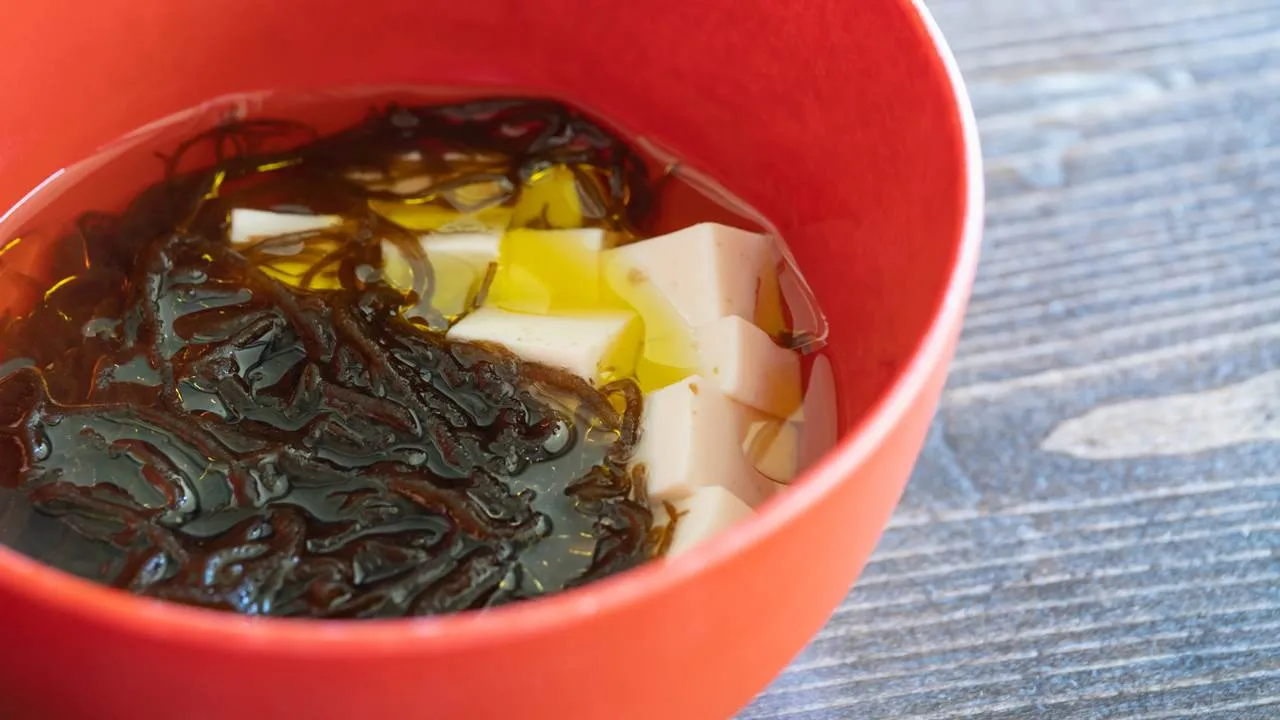
Mozuku is Okinawan seaweed whose harvest begins in January (1), a winter seasonal ingredient.
Its distinctive slipperiness and texture are often enjoyed in vinegared dishes, soups, and tempura.
Rich in minerals and dietary fiber, mozuku is gentle on the body and perfect for health-conscious people.
Locally, you can enjoy fresh mozuku, which is also cherished in home cooking.
Vinegared mozuku in particular is refreshing and easy to eat, popular as an Okinawan dish.
3. Agu pork
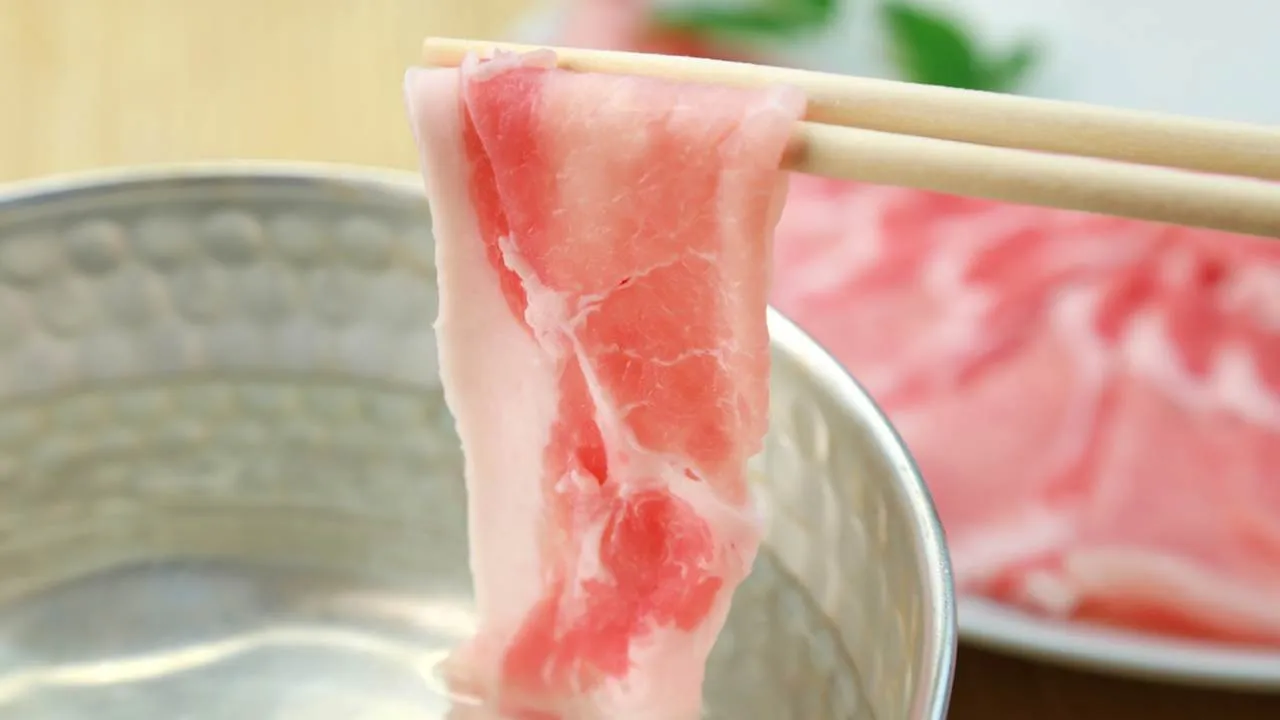
Agu pork is Okinawa's traditional branded pork and one meat dish that tastes particularly delicious during chilly January (1).
It is characterized by sweet fat and tender meat, enjoyed as shabu-shabu, steaks, and simmered dishes.
Shabu-shabu in particular brings out Agu pork's savory flavor with a refreshing taste.
It is also low-calorie and healthy, so it is recommended for health-conscious people.
Savor the rich flavor of Agu pork, which you can enjoy only in Okinawa.
4. Okinawa Soba
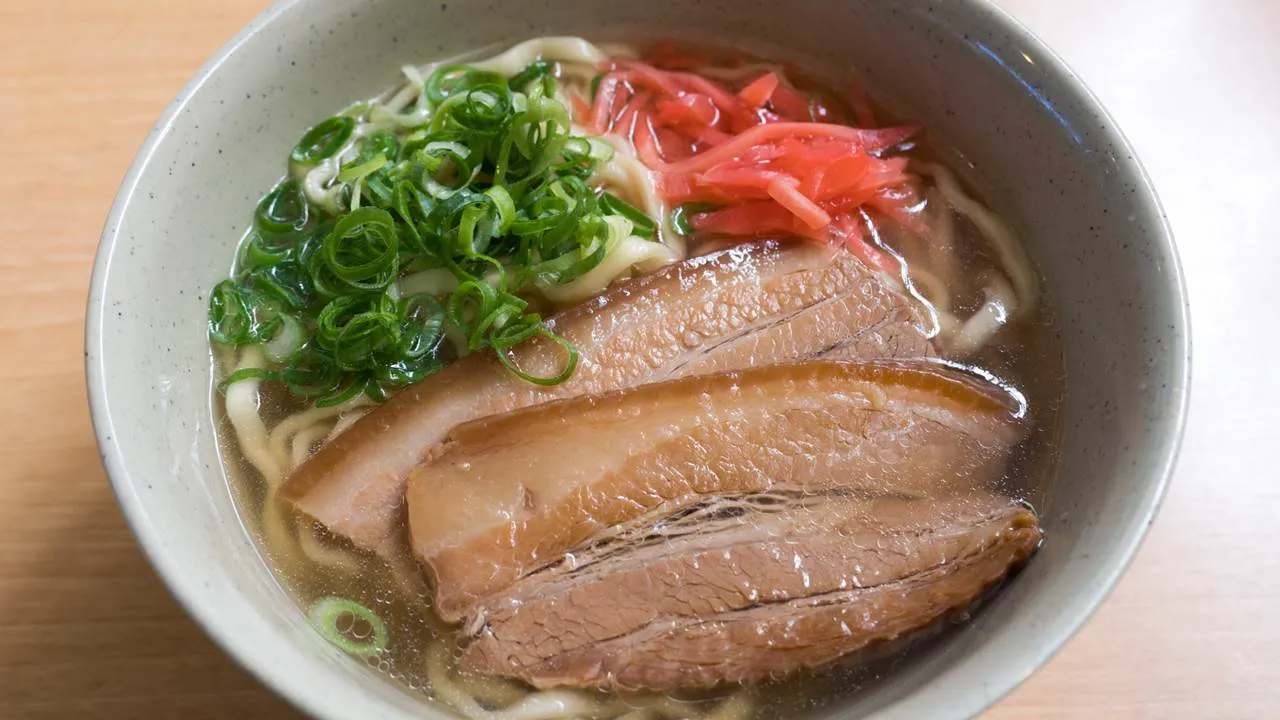
Okinawa soba is one of the local dishes you must try when visiting Okinawa.
This warm dish is perfect for winter in January (1), featuring a broth flavored with pork bones and bonito and distinctive thick noodles.
Okinawa soba is also beloved as a home-cooked dish in Okinawa, with toppings such as sanmainiku (braised pork belly), fish cake, and green onions.
Enjoy a bowl that warms you up in the cold winter while experiencing Okinawan culture.
5. Purple Sweet Potatoes
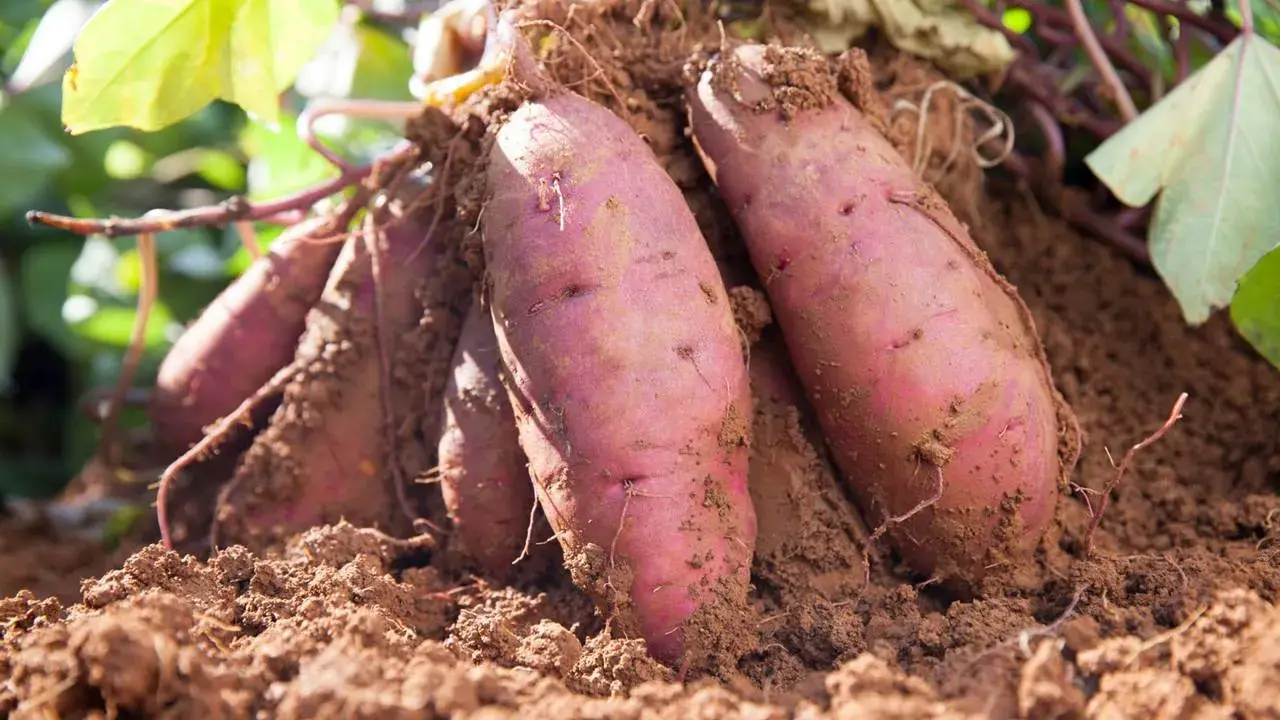
Purple sweet potatoes are an Okinawan specialty, a variety of sweet potato with a beautiful purple color.
They are also in season in January (1), offering a pronounced sweetness and a fluffy texture.
Purple sweet potatoes contain abundant vitamins and dietary fiber and are considered beneficial for health.
Many sweets and desserts use purple sweet potatoes, with purple sweet potato tarts and ice cream among the popular choices.
We also recommend enjoying them simply roasted, which brings out their natural sweetness.
6. Precautions for Snorkeling in Okinawa
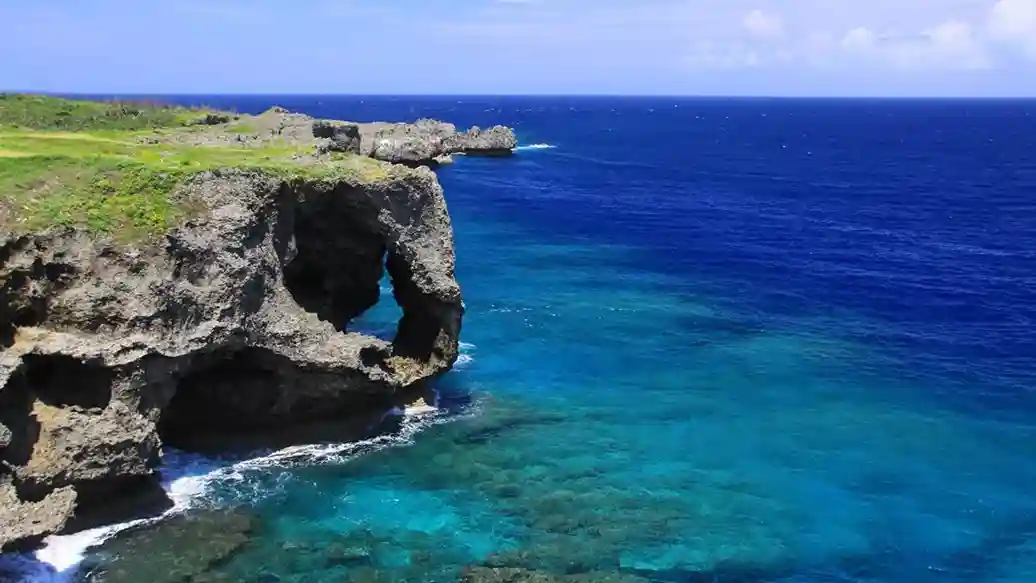
Clothing and Items to Bring for the Winter Sea
Suitable clothing and belongings are important for enjoying snorkeling in Okinawa's winter sea.
Okinawa's winters do not get as cold as those on mainland Japan, but the seawater temperature is somewhat low, so you need to prevent your body from getting chilled.
Preparation to keep out the cold is particularly important when snorkeling, which involves spending a long time in the water.
Wearing a wetsuit is generally recommended for winter snorkeling.
A wetsuit fits your body and helps retain body heat, easing the cold you feel in the water.
Choosing a somewhat thicker wetsuit made of material at least 3mm thick, instead of a thin one, provides greater insulation and keeps you comfortable. Bringing a rash guard and boots is also a good idea to prevent your feet from getting cold.
Especially when entering the water by walking over rocks from the beach, boots protect your feet and make slipping less likely, offering peace of mind.
A snorkel, fins, and mask are the basic equipment to bring, but a waterproof dry bag is also useful for the winter sea. Keeping valuables, a towel, and a change of clothes in a waterproof bag allows you to dry yourself immediately after snorkeling and change promptly to ward off the cold.
We also recommend bringing a warm drink so you can warm up after snorkeling.
Bringing sunscreen is another good idea.
Even in winter, Okinawa's sunshine is strong, and reflections from the sea can intensify ultraviolet rays. Taking sun protection measures helps protect your skin.
Remember to apply it to your face, neck, and the backs of your hands.
Managing your body temperature is the most important consideration for winter snorkeling. Gather suitable clothing and belongings and enjoy snorkeling fully prepared.
How to Check Sea Conditions
When snorkeling in Okinawa's winter sea, it is important to check sea conditions carefully.
Waves are relatively calm in winter, but the weather can change easily and conditions are susceptible to wind and waves. Knowing the state of the sea that day helps you enjoy it safely.
First, check the weather forecast before setting out.
Check Okinawa's weather on the Japan Meteorological Agency's website or app, including wind speed and wave height.
On days with strong winds or high waves, the sea may be rough and unsuitable for snorkeling.
It is also convenient to use sea-condition cameras or live cameras that let you check the sea in real time.
For major beaches in Okinawa, websites stream live footage online, allowing you to check the beach and wave height in real time.
Checking visually gives you a clear understanding of local conditions so you can plan with confidence.
Once you arrive, it is also important to look at the sea directly and assess it.
If the seawater is murky or the waves seem high, refraining from snorkeling is a wise choice for safety.
Some beaches have lifeguards, so asking them about sea conditions and confirming safe areas is another useful approach.
Especially during periods when wind has a strong effect, pay attention to wind direction and tidal currents and choose a suitable time for snorkeling.
Checking sea conditions makes a safe and enjoyable snorkeling experience possible.
Prepare thoroughly and enjoy Okinawa's sea while staying aware of changes in nature.
Safety Measures While Snorkeling
Snorkeling is an easy way to enjoy Okinawa's beautiful sea, but taking proper safety measures at sea is essential.
Especially in winter, water temperatures are low and sea conditions change easily. Following a few precautions helps you have a safe and comfortable snorkeling experience.
First, using a life jacket or swim ring is recommended for safety.
Winter seawater is cold and readily draws heat from your body. Using buoyancy equipment allows you to enjoy even lengthy snorkeling sessions without straining your body.
Beginners and people who are not confident swimmers in particular should always wear a life jacket to ensure safety.
Also, avoid going alone while snorkeling and always stay with someone else.
Although the winter sea is often quiet and calm, sudden waves or tidal currents can occur.
Going as a group is preferable so you can call for help immediately if a problem arises.
In particular, staying close to the beach while snorkeling, rather than swimming far away, is part of taking safety precautions.
It is also important to avoid overexerting yourself in the water and enjoy the activity with frequent breaks.
The winter sea readily draws away body heat, and long snorkeling sessions can strain your body. If you feel tired, return to shore immediately and take a break.
After getting out of the sea, dry yourself with a warm towel and change clothes promptly to avoid getting chilled.
Having a warm drink ready also helps prevent your body from getting cold.
Finally, it is important to pay attention to marine life and coral reefs while snorkeling.
Some creatures are dangerous to touch, and sharp parts of coral reefs can cause injuries. Observe from a distance without reaching out to touch them.
Standing on the seabed or touching coral can also damage the marine environment, so enjoy yourself with as much consideration for nature as possible.
By taking these safety measures properly, you can enjoy Okinawa's beautiful sea in January (1) with peace of mind.
7. Conclusion
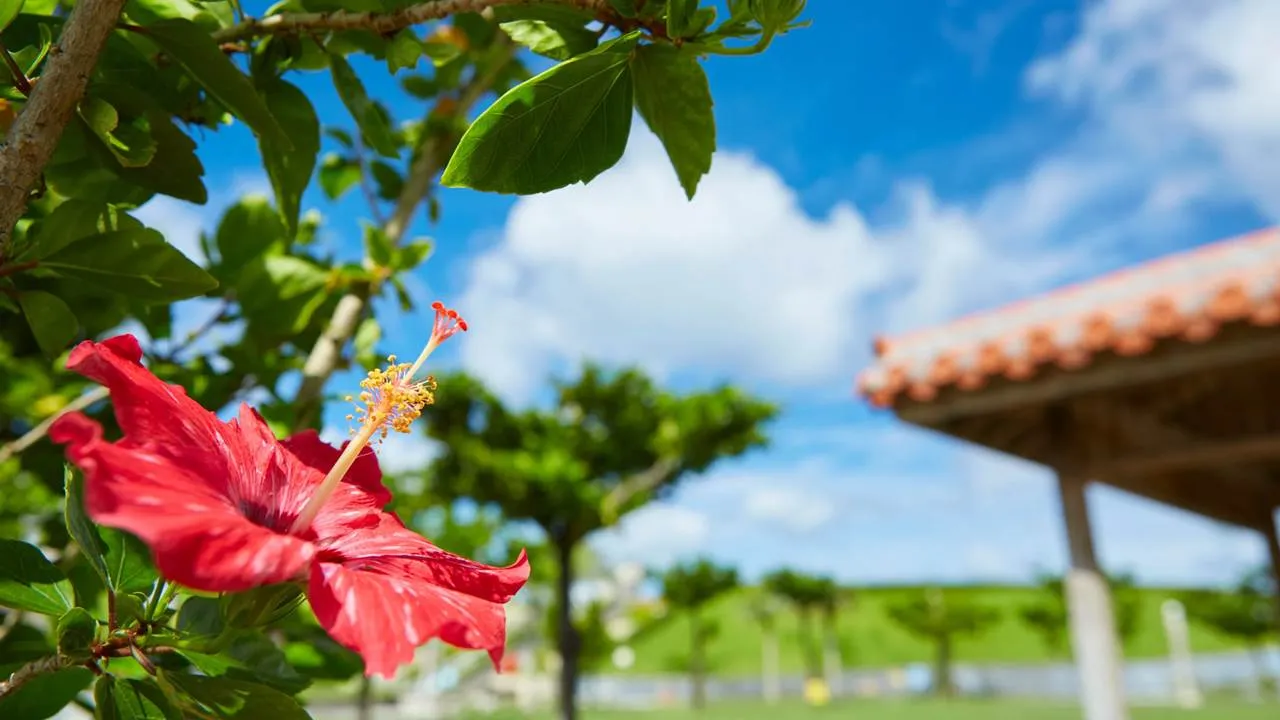
January (1) in Okinawa is an ideal season for snorkeling in clear waters and quiet surroundings.
In clear waters with little plankton, coral reefs and colorful fish look even more beautiful. With fewer tourists, you can quietly enjoy nature to the fullest.
Remember safety measures too, such as wearing a wetsuit to retain body heat and checking the weather and waves in advance.
January (1) also offers plenty of seasonal flavors and sightseeing unique to Okinawa.
Sweet tankan citrus, purple sweet potatoes, and warm Okinawa soba are in season, letting you savor Okinawa's flavors.
For sightseeing, you can also enjoy winter events such as cherry blossom festivals, where blossoms bloom earlier than elsewhere in Japan.