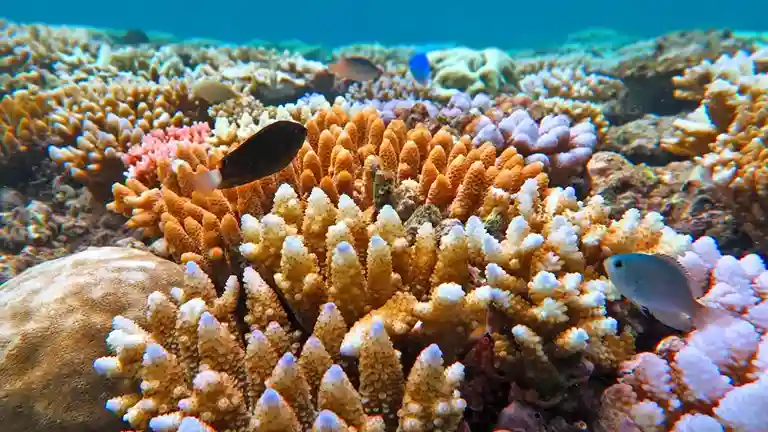
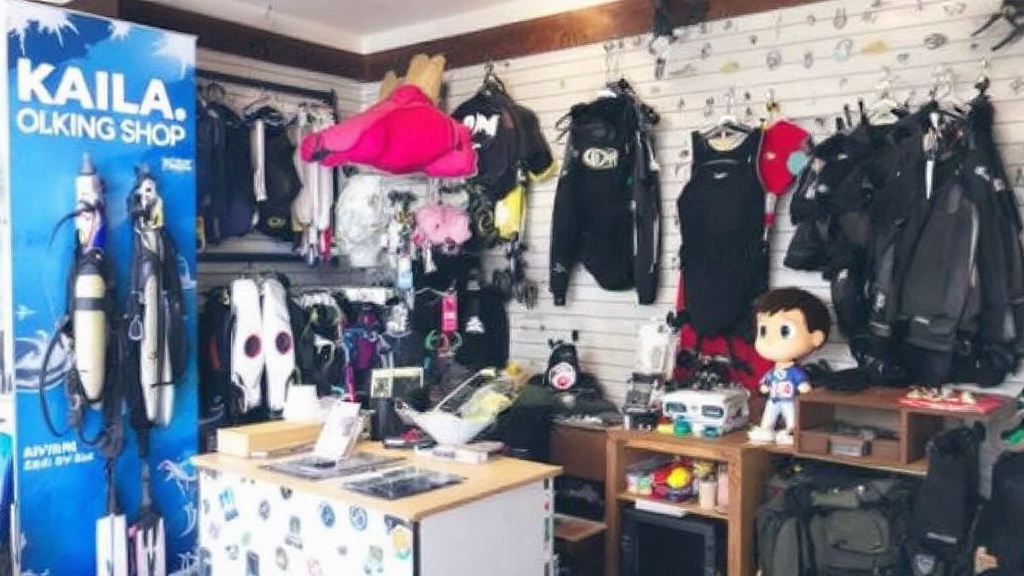
This article is written for anyone who hopes to open a diving shop in Okinawa.
It covers the latest trends in the diving industry, market research, legal procedures, required qualifications, fundraising, choosing a location, equipment investment, effective online and offline marketing, safety management, and staff training in detail.
It is also a complete manual that thoroughly explains every step needed to open a diving shop.
Whether you are entering the diving industry for the first time or are already running a business, it offers practical, concrete know-how and clarifies a business strategy that makes the most of the rich local sea and the unique appeal of Okinawa.
By reading this article, you will gain a solid understanding of operating tips backed by success stories and key points of risk management, along with the confidence and reliable methods you need for stable management over the long term.
What this article covers
We introduce the minimum useful information for anyone aiming to open a diving shop.
Our group company also operates a diving shop used by more than 20,000 customers a year, so if you want to become independent in the diving industry in the future, you can also gain experience with us.
Contact us here ↓
Purpose of this article

This article is intended for everyone who dreams of opening a diving shop in Okinawa, and aims to provide a practical startup guide that makes the most of Okinawa's blessed ocean and tourism resources.
Covering a wide range of information, from the latest industry trends and specific procedures to management strategy, it supports those considering opening a shop in making a realistic plan and taking the first step into business with confidence.
The current state of the diving industry in Okinawa
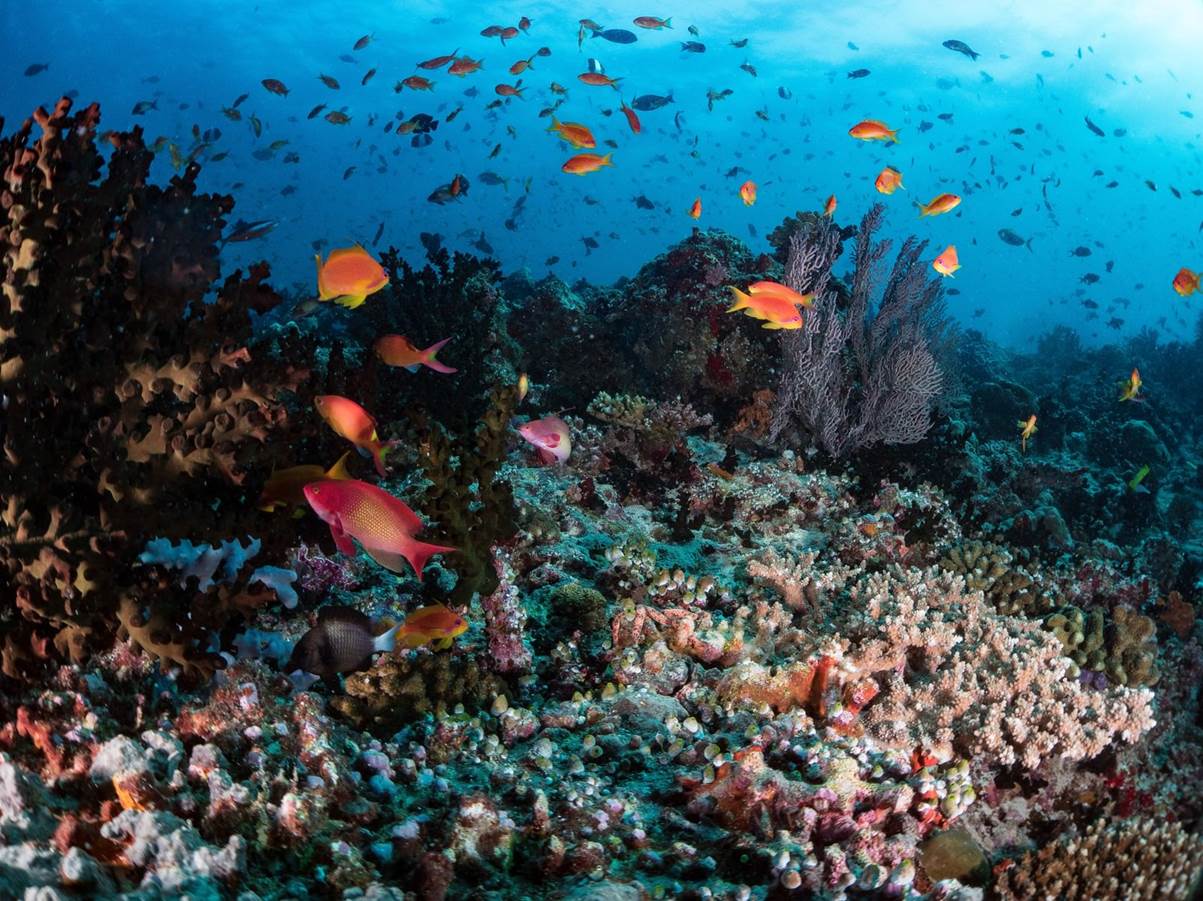
Okinawa is world-famous for its beautiful ocean and rich marine life, and is highly regarded by diving enthusiasts and tourists alike.
In fact, Okinawa's marine sports market is expanding rapidly alongside regional revitalization measures, which makes it a major business opportunity for diving shops as well.
So even as the population keeps shrinking, I think this is an industry that still has plenty of potential.
There is also talk of AI taking away jobs, but I believe the work of a diving instructor will never disappear.
For tourism information and market data, it is recommended to consult reliable sources such as the official website of the Okinawa Convention and Visitors Bureau.
Benefits of opening a diving shop

By making the most of Okinawa's regional characteristics, opening a diving shop offers many attractive benefits.
First, the drawing power of one of the world's best ocean locations means you can expect a stable customer base.
In addition, by providing services rooted in the community, you can win repeat customers and boost the promotional effect of word of mouth.
Furthermore, running a diving shop is a big benefit because it lets you achieve both self-fulfillment and social contribution.
For example, business models that go beyond simply pursuing profit, such as taking part in environmental conservation activities and partnering with local events, and that contribute to the development of the whole community are highly valued.
Drawbacks of opening a diving shop
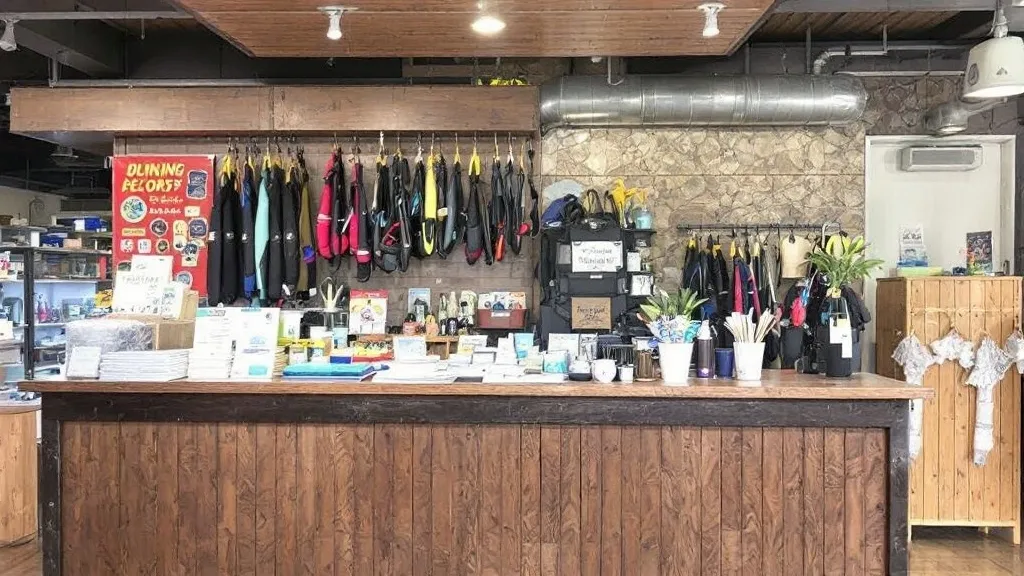
On the other hand, there are also challenges to watch out for when opening a diving shop.
The size of the initial investment and unstable customer numbers due to seasonal fluctuations call for careful planning and a fundraising strategy before you start the business.
In addition, there are many kinds of operational hurdles, such as thorough safety management, compliance with laws and regulations, and staff training.
To clear these hurdles adequately, detailed market research and a concrete business plan are essential.
Competition within the industry is also intensifying, so differentiating yourself from other shops and establishing your own identity are the keys to success.
| Item | Benefits | Drawbacks |
|---|---|---|
| Profitability | You can expect stable revenue supported by tourism demand in Okinawa | Initial investment and operating costs can be high |
| Brand building | Community-based management lets you build a unique brand and trust | It is hard to differentiate from other shops, and competition is fierce |
| Social significance | It has value as a business that contributes to environmental conservation and regional development | Safety management and compliance with legal regulations take effort |
Market research for a diving shop in Okinawa

With its beautiful ocean and abundant undersea resources, Okinawa attracts a great deal of attention from divers in Japan and abroad.
When considering opening a diving shop, accurately understanding local market trends is a key to the success of your business.
In this chapter, we look at the current state of Okinawa's diving market and analyze target customers and the competitive landscape to explore specific business opportunities in the area.
The current state of Okinawa's diving market
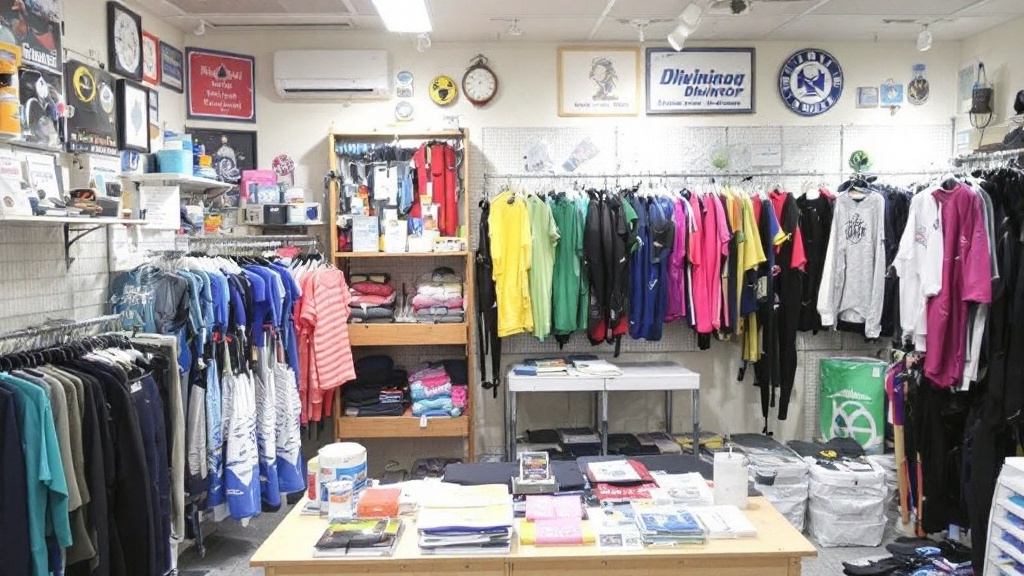
Okinawa has many of Japan's leading diving spots, and many divers visit throughout the year.
The rich natural environment and highly transparent water are supported by a wide range of people, from those trying diving for the first time to advanced divers.
In addition, the government and local authorities are actively promoting marine leisure as a tourism resource, so the diving industry continues to grow steadily.
The table below summarizes some indicators of the diving market in Okinawa.
| Item | Figure / Rating |
|---|---|
| Annual number of divers | Approx. 500,000 to 800,000 |
| Number of popular spots | 20 or more locations |
| Market growth rate | 3 to 5% annual growth |
These figures are based on Okinawa Story and statistical information from the Okinawa Prefectural Government. It is important to keep an eye on changes in the market environment and future trends while developing an appropriate strategy.
Analysis of target customers and the competitive landscape

When opening a diving shop in Okinawa, it is essential to first define your target customer segments.
The main targets are the following groups:
- Domestic travelers trying diving for the first time
- Experienced divers who enjoy diving regularly
- Beginners joining as families or tourist groups
- Repeat visitors and new visitors from overseas
In addition, there are already several diving shops in the area, and fierce competition is under way over the quality of facilities, the expertise of staff, and the variety of programs offered.
Therefore, differentiation from competitors and originality are required.
The table below organizes the main elements of target customers and the competitive landscape.
| Item | Details |
|---|---|
| Target segments | Divers from Japan and abroad in their 20s to 50s, from beginners to advanced, and families |
| Number of competing shops | Many exist around major tourist areas (see the statistics of each municipality or tourism association for details) |
| Service differentiation points | Operations with thorough safety management, original diving courses, and the introduction of the latest equipment |
| Competitive countermeasures | Not just price competition, but improving customer satisfaction and raising brand value through high-quality service |
In this analysis, it is a good idea to refer not only to existing statistical data and market reports but also to real local word of mouth and user reviews.
For example, tourism data provided by the Japan National Tourism Organization and Okinawa tourism information are useful sources for understanding the trends of target customers and the competitive situation.
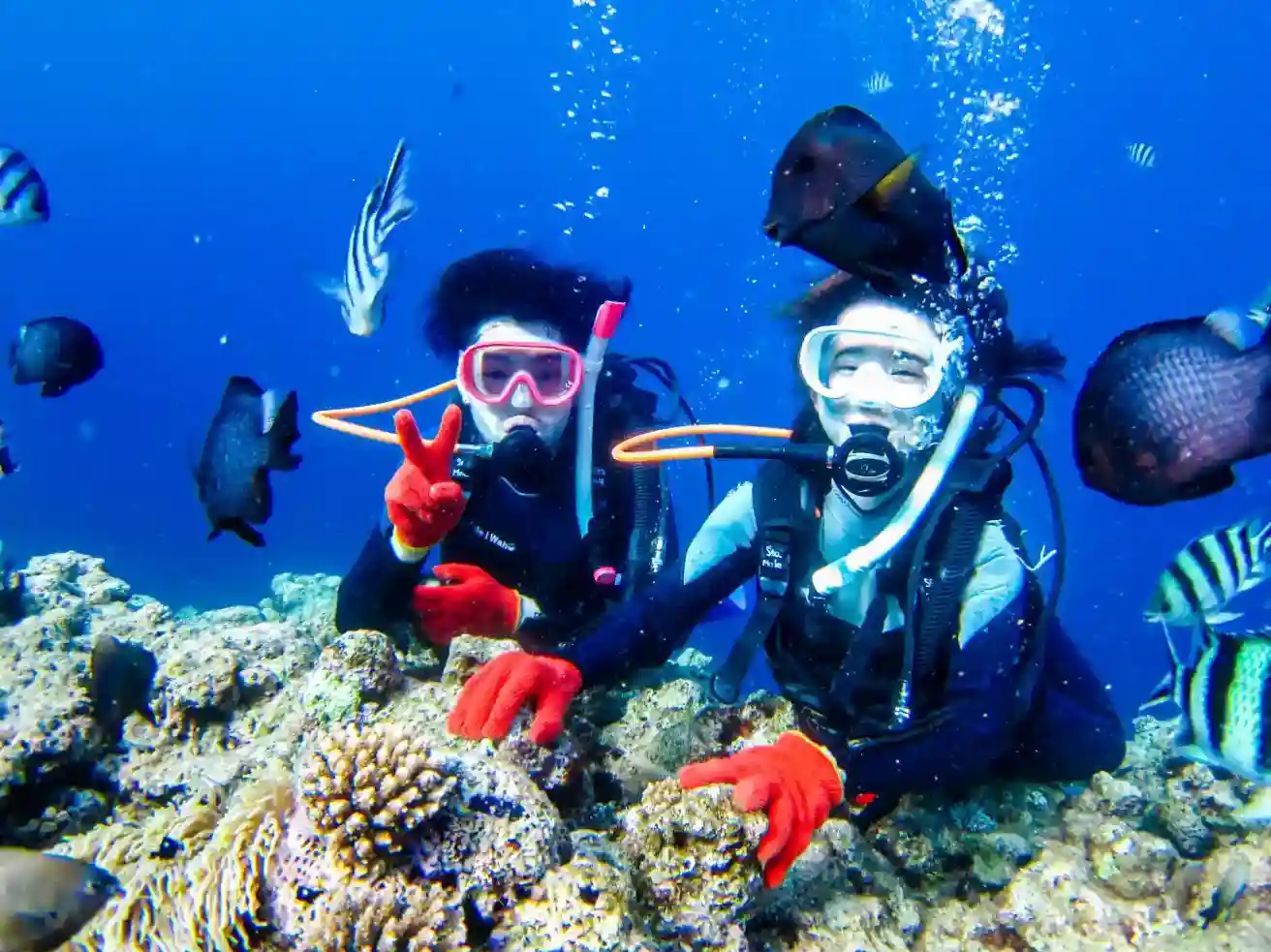
Based on the market research above, when opening a diving shop in Okinawa, a differentiation strategy that fits the characteristics of the area and customer needs is the key to success.
By accurately understanding the competitive environment and offering appealing services, you can expect stable customer numbers and business growth.
Required qualifications and legal procedures

Diving instructor qualifications and certification
When running a diving shop, a diving instructor qualification is extremely important for providing safe instruction and service.
To pursue a qualification, you are expected to obtain a certification issued by a reputable organization.
Representative organizations with an international track record include PADI, STARS, and SSI, but within Japan, certifications from the Japan Scuba Diving Association are also drawing attention.
In addition, obtaining a diving instructor qualification requires a certain amount of practical experience and training, as well as passing practical and written exams.
Earning a qualification increases your shop's credibility and enables you to offer customers safe, high-quality instruction.
| Qualification | Overview | Requirements and features |
|---|---|---|
| Divemaster | A level at which you have mastered skills from the basics to practical application and can assist instructors. | A certain number of logged dives, basic safety management ability, and passing a practical exam |
| Instructor | A qualification for those with advanced teaching ability and specialized knowledge who conduct diving courses. | Divemaster certification, extensive diving experience, and passing written and practical exams |
| Domestic certification | A certification from a diving instructor training course operated within Japan. | Completing the curriculum of a domestic organization such as the Japan Scuba Diving Association |
To obtain these qualifications, it is essential to gather enough information in advance about the schedules and fees of the courses, training sessions, and exams run by each organization.
For details, please refer to each organization's official website and the opinions of senior instructors who have actually gone through the certification process.
For example, the official PADI and SSI websites provide the latest information.
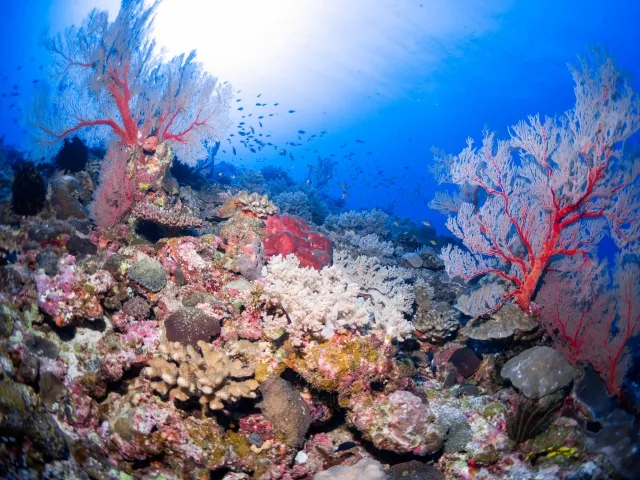
Obtaining permits and completing registration
To open a diving shop, obtaining permits and licenses and completing various registration procedures are required in order to operate the business legally.
Because detailed requirements differ by region, it is important to receive guidance from the government offices and related organizations of Okinawa Prefecture, where you plan to open.
Specifically, the procedures include the following.
| Procedure | Details | Authority / reference organization |
|---|---|---|
| Business registration | Company incorporation registration and secondhand dealer license registration required to run a shop (if you handle diving equipment) | Ministry of Justice |
| Business license application | Applications for the various business approvals needed to operate as a shop | Okinawa Prefectural Government |
| Submission of a safety management plan | Drawing up and submitting safety measures and an emergency response plan for the diving business | Ministry of Land, Infrastructure, Transport and Tourism |
| Environmental conservation application | Permits required from the standpoint of marine environmental conservation, such as procedures related to the use of the sea | Ministry of the Environment |
For the detailed flow of each procedure, the required documents, and where to submit them, you need to check the latest guidelines of each government agency.
In particular, if your shop will be in Okinawa, there are local ordinances and requirements specific to the region, so we recommend consulting the local chamber of commerce and industry or a government service desk in advance.
Also, when multiple permits are required, it is common to get help from a professional administrative scrivener or a consultant to prevent errors in application documents and late submissions.
This should allow you to complete the opening procedures quickly and reliably.
For more details, please also refer to official information from organizations such as the Japan Federation of Certified Administrative Procedures Legal Specialists Associations.
Business plan and fundraising strategy

When opening a diving shop, a thorough business plan is the foundation of success.
This chapter explains in detail how to create a business plan and effective strategies for raising startup funds.
In each process, you need to carefully weigh risk against return while keeping current market conditions and future growth in view.
How to create a business plan

First of all, a solid business plan is indispensable to the success of a diving shop.
In the business plan, clarify each of the following items and set numerical targets and a schedule.
This allows you to give a persuasive presentation to investors and financial institutions and improves your credibility when raising funds.
| Item | Description |
|---|---|
| Market analysis | Research and analysis of the size and growth potential of the diving market in the Okinawa area, target segments, and the competitive landscape |
| Management strategy | Developing services that play to the shop's strengths, points of differentiation, and a long-term vision |
| Operations plan | Daily operating structure, staff hiring and training, facility management, and operational risk management measures |
| Financial plan | Initial investment, working capital, sales forecast, break-even point analysis, and income and expenditure plan |
| Marketing strategy | Online and offline customer acquisition methods, promotion plans, and specific ways to use SEO and social media |
Also, be sure to research the various guidelines and support measures offered by the government and public agencies.
For example, by referring to the small and medium business support measures published by the Small and Medium Enterprise Agency and the statistical data of the Ministry of Economy, Trade and Industry, you can build a more realistic plan.
Raising funds and choosing a loan
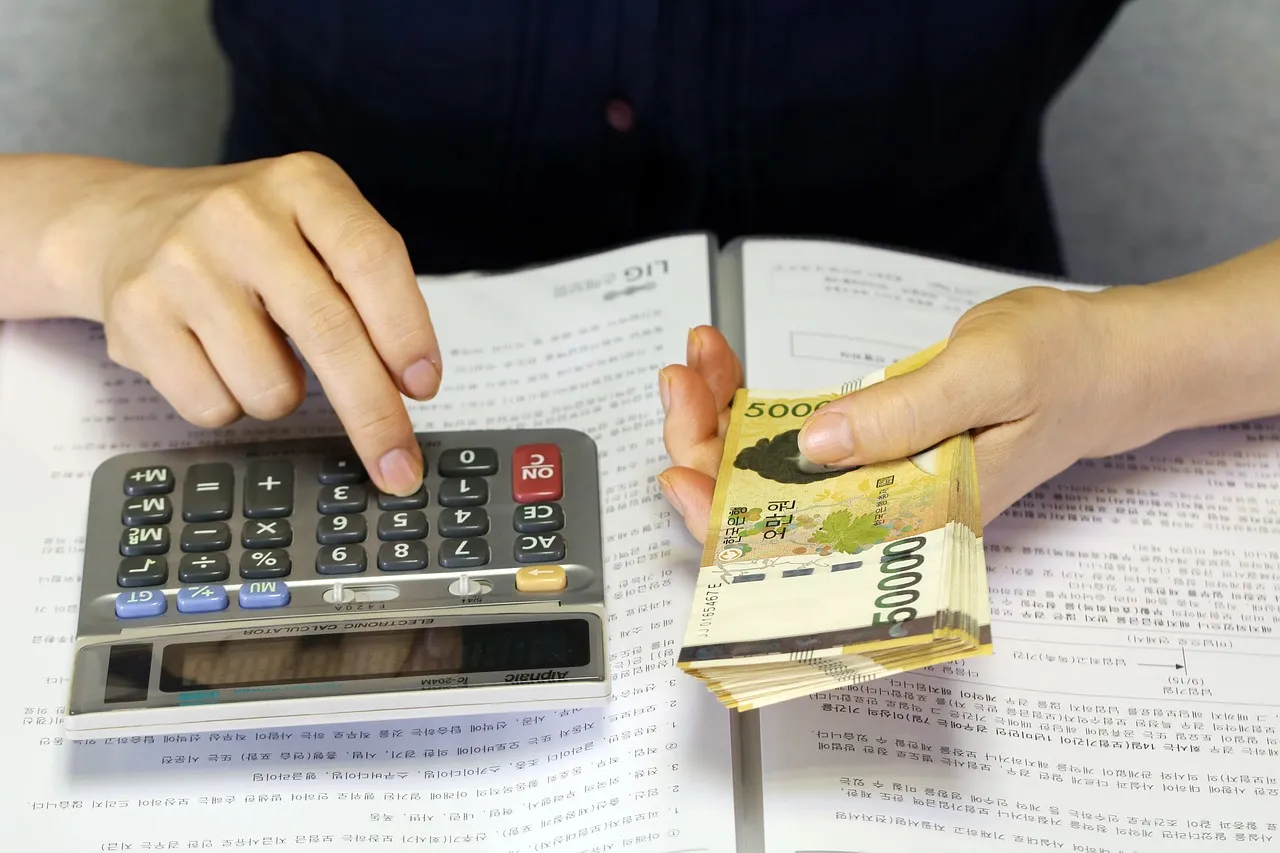
Opening a diving shop requires a large amount of money as initial investment.
Besides putting in your own funds, funding options include bank loans, borrowing from public financial institutions, crowdfunding, and funding from private investors.
Each method has pros and cons, so it is important to choose a funding method suited to your business and management plan.
| Funding method | Features and points to note |
|---|---|
| Personal funds | No obligation to repay and a high degree of management freedom, but the amount you can put in is limited |
| Bank loan | Interest rates and repayment periods are clearly set. Creditworthiness is important, so a business plan is required. Major banks include Mizuho Bank and MUFG Bank. |
| Japan Finance Corporation | Known for low-interest loans for small and medium enterprises. Screening for the business is flexible. For details, see the official website of the Japan Finance Corporation. |
| Crowdfunding | Besides raising funds, you can also expect to build relationships with customers in advance and gain a marketing effect, but the content and appeal of the project are important |
When raising funds, you are expected to thoroughly simulate the repayment plan and risk management for each option and verify the sustainability of the business.
Also, when negotiating with financial institutions, presenting specific numerical targets based on your business plan is the key to success.
Furthermore, even after the business starts, regularly reviewing your financial situation, improving cash flow, and considering the timing of additional investment, in other words always maintaining a system of flexible financial management, is extremely important for long-term business operation.
Key points for choosing a location and equipment investment
How to choose a shop location
For a diving shop to succeed, the best location is extremely important.
Choosing a place where customers can easily get to the ocean, or an area with tourist attractions and accommodations nearby, increases your drawing power. Transportation convenience and securing parking are also points to consider.
In addition, you need to decide on a location while taking into account the local diving season, local tourism demand, and environmental conservation.
This can be expected to improve customer acquisition in running the shop. For detailed market information, please also refer to information from the Japan National Tourism Organization.
| Evaluation item | Details | Benefits |
|---|---|---|
| Proximity to the ocean | A location close to the ocean makes it easy to get to the diving experience. | Customers can enjoy the ocean in a short time, and you can expect to win repeat customers. |
| Transportation access | Choose an area with good access from major roads and public transportation. | You can expect to draw customers from urban areas and tourist spots. |
| Surrounding environment | A location where you can expect synergy with tourist facilities, accommodations, restaurants, and more. | It raises the appeal of the whole area and contributes to the shop's branding. |
In this way, when choosing a location, it is important to comprehensively consider the local environment and your future customer acquisition strategy.
Diving equipment and facilities you need to prepare
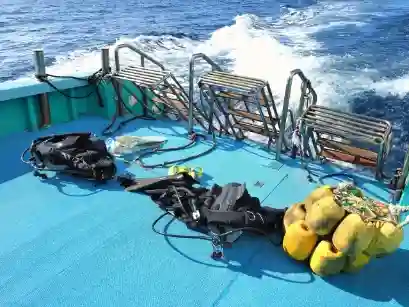
For equipment investment, preparing the various pieces of diving equipment and facilities is essential.
To establish a strong safety management system and an environment where customers can feel at ease, introducing the latest equipment and performing regular maintenance are important.
Specifically, we recommend preparing the following equipment and facilities.
| Equipment / facility | Description | Reference information |
|---|---|---|
| Diving tanks | Essential equipment as a source of high-pressure air. Regular inspection and replacement are required. | See the safety standards of the Japan Diving Association |
| Regulator sets | Devices that assist breathing underwater. We recommend choosing products from reliable manufacturers. | Refer to the Japan Diving Association's list of recommended products |
| Wetsuits and drysuits | Prepare suitable gear for the water temperature, paying attention to size and fit as well. | Also refer to information from diving gear manufacturers |
| Safety inspection facilities | A dedicated space for inspecting and servicing equipment. Well-developed infrastructure improves reliability. | See the facility management guidelines of the Ministry of Land, Infrastructure, Transport and Tourism |
| In-shop service facilities | Facilities where customers can spend time comfortably, such as a reception counter, waiting area, and locker room. | Design the facilities with collaboration with local tourist facilities in mind. |
When introducing this equipment and these facilities, not only the initial cost but also a long-term maintenance plan is an important point.
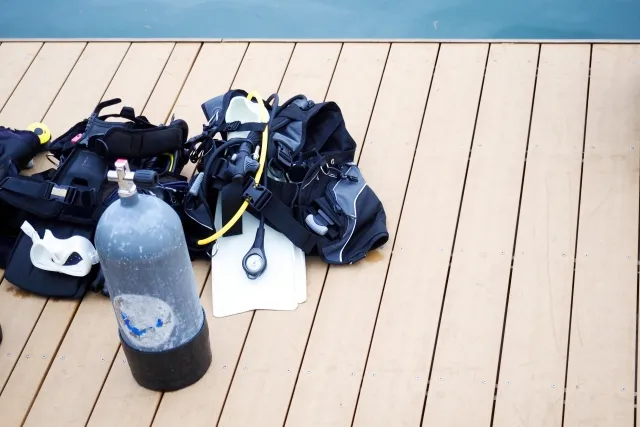
To balance optimizing operating costs with ensuring safety, you need to choose reliable manufacturers and contractors and manage a regular inspection schedule.
It is also important to gather information on the latest technologies and equipment by attending industry trade shows and seminars.
Such efforts lead to differentiation from competitors and also contribute to higher customer satisfaction.
Effective customer acquisition and marketing strategy
What is essential to the success of a diving shop is accurate customer acquisition and a sound marketing strategy.
By combining a wide range of approaches, from online to community-based initiatives, you can reach potential customers and build a highly trusted brand image.
Online customer acquisition and how to use social media

With the spread of the internet, online customer acquisition has become an indispensable measure for diving shops.
By optimizing your own website and using social media platforms, you can effectively reach people nationwide and, in particular, tourists and local diving enthusiasts.
Also, by making use of word of mouth and user-generated content on social media, you can communicate the shop's appeal and track record widely.
SEO for Google and Yahoo!
SEO plays an extremely important role in attracting customers through organic search.
For major search engines such as Google and Yahoo!, you need to build your site with the following points in mind.
| Measure | Google SEO | Yahoo! SEO |
|---|---|---|
| Content quality | High-quality content that matches users' search intent is required | Reliable and original information is valued |
| Internal link structure | Place links within the site appropriately to improve usability | Make the relationships between pieces of content clear to raise the evaluation of the whole site |
| Mobile optimization | Implement responsive design for smartphone users | Mobile-friendly design is essential to provide a comfortable browsing environment |
| Page loading speed | Fast loading is directly tied to SEO evaluation, so optimized code is needed | Higher user satisfaction improves organic search rankings |
Furthermore, the latest SEO guidelines call for regular updates and improvements, using reliable sources such as the Google SEO Starter Guide as a reference.
Search listing ads
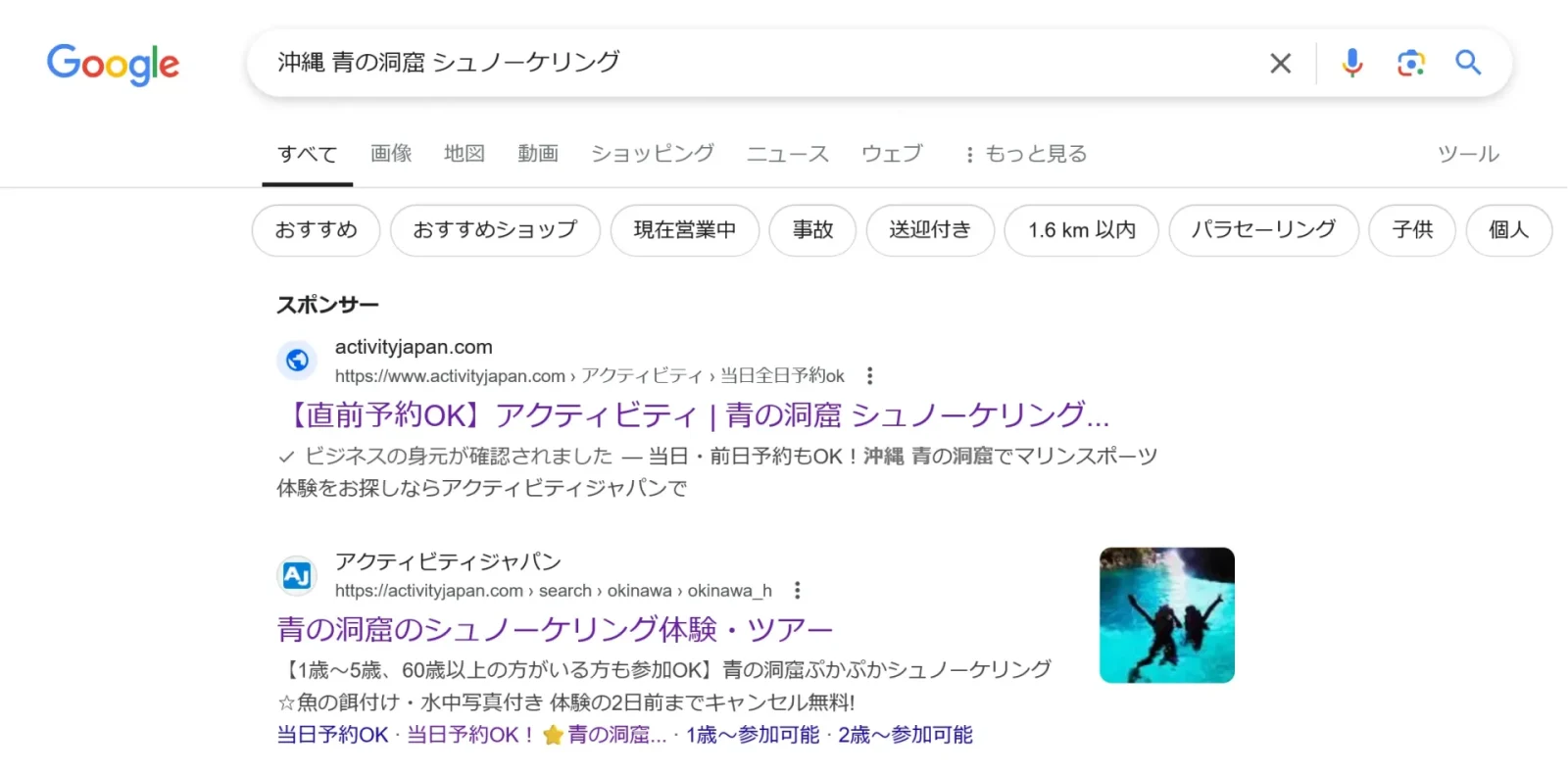
Search listing ads are drawing attention as a way to attract customers quickly.
In particular, using search-linked ads aimed at travelers and local divers, who are the target segments of diving shops, can bring a strong customer acquisition effect.
Choosing effective keywords and optimizing ad copy are the keys to success, and we recommend referring to the official guidelines for Google Ads and Yahoo! Promotional Ads.
Examples of effective keywords: Okinawa diving Okinawa diving shop
MEO

MEO (Map Engine Optimization) is important for attracting mobile users and local residents.
By using Google My Business and Yahoo! Local Search and filling in accurate shop information, reviews, and photos, you can achieve higher rankings in local search.
For detailed operating know-how, please refer to the Google My Business Help.
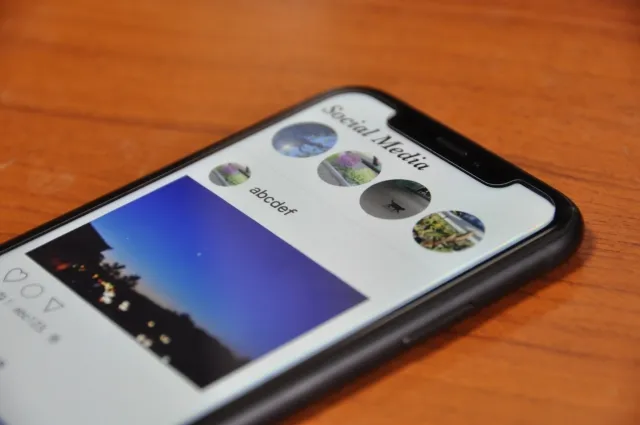
Instagram is an ideal social network for visually driven promotion.
For a diving shop, sharing attractive photos and videos of actual diving scenes, equipment, and events can catch the interest of potential customers.
Use a hashtag strategy to post content tailored to your target segments, and it is important to value communication with followers and build a trustworthy community.
Official information and examples of use can be found on the official Instagram for Business website.
TikTok

TikTok is a platform that conveys a brand story dynamically through short videos.
It is used mainly by younger people, so you can aim to reach new customer segments.
You will need to come up with ways to catch viewers' attention by appealing with short videos about the appeal of diving, safety management points, and the on-site atmosphere.
Participatory promotions, such as challenge campaigns that incorporate trends, are also effective.
Community-based promotion and word-of-mouth measures

Alongside online measures, community-based promotion is important for winning direct support from local residents and tourists.
Effective measures include taking part in local events and festivals, partnering with local media, and offering real points of contact such as diving experience events.
In addition, for word-of-mouth measures, you need a system that encourages positive feedback from customers.
For example, efforts that value communication with customers, such as follow-up emails after a visit, review requests on social media, and regular customer satisfaction surveys, contribute to building trust.
The table below organizes the details of community-based promotion measures.
| Promotion measure | Details | Purpose |
|---|---|---|
| Taking part in local events | Setting up a booth at local festivals and beach cleanup events | Raising awareness in the local community |
| Hosting experience events and seminars | Offering introductory diving experiences and safety courses for beginners | Letting potential customers experience the service |
| Encouraging word of mouth and reviews | Collecting reviews from customers with incentives | Strengthening trust and drawing power |
In this way, by developing strategy both online and offline, you can achieve sustainable growth and higher brand value for your diving shop.
Building safety management and staff training systems

Drawing up a safety management plan
When running a diving shop, drawing up a safety management plan is the top priority.
By planning in detail, you can put in place a system that can respond quickly and appropriately even if an accident should occur.
First, before you start operating, carry out a risk assessment to identify potential hazards and unexpected events.
These include a variety of risks, such as equipment deterioration, sudden changes in the marine environment, and delays in responding to emergencies.
Countermeasures include regular inspection and servicing, thorough lifesaving training, and establishing an emergency contact system.
The table below organizes typical risk items and examples of countermeasures.
| Risk | Countermeasures |
|---|---|
| Equipment malfunction | Regular inspection and maintenance, creating pre-use checklists, and keeping spare equipment on hand |
| Inadequate response in an emergency | Regular lifesaving training, preparing emergency evacuation manuals, and running simulation drills |
| Sudden changes in the marine environment | Regularly collecting weather information, checking the latest sea condition reports, and establishing a communication system |
For detailed safety management standards and guidelines, it is extremely useful to refer to official information from the Japan Coast Guard and the Japan Diving Association.
Key points for hiring and training staff
To improve the credibility and safety of a diving shop, hiring capable staff and a thorough training system are essential.
When staff acquire specialized knowledge and skills, the quality of service to customers and the ability to respond in an accident improve significantly.
At the hiring stage, give priority to people with a diving instructor qualification or who have completed lifesaving training, and thoroughly teach even inexperienced staff the basics of safety management and equipment handling.
It is also effective to hold regular training after hiring and encourage staff to learn the latest techniques and knowledge.
The table below summarizes the main points on hiring and training staff.
| Category | Specifics |
|---|---|
| Hiring criteria | Holds a diving instructor qualification, has completed lifesaving training, and has excellent communication skills |
| Initial training | Basics of running a shop, understanding the safety management manual, and emergency response drills |
| Ongoing training | Regular safety simulations, training on how to operate new equipment when it is updated, and customer service improvement seminars |
In addition, regular feedback sessions and in-house study sessions are recommended for sharing information among staff and improving skills.
This creates an environment where each staff member recognizes their own challenges and works to improve their skills.
Success stories and operating tips

Examples of successful shop openings
In the diving shop industry in Okinawa, an operating approach that builds up a track record has become the key to success.
For example, one shop thoroughly practiced community-based marketing, deepening trust with local residents while offering customized services for international tourists, and succeeded in increasing its repeat customers.
Cases like this are the result of several success factors working together, including better service, richer course programs, and thorough safety management systems.
Behind such success stories, there are also the latest digital advertising strategies and word-of-mouth measures using social media.
The table below organizes the success factors and points for improvement to review drawn from major success stories.
| Case no. | Success factors | Points for improvement |
|---|---|---|
| 1 | Stronger local partnerships Word of mouth and digital marketing | Thorough information sharing among staff and a further strengthened feedback system |
| 2 | Introduction of advanced diving equipment A well-developed safety management system | Regular equipment maintenance and more frequent training programs |
| 3 | Diversifying services to match customer needs | Regular market research and operational improvements based on the results of customer satisfaction surveys |
What we can learn from these success stories is that prior market analysis and a flexible management strategy are directly tied to the results of running a shop.
Regularly keeping up with industry conditions and building out an internal evaluation system contribute to long-term success.
Operational cautions and ways to improve

In running a diving shop, ensuring safety is the top priority above all.
Regular equipment inspections, emergency response manuals, and ongoing safety training for staff are indispensable.
This raises customers' sense of security and maintains the brand's credibility.
Actively collecting and acting on customer feedback is also important.
By using multiple channels, such as online reviews, direct surveys, and requests for opinions on social media, you can improve service quality and secure customer loyalty.
Specific measures for improving operations include the following points.
- Establishing and carrying out a regular maintenance system
- Preparing and regularly reviewing a crisis management manual
- Expanding your customer base by strengthening your digital marketing strategy
- Introducing a continuous training program for staff. Specifically, encouraging participation in industry seminars and external courses is effective.
- Putting the PDCA cycle into practice through quantified reviews of management indicators
For example, you need to organize and analyze various data such as monthly sales, customer satisfaction, and repeat rate, and take improvement measures.
Success stories and operational improvements featured in local media such as the Okinawa Times also offer useful hints for actual practice.
To establish an effective operating system, it is important for the owner to keep their antennae up for the latest market trends and technological innovation and to be flexible in revising their strategy.
This attitude leads to the long-term development of the diving shop and contribution to the local community.
Summary

This article has comprehensively explained the elements essential to opening a shop, including market research, required qualifications and legal procedures, business planning, location selection, effective customer acquisition measures, safety management, and staff training for opening a diving shop in Okinawa.
Against the backdrop of Okinawa's rich ocean and tourism resources, accurately understanding your target customers and the competitive landscape is the first step to success.
Furthermore, obtaining diving instructor qualifications and certifications, as well as the various permits and licenses, are important points for raising the credibility of your business operations.
Your business plan should include a solid fundraising strategy, and from choosing a location to equipment investment, customer acquisition and promotion measures that combine online and offline are needed.
In particular, SEO using Google and Yahoo!, together with community-based promotion that makes full use of social media such as Instagram and TikTok, can be expected to expand your customer base.
Finally, thorough safety management planning and solid staff training are the cornerstone of running a trusted diving shop.
By putting all of these elements into practice together, you should be able to minimize the risks at opening and move closer to realizing your dream.