

The appeal of school trips to Okinawa
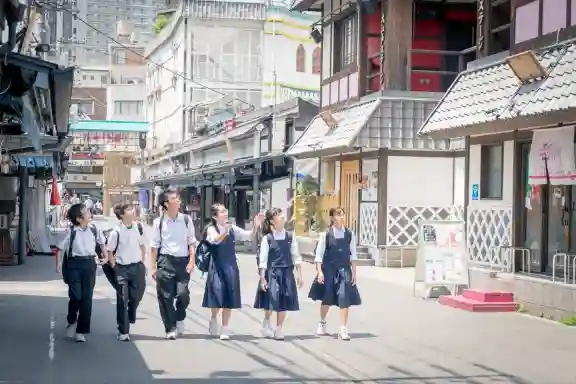
Okinawa is a popular school-trip destination chosen by many schools for its beautiful nature, rich culture, and opportunities for peace education.
Its varied attractions, including blue seas, a subtropical climate, and sightseeing spots preserving Ryukyu dynasty history, provide students with learning opportunities.
Learning themes on Okinawa school trips are diverse, with different themes at each sightseeing spot.
The table below summarizes each theme and related sightseeing locations. Please take a look!
| Theme | Learning content | Recommended destinations |
| History and culture | Learn about Ryukyu dynasty history and distinctive culture | Shuri Castle, Okinawa Prefectural Museum |
| Natural environment | Experience Okinawa's rich ecosystems | Churaumi Aquarium, Cape Manzamo |
| Peace education | Reflect on the Battle of Okinawa and the importance of peace | Peace Memorial Park, Himeyuri Monument |
| Traditional crafts | Make traditional Okinawan crafts and experience culture | Ryukyu Mura, Yachimun no Sato |
Popular sightseeing spots for Okinawa school trips
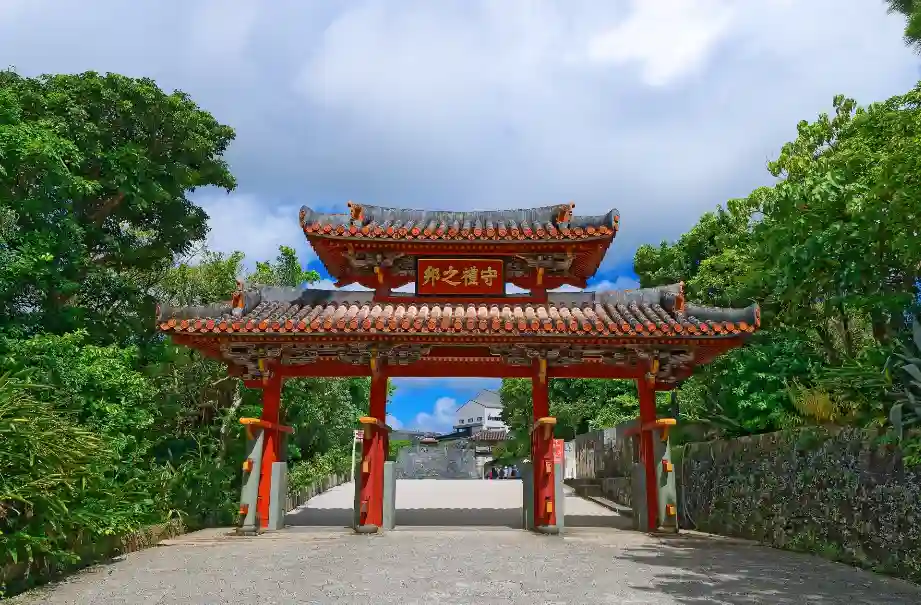
Shuri Castle: encountering Ryukyu dynasty history
One of Okinawa's signature sightseeing spots,Shuri Castle symbolizes the Ryukyu dynasty and is an ideal place to learn Okinawa's history and culture.
Its distinctive red-tile architecture and elaborate decorations influenced by China and Japan will surely make an impression on students.
- Learning points: Ryukyu dynasty history and culture, architectural characteristics, and exchanges with Asian countries
- Recommended activities: Guided tours and visits to the Shuri Castle museum
- Churaumi Aquarium: learning about Okinawa's marine ecosystems
Churaumi Aquarium is a popular sightseeing spot where you can learn about Okinawa's rich marine ecosystems.
Inside its giant tanks, you can observe large marine creatures such as whale sharks and manta rays swimming, and also learn about Okinawa's marine ecosystems and efforts to protect the marine environment.
Coral reef ecosystems in particular are characteristic of Okinawa's sea and offer a valuable opportunity to deepen understanding of environmental protection and the importance of ecosystems, making this ideal experiential learning for a school trip!
Learning points: Coral reefs and marine ecosystems, and the significance of marine conservation
- Recommended activities: Observing the large tank and lectures on coral conservation
Hands-on activities
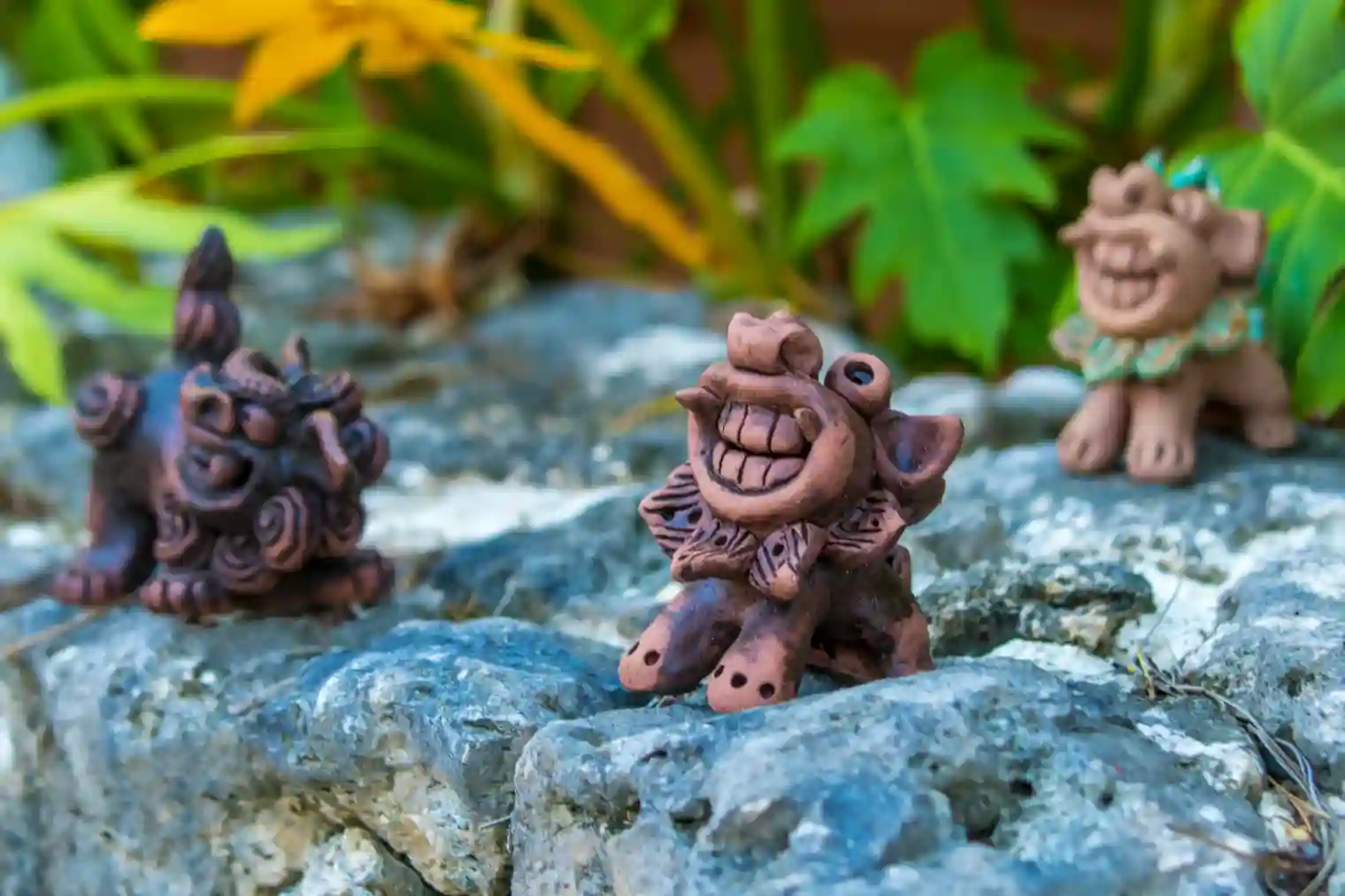
The appeal of school trips to Okinawa lies not only in sightseeing but also in experiencing local culture and nature.
Through observation and experiences, students can deepen learning unavailable from textbooks alone and enjoy a more meaningful school trip, making what they learn easier to remember!
Traditional craft experiences
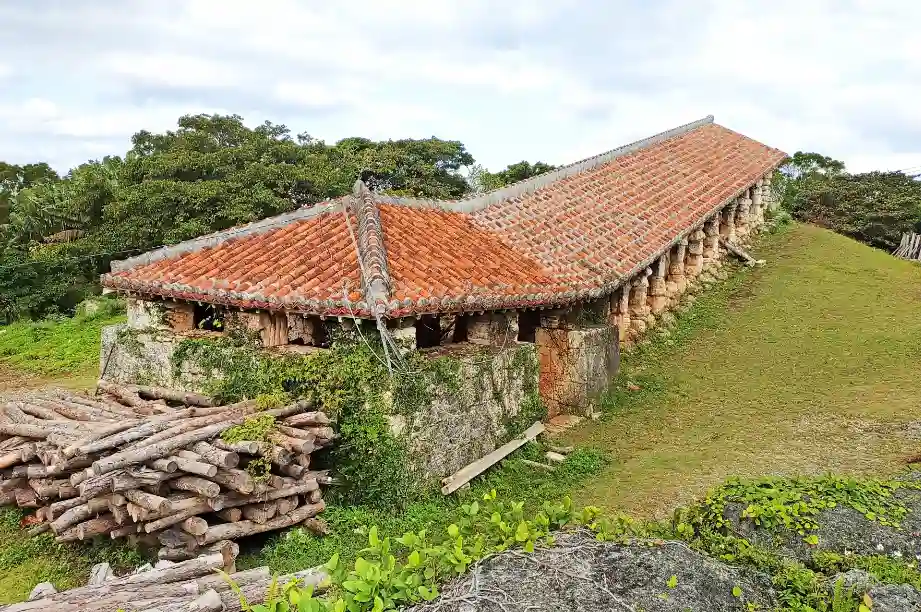
Okinawa has many traditional crafts, and making them is popular on school trips.
In particular, creating traditional Okinawan crafts such as yachimun pottery and bingata dyed textiles offers students fresh and valuable learning opportunities.
There are many programs where you can experience Okinawa's traditional techniques and sense of color under instruction from local artisans.
| Craft | Details | Learning points |
| Yachimun | Traditional Okinawan pottery | Pottery-making processes and history |
| Bingata | Distinctive Okinawan dyed textiles | Dyeing techniques and Okinawa's sense of color |
| Ryukyu glass | Colorful glass crafts | Glassworking techniques and artistic value |
Accommodation and food culture in Okinawa

Accommodation and meals are also major elements of school trips to Okinawa.
Experiencing local everyday culture through Okinawa's regional cuisine deepens the learning of a school trip.
Okinawa also has varied accommodation options, from hotels to guesthouses and resort hotels.
| Accommodation type | Features | Recommended points |
| Hotel | Clean, comfortable accommodation | Suitable for groups with convenient access to sightseeing spots |
| Guesthouse | Homelike atmosphere | Many opportunities to interact with local people and experience culture |
| Resort hotel | Enjoy a private beach | Abundant sea activities, ideal for making school-trip memories |
Okinawa's regional cuisine
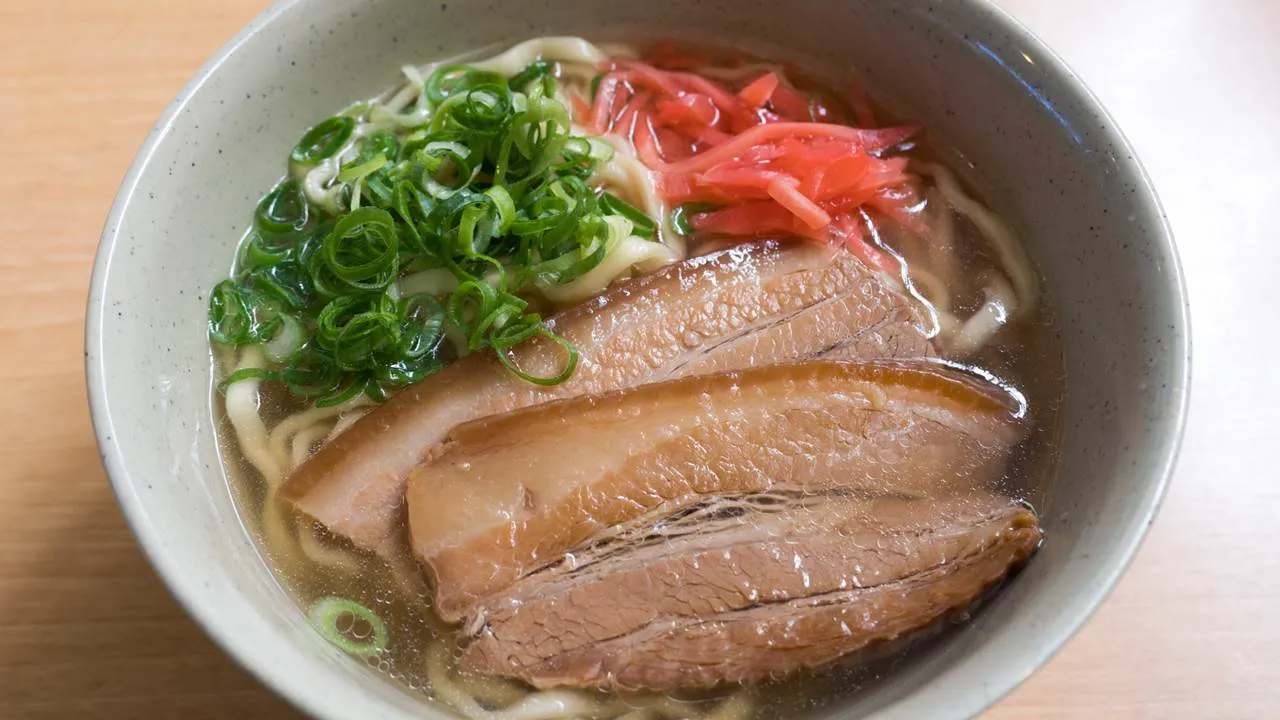
Okinawa has an established food culture different from mainland Japan.
Dishes made with local ingredients and distinctive cooking methods are new discoveries for students.
For example, rafute made with pork and goya champuru let you enjoy Okinawa's distinctive flavors and see culture not found on Japan's main island!
| Dish | Details | Learning points |
| Okinawa soba | A distinctive Okinawan noodle dish made with wheat flour | Differences in noodle culture from mainland Japan |
| Goya champuru | Stir-fried bitter melon and tofu | Characteristics and nutritional value of ingredients unique to Okinawa |
| Rafute | A dish resembling braised pork cubes | Okinawa's pork culture and cooking methods |
Etiquette and precautions during Okinawa school trips
Consideration for local culture and the natural environment is essential for a meaningful school trip to Okinawa.
It is important to remember respect for local people and observe etiquette at sightseeing spots.
Preparing for Okinawa's distinctive climate also lets you enjoy your school trip without becoming unwell.
Etiquette during a school trip
- Observe public etiquette: Avoid being noisy at sightseeing spots and public facilities. It is also important to act considerately toward other visitors and local residents.
- Consider environmental protection: Okinawa's nature has valuable ecosystems, and coral reefs and tropical plants are particularly delicate. To avoid damaging ecosystems, leave nothing unnecessary behind and follow sightseeing-site rules.
- Take your garbage with you: Sightseeing spots often have few trash cans, so always take away the garbage you produce.
Packing list for an Okinawa school trip
Related article:What to bring on an Okinawa trip
| Item | Purpose | Points to consider |
| Hat | Protect your head from sunshine | Essential because Okinawa's UV rays are strong |
| Sunscreen | Protect your skin | Apply sunscreen frequently |
| Drinks | Heatstroke prevention | Hydrate regularly |
| Change of clothes | Clothing for comfort | Breathable clothes suited to high temperatures |
| Rain gear | Prepare for sudden rain | A folding umbrella or raincoat is useful |
Recommended sightseeing spots and experiential learning programs for Okinawa school trips
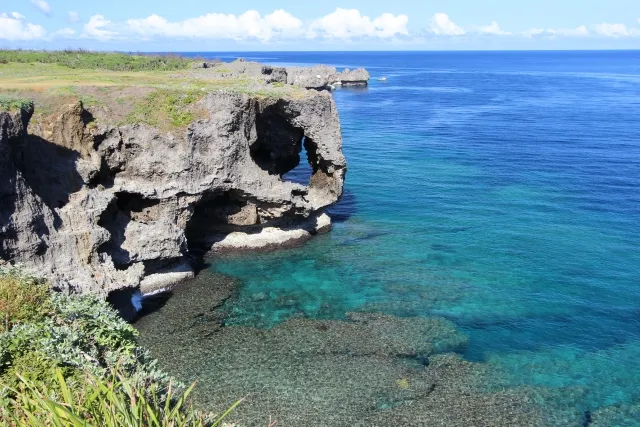
Cape Manzamo: enjoying nature at a spectacular viewpoint
Cape Manzamo is a spectacular viewpoint overlooking Okinawa's sea where you can appreciate nature's beauty.
The contrast between steep cliffs and blue seas is beautiful, revealing scenery unique to Okinawa.
It is also recommended for learning about the natural environment.
- Learning points: The importance of nature conservation and Okinawa's scenery
- Recommended activities: Observing the natural environment and photography
Peace Memorial Park: learning about war and peace

Peace Memorial Park is a place to learn the history of the Battle of Okinawa and reflect on the value of peace.
The park contains monuments mourning victims of the Battle of Okinawa and the Cornerstone of Peace, inscribed with messages wishing for peace, while the museum displays exhibits about the battle.
It is a highly worthwhile place to visit as part of peace education.
- Learning points: The tragedy of war and the importance of peace
- Recommended activities: Visiting the museum and discussing peace
An example recommended itinerary for an Okinawa school trip

Example itinerary: a 3-day model plan
Okinawa is too large to enjoy all of it on a trip.
Careful scheduling is therefore very necessary for students.
Here is a 3-day model itinerary for an Okinawa school trip.
We would like to introduce a plan that balances sightseeing and experiential learning each day for a meaningful visit.
Day 1: encountering Okinawa's history and culture
- Morning: After arriving at Naha Airport, visit Shuri Castle to learn Ryukyu dynasty history
- Lunch: Okinawa soba
- Afternoon: Visit Okinawa Prefectural Museum and Art Museum for history and art
- Evening: Check into the hotel; learning activities by group after dinner
Day 2: peace education and nature experiences
- Morning: Visit Peace Memorial Park and reflect on war and peace
- Lunch: A meal using local ingredients
- Afternoon: Visit Churaumi Aquarium to learn about Okinawa's marine ecosystems
- Evening: Beach recreation and dinner
Day 3: traditional craft experiences and nature sightseeing
- Morning: Traditional craft experiences at Ryukyu Mura, making yachimun and bingata
- Lunch: Okinawan cuisine
- Afternoon: Nature observation and photography at Cape Manzamo
- Evening: Travel to the airport and return home
Reflecting on and summarizing an Okinawa school trip
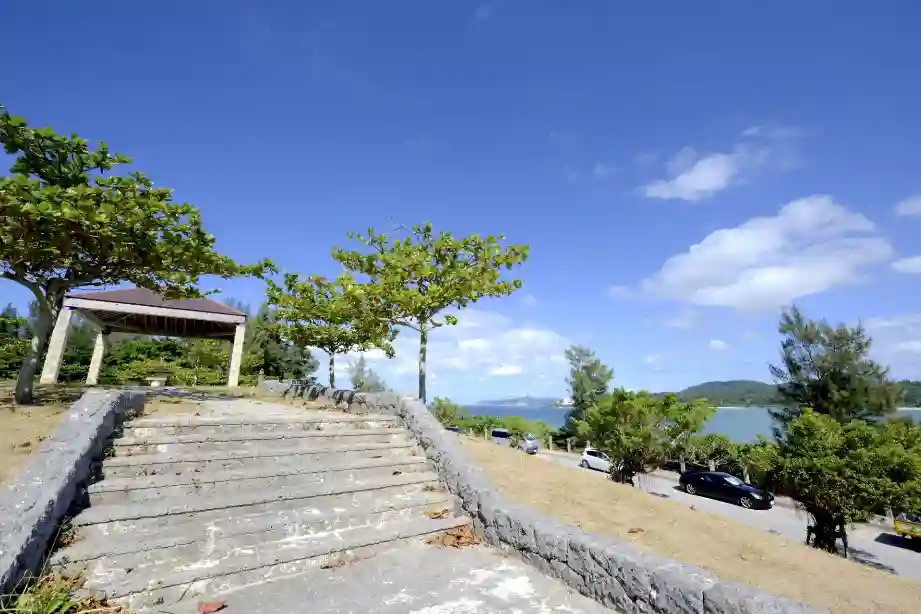
A school trip to Okinawa is a special opportunity that offers students many lessons and experiences.
It is a very popular school-trip destination because students encounter Okinawa's appeal from varied perspectives, including Ryukyu dynasty history, natural beauty, the importance of war and peace, and distinctive food culture and traditional crafts.
It is important to continue applying what you learned through experiences in Okinawa after the school trip and incorporating it into daily life.
Encountering Okinawa's natural environment and culture, which differ from mainland Japan, offers a valuable experience in understanding different values and broadening your perspective.
Natural environments and ecosystems to learn about on an Okinawa school trip
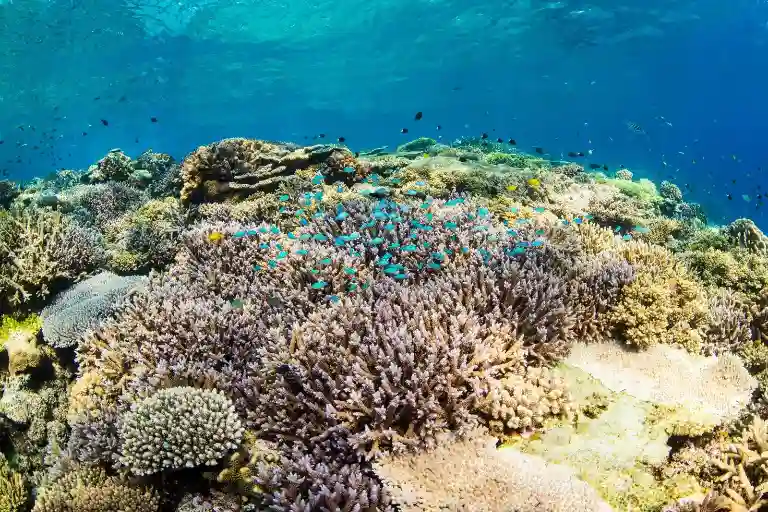
Okinawa is blessed with a subtropical climate and rich natural environment different from mainland Japan, and the creatures living there form distinctive ecosystems.
On an Okinawa school trip, learning about the natural environment unique to the area lets you encounter the importance of nature conservation and biodiversity.
Okinawa's coral reefs
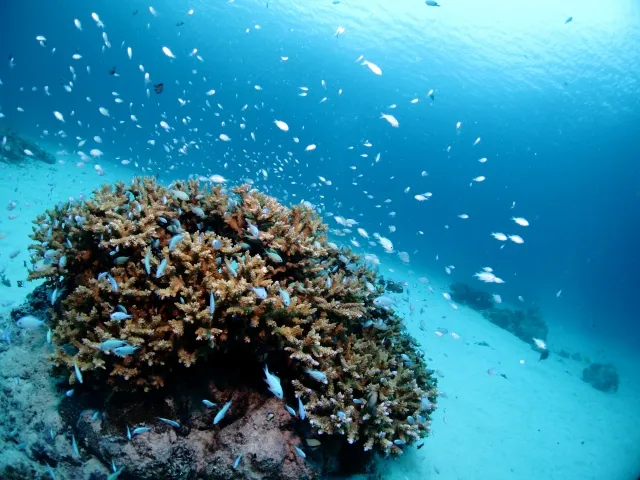
Beautiful coral reefs extend through Okinawa's sea.
Coral reefs are habitats for many creatures, including fish and shellfish, and are also called the tropical rainforests of the sea.
In recent years, coral bleaching caused by global warming and environmental pollution has become a concern, making it an important theme from an environmental protection perspective too.
- Learning points: The role of coral reefs, biodiversity, and the importance of environmental protection
- Recommended experiences: Observing coral through diving experiences and snorkeling
Okinawa's tropical plants
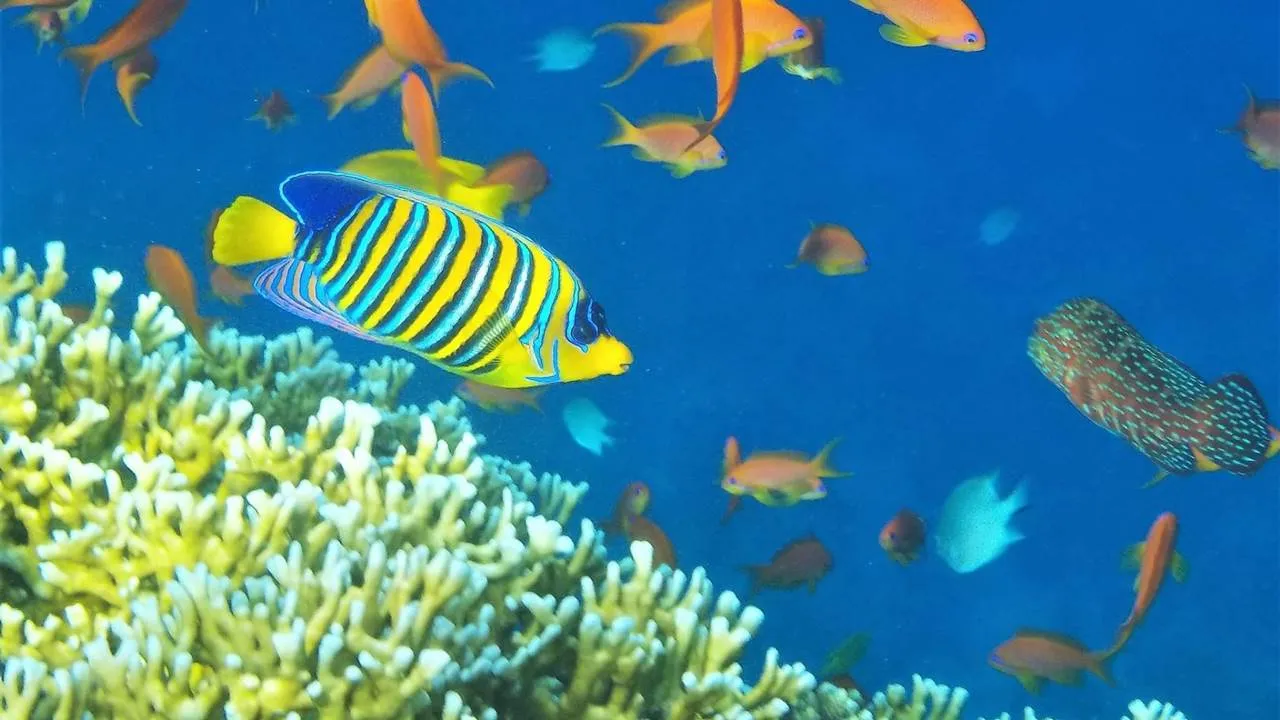
Okinawa has many naturally growing subtropical plants such as palms and cycads.
These plants create distinctive ecosystems adapted to Okinawa's climate, and observing nature lets you learn the relationship between climate and plants.
Related article:Okinawa's tropical fish
| Plant | Characteristics | Learning points |
| Banyan | Long-lived subtropical plant with aerial roots | Relationship between Okinawa's natural conditions and plants |
| Cycad | Drought-resistant with stiff leaves | Ecology and adaptability of plants unique to Okinawa |
| Palm | Frequently found in tropical regions | Okinawa's climate and plant diversity |
Cultural experiences on Okinawa school trips: festivals and traditional performing arts
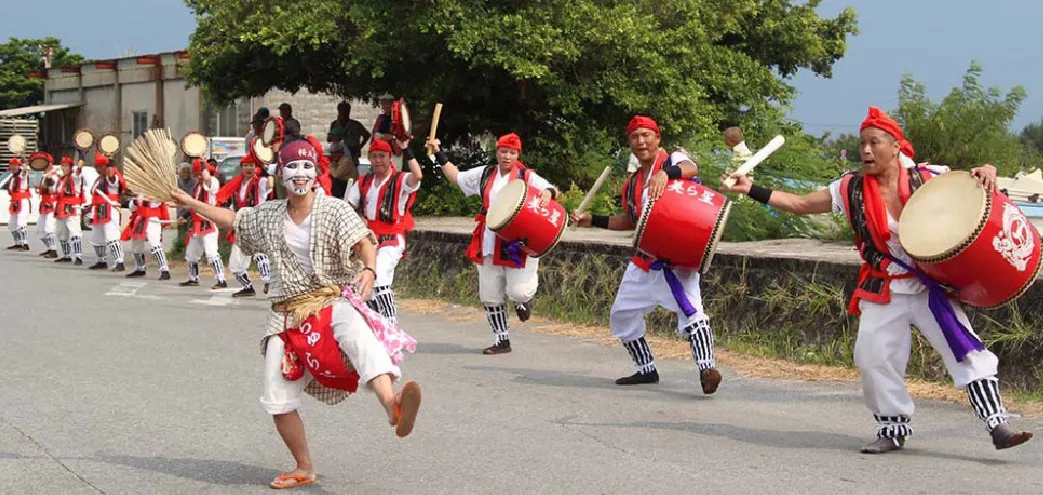
Okinawa has many distinctive cultural forms, including traditional festivals, dance, and music.
Through these cultural experiences on an Okinawa school trip, students can encounter local life and history and make new discoveries.
Eisa: Okinawa's traditional dance
Eisa is Okinawa's traditional Obon dance, a powerful performance danced to the beating of drums.
Eisa has different styles in different communities and is cherished as a seasonal Obon tradition throughout Okinawa.
Through eisa, you can learn about Okinawan traditions and ideas of honoring ancestors.
- Learning points: Eisa history, regional differences, and the culture of honoring ancestors
- Recommended activities: Eisa experience classes and festival participation
Sanshin: Okinawa's traditional string instrument
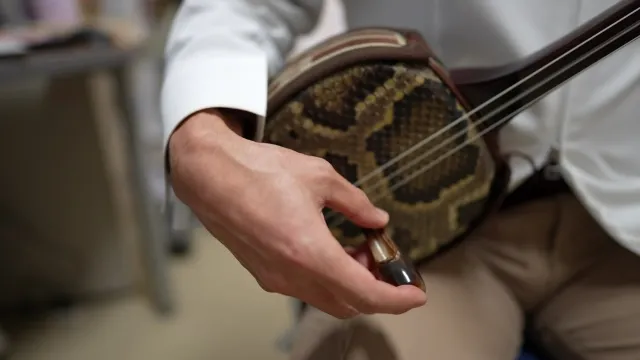
The sanshin is a traditional Okinawan instrument characterized by its distinctive sound.
Loved since the Ryukyu dynasty era, the sanshin is indispensable to Okinawan music.
Trying to play the sanshin lets you encounter Okinawa's musical culture and history.
| Instrument | Characteristics | Learning points |
| Sanshin | Traditional Ryukyuan instrument with 3 strings | Ryukyu dynasty music and culture |
| Drum | Large drum used in eisa | The appeal of Okinawan rhythms and dance |
| Flute | Instrument used in Ryukyuan dance and festivals | Experiencing Okinawan festivals and traditional music |
The sections introduced next provide additional details about Okinawa school trips, exploring sightseeing locations further and delving into learning points about Okinawa's nature and culture.
Summary of Okinawa school trips

A school trip to Okinawa is a valuable opportunity bringing students many discoveries and lessons.
Deepening understanding of Okinawa's rich nature, Ryukyu dynasty history, and peace, a school trip goes beyond sightseeing to offer students new values.
After the trip, students are expected to apply what they learned in Okinawa and act consciously as members of a sustainable society.
Encountering regional character and values different from Japan as a whole through Okinawa's culture and nature will also support future growth.
Students are expected to grow toward further learning based on the knowledge and experiences gained through an Okinawa school trip.
Practical experience programs for Okinawa school trips
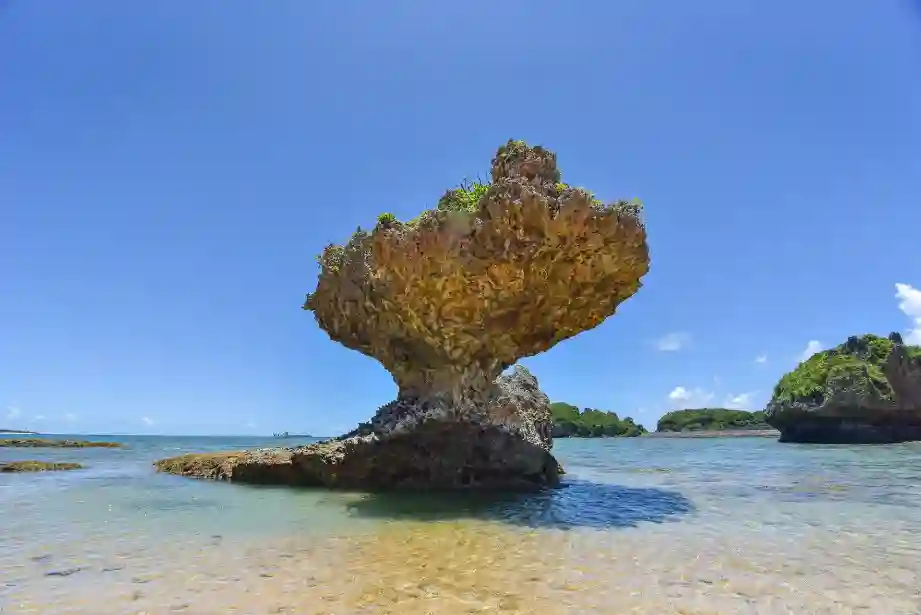
A distinctive feature of school trips to Okinawa is the abundance of hands-on programs, beyond simply encountering nature, culture, and history.
Experience-based programs unique to Okinawa are valuable opportunities to spark students' interest and deepen learning.
The following introduces specific experiences.
1. Coral planting experience

Coral planting is one activity for protecting Okinawa's beautiful sea.
Coral reef conservation is important not only for deepening understanding of the global environment but also for increasing awareness of coexistence with nature.
By participating in activities that help coral grow, students can learn the importance of environmental protection.
- Learning points: The significance of coral reef conservation and coexistence between people and the environment
- Recommended experiences: Planting coral seedlings and observing coral growth
2. Okinawan regional cuisine experience
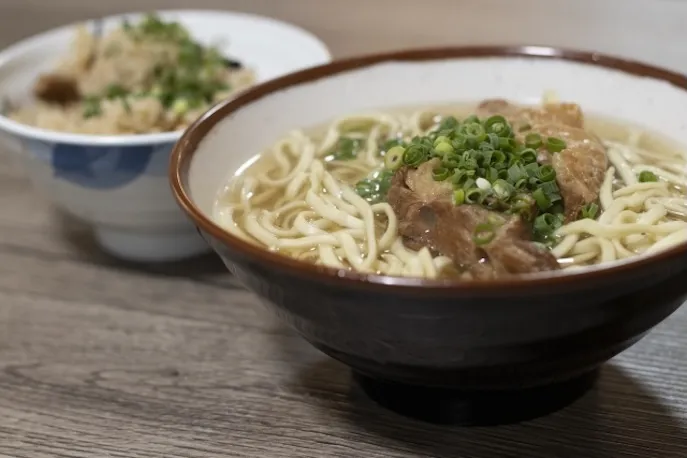
Okinawa's food culture has characteristics different from mainland Japan, and traditions from the Ryukyu dynasty era remain alive today.
A regional cuisine experience lets you actually make Okinawa soba, goya champuru, rafute, and other dishes, learning about ingredient characteristics and local people's eating habits.
| Dish | Characteristics | Learning points |
| Okinawa soba | A distinctive Okinawan noodle dish made with wheat flour | Differences between Okinawan and mainland food cultures |
| Goya champuru | Home cooking using bitter melon and tofu | Ingredients unique to Okinawa and their nutritional value |
| Rafute | Braised pork cubes | Okinawa's pork culture and seasoning characteristics |
Special sightseeing locations to visit on Okinawa school trips
Himeyuri Monument and Himeyuri Peace Museum
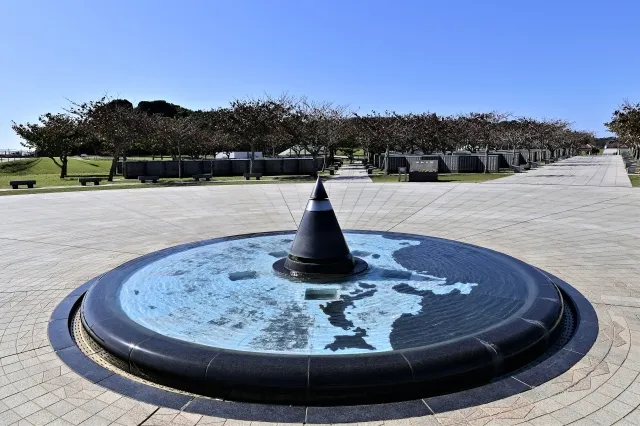
Places to learn about the tragedy of the Battle of Okinawa include the Himeyuri Monument and Himeyuri Peace Museum.
The Himeyuri Monument marks the place where female students and teachers who served during the war took shelter, and is an important spot for learning about the Battle of Okinawa's harshness and conditions at the time.
The museum has many war-related displays and personal belongings, prompting reflection on the devastation of war and the importance of peace.
- Learning points: Battle of Okinawa history, the importance of peace, and the effects of war
- Recommended activities: Visiting the museum and listening to accounts of war experiences
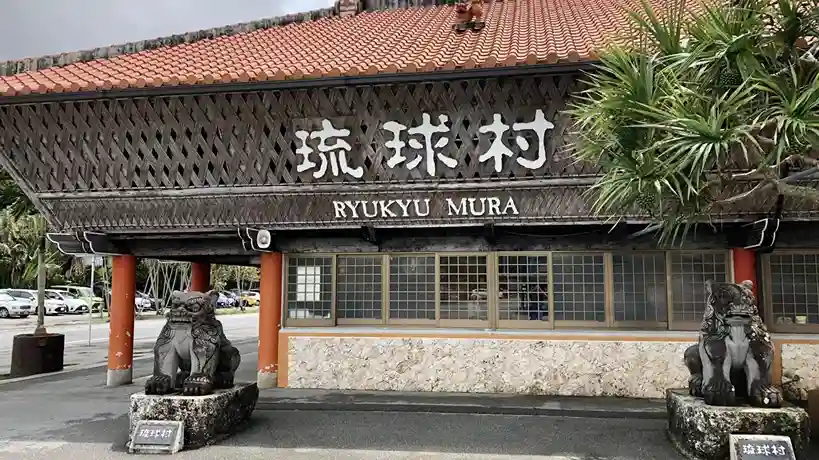
Ryukyu Mura: a theme park for experiencing traditional Okinawan culture
Ryukyu Mura is a theme park recreating traditional Okinawan houses and ways of life.
Inside the village, you can encounter traditional Okinawan culture through sanshin and eisa performances and craft experiences such as Ryukyu glass and bingata.
It is a place to enjoy both sightseeing and learning while deepening understanding of Okinawan life and culture.
| Experience | Learning theme | Recommended learning activities |
| Sanshin playing | Okinawan music and culture | Try playing the sanshin and learn music history |
| Ryukyu glassmaking | Craft techniques unique to Okinawa | Encounter glassworking techniques and their beauty |
| Bingata dyeing | Okinawa's traditional textile dyeing culture | Learn dyeing techniques and Okinawa's distinctive colors |
Personal growth and applying learning after a school trip
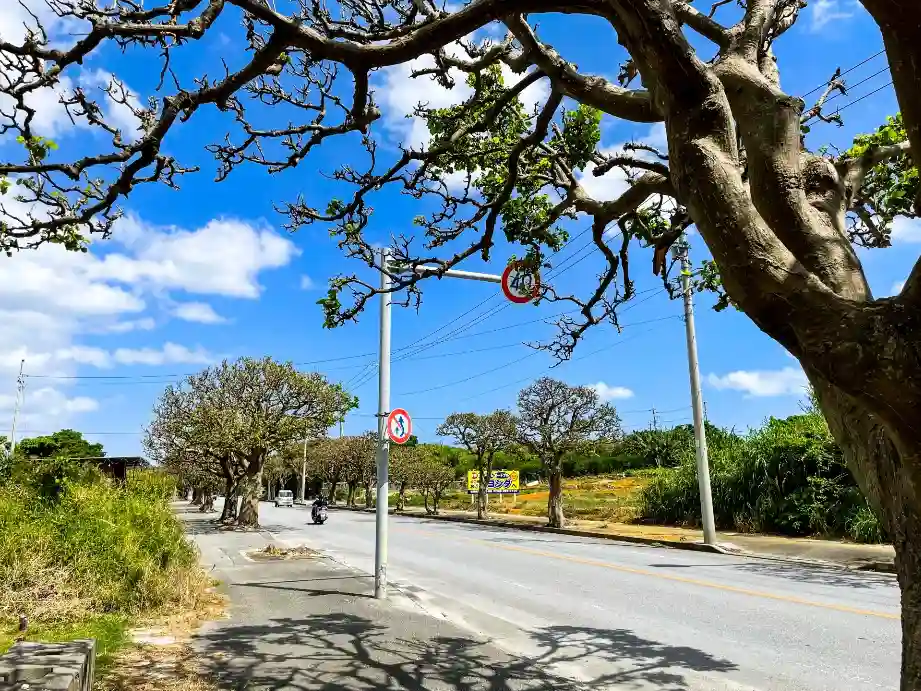
It is important to consider how to apply experiences and knowledge gained on an Okinawa school trip to future life.
After the trip, incorporate learning into everyday life through activities and reflection such as the following.
Activities after a school trip

- Report presentations: Write up what you learned on the school trip and share it in class. Presenting it also strengthens communication skills.
- Comparison with social studies field trips: Compare with other visits and discuss lessons and discoveries unique to Okinawa.
- Awareness of sustainable living: It is important to turn lessons about environmental protection and peace into actions in everyday life.
Skills and knowledge gained through Okinawa school trips
- Cross-cultural understanding: Encountering the culture of the distinct Okinawa region deepens understanding of cultural diversity across Japan.
- Awareness of the natural environment: Learning about coral reefs and ecosystems raises awareness of nature conservation.
- Learning about peace and history: Knowing the history of war provides opportunities to reflect on the importance of peace.
Summary and final reflection on an Okinawa school trip
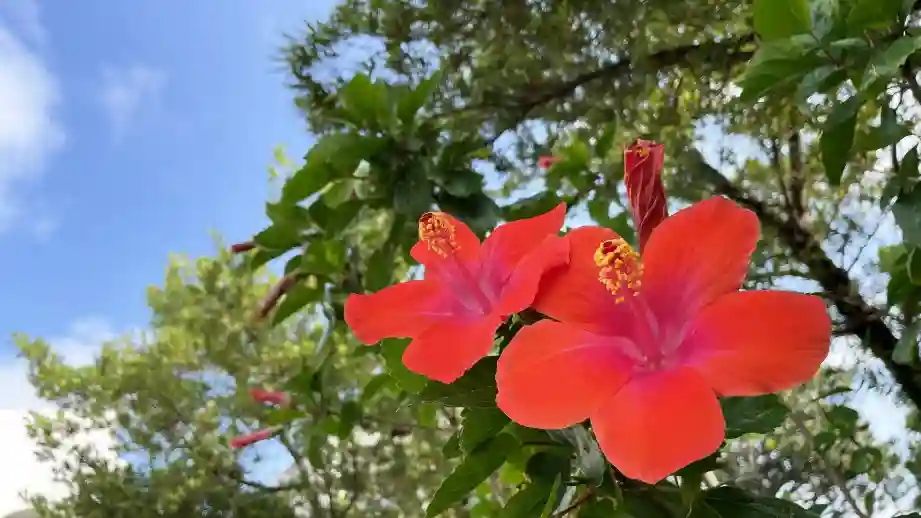
School trips to Okinawa offer students diverse learning and growth beyond sightseeing.
Through Okinawa's natural environment, distinctive culture, and war history, students gain opportunities to consider Okinawa's position and role within Japan as a whole.
Encountering different values and lifestyles is also a valuable opportunity to broaden their own perspectives.
Reflecting on lessons from an Okinawa school trip and considering how to apply them to future studies and life is an important process for students.
Incorporating what they learned about the importance of environmental protection, interest in peace, and cultural diversity into daily life will make the learning meaningful well into the future.
Planning and preparation tips for Okinawa school trips

Advance preparation is extremely important for a successful Okinawa school trip.
Considering the climate and characteristics of sightseeing spots and preparing according to the season and trip duration are key to making travel more meaningful.
Here are several points to consider when planning a school trip to Okinawa.
Preparing clothing suited to the climate

Okinawa has a warm climate, particularly strong sunshine in summer, and relatively warm winters, so preparing clothes suited to the season is important.
Thorough UV protection is necessary during seasons with particularly strong sunshine.
- Spring and summer belongings: Sunscreen, hat, lightweight extra layer
- Fall and winter belongings: Lightweight long-sleeved clothes and a jacket for temperature changes
Securing transportation and sightseeing routes
Okinawa has less public transportation than mainland Japan, so securing transportation is important too.
Many school trips charter buses, and carefully planning bus travel times and sightseeing routes makes the trip smoother.
The key is a manageable schedule that considers access to major destinations and travel times.
Related article:Rental cars as transportation for an Okinawa trip
Recommendations for advance learning
Studying destinations beforehand is effective for making an Okinawa school trip an opportunity for deeper learning.
Gaining advance knowledge of Okinawa's history, culture, and nature makes learning on site more tangible.
Lessons and value gained from Okinawa school trips

School trips to Okinawa offer varied kinds of value.
Beyond academic knowledge, they offer the prospect of personal growth and broader social perspectives, making them deeply meaningful experiences within school life.
Here, we explain specific lessons and their value.
Developing awareness of coexistence with nature
Encountering Okinawa's rich natural environment and marine ecosystems teaches you nature's power, beauty, and fragility.
A school trip to Okinawa prompts consideration of what you can do to protect the natural environment and encourages awareness of sustainable actions in daily life.
Understanding regional culture and diversity
Okinawa has a culture and history different from mainland Japan.
Learning on a school trip how Okinawan people have lived and continued protecting their culture deepens understanding of cultural diversity within Japan.
You develop respect for diversity and become able to approach different cultures with tolerant, flexible thinking.
Learning about war and the importance of peace
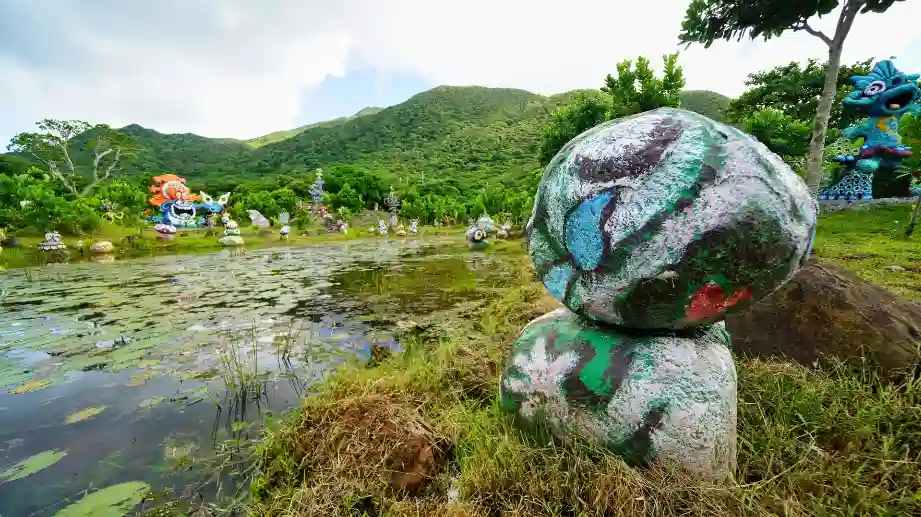
Okinawa is also a place that conveys the devastation of war. Visiting Peace Memorial Park and the Himeyuri Monument lets you appreciate war's effects on people and the importance of peace, prompting reflection on what you can do to protect peace.
This is expected to deepen understanding of peace and develop a spirit of social contribution and cooperation.
Seeing Okinawa's transparent blue sea and distinctive ecosystems teaches you nature's greatness and fragility.
Beautiful coral reefs extend through Okinawa's sea, home to countless fish.
However, actually learning on site also makes tangible how these reefs have been threatened in recent years by global warming and marine pollution.
It prompts deep reflection on how marine ecosystems relate to our lives and what actions we should take to protect them.
Experiences on site can awaken awareness of protecting the natural environment and help you feel that even small everyday actions are steps toward the future.
Furthermore, Okinawa is a region within Japan with its own distinctive history and culture.
Distinctive culture and traditions continuing from the Ryukyu dynasty era shape Okinawa's unique sense of color and ways of life.
Visiting Shuri Castle and Ryukyu Mura offers glimpses of how people lived in the past and interacted with other countries.
Through Okinawan culture, you can learn that different values and lifestyles exist within Japan too and develop an openness to diversity.
Developing the attitude of understanding and respecting differences will be a major asset as you live in society in the future.
Okinawa also carries important significance as a place for peace education.
The history of many people losing their lives in the Battle of Okinawa and war sites that remain today prompt reflection on war's devastation and the importance of peace.
At Peace Memorial Park and the Himeyuri Monument, you can still feel war's scars and the feelings of people who lived there.
Learning about peace on site encourages serious consideration of what you can do to protect it and also develops awareness of contributing to society and a sense of responsibility.
This experience will leave a deep impression about how to act to build a future without war.
The greatest value gained through an Okinawa school trip is the joy of learning and the ability to reflect on yourself.
Leaving everyday life and encountering new things in an unfamiliar place broadens your thinking and perspective.
Beyond the themes of natural environment, culture, history, and peace education, an Okinawa school trip creates time to face fundamental questions about how you want to live and what kind of person you want to become.
It is also a chance to discover new aspects and possibilities within yourself that school life alone had not revealed.
Every experience gained on an Okinawa school trip is a major asset for the future.
Beyond academic knowledge, it will develop personal growth, a broader perspective, and the desire to be someone useful to society.
Okinawa's blue skies and sea, rich nature, and culture will surely bring new discoveries and wonder and enrich your future life.
Further learning and action after an Okinawa school trip

To reflect on school-trip experiences and learn more deeply, we introduce activities that encourage further learning and action after an Okinawa school trip.
Aiming to retain lessons after the trip and apply them to everyday life makes an Okinawa school trip more meaningful.
Further learning through fieldwork
An Okinawa school trip can lead to local fieldwork and broader learning about other regions.
Researching your local environment and culture and comparing them with Okinawa deepens understanding of each region's characteristics and challenges.
Participating in environmental protection activities
Applying awareness of protecting the natural environment learned in Okinawa to daily life, and participating in local litter pickup or community cleanup, develops awareness of working toward a sustainable society.
The whole school can also contribute to conserving the global environment by promoting environmental activities and recycling.
Research presentations on peace education
Based on peace education in Okinawa, researching peace and war's effects and creating opportunities to present at school is also meaningful.
Applying on-site learning and conveying the importance of peace to classmates and other students creates shared understanding.
Summary of the Okinawa school-trip guide
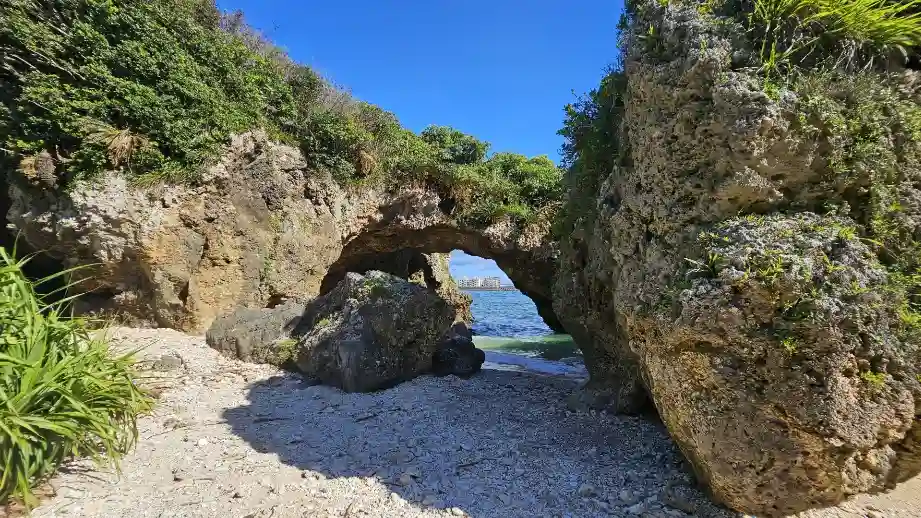
Experiences and knowledge gained through an Okinawa school trip are wide-ranging.
Okinawa is filled with distinctive attractions unavailable elsewhere, including blue seas and coral reefs, rich culture, and peace education encompassing war history.
Experiencing these elements on a school trip gives students starting points for learning and leads to personal growth.
Ultimately, a school trip to Okinawa becomes a meaningful experience that students can apply to future life and studies.
Awareness of protecting the natural environment, understanding different cultures, and reflecting on the value of peace are abilities needed for the future.
We hope the knowledge and experiences gained on an Okinawa school trip become a foundation for continued growth while maintaining awareness of contributing to yourself and society.