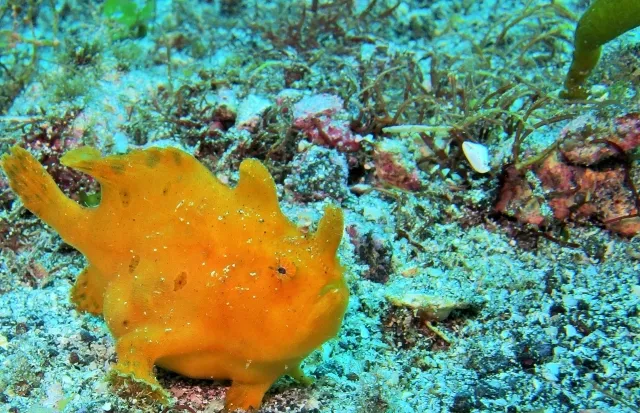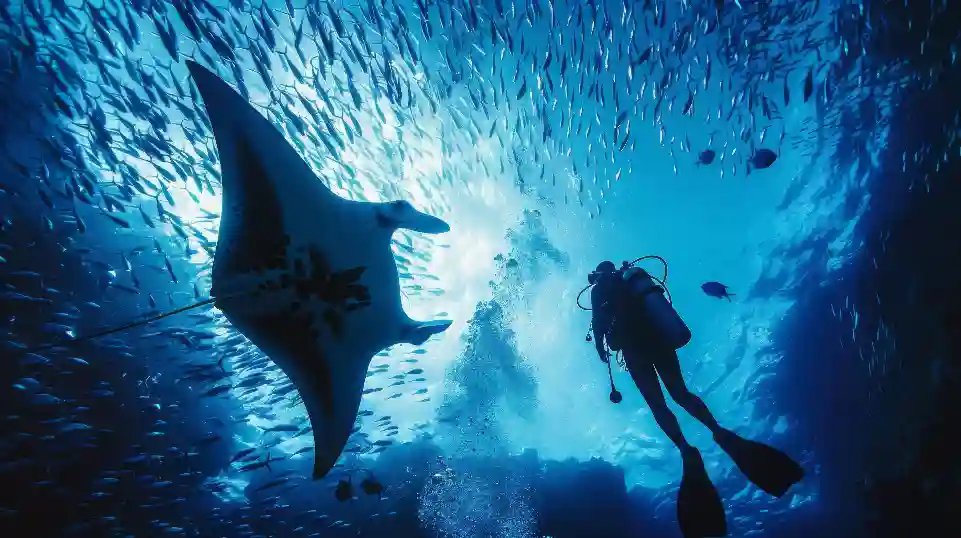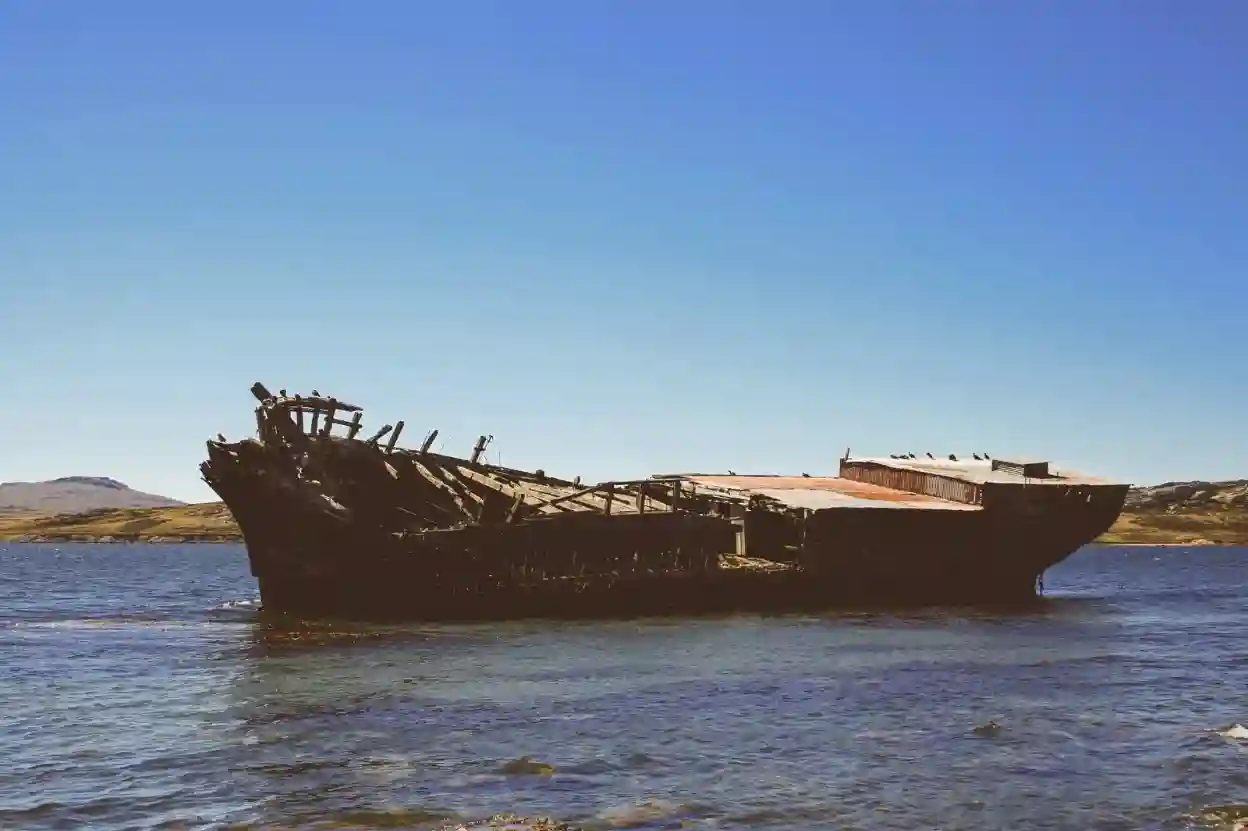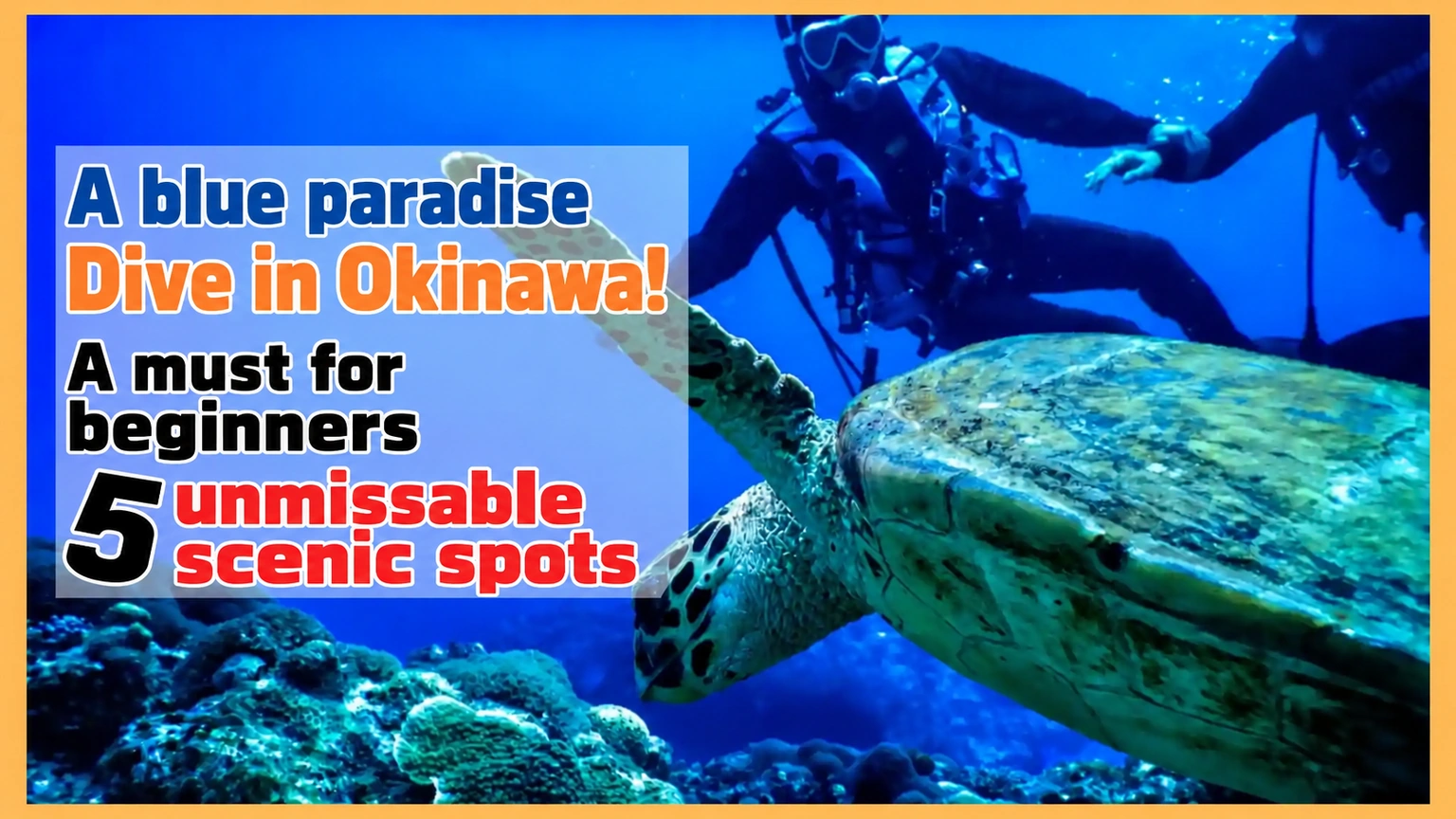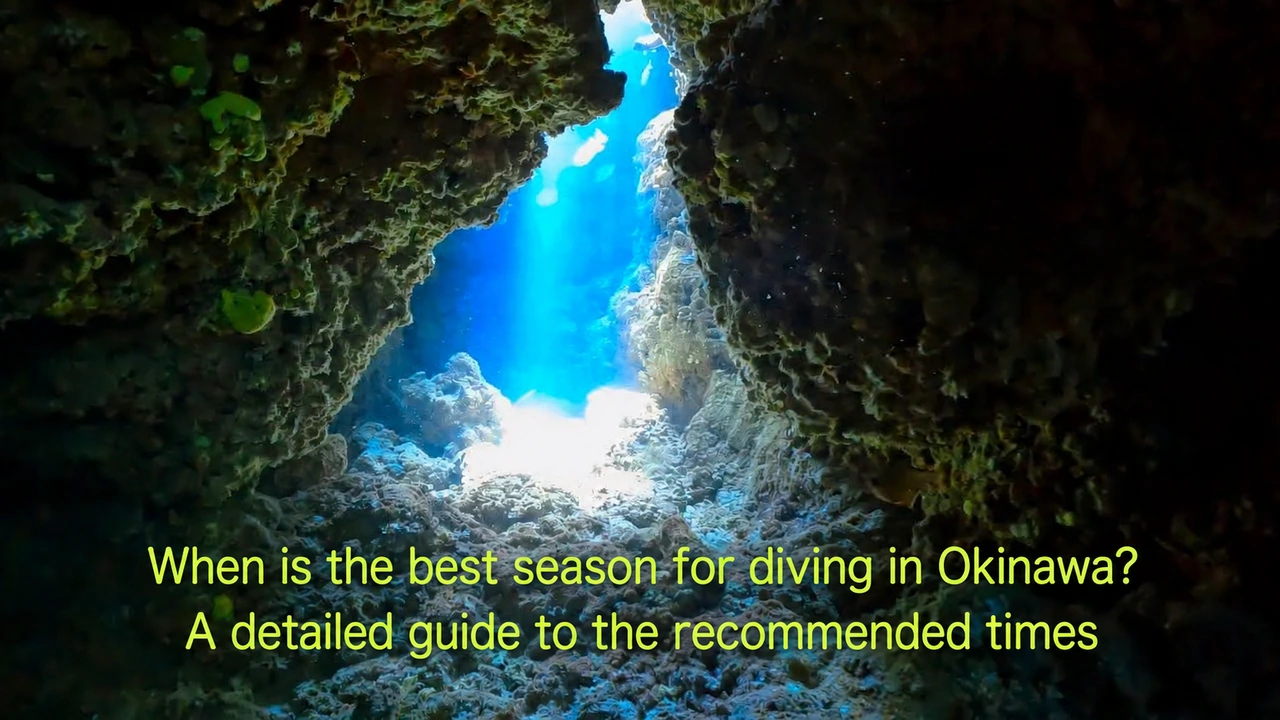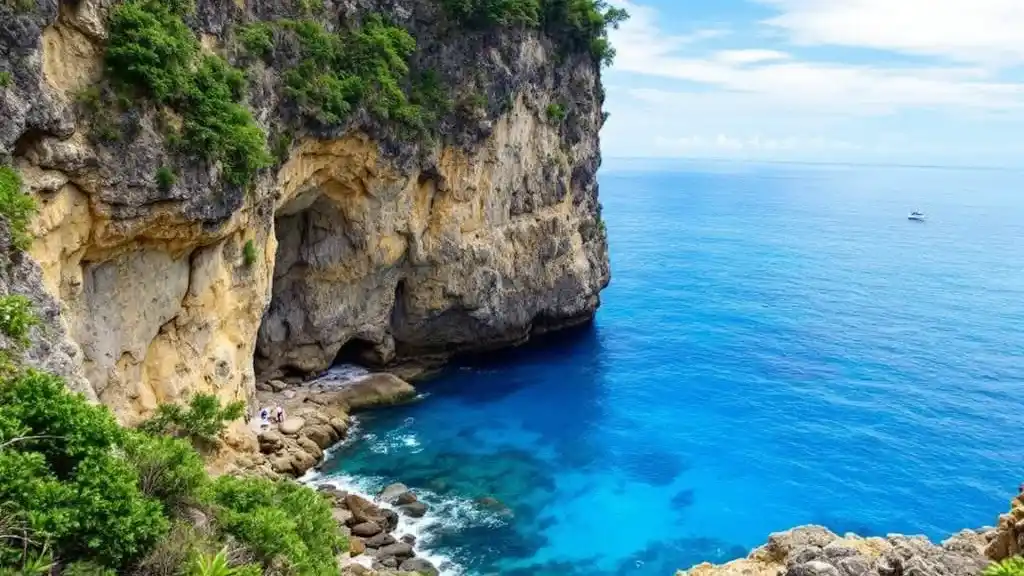
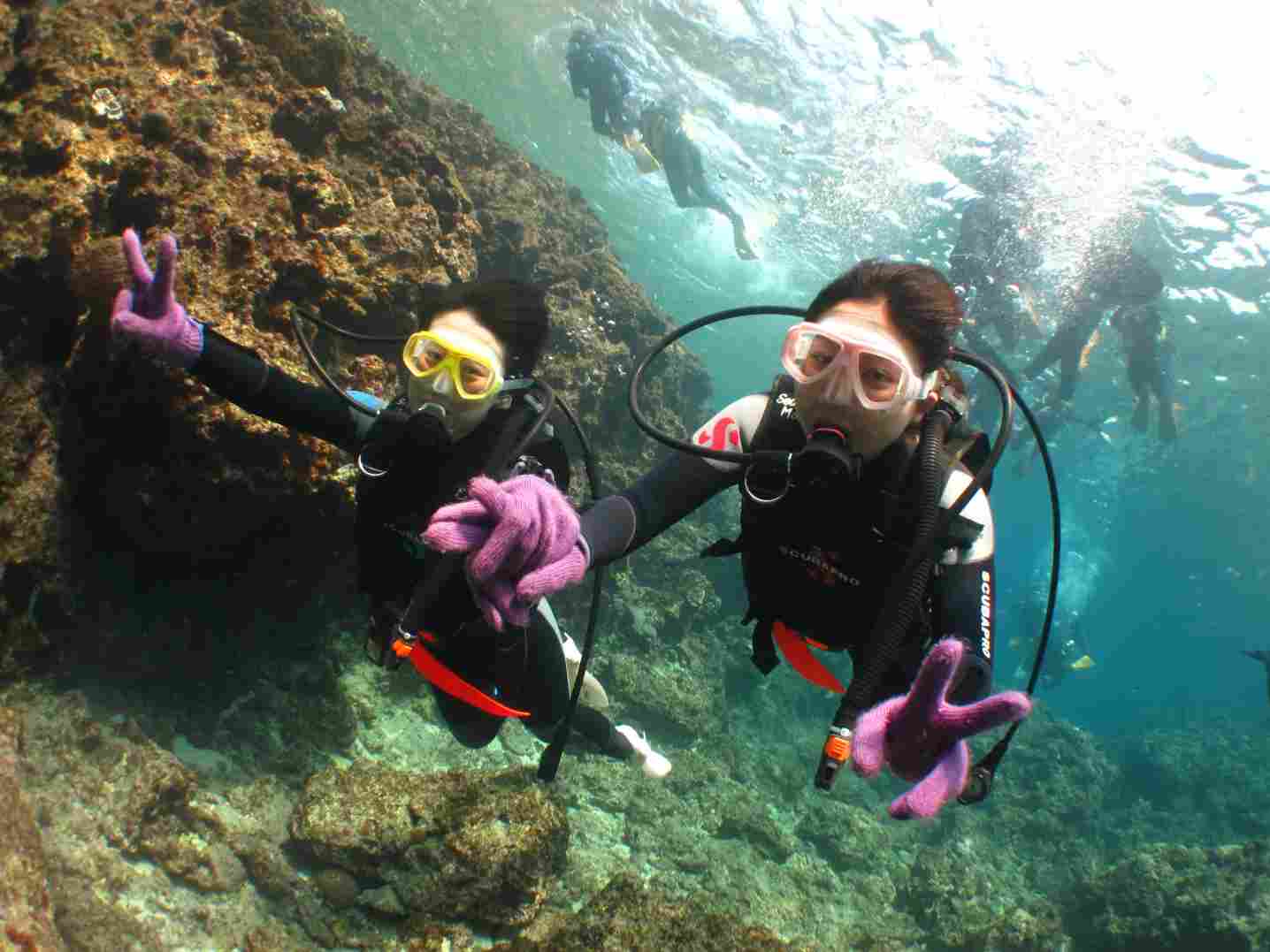
“I want to swim freely in Okinawa’s blue sea!” “I want to be surrounded by Okinawa’s coral reefs and colorful fish!”
To make dreams like these come true, getting a diving license is essential.
To begin with, “introductory diving,” which you can try without a diving license, only lets you swim at a depth of about 5 m.
So to dive deeper and more freely, getting a license is a must.
Among diving licenses, there is the license issued by a diving organization called “PADI,” which is trusted by divers around the world.
It is recognized at dive spots all over the world and will greatly expand the ways you can enjoy diving.
However, many people are probably wondering, “What is PADI?” or “There are so many kinds of licenses that I can’t tell them apart.”
In this article, we explain in detail the main types of licenses, centered on PADI, and the process of getting them, in a way that even beginners can easily understand!
What are a diving license and a C-card?
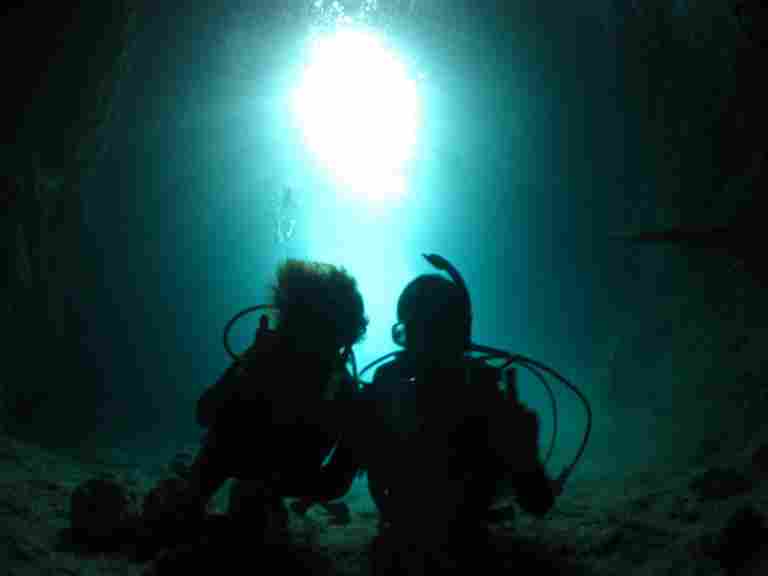
To enjoy diving safely, it is important to acquire the proper knowledge and skills.
That is why we recommend getting a “C-card,” which is also called a “diving license.”
“C-card” is short for “Certification Card.”
With it, you are recognized as a diver at dive spots around the world and can receive support and services.
A diving license and a C-card are the same thing
“Diving license” and “C-card” are generally used to mean the same thing.
Both certify that you have completed the training and acquired the skills needed for diving, and in practice the C-card is what is issued as that proof.
For example, these are the C-cards issued by international diving instruction organizations such as “PADI” and “NAUI,” which we describe below.
They are recognized worldwide and serve as a standard indicating the holder’s diving level.
The only thing you can try without a diving license is “introductory diving”
Even if you don’t have a diving license (C-card), there is a way to experience diving.
That is what is called “introductory diving,” which lets you enjoy diving in shallow areas with the support of an instructor, even without a license.
Even without a license you can dive down to a maximum of 12 m, but with an emphasis on safety and other factors, dives are usually done at around 5 m.
Because the depth is set shallow like this, introductory diving only requires a short briefing beforehand.
However, you can’t learn serious diving techniques and knowledge this way, so if you aim to become a professional diver, we recommend getting a license.
The differences between diving license issuing organizations
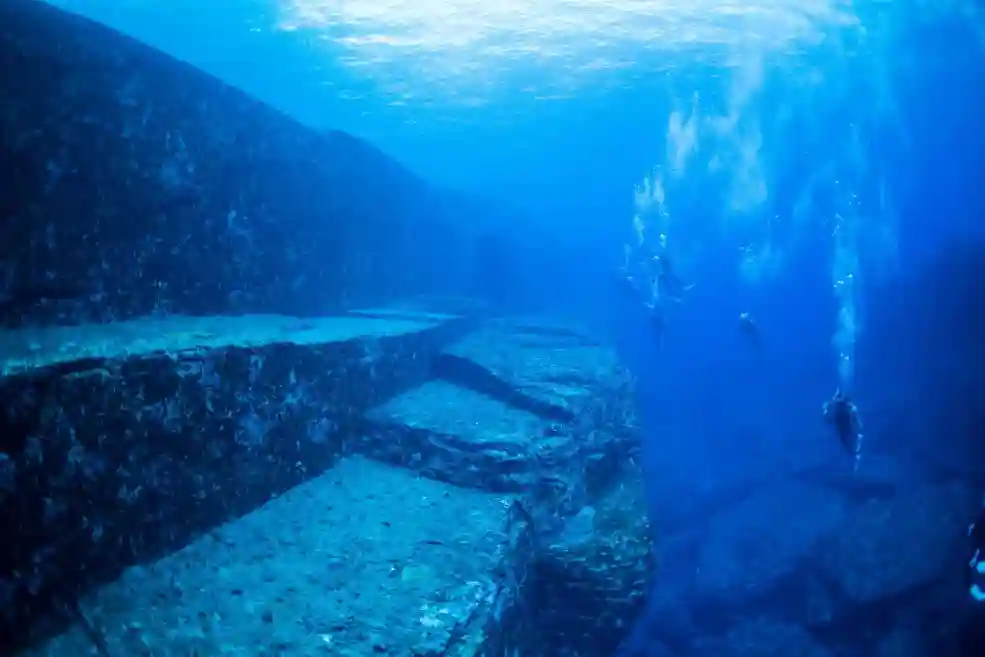
Diving licenses (C-cards) are issued by various organizations, and each one has its own characteristics.
The biggest difference is that the curriculum and approach to training vary slightly.
The organizations mainly recognized around the world are “PADI,” “NAUI,” “SSI” and “BSAC,” and each offers certification programs based on its own standards.
Whichever organization’s license you get, you basically learn the same skills as with the others, so it should be recognized at dive spots around the world.
That said, “PADI” is said to account for about 60% of the global share, so unless you have a particular preference, we recommend getting your certification there.
Below, we explain the characteristics of 4 especially popular organizations.
4 recommended organizations that issue diving licenses (C-cards)
1. PADI: Go here if you’re unsure where to get your diving license!
PADI is the world’s largest diving instruction organization, offering a wide range of diving programs from beginners to advanced divers.
- Very high international recognition, with more than 28 million divers certified worldwide!
- Offers a wide range of courses for everyone from beginners to advanced divers!
- Widely accepted at dive spots around the world!
The PADI curriculum is designed to be simple and to be learned step by step, and it has a reputation for being easy for beginners to understand.
There are many partner shops around the world, and if you have a PADI C-card you can enjoy diving at almost any dive spot without any problem.
Another feature is the well-developed lineup of licenses for each skill level, such as the “Open Water Diver (OW)” for beginners and the “Advanced Open Water Diver (AOW)” for intermediate divers.
2. NAUI: Gain the knowledge and skills to enjoy diving safely!
NAUI is a long-established diving instruction organization that originated in the United States and is known for the relatively high degree of freedom it gives in teaching.
- Uses flexible teaching methods led by individual instructors!
- Offers opportunities for continuing education and training!
- Its motto is “safety first”!
NAUI training largely leaves things to the instructor’s discretion, so instruction can be tailored to each diver’s skills and level of understanding.
NAUI also has a strong safety awareness and is characterized by its emphasis on rescue skills.
That makes it a good fit for those who are interested in safer diving or who want to learn applied skills thoroughly.
3. SSI: Offers a cutting-edge system using digital materials and an app!
SSI is the diving instruction organization that is most widespread worldwide after PADI, and it is characterized mainly by its “flexible training methods” and “online materials.”
- Has more than 2,400 member shops around the world and boasts a 35% share!
- Issues licenses that comply with international standards (WRSTC and ISO)!
- Greatly increases the freedom you have in learning!
SSI programs come with plentiful digital materials, and because you can complete the classroom study online, they are popular with people who want to build a solid foundation of knowledge in advance.
Another convenience is that even after getting your license, you can manage your digital C-card with an app called “MySSI.”
Like PADI, it has many partner shops around the world, so it is recommended for those who want a widely accepted license.
4. BSAC: Go here if you’re diving in Europe or the UK!
BSAC is a diving instruction organization that originated in the United Kingdom, and it is characterized by active education and practice through club activities.
- Founded in London, UK, in 1953!
- Uses a certification process that combines classroom and practical training!
- You can receive education with an emphasis on safety management!
BSAC programs progress more slowly and step by step than those of other organizations, so they suit people who want to build their skills carefully and reliably.
It also emphasizes acquiring skills in environments such as cold regions and rough seas, so it is very popular with people who want to enjoy diving even in harsh conditions.
BSAC licenses are strongly trusted in Europe and within the UK.
Types and features of PADI diving licenses
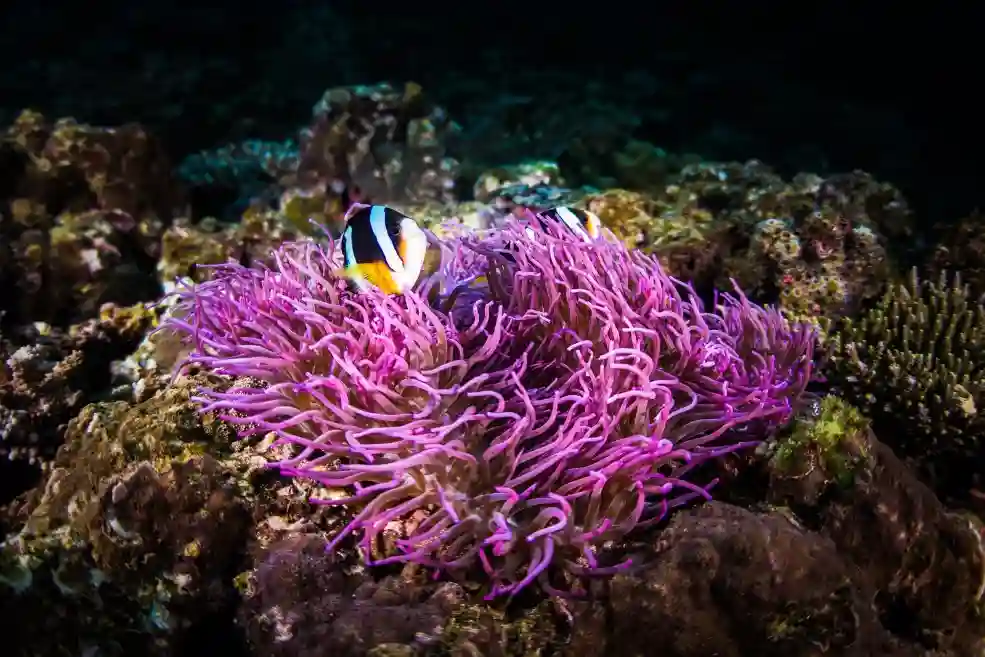
PADI diving licenses come in various levels, from beginner to advanced, making it easy to get the one that suits your goals.
There are also many member shops in Okinawa, which is another advantage, as it makes it easy to find a tour company where you can get a PADI license.
From here, we explain the features of each PADI license and what you can do after getting it.
Licenses for diving beginners
PADI licenses for beginners come in 3 types: “Scuba Diver (SD),” “Open Water Diver (OW)” and “Adventure Diver (AD).”
All of them are courses for learning basic skills, but they differ in the depth you can dive to and the range of diving experience.
SD: Scuba Diver
- Features: Can be earned in a short time, and you acquire basic diving skills
- Who it’s for: People who want a C-card as a memento of their diving experience
The “Scuba Diver (SD)” is the simplest beginner license and can be earned in as little as 1 day.
After getting it, you can dive to a depth of 12 m, on the condition that you always dive with an instructor.
That means you can’t dive on your own, but because an instructor is always right beside you, even beginners should be able to enjoy diving with peace of mind.
OW: Open Water Diver
- Features: You can plan and make dives yourself, giving you more freedom in diving
- Who it’s for: People who want to start enjoying diving in earnest
The “Open Water Diver (OW)” is the most popular license that PADI offers.
Although it is for beginners, you can dive down to 18 meters, so you can enjoy many dive spots.
With an OW license, you can also dive with divers of the same level or higher.
It can be earned in 2 to 3 days, so you can get it over a weekend.
AD: Adventure Diver
- Features: Learn more advanced skills and broaden your diving experience
- Who it’s for: People who have earned the OW license and want to improve their skills further
The “Adventure Diver (AD)” is a license for people who want to expand their skills further after earning the OW license.
In the AD course, you can learn specific skills such as navigation and deep diving, and you earn it by completing 3 adventure dives.
Also, by acquiring 5 or more kinds of skills in total, you can step up to the intermediate license, the “Advanced Open Water Diver (AOW).”
Licenses for intermediate divers
After earning a basic beginner license, intermediate licenses are available for improving your skills further and taking on a variety of diving environments.
Here we introduce the representative ones, the “Advanced Open Water Diver (AOW)” and the “Rescue Diver (RD).”
AOW: Advanced Open Water Diver
- Features: Learn practical skills such as deep dives and navigation
- Who it’s for: Ideal for people who have earned the OW and want more freedom and adventure in diving
The “Advanced Open Water Diver (AOW)” is an intermediate license for people who want to improve their skills further after earning the Open Water Diver license.
In this course, you learn skills beyond the basics in a practical way, such as deep dives (diving to greater depths) and navigation (techniques for moving underwater using bearings and a map).
With an AOW license, you can dive to a maximum depth of 30 meters, letting you take on a wider variety of dive spots.
RD: Rescue Diver
- Features: Learn skills for dealing with trouble and knowledge about emergencies
- Who it’s for: People who want to make diving safer and support the divers they dive with
The “Rescue Diver (RD)” is a course for raising safety awareness and acquiring skills to prepare for trouble in the unlikely event it occurs.
In the Rescue Diver course, you learn the techniques and knowledge for dealing with emergencies that could happen to other divers or yourself, and raise your awareness as a safer diver.
In diving accidents, a quick response can sometimes save a life, so this is knowledge and experience you should have.
Licenses for advanced divers
For those who want to pursue even more advanced skills after earning an intermediate license, there is the advanced “Master Scuba Diver (MSD).”
This is a diving license for diving as a recreational activity, and it is the highest level of certification.
Licenses beyond this are certifications for instructors or for leading other divers as a leader.
MSD: Master Scuba Diver
- Features: Proof of having comprehensive diving skills
- Who it’s for: There is no dedicated course; it is a certification that recognizes a diver’s experience
The “Master Scuba Diver (MSD)” is a title-like certification among PADI’s advanced licenses, and it is the pinnacle of diving skill as a recreational activity.
To earn the MSD, in addition to the AOW and RD certifications, you must complete 5 specialty courses.
On top of that, experience of 50 or more dives is required, so it can be said that it is very difficult to obtain.
However, holding this certification proves a wide range of skills and knowledge and shows that you can handle difficult environments and specialized diving.
Licenses for dive professionals and staff
For those who want to deepen their diving skills further and work as a professional or instructor, PADI offers professional licenses.
By earning these licenses, a path opens up to work in the diving industry as a guide or instructor.
Representative ones are the “Divemaster (DM)” and the “Instructor Development Course (IDC).”
DM: Divemaster
- Features: Can guide diving tours and assist instructors
- Who it’s for: People who want to make diving their job
The “Divemaster (DM)” is the entry point to PADI’s professional level, a certification that lets you work as a dive guide or assistant instructor.
In the DM course, you learn underwater guiding skills, how to respond to trouble, how to support other divers and more.
By earning this certification, you can serve as a guide on diving tours and assist instructors, making it possible to work in the diving industry as a professional.
IDC: Instructor Development Course
- Features: Lets you work as a diving instructor and issue various licenses
- Who it’s for: People who want to teach diving or work as an instructor
The “Instructor Development Course (IDC)” is a course for polishing your diving skills further and earning an instructor qualification.
By completing this course and passing the exam, you can become a PADI certified instructor, able to issue various licenses and conduct training.
The IDC covers the comprehensive skills of an instructor, such as professional teaching skills and safety management techniques for students.
If you can get this far, living and working in Okinawa will likely become much easier to achieve.
It is also a recommended qualification for those who want to make a living from diving.
Other licenses for divers
There are also special certifications for improving your diving skills further and deepening knowledge that is useful in specific situations.
The “Emergency First Response (EFR) Instructor” and the “Specialty Diver course” are representative.
EFR: Emergency First Response Instructor
- Features: Can teach cardiopulmonary resuscitation and first aid skills
- Who it’s for: Divers who want to raise their safety awareness, and people who want to deepen their first aid knowledge
The “Emergency First Response (EFR)” Instructor is a qualification for teaching CPR (cardiopulmonary resuscitation) and first aid.
This certification includes training in teaching first aid as an instructor, to prepare for emergencies during diving.
Becoming an EFR instructor is recommended not only for divers but for everyone involved in diving.
Specialty Diver course
- Features: Acquire diving skills specialized in specific areas, such as night dives and shipwrecks
- Who it’s for: People who want to enjoy special diving experiences in a variety of environments
The Specialty Diver course is a course for learning skills specialized in a specific area.
You can learn techniques suited to special environments and purposes, such as night diving, wreck diving and drift diving.
Specialty courses not only expand the fun of diving further, but their appeal is that you can choose flexibly according to your own interests and diving style.
Consider what to take according to the dive spots you are aiming for.
The certification beginners should get is the “OW (Open Water Diver)”!
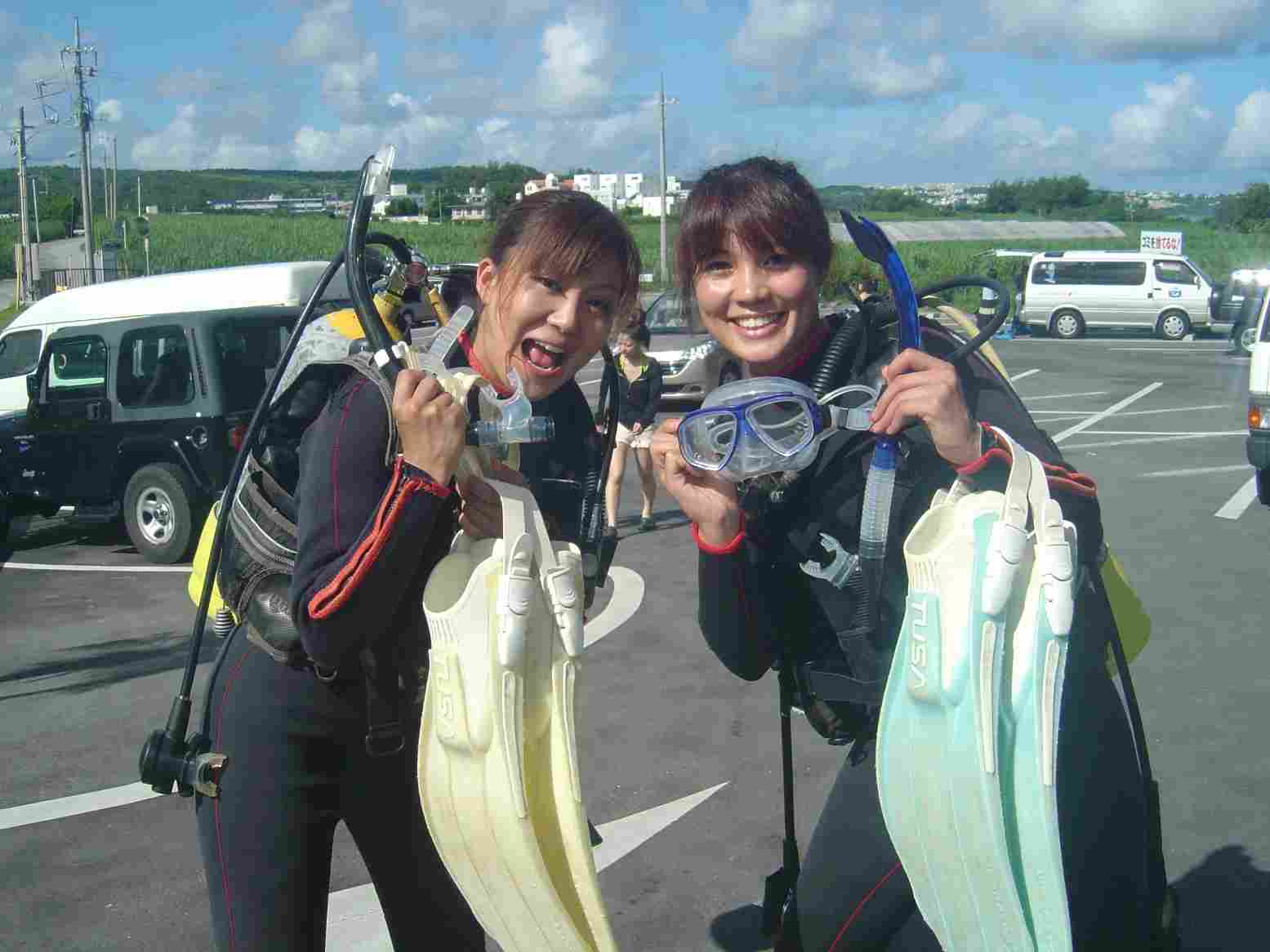
When you start diving, the one we especially recommend for beginners is PADI’s “Open Water Diver (OW)” license.
The OW license is a course where you thoroughly learn basic diving skills and knowledge, and it lets you dive to a maximum depth of 18 meters.
Although it is for beginners, it is accepted at many dive spots, making it ideal as your first license.
You can acquire basic techniques and knowledge, and it can be earned in as little as 2 to 3 days, so you can prepare properly in a short time.
This certification is accepted by diving tour companies around the world, so on your next trip you can smoothly enjoy diving and stepping up your certification.
Getting your OW is the best start for anyone who wants to take on diving.
To enjoy the sea of Okinawa to the fullest, get the “AOW (Advanced Open Water Diver)”!
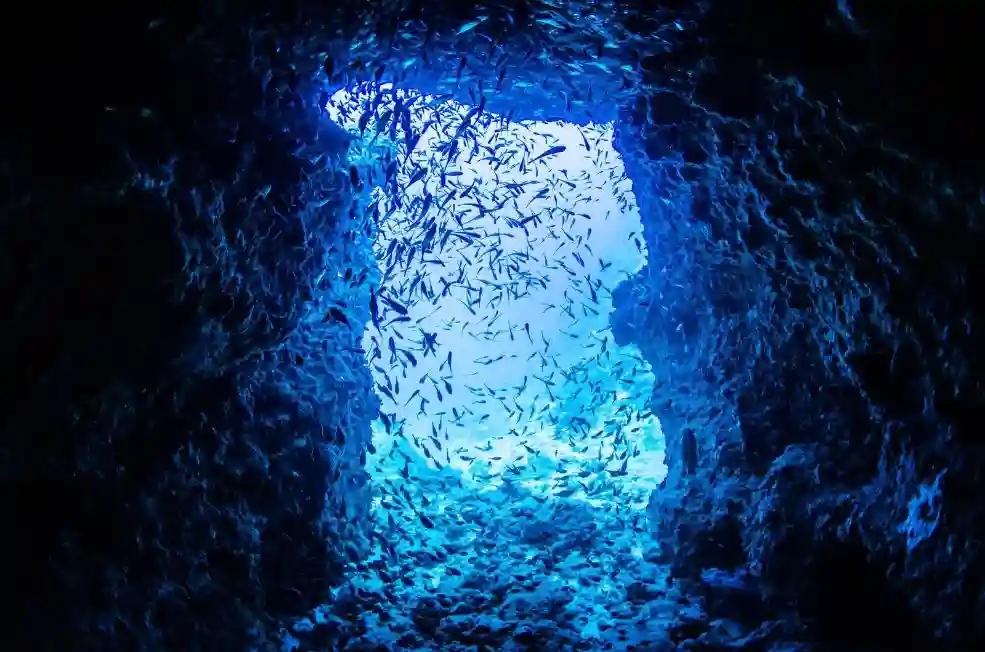
If you want to fully enjoy Okinawa’s beautiful sea, we recommend going one step further and getting the “Advanced Open Water Diver (AOW)” license.
With the AOW license, you can dive to a maximum depth of 30 meters, so the range of what you can explore widens all at once.
In addition, you acquire deep diving and navigation skills, so you can safely enjoy even Okinawa’s complex terrain and places with currents.
You will also be able to enjoy adventures that are hard to experience with a regular OW, such as night diving and drift diving.
If you want to make your diving in Okinawa more fulfilling, we absolutely recommend stepping up to the AOW!
Get it in just 2 days: the process for getting the beginner diving license, the “OW”
For the “Open Water Diver (OW),” recommended for those who want to enjoy diving in earnest, there is a short intensive plan that lets you earn the license in just 2 days.
Why not take it on with friends over your next long weekend and enjoy the wonderful underwater world?
STEP 01: Classroom session (about 1 hour)
First, you start with a classroom session on the basics of diving and the changes your body goes through underwater.
The instructor teaches kindly and carefully so that you really absorb the knowledge.
The classroom session covers basic rules for improving safety while diving, the effects of pressure changes on the body, and more.
This gives you a solid foundation for diving safely and comfortably.
STEP 02: Confined water session (about 3 hours)
After the classroom session comes the confined water session, held in a shallow place where you can stand.
In this session, you learn how to set up and operate your diving equipment and practice breathing underwater.
You will also carefully practice basic skills such as what to do if your regulator comes out and how to adjust your buoyancy, getting used to diving.
The instructor stays right beside you and supports you so that even first-timers can acquire the skills with peace of mind.
STEP 03: Open water session (about 5 hours)
Finally, there is the open water session, where you experience diving in the sea.
In this practice, the aim is to put the skills you practiced in confined water to use in an ocean environment at a depth of 5 meters or more, and to get used to diving.
Beyond simple practice, we also set aside plenty of time for swimming so that you can fully enjoy Okinawa’s beautiful sea.
The instructor gives advice suited to each person’s level and supports your skill improvement, so you should be able to enjoy the dive as well.
Get your license in 2 days! Become a diver who can play in seas all over the world!
Once you earn the OW license in this 2-day course, you will be able to dive with friends at a variety of dive spots around the world.
It is the ideal course for those who want to taste the fun of real diving that you can’t get from introductory diving, and for those who want to start diving as a hobby.
Come learn to dive in Okinawa’s beautiful sea and explore the wonderful underwater world!
To get a diving license in Okinawa, choose a PADI member tour company!
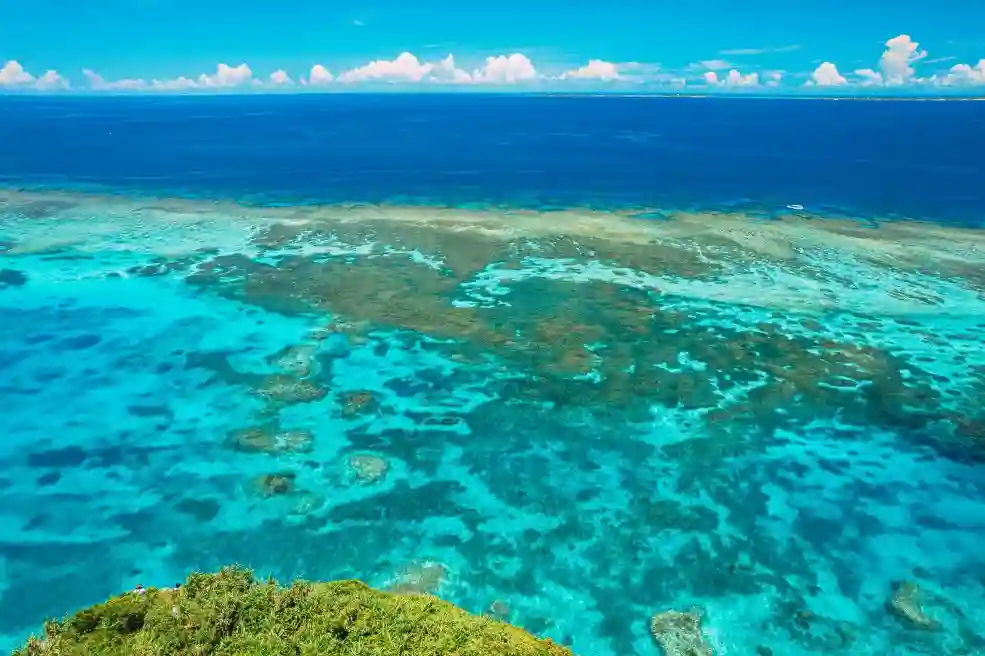
If you are going to get a diving license, it is important to choose a trustworthy PADI member tour company.
That is because a PADI member tour company provides internationally recognized training content, ensuring the quality and safety of instruction.
By learning at a PADI member tour company, you can acquire solid knowledge and skills under reliable instructors and a reassuring support system.
For those who want high-quality instruction, or who want to use their license globally even after getting it, we recommend getting it at a PADI member tour company!
Diving license types Q&A
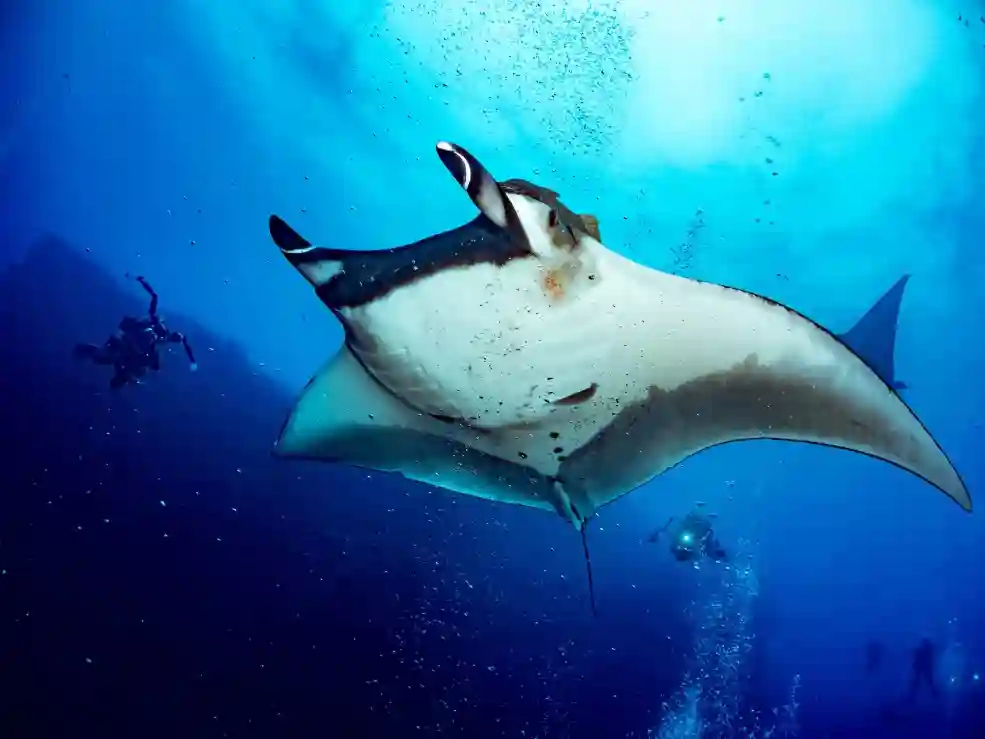
What is the difference between Open Water Diver and Advanced Open Water?
The “Open Water Diver (OW)” and the “Advanced Open Water Diver (AOW)” are both diving licenses offered by PADI, but they differ in the depth you can dive to and in skills.
The “Open Water Diver (OW)” is a basic license for beginners, and it lets you dive to a maximum depth of 18 m.
With this license, you learn basic diving skills and become able to enjoy diving safely.
The “Advanced Open Water Diver (AOW)” is an intermediate license for stepping up after earning the OWD, and it lets you dive to a maximum depth of 30 m.
In this course, you learn practical skills such as “deep dives” and “drift diving,” making it possible to gain experience at more dive spots.
The usual progression is to learn the basics with the OW and then hone a broader range of diving skills with the AOW.
How long does it take to get a license?
The number of days required differs depending on the type of license.
Below are the time periods for the certifications you can earn when you are just starting out in diving.
- The “Open Water Diver (OW)” can usually be earned in about 2 to 3 days. It varies depending on the schedule and location, but a feature is that you can receive solid training in a short period.
- The “Advanced Open Water Diver (AOW)” can be earned in about 3 to 4 days, and because some of the content overlaps with the OW, some tours have you earn both at the same time.
Even busy people can earn it using a long weekend, so anyone can take part without strain.
There are several tours whose cost, including lodging and diving, comes to 100,000 yen or less, and some are offered at low prices of 50,000 yen or less.
How much does it cost to get a license in Okinawa?
The cost of getting a license in Okinawa varies by course and area, but for the Open Water Diver (OW) it is generally about 50,000 to 80,000 yen.
This may also include lodging and diving costs.
Also, moving up to the advanced course (AOW) generally costs an additional 40,000 yen or so.
In addition, depending on the off-peak season or the tour company, there may be special discounts, so it’s a good idea to check before booking.
By sightseeing in Okinawa while you get your diving license, you can enjoy a holiday that offers great value for money.
Which diving license lets me dive at lots of spots?
Basically, if you hold the “Advanced Open Water Diver (AOW),” you can enjoy diving at a variety of spots.
However, each spot may have its own rules and conditions.
For example, at deep locations or areas with strong currents, a certification from a “specialty diver course” other than Advanced Open Water is generally required.
Also, some spots may require a certain number of logged dives.
If there is a spot you have your eye on, consult a local guide or instructor and ask whether you can dive there.
Is there any benefit to taking on a higher license after getting a C-card?
There are many benefits to taking on a higher license!
- You can dive deeper, so you can have special experiences such as deep diving and wreck diving!
- By learning “underwater navigation” and “rescue techniques,” you improve your safety while diving and gain skills to support other divers!
- Holding an advanced license makes it easier to take on diverse dive spots around the world, so you can take on an even wider world!
By raising your license level step by step, your range as a diver widens, and you can enjoy a safer and more fun diving life.
Make a plan right away to earn the “Scuba Diver (SD)” and “Open Water Diver (OW)” and dive into the fun world of diving!
Summary
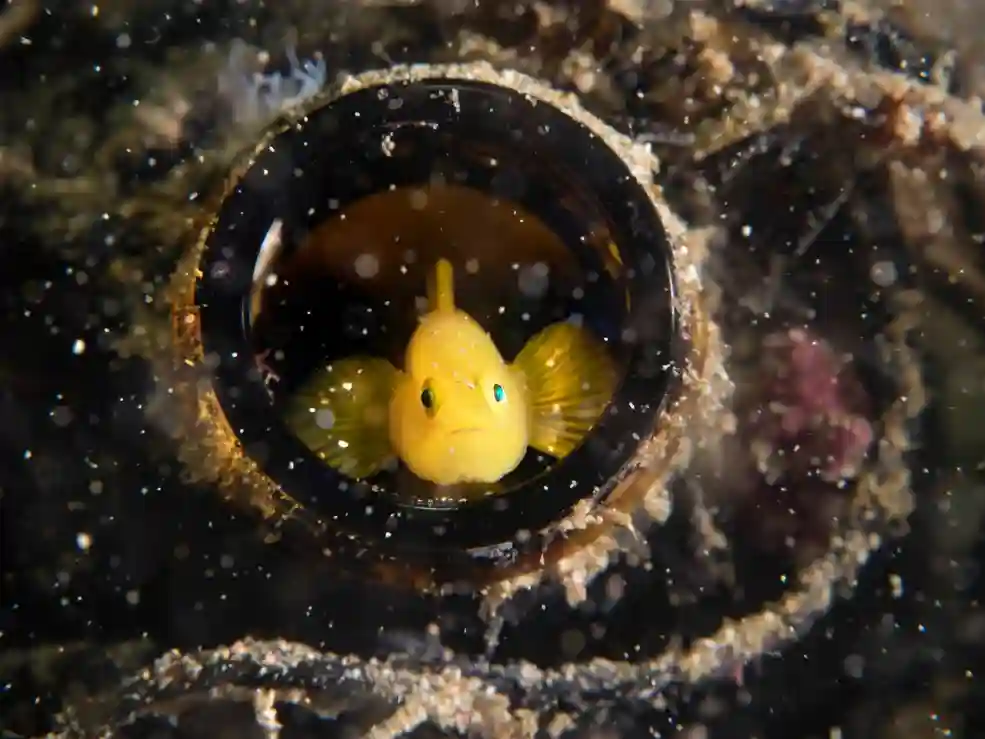
It’s a waste to just look at or just swim in Okinawa’s beautiful sea!
Take a step forward and get a diving license, and you can freely access the underwater world everyone dreams of.
In Okinawa’s sea, surrounded by coral reefs and with outstanding clarity, colorful tropical fish and mysterious sea creatures will greet you as if welcoming you!
With a 2-day short intensive course at a PADI member shop, even beginners can get a license without strain to fit their schedule.
Even if you have never dived, instructors will support you carefully, so you can learn with peace of mind.
Please come to Okinawa and fully enjoy the real charm of the sea that you can’t get from “introductory diving.”
Now, get your diving license in Okinawa and start your adventure under the sea!