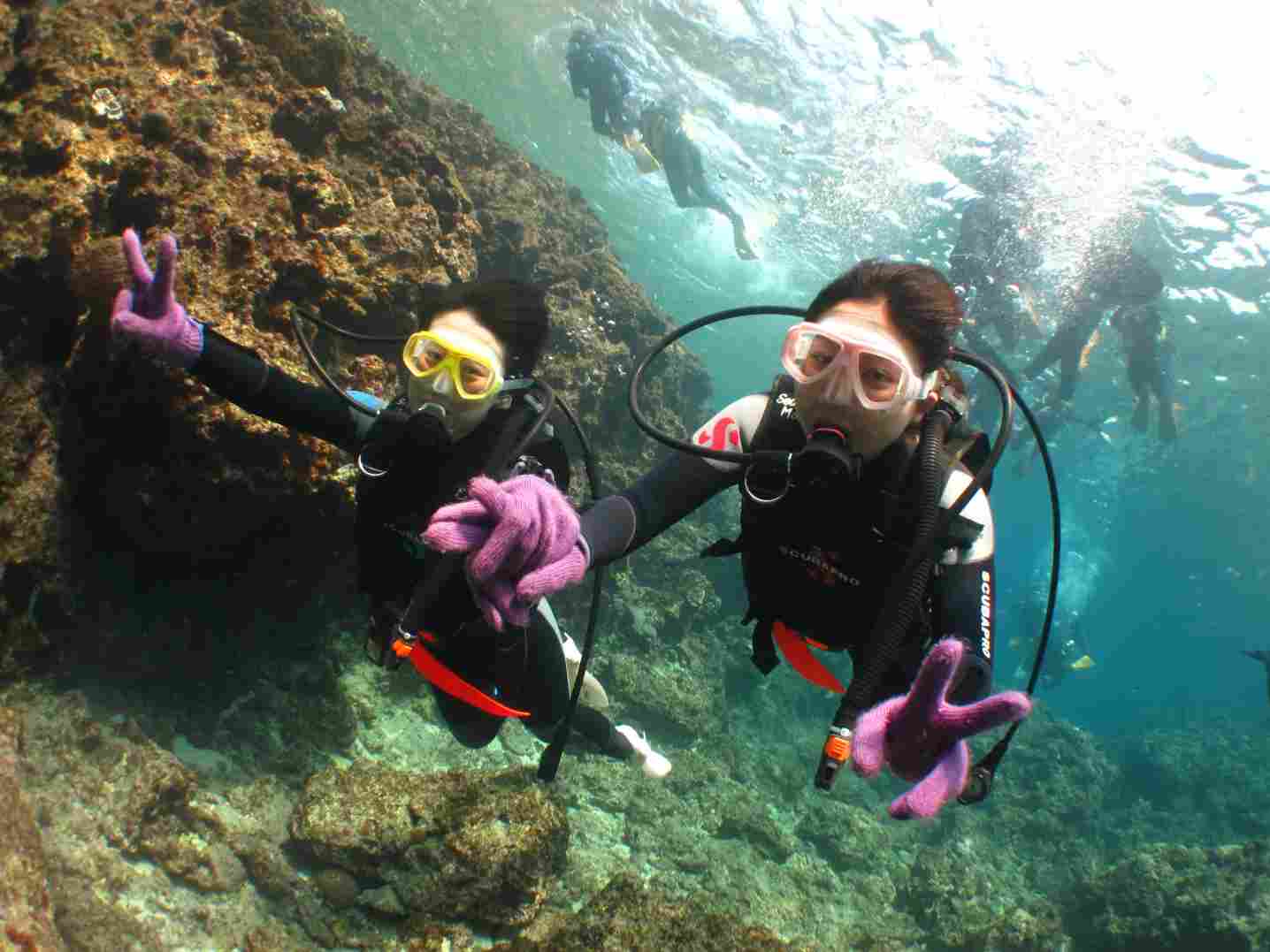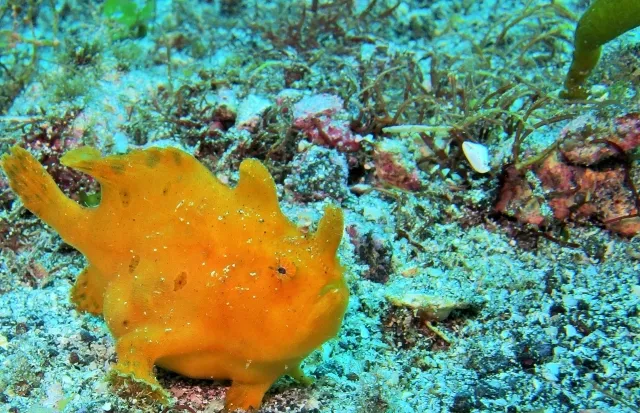
Okinawa's beautifully transparent sea is an ideal place for beginner divers to get started. Still, for a first dive, there are plenty of questions, such as "Which spots are safe?" and "What preparation do I need?" In this article, we have carefully selected beginner-friendly diving spots in Okinawa and introduce the appeal of each, along with tips for enjoying them safely.
What you will learn in this article
We introduce the information you need for beginner diving in Okinawa under the headings below.
- 5 recommended diving spots for beginners in Okinawa
- Diving preparation and basic precautions
- Aftercare and how to share your experience after diving
Diving in Okinawa's beautiful sea is a special experience that goes far beyond an ordinary activity.
Through this article, we hope you will gather thorough information, from preparing for your dive to the dive itself and aftercare, so you can take on diving with confidence.
Okinawa, a beginner-friendly diving paradise
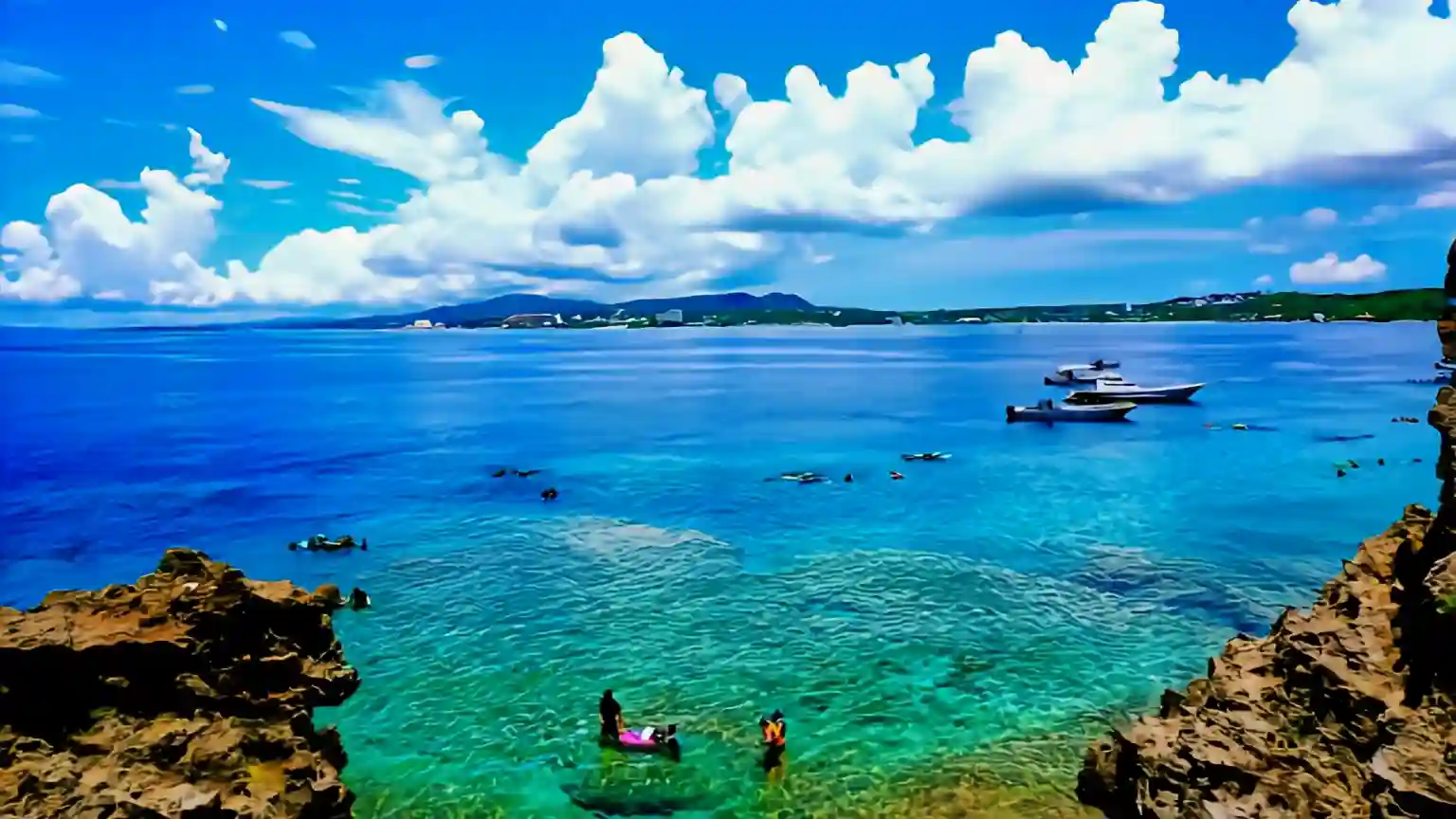
Okinawa is truly an ideal diving paradise, friendly even to beginner divers.
Its greatest appeal is a natural environment blessed with clear blue water and a rich ecosystem.
Okinawa's sea is highly transparent and has many gently sloping, shallow areas, so even first-time divers can enjoy it with peace of mind.
Thanks to the warm climate, water temperatures are stable, and comfortable diving is possible in any season.
In particular, summer through autumn brings warm water and is the best season for beginners.
The beauty of Okinawa's sea and an ideal environment for diving
Okinawa's sea is home to abundant coral reefs and tropical fish, and the seabed spreads out like a colorful painting.
Because Okinawa is surrounded by the Pacific Ocean and the East China Sea, the marine life seen here is highly diverse, and every spot has its own unique charm.
Because there are many shallow areas in particular, even beginners can get used to being underwater at their own pace while enjoying the beautiful scenery.
Okinawa also offers plenty of introductory diving and beginner-friendly guided tours, so you can enjoy diving with confidence while supported by an instructor.
5 spectacular diving spots in Okinawa for beginners
Okinawa has many spectacular spots that even first-time divers can enjoy easily.
With their beautiful sea, rich ecosystems and areas of gentle currents, they provide an ideal environment even for people trying diving for the first time.
In this article, we introduce 5 diving spots for beginners that we hope you will experience when you visit Okinawa.
Check the appeal and conditions of each spot, and get ready for a safe and enjoyable diving debut.
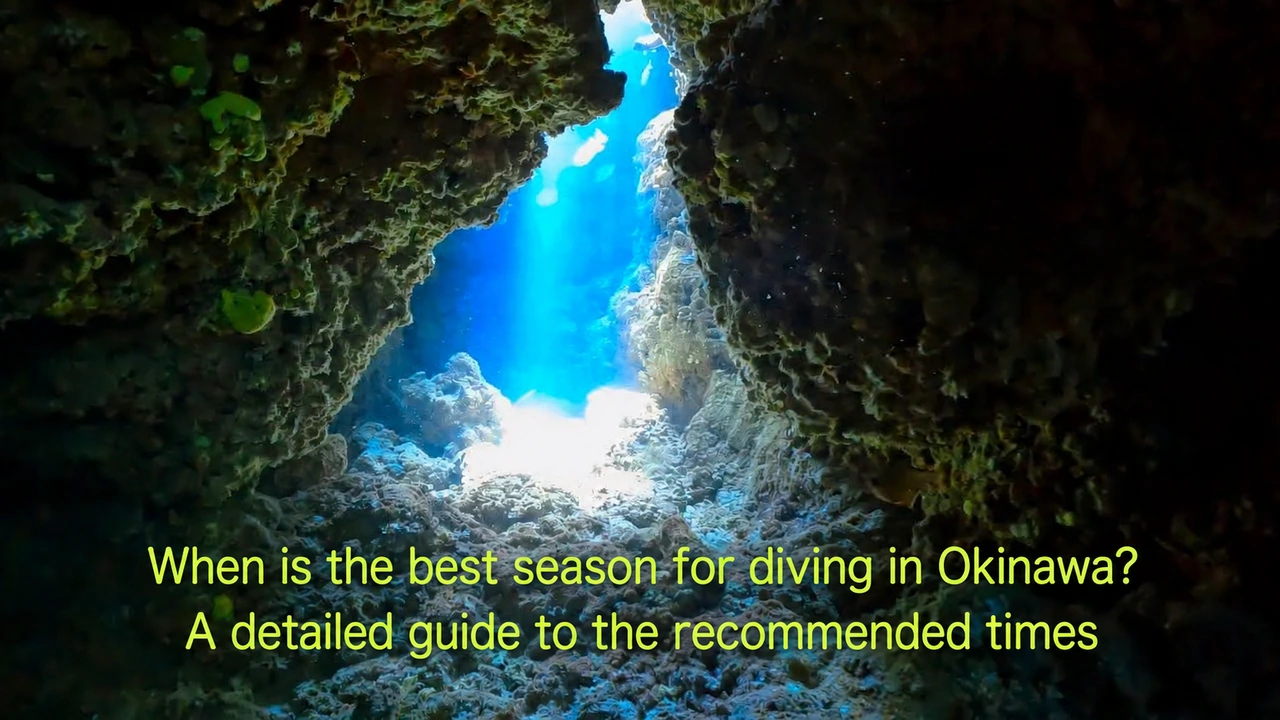
Blue Cave: the appeal of mysterious blue
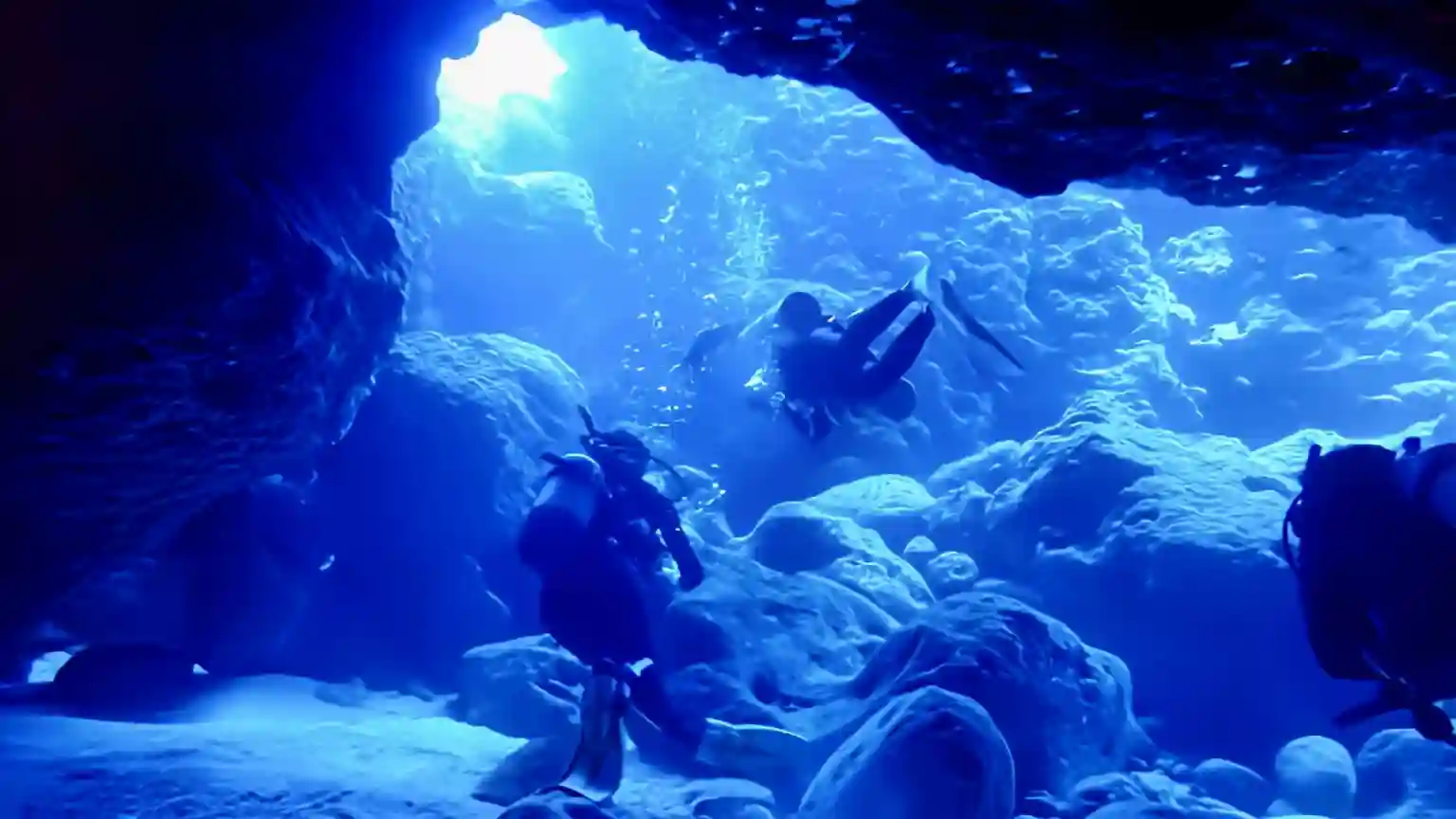
The Blue Cave is located in Onna Village on the main island of Okinawa, and as its name suggests, it is a popular spot known for its mysterious, shining blue scenery.
In this cave, sunlight reflects off the water's surface and the whole cave is wrapped in a dreamlike blue light, creating a unique atmosphere you can enjoy.
In particular, the shade of blue changes depending on the angle of the light and the clarity of the water inside the cave, so visiting under different conditions reveals a different look, which is part of this spot's appeal.
The beautiful sight created by the shining blue water and the tropical fish gathering there overwhelms visitors and offers a special experience that is uniquely Okinawan.
Diving conditions and highlights
The Blue Cave is a spot where even beginners can enjoy diving with peace of mind.
The structure deepens gently from the cave entrance and you can start from relatively shallow water, so first-timers can enter without strain.
The current is also gentle, and snorkeling and introductory diving tours with an instructor are widely available, so you can enjoy it easily even without a license.
Colorful fish live inside the cave, and a spectacular view opens up that makes you want to photograph it with an underwater camera.
In particular, if you enter the cave at a time when light streams in, the underwater scenery lit by blue light looks dreamlike, and you are pulled into another world in an instant.
Also, once you leave the cave, spots with coral reefs and diverse marine life continue, so another highlight is that you can enjoy different environments inside and outside the cave in one trip.
The Blue Cave is easy to get to, and plenty of tours for tourists operate from Onna Village.
Parking and facilities are well developed, so it is easy to visit between sightseeing stops, and it is a recommended spot for beginner divers.
Please be sure to experience the mysterious scenery of the Blue Cave as a memory of your Okinawa trip.
Cape Maeda: meet a wide variety of marine life
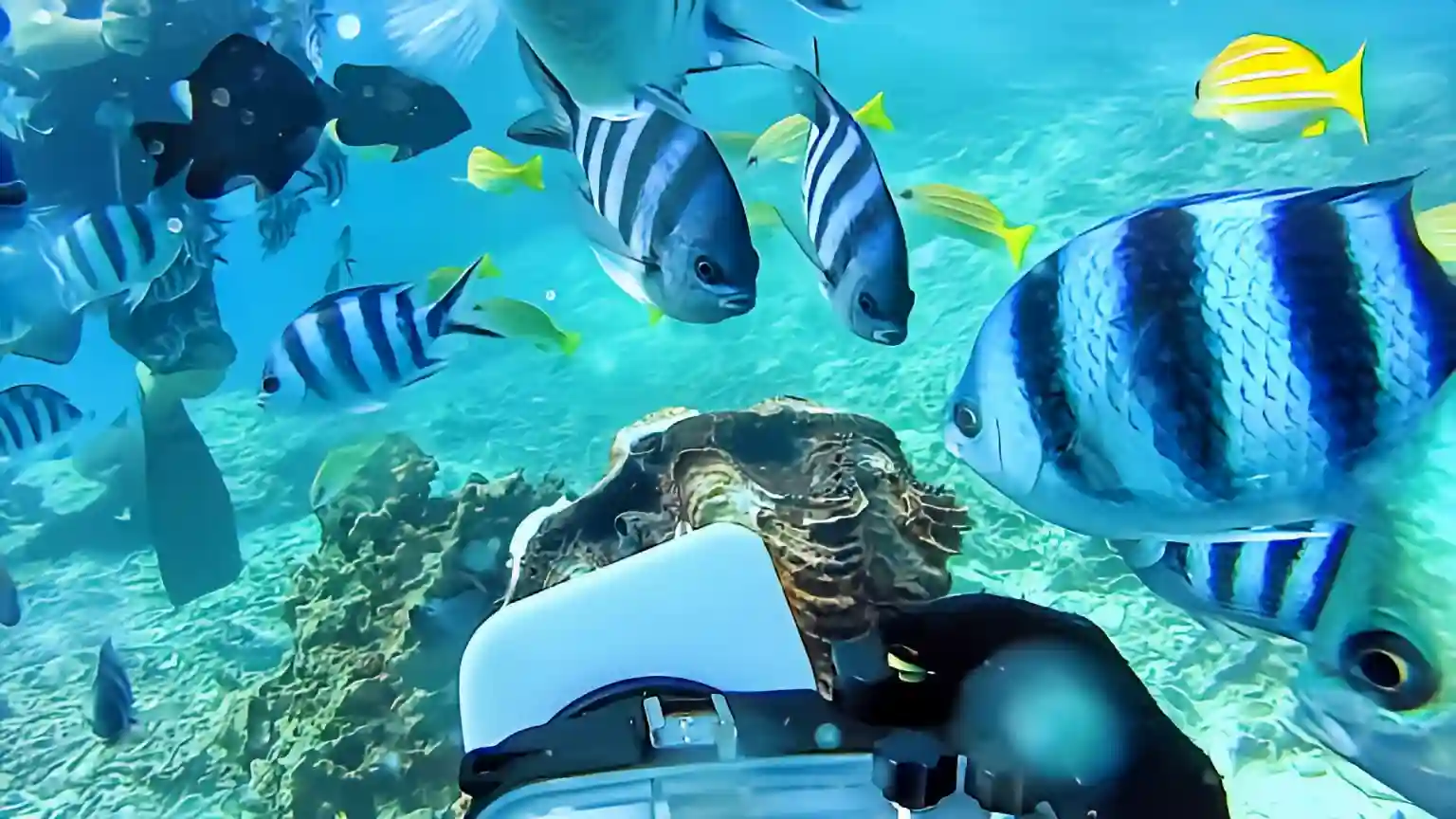
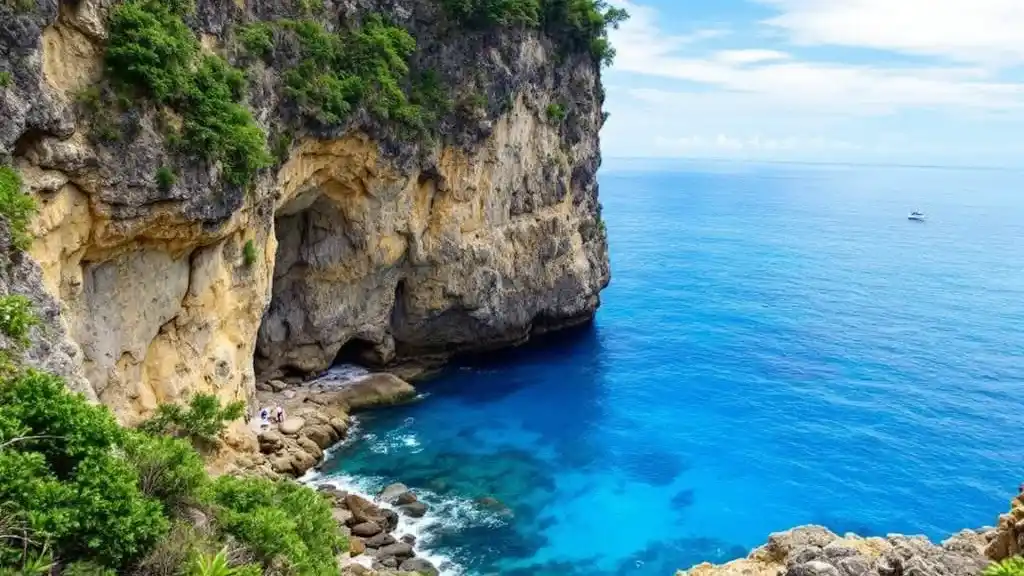
Cape Maeda is located in Onna Village on the main island of Okinawa, and is a popular diving spot that people from beginners to advanced divers can enjoy.
Here you can encounter a rich marine ecosystem, and visitors come constantly to enjoy the abundance of Okinawa's nature.
It is close to the Blue Cave, and you can enjoy both at the same time, so it is an especially recommended area to visit on an Okinawa trip.
Access and features of the sea
Access to Cape Maeda is relatively convenient, about an hour by car from Naha Airport.
Parking and facilities are well developed and many tourists visit, so ease of access is a feature.
The sea also opens up just a short walk from the cape, and you can reach the dive point quickly, so an advantage is that getting around is not a burden even on a first dive.
The sea at Cape Maeda is appealing for its clear visibility and abundant marine life.
The water here is highly transparent, and especially on a day with good weather you can see far into the distance, so even beginners can enjoy the underwater scenery with peace of mind.
Colorful tropical fish and beautiful coral reefs spread across the shallows, and you can observe an ecosystem unique to Okinawa up close.
A feature of Cape Maeda is that the dive points are divided by depth.
You can dive in stages from the shallows to mid-depth to deeper water, so beginners can get used to the water slowly in the shallows and gradually take on deeper water.
Another appeal of Cape Maeda is meeting a wide variety of marine life.
Colorful butterflyfish and clownfish swim in schools and weave their way among the coral reefs, a very beautiful sight, and it is also popular as a photo spot.
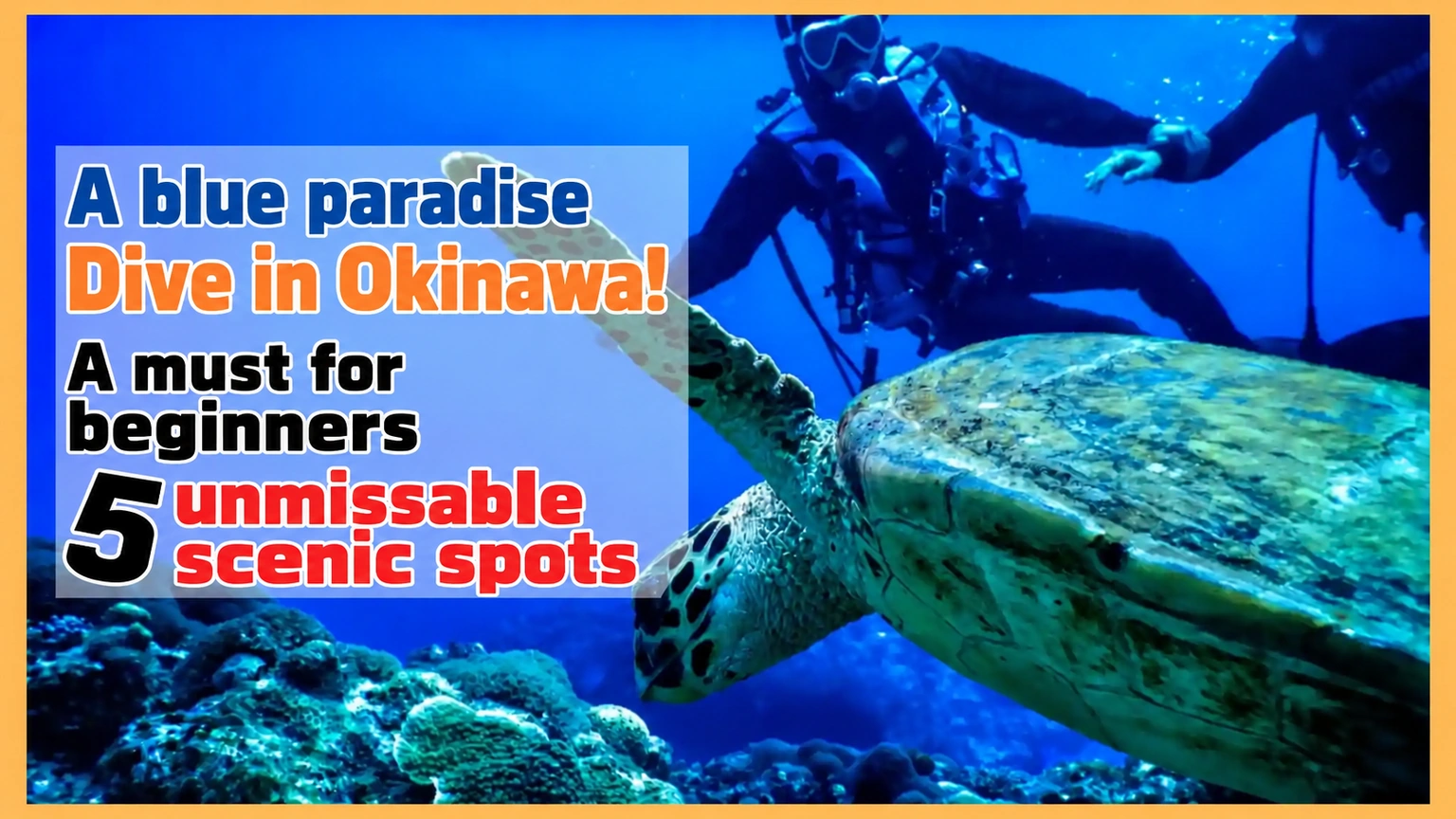
If you are lucky, you may also meet a sea turtle, and seeing it up close would truly be a memory for a lifetime.
Beginners in particular can dive safely in areas with gentle currents, so they can relax and enjoy the marine life.
At Cape Maeda, introductory diving and snorkeling tours for beginners are widely available.
You can take part with the support of an instructor even without a license, so even a first dive can be experienced without worry.
Snorkeling in particular centers on activity in shallow water, so even people who are not confident in their stamina can join in easily and spend relaxed time watching tropical fish.
Many tours also have instructors explain their knowledge of marine life, so you can enjoy learning rather than just looking.
Cape Maeda is a perfect spot even for beginners, not only because you can taste the rich beauty of Okinawa's sea, but also because you can look forward to encountering many creatures.
Onna Village: a coral reef sea that is kind to beginners
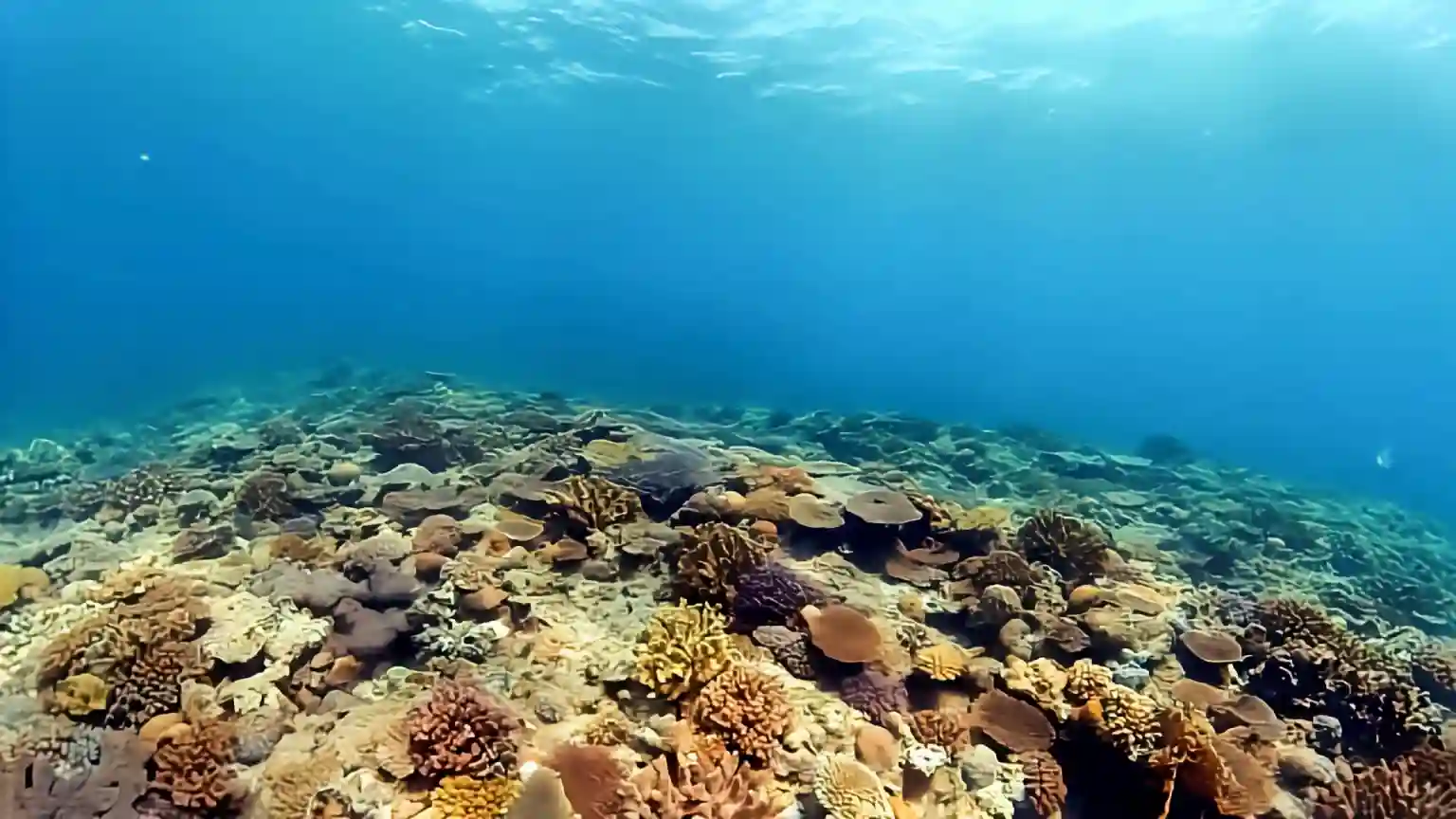
Onna Village is located on the west coast of the main island of Okinawa, an area with highly transparent blue water and beautiful coral reefs.
This area is one of the most popular diving spots in Okinawa, and is known for calm water that even beginners can enjoy with peace of mind.
Onna Village has points scattered around where you can dive in stages from shallow to deep water, providing an environment that is easy for beginners to take on.
Easy access is another appeal of Onna Village, about an hour by car from Naha Airport, which makes it very convenient and an area many tourists visit.
Parking and facilities are well developed and it is easy to visit between sightseeing stops, but it is expected to get crowded during the tourist season.
When making plans, avoiding the peak tourist season lets you enjoy diving more comfortably.
Introducing diving spots in Onna Village
Diving spots in Onna Village include Cape Maeda and the Blue Cave, where beautiful coral reefs spread out in particular, as well as areas such as Moon Beach and Manza Beach, and all have environments suited to beginners.
These spots all have gentle currents and let you start diving from relatively shallow places, so beginners can get used to being underwater slowly.
In Onna Village, coral is especially abundant, so another big appeal is that you can enjoy the beautiful seabed scenery together with colorful tropical fish.
- Moon Beach: Known for its beautiful coral reefs spreading across the shallows, it is popular as an area where beginners can dive safely. The water is shallow and highly transparent, so even first-timers can relax and enjoy the underwater scenery. The surrounding area also has gentle currents and an environment suited to beginners, so you can enter the sea with peace of mind.
- Manza Beach: Famous as a spot for beginners, Manza Beach lets you enjoy broad coral reefs and a wide variety of marine life. You can see sea turtles and many kinds of tropical fish, so beyond simply diving, there is great joy in observing living creatures up close. By starting from the shallows where the coral reefs spread out, you can fully enjoy the beauty of nature even on a first dive.
In Onna Village, introductory diving and snorkeling tours for beginners are also widely available, and a highlight is that you can join easily even without a license.
With the support of an instructor, even first-timers can experience the beauty of Okinawa's sea with peace of mind.
There are also tours where instructors explain coral reefs and tropical fish in detail, and being able to enjoy learning about Okinawa's marine life is another appeal unique to Onna Village.
The sea in Onna Village is extremely transparent, and on a sunny day the view stretches far into the distance.
For that reason, even beginners can dive safely with clear visibility, and it can be called an ideal area for a diving debut.
Onna Village is also well equipped as a tourist area, with plenty of activities besides diving that let you fully enjoy a resort atmosphere.
Being able to enjoy a relaxed underwater stroll in a resort area in harmony with Okinawa's nature is an experience unique to Onna Village.
Ishigaki Island: encountering manta rays
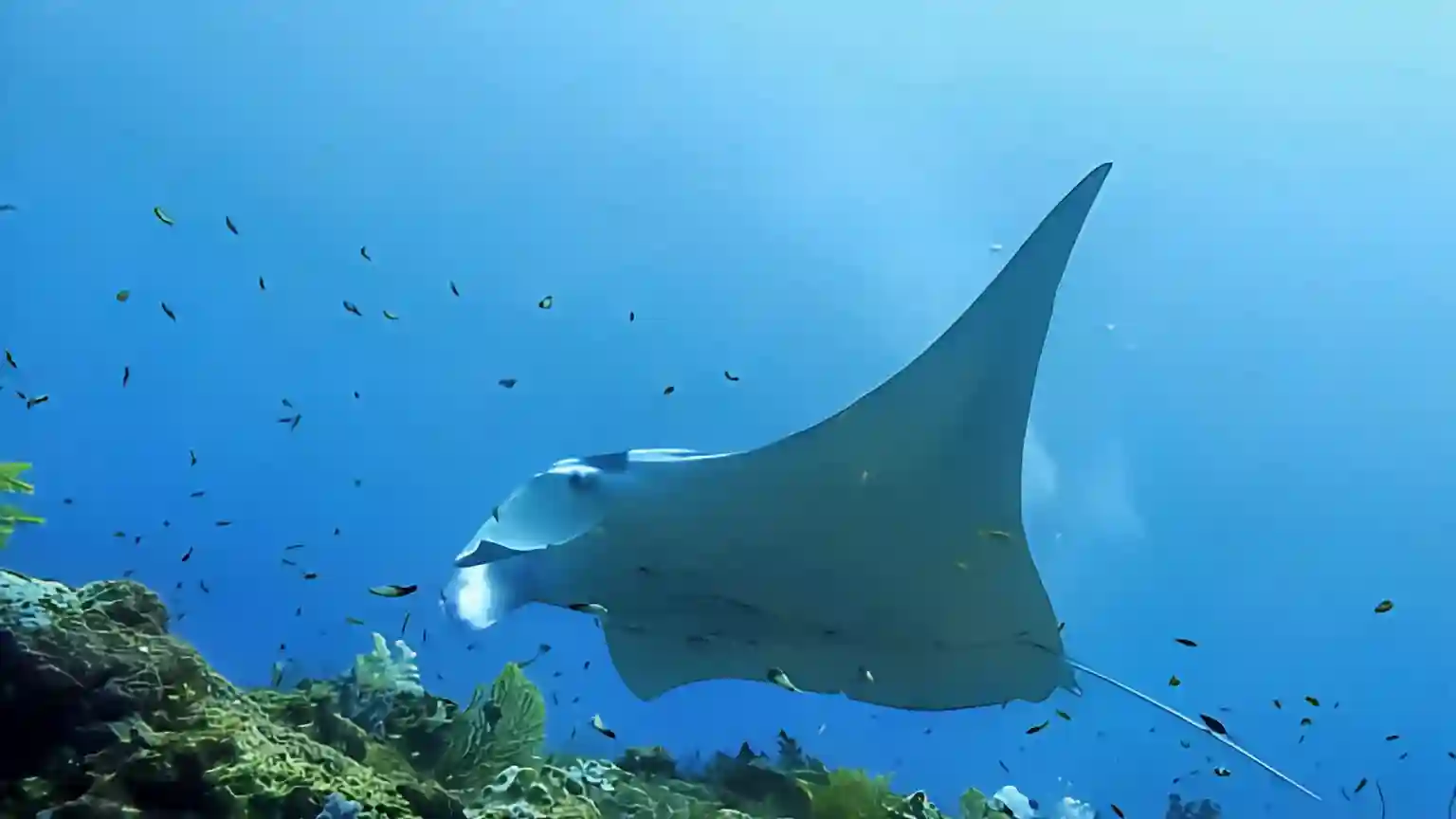
Ishigaki Island lies further south of the main island of Okinawa and is a resort area with beautiful sea and rich nature.
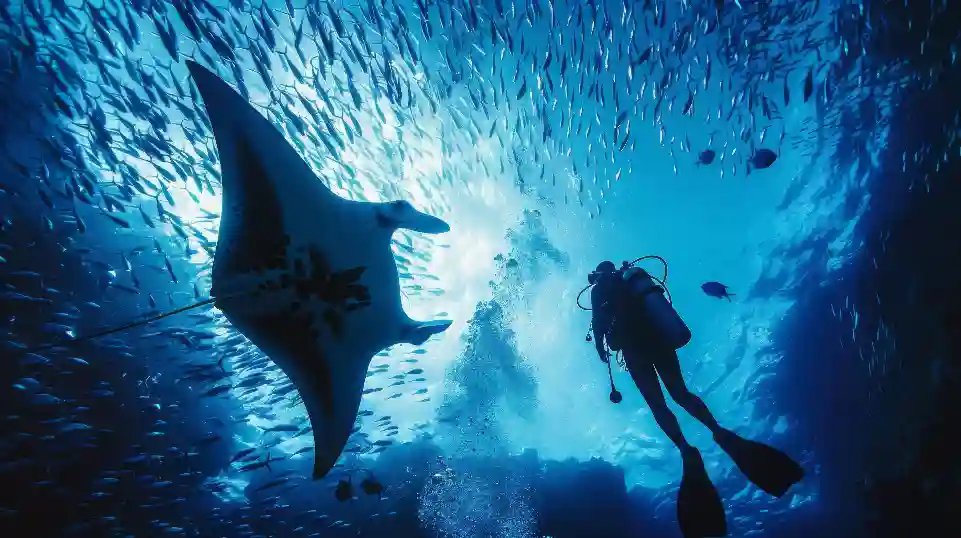
This island is especially famous as a diving spot where you can hope to encounter manta rays, and it is a place where divers from around the world gather.
The manta rays of Ishigaki Island glide leisurely with their wings spread wide, and their powerful presence is sure to captivate you.
It is a spot popular even with beginner divers, and with the support of veteran guides, you can fully enjoy Ishigaki Island's rich marine ecosystem.
Best season and manta points
The best season to see manta rays on Ishigaki Island is summer through autumn, and they are said to be seen most often from around September to November.
During this period the sea is calm and transparency is high, so even beginners can enjoy encountering manta rays with clear visibility.
Manta rays gather in this area in search of plankton, and you can watch them swimming slowly around the coral reefs.
In particular, many diving tours are offered to match this season, so it is ideal for anyone who wants to make an encounter with manta rays more certain.
"Kabira Bay," known as a representative manta point on Ishigaki Island, is a spot with a very high chance of meeting manta rays, though this varies with weather and season.
Here you can see manta rays swimming slowly in gentle currents, and even beginners can observe them while relaxing.
At Kabira Bay, manta rays often rest in an area called a cleaning station, and the high likelihood of seeing them in this area is another appeal.
At a cleaning station, manta rays gather to have other small fish clean the surface of their bodies, and being able to see this natural activity up close is also an experience unique to Ishigaki Island.
When enjoying an encounter with manta rays, support from an instructor is essential.
Manta points in particular are delicate areas, and strict rules are set to protect the ecosystem while still allowing you to enjoy diving.
Even beginners can experience manta ray watching with peace of mind if they follow the instructor's directions.
It is also desirable to keep a certain distance when observing so as not to stress the manta rays.
Because the guide explains things carefully, even beginners can enjoy the experience without strain while staying mindful of the natural environment.
Besides Kabira Bay, Ishigaki Island has several other places where manta rays can be seen, and flexible tours that change locations according to wind and current conditions are also available.
Even when no manta rays are seen, colorful tropical fish and beautiful coral reefs spread across Ishigaki Island's sea, so you can still fully enjoy the rich marine life.
The sea around Ishigaki Island is extremely transparent with good visibility, so even beginners can enjoy an underwater stroll with peace of mind.
Miyako Island: undersea caves full of a sense of exploration
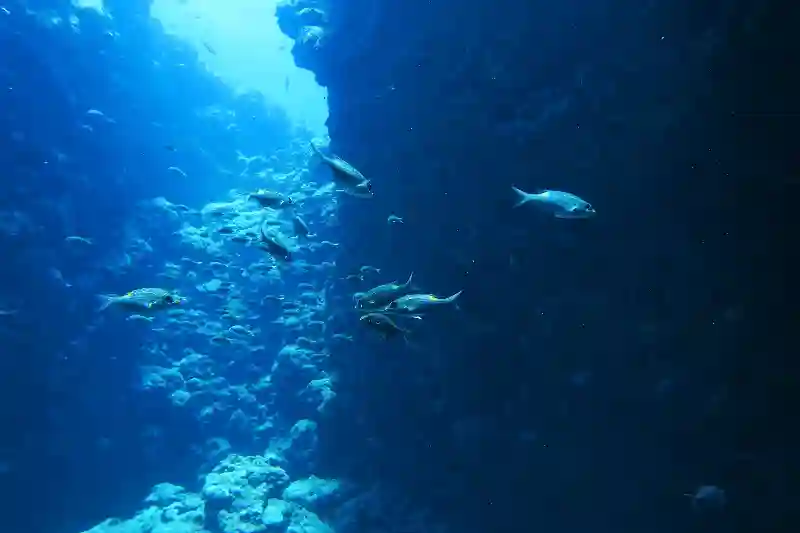
Miyako Island lies in the remote island area of Okinawa Prefecture and is known as a diving spot with rich nature and beautiful sea.
Among its sites, it is popular with many divers as a place offering the unique diving experience of exploring undersea caves.
Miyako Island's undersea caves are characterized by intricately winding caves and arch-shaped terrain, giving you the feeling of having jumped into an adventure movie.
It has a variety of spots that people from beginners to advanced divers can enjoy, and is especially recommended for anyone who wants to experience a thrill.
A special diving experience on Miyako Island
For undersea cave diving on Miyako Island, "Antonio Gaudi" and "Toori-ike" are especially famous.
"Antonio Gaudi" is the name of a spot with unique, dreamlike terrain that looks as though it were created by the Spanish architect Gaudi.
At this point, where huge arches and caves connect one after another, scenery like a sculpture made by nature spreads out, and divers can feel as if they were in an underwater art museum.
This area is relatively deep, but with the support of a guide, introductory diving tours that even beginners can enjoy with peace of mind are available.
"Toori-ike" is also a famous site on Miyako Island, and a spot that offers a unique diving experience.
Toori-ike is a huge undersea cave connected to the sea, and a special area where fresh water and seawater mix.
Here, the mixing of seawater and fresh water changes how water refracts light, so you can enjoy a distinctive view.
Depending on how the light enters, the whole pond changes to a beautiful blue or green, and the scenery is truly mysterious.
Toori-ike also has areas where the paths inside the cave are narrow and thrilling, so it is an especially recommended exploratory spot for people with a little diving experience.
In undersea cave diving on Miyako Island, the appeal is that you can enjoy not only the terrain but also the ecosystem.
Inside and around the caves live brightly colored tropical fish and nudibranchs, and you may even encounter nocturnal creatures.
The scenery inside the cave also differs depending on how the light streams in, and depending on the timing, a dreamlike curtain of light may appear.
This mysterious environment is why many divers visit, as a special experience unique to Miyako Island.
Tours and introductory diving for beginners are widely available, and with the support of an instructor you can safely enjoy Miyako Island's undersea caves.
You will also be carefully taught the precautions inside the cave and diving techniques, so even a first cave dive is reassuring.
Also, Miyako Island's sea is highly transparent, and on a day with good weather you can see far into the distance, so even beginners can enjoy diving with clear visibility.
Diving on Miyako Island should offer a special experience that goes beyond mere sightseeing and stirs your sense of nature's wonder and adventure.
Diving amid the complex, beautiful terrain, the diverse marine life and the dreamlike light will surely become a memory you never forget.
Diving basics every beginner should know
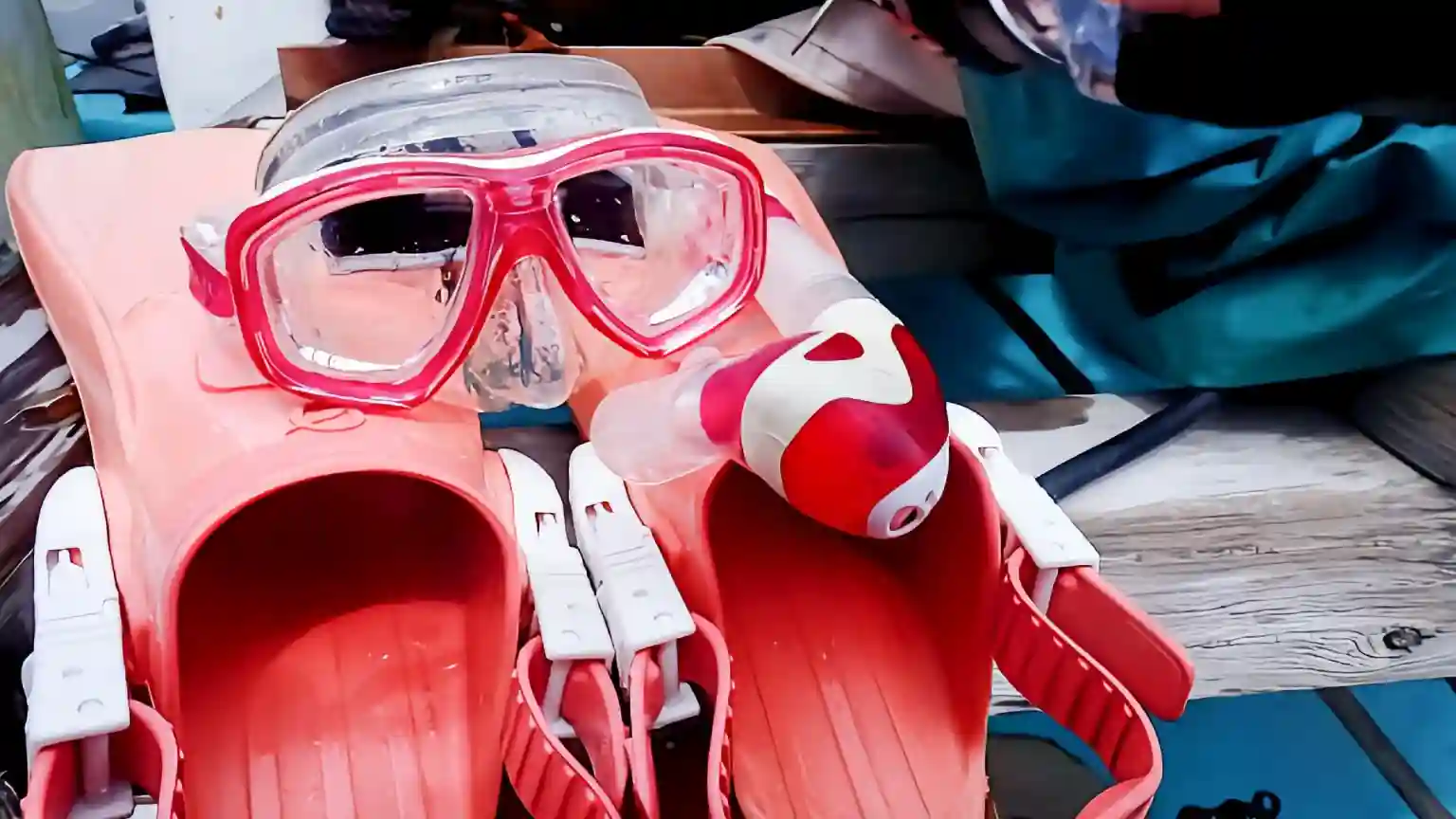
Diving is an appealing sport that lets you enjoy beautiful underwater scenery, but preparation in advance is essential to enjoy it safely.
For beginners in particular, it is important to understand basic diving knowledge, equipment checks and how to respond in an emergency.
Here, we explain in detail the diving preparation and safety points that beginners should know.
Preparing before your dive
To make your first dive a success, thorough preparation in advance and equipment checks are essential.
The equipment needed for diving plays an important role in ensuring comfort and safety underwater.
Required equipment and checklist
| Equipment | What to check |
|---|---|
| Wetsuit | Protects you from cold water, jellyfish and more. One that fits your body and is easy to move in is ideal. |
| Diving mask | Choose a diving mask that fits your face securely. Beginners should practice mask clearing (how to remove water from inside the mask), which gives peace of mind in case of an emergency. |
| Fins | Choose a size that fits your feet; lightweight, softer ones are best for beginners. |
| Snorkel | Helps you breathe at the surface. Choosing one that fits makes it comfortable. |
| Regulator | The device for breathing the air in the tank. Check that it works together with your instructor. |
| Tank | Check the remaining air. Follow your instructor's directions. |
| BCD (buoyancy control device) | Equipment for adjusting buoyancy. Choose one that fits your body and get used to how it operates. |
Managing your condition and health checks
- Get enough sleep: Rest well the day before diving to get in good condition.
- Cut back on alcohol: Avoid drinking the day before, and make a point of staying hydrated on the day.
- Check for existing conditions: If you have a heart or respiratory condition, consult a doctor.
- Ear or nose problems: Because they affect ear equalization, do not push yourself if you have a cold or a stuffy nose.
Tips for safe diving
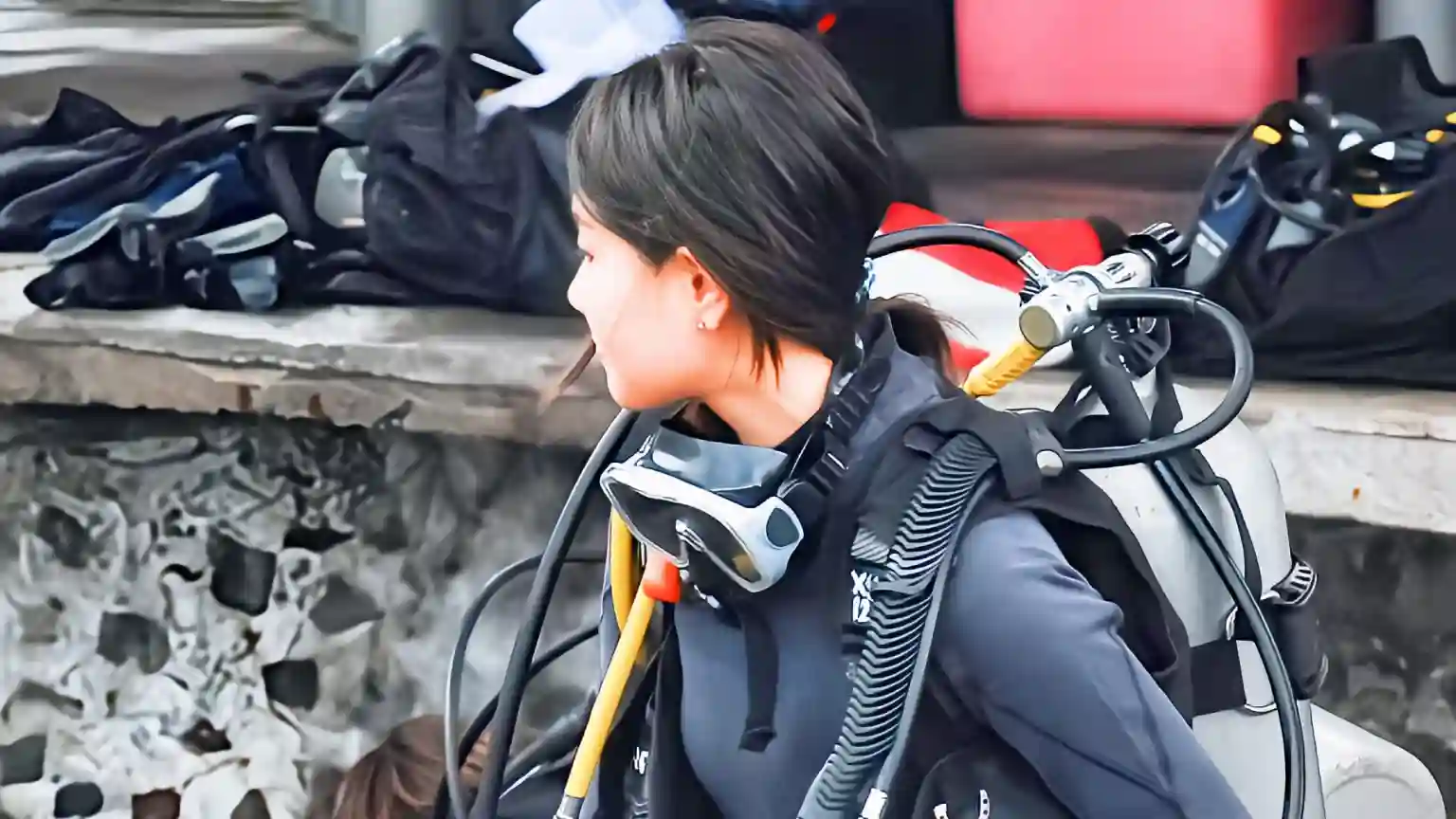
Underwater you cannot speak, so communicating with hand signals is the basic approach.
These signals are an important means of diving while keeping yourself safe.
We introduce the basic diving signals beginners should know and how to use them.
Basic diving signals and safety manual
Basic diving signals
- OK signal (make a circle with your thumb and index finger): The basic signal meaning there is no problem and you are fine.
- Ascend signal (thumb pointing up): Used when you want to ascend or need to ascend.
- Descend signal (thumb pointing down): A signal used when you want to go deeper or when descending.
- Help signal (wave one hand horizontally): Used in an emergency or when you are in trouble.
- Ear equalization signal (point at your ear with a finger): A signal given when you need to equalize your ears.
Safety manual
- The importance of ear equalization: Equalizing is necessary to prevent ear pain from water pressure changes while diving. Beginners in particular often have trouble equalizing, so follow your instructor's directions, equalize without forcing it, and if you feel pain, ascend a little and adjust.
- Ascent rules and decompression: A rapid ascent puts strain on the body, so the basic rule is to ascend slowly. Use a dive computer and keep to an appropriate ascent rate.
- Buddy system: By staying with a buddy (a partner), you can respond quickly if something goes wrong. Always check each other's equipment and condition.
- Confirm the pre-dive briefing: Use the instructor's briefing in advance to understand the dive point and emergency procedures.
Aftercare and how to share your experience after diving
After enjoying your dive, proper aftercare helps you recover and stay energetic the next day.
Recording your precious experience and sharing it with others also deepens your memories.
Managing your condition after diving
- Hydration and nutrition: Replenish the fluids lost during a long dive and take in nutrition as well. Try to eat meals rich in protein and vitamins.
- Warm your body: Warm your body, chilled by the sea, with a hot shower to promote recovery from fatigue. Stretching to loosen your muscles will reduce tiredness the next day.
- Get plenty of rest: Diving takes physical energy, so it is important not to push yourself and to rest slowly.
Sharing and recording your experience
- Use photos and videos: Shooting the beautiful underwater scenery with a waterproof camera and sharing it on social media is a nice way to share the experience with friends and family.
- Keep a dive log: Recording your dive time, depth and the creatures you saw in a dive logbook will help next time. Writing down your instructor's advice is also useful for improving your skills.
- Make a photo book: If you collect your favorite photos into an album or photo book, it will become a wonderful memory you can keep in tangible form.
Conclusion: the appeal of starting diving in Okinawa
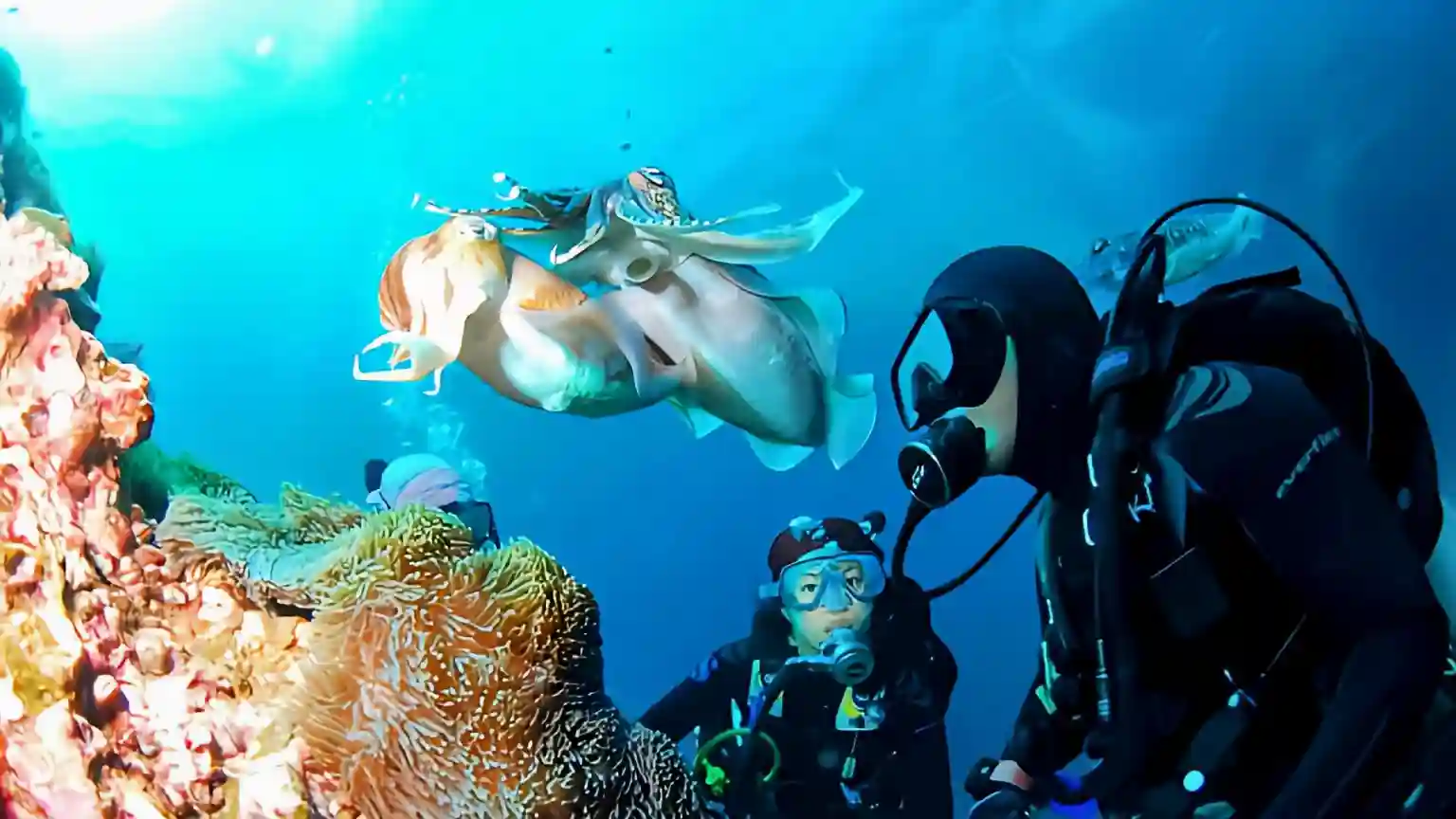
Okinawa is blessed with beautiful sea and a rich natural environment, and is an ideal place where even beginners can enjoy diving with peace of mind.
Diving into the clear blue water and experiencing up close an underwater world where coral reefs and colorful tropical fish live is a special appeal found nowhere else.
Through diving, you can come to know the beauty of Okinawa's nature and gain a deeper understanding of the marine ecosystem.
Getting to know Okinawa's nature more deeply through diving
Okinawa's sea is home to a variety of marine life and coral reefs, and through diving you can feel these ecosystems firsthand.
For example, on Ishigaki Island you can see large manta rays swimming gracefully, and in Miyako Island's undersea caves you can enjoy unique terrain and mysterious displays of light.
Furthermore, at the Blue Cave you can dive in a space wrapped in dreamlike blue light and touch the mystery of nature unique to Okinawa.
Through these experiences, your understanding of Okinawa's natural environment will deepen, and your awareness of protecting marine life and coral reefs will grow.
Okinawa's sea holds a special environment created by nature, and by feeling its appeal firsthand through diving, you can learn consideration for the environment and the importance of protecting nature.
You will also have many chances to hear from local instructors about Okinawa's sea and the importance of protecting it, so you can gain deeper learning than mere sightseeing.
Next step: why not try a dive school and getting licensed
If you try diving for the first time in Okinawa and are drawn in by its appeal, it is also a good idea to consider getting licensed as your next step.
Getting a license lets you dive more freely and in deeper water.
Okinawa has many dive schools with well-developed offerings for beginners, and a wide range of license courses.
In the Onna Village and Naha areas there are also short intensive courses, so even if your trip is short, you can get licensed without strain.
Getting a license includes learning basic knowledge and safety measures, and gaining skills lets you enjoy diving more safely.
With a license, you can also visit a variety of diving spots in Japan and abroad, not only in Okinawa.
If you learn under careful instruction from an experienced instructor, even beginners should be able to get licensed without strain.
Through the experience of diving in Okinawa's beautiful sea, why not learn the depth of nature and aim for a license as the first step toward a new adventure?
Diving in Okinawa will lead you to your next step as a special experience.
Finally: how to get the most out of diving in Okinawa
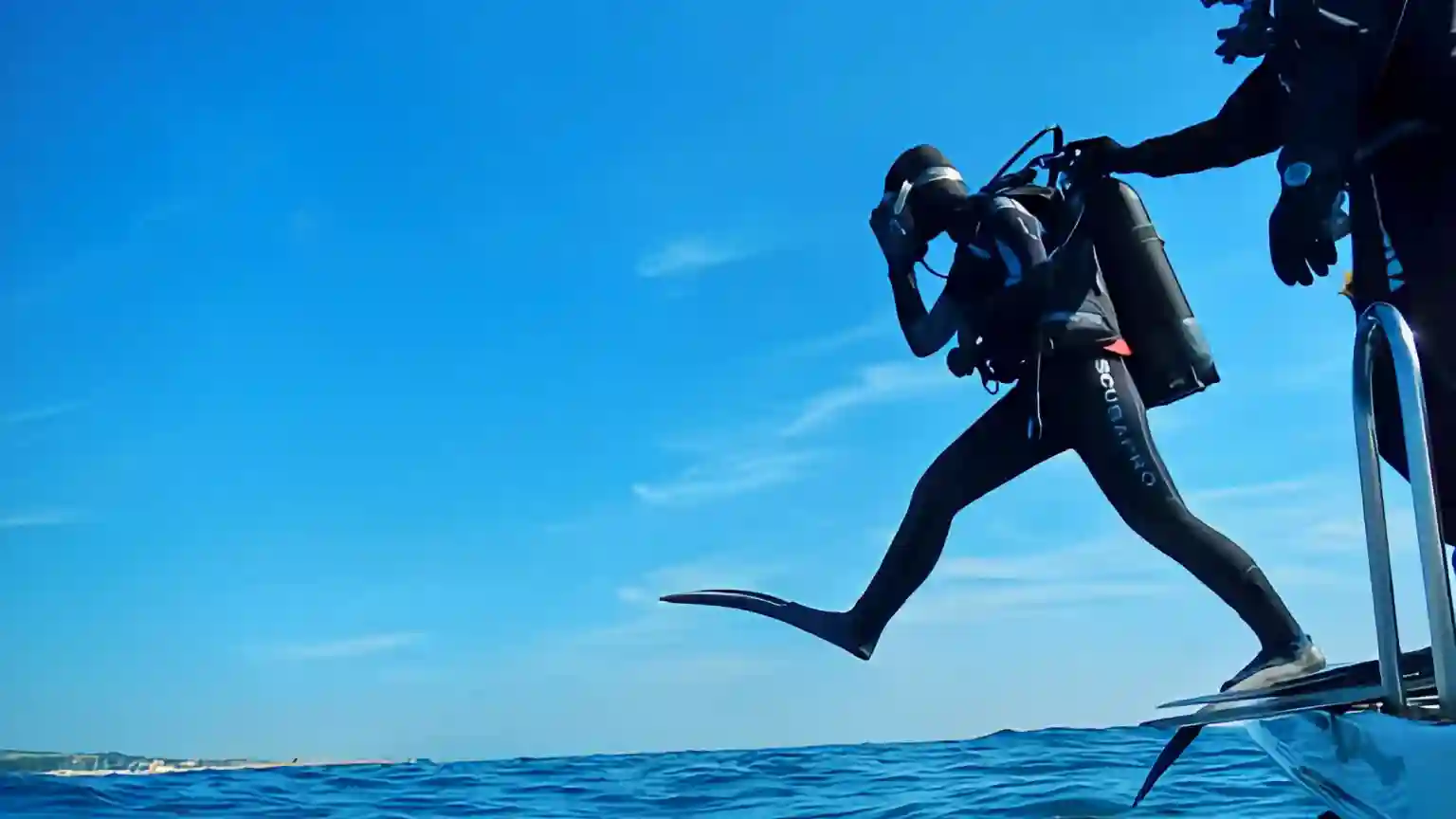
To fully enjoy diving in Okinawa, preparation and planning in advance are important.
To make the most of Okinawa's beautiful sea, make sure you have the best equipment for the climate and sea conditions, and that safety measures are firmly in place.
Aftercare is also important. Being immersed in seawater can chill your body or irritate your skin, so drink plenty of fluids, and manage your condition with moisturizing care and a warm shower.
Diving in Okinawa goes beyond an ordinary activity and opens the door to special memories and new adventures.
Even for those trying diving for the first time, thanks to Okinawa's calm sea and the wealth of guided tours, you should be able to experience the beautiful underwater world with peace of mind.
Okinawa's coral reefs and tropical fish form a colorful ecosystem not seen in other regions, and the dreamlike scenery spreading underwater truly deserves to be called a "blue paradise."
Okinawa is also appealing not only for its sea but also for its traditional culture and the warmth of its local people.
Between dives, enjoying Okinawan cuisine and touching Ryukyuan culture will make your whole trip even more memorable.
Tasting fresh seafood at a local market or watching Ryukyuan dance, experiences where Okinawa's nature and culture blend together, offer special time you cannot find anywhere else.
After your diving debut in Okinawa, it is sure to be a memorable trip that makes you want to come back again.