Introductory diving is a popular activity that even first-timers can enjoy, because it lets you dive into the sea so easily!
If you have an introductory dive coming up, you may be wondering things like:
"Is it okay to get on a plane right after an introductory dive?"
"I'm planning a day trip with an introductory dive. Can I fly home afterward?"
You may have questions like these.
In fact, many people have gotten sick after flying right after diving.
So in this article, we take a detailed look at whether flying after an introductory dive is dangerous or safe.
A working diving instructor thoroughly explains the risks of flying after an introductory dive and how to prevent them!
So that your dive becomes a wonderful memory and you can enjoy your trip safely, please read to the end.
What is introductory diving?
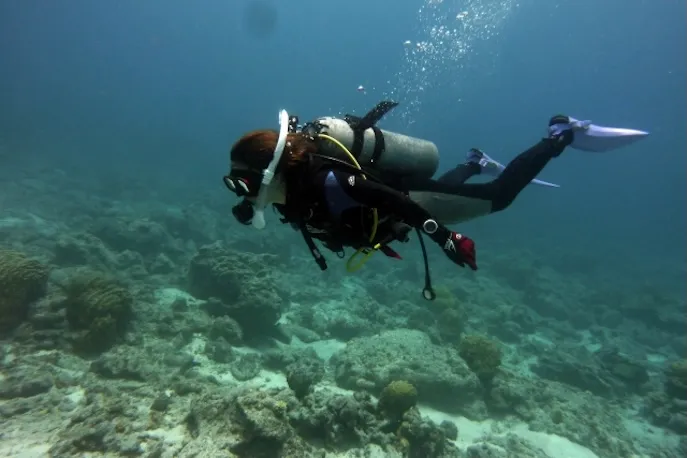
"I want to dive into the sea and get close to the fish!"
"I want to take underwater photos and videos!"
If you want to try diving, like in the examples above, introductory diving is the perfect choice.
Introductory diving is a program that lets even people without a license easily experience the charm of diving.
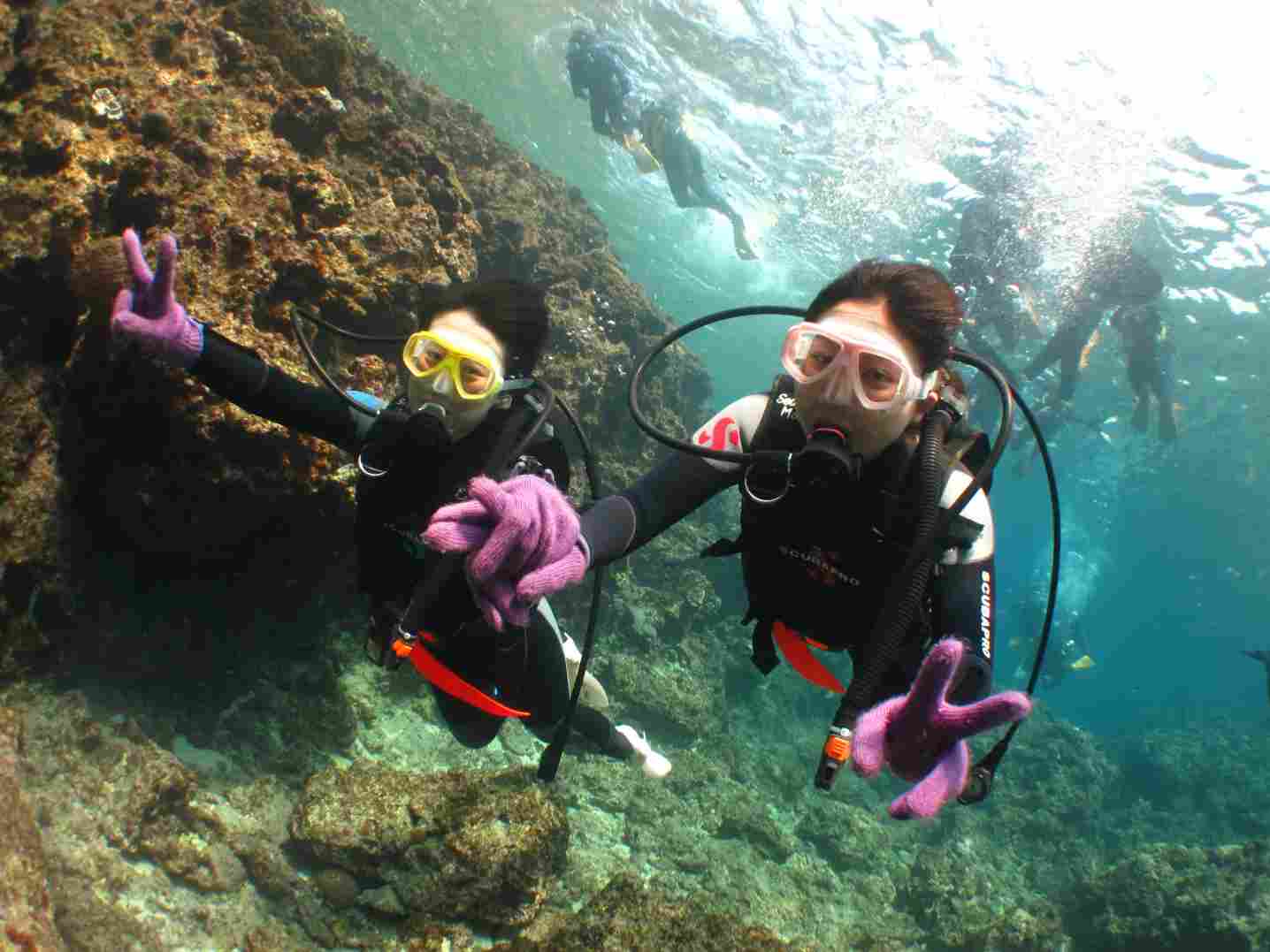
Under the guidance of an instructor, you can enjoy diving in shallow waters or off the beach.
Many diving shops in tourist areas offer it, and so that participants can dive safely, they give a simple lesson and briefing beforehand.
They also teach you basic diving skills and safety rules, so be sure to check out the dive spots that interest you.
Is it okay to fly after an introductory dive?
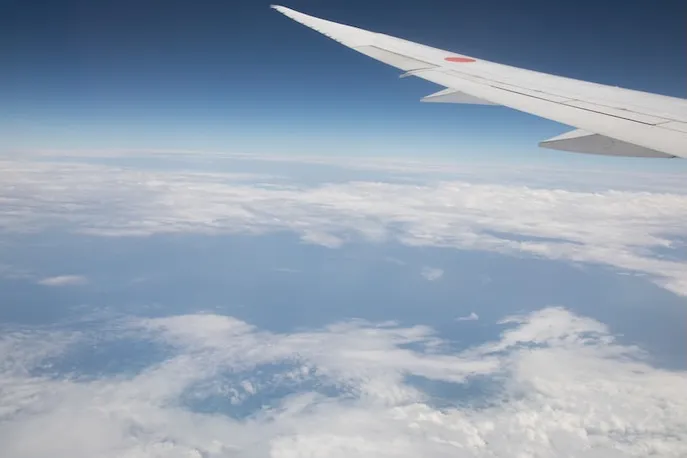
When it comes to popular diving areas, Okinawa is the first that comes to mind.
Popular areas such as Ishigaki Island and Miyako Island also have many direct flights from Tokyo.
That brings us to this question:
"Is it okay to get on a plane right after an introductory dive?"
That is what many people wonder.
To give you the conclusion, it is "extremely dangerous!" If you are planning to fly home the same day you dive, please be careful.
The reason is that the pressure of the sea during a dive is different from the air pressure you experience on a plane.
If you board a plane right after diving, the pressure drops as the altitude rises, creating a state similar to an emergency ascent during a dive.
This can cause a condition called "decompression sickness."
Later in the article, we will dig deeper into this condition that can occur when you fly after diving, so please read to the end.
The risks of flying after diving
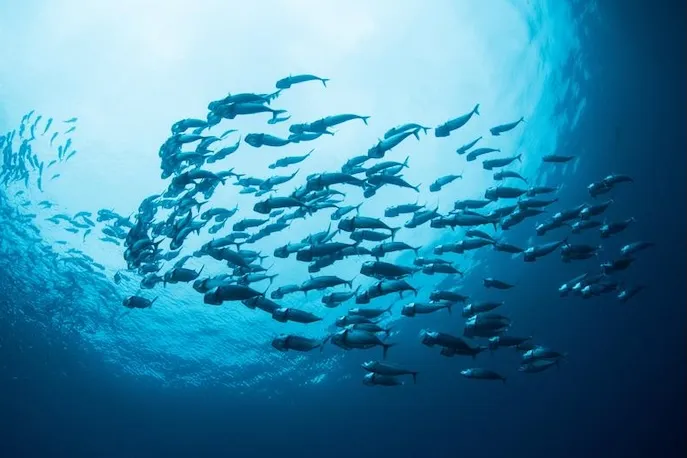
As we mentioned earlier, flying after diving is very dangerous!
A fun dive should leave you with great memories, so learn the right knowledge to avoid feeling terrible on the plane.
Here we explain in detail what risks come with flying after a dive.
Dangerous if you don't know it: the risk of decompression sickness
The risk you most need to watch out for when flying after diving is "decompression sickness."
Decompression sickness is a condition in which nitrogen dissolved in the body suddenly forms bubbles and damages the joints and nerves.
The air pressure inside a plane is low, so the nitrogen in your body after diving easily forms bubbles, raising the risk of decompression sickness.
And decompression sickness is not caused only by flying.
When you visit a tourist area like Okinawa, you may be tempted to plan mountain climbing or a drive into the mountains after diving.
Just like flying, this takes you to a place where the air pressure is higher, so be careful!
Please keep this in mind when planning your schedule after diving.
How decompression sickness relates to diving
Let's look in a little more detail at the relationship between decompression sickness and diving.
The air you breathe while diving contains nitrogen, and it dissolves into your body.
The deeper a diver goes, and the longer the dive, the more nitrogen dissolves into the body.
If you don't ascend at the proper speed and make decompression stops, the nitrogen in your body suddenly forms bubbles, making decompression sickness more likely.
The air pressure inside an airplane cabin is lower than normal pressure on the ground, so flying after diving makes this phenomenon more likely to occur.
Symptoms of decompression sickness
Now let's look at what symptoms decompression sickness can cause.
First, mild symptoms include fatigue, muscle and joint pain, itchy skin, and dizziness.
At a moderate level, numbness in the hands and feet, nausea, and a rash may appear.
And in severe cases, it can lead to cerebral infarction, myocardial infarction, paralysis, and difficulty breathing, and may be life-threatening or leave lasting aftereffects, so please be very careful.
If symptoms appear on a flight after diving, it is essential to see a medical facility right away.
How long should you wait before flying after diving?

Now that you know flying after diving is very dangerous, let's look at how long you should actually wait.
Many diving organizations and medical institutions recommend waiting at least 18 to 24 hours after diving before flying.
This time is considered necessary for the nitrogen in your body to be safely eliminated.
However, waiting about 18 to 24 hours before flying is only a guideline.
From here, we will explain the important points in detail.
The wait time differs depending on the type of dive
There is no single rule saying a set number of hours is enough before flying after diving.
It differs depending on the type of dive, the depth, and the number of dives.
For example, if you made a deep dive or several dives, you may need to wait a long time before flying.
Please use this table as a reference for the typical wait times before flying.
| Type of dive | Depth | Estimated wait time |
| Shallow dive | 10-20 m | 18-24 hours |
| Deep dive | 20-30 m | 24 hours or more |
| Multiple dives | 10-20 m | 24 hours or more |
Decompression sickness explained simply
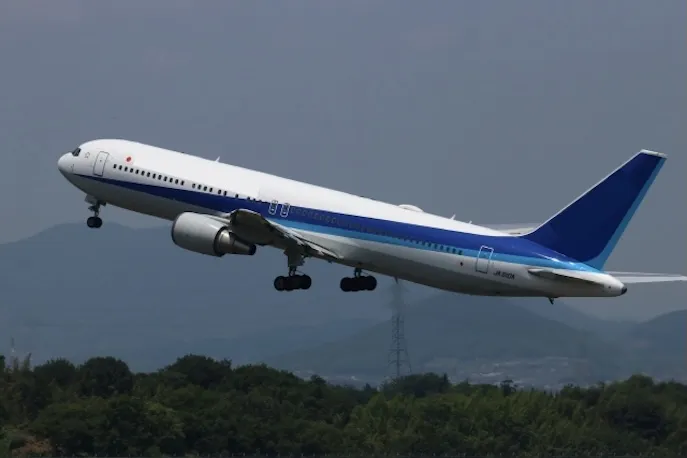
From here, we will explain "decompression sickness" in a little more detail and also introduce ways to prevent it.
Diving has become very popular in recent years, but please remember that, as an underwater activity, it puts quite a bit of strain on your body.
Be sure to check the precautions before and after diving so you can make wonderful memories.
What is decompression sickness?
"Decompression sickness" is a disorder caused when nitrogen dissolved in the body suddenly forms bubbles, and it is also called "diving sickness."
It is triggered by a sudden change in pressure inside the body when a diver ascends, so it can happen to anyone who has dived.
It appears in various forms, from mild symptoms such as joint pain, muscle pain, and itchy skin to serious symptoms that affect the nervous system.
How can decompression sickness be prevented?
To prevent decompression sickness after diving, proper dive planning and control of your ascent speed are important.
- Maintain a proper ascent speed
It is recommended to keep your ascent speed within 9 to 18 meters per minute.
A rapid ascent raises the risk of the nitrogen in your body suddenly forming bubbles.
- Make decompression stops
Especially on deep dives, it is important to make decompression stops during your ascent.
This gives the nitrogen in your body time to be gradually eliminated.
- Plan your diving schedule
When you make multiple dives, you need to manage your total dive time for the day and get proper rest.
- Stay well hydrated
To eliminate nitrogen from your body efficiently, it is important to drink plenty of fluids while diving.
Dehydration may raise the risk of decompression sickness.
When you join a diving tour, follow your instructor's directions, don't push yourself, and talk about how you are feeling as you dive.
Treatment for decompression sickness
Hyperbaric oxygen therapy is the standard treatment for decompression sickness.
The patient is placed in a high-pressure environment and breathes pure oxygen, which helps eliminate the nitrogen in the body.
If treatment begins early, symptoms improve in many cases.
Just in case, we recommend bringing your health insurance card and having insurance coverage when you go diving.
How to prevent and handle decompression sickness
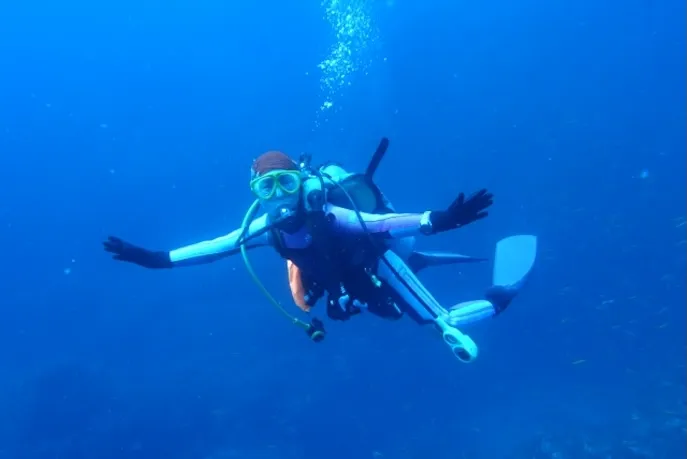
What should you watch out for between diving and flying home?
If you prepare well before diving, you can enjoy a comfortable, fun time all the way until you fly home.
Now let's go over the important points.
Preparing before the dive
On the day of your dive, keep these 2 points in mind as preparation!
- Health check
Before diving, check your health, and if you are not feeling well, it is important not to push yourself and to refrain from diving.
In particular, if you have a respiratory or heart problem, it is recommended that you see a doctor for a diagnosis.
Rest assured that even if you flew in on the day, you can take part without any problem.
- Preparing the right equipment
Check that your diving equipment works properly, and check the necessary gear beforehand.
Faulty equipment can cause trouble during the dive.
If you join a diving tour, you should receive instructions from the instructor and a practice run.
Using equipment incorrectly while diving, or acting on your own, could be fatal.
Follow the instructions carefully and start your dive fully prepared!
Points to watch during the dive
Once you've prepared well and are diving, here is a detailed look at what to be careful about.
If this is your first dive, try to keep these 2 points in mind.
- Maintain a proper ascent speed
It is important to avoid a sudden ascent and surface slowly.
By controlling your ascent speed from the dive, you give the nitrogen in your body time to be gradually eliminated.
- Stick to the buddy system
Dive together with a buddy to ensure each other's safety.
Always communicate with your buddy and be ready to help each other in an emergency.
If there is anything you don't understand or are worried about, it's a good idea to ask your instructor before the dive.
How to spend your time after diving until you fly

Your fun dive has ended safely!
Here we explain what you should do until you board your flight.
First, the things to avoid are mountain climbing and driving into the mountains.
Going to a place with higher air pressure puts you in the same situation as being on a plane, so please be careful.
Let's look at why it is important to leave an appropriate amount of time.
Leave enough time between diving and flying
The ideal amount of time to leave between diving and flying depends on the type of dive, the depth, and the number of dives, but the following guidelines are generally recommended.
- A single dive (up to about 10 meters)
It is recommended to leave at least 24 hours after diving before flying.
This is the time needed for the nitrogen in your body to be completely eliminated.
- Multiple dives or deep dives (20 meters or deeper)
If you have made a deep dive or several dives, you need to leave even more time before flying.
In general, it is recommended to leave 24 to 48 hours after diving before flying.
This is to avoid the risk of bubbles forming, because the nitrogen needs to be sufficiently dispersed in your body after diving.
| Type of dive | Depth | Estimated wait time |
| Shallow dive | 10-20 m | 18-24 hours |
| Deep dive | 20-30 m | 24 hours or more |
| Multiple dives | 10-20 m | 24 hours or more |
If you don't know how much diving you have done, ask your instructor.
How to spend your time before flying
Now let's look at how you should spend your time before flying.
Diving puts a strain on your body, so take it easy and don't overdo it!
To secure the time you need between diving and flying, it is important to coordinate your diving schedule with your boarding time.
Here are 4 points to keep in mind before you fly.
- Get plenty of rest
After diving, it is important to relax your body and get plenty of rest before your flight.
To support the process of eliminating nitrogen from your body, avoid moving around too much and spend your time in a relaxed environment.
- Stay hydrated
Not drinking enough after diving raises the risk of decompression sickness, so make sure to drink plenty of fluids.
If you become dehydrated before flying, your circulation worsens and the nitrogen is more likely to stay in your body longer.
It is important to drink sports drinks or water little by little and often.
- Avoid alcohol
Avoid alcohol before you fly.
Alcohol draws water out of your body and can make dehydration worse, which raises the risk of decompression sickness.
- Take deep breaths and relax
To stay relaxed after diving and before your flight, it is important to take deep breaths and calm both your mind and body.
Deep breathing promotes circulation and helps your body eliminate nitrogen more efficiently.
Especially if it's your first time, it's safest to take it easy and wait for your flight after diving!
Points to note when flying after diving
If you have dived before a flight, you also need to follow the precautions below.
- Avoid ascending quickly
While diving, make a point of avoiding a quick ascent, and surface safely while making decompression stops.
This prevents nitrogen from building up in your body and reduces the risk when you fly.
- Check how you feel after diving
If you feel anything unusual after diving, it is important not to force yourself onto a plane and to see a doctor.
If you have any pain or discomfort, get examined at a specialist facility right away.
- Don't miss the signs of decompression sickness
If symptoms such as a headache, dizziness, or joint pain appear after diving, they may be signs of decompression sickness.
If you have symptoms like these, see a medical facility right away and avoid boarding the plane.
With lots of small efforts and a little care, you can fly comfortably even after diving.
Check them off one by one and put them into practice.
How to plan your trip

When planning a trip to enjoy diving, it is important to plan not only the diving shop arrangements but also how you will spend your time and sightsee before the flight afterward.
"Where and how should I spend my time before my flight?"
"I want to see the sights efficiently even after diving while I wait for my flight!"
Here is how to plan a trip for people who feel this way.
Please use this concrete advice to make the most of the time between diving and your flight and plan a safe, enjoyable trip.
Choosing a destination
There are many popular diving spots all over Japan.
There are popular areas in the Kanto region too, but since you're going anyway, many of you probably want to fly to Okinawa or Kagoshima.
When choosing a diving destination, it's a good idea to consider the following points.
- Diving level
There are spots for beginners, intermediate divers, and advanced divers, so choose a place that matches your own skill level.
- Season and climate
It is important to check the best diving season and the climate at your destination, and choose a time when you can dive comfortably.
- Convenient access
Consider how to get there, and if you are flying, the access from the airport as well.
Health check beforehand
Diving is an activity that puts more strain on your body than you might think.
On top of that, some people may get sick from unfamiliar air travel.
Be sure to get a medical checkup before your trip, and if you have a chronic condition, ask your doctor whether you can dive.
It is also important to have appropriate insurance.
How to spend your time after diving
It's a good idea to plan in advance what you will do after diving and before your flight.
Please be careful, because it is dangerous to fly right after diving.
Leave an appropriate wait time
To avoid the risk of decompression sickness, the wait time between diving and flying is extremely important.
After diving, refer to the guidelines and leave a sufficient wait time.
| Type of dive | Depth | Estimated wait time |
| Shallow dive | 10-20 m | 18-24 hours |
| Deep dive | 20-30 m | 24 hours or more |
| Multiple dives | 10-20 m | 24 hours or more |
Monitor your health
After diving, pay special attention to how you feel, and keep the following points in mind until your flight departs.
- Plenty of rest
After diving, don't overdo it, and it is important to rest your body.
- Hydration
Drink fluids little by little and often to prevent dehydration.
- Limit alcohol
Alcohol easily causes dehydration, so avoid it.
A sightseeing plan that makes good use of the wait time
Many of you probably want to make good use of your time and enjoy some sightseeing before your flight departs!
After diving, it can be nice to do some sightseeing within a comfortable range.
Here are the points to consider when making your plan, in detail.
Enjoying sightseeing on land
First, in tourist areas, we recommend sightseeing spots on land.
- Nature walks
Trekking and hiking: Climbing a mountain after diving is dangerous because of air pressure, but trekking or hiking in a place rich in nature is an activity that lets you move your body while relaxing.
Relaxing at the beach or a park: During the wait time after diving, we also recommend spending time slowly at a beach or park.
- Cultural experiences
Local museums and art galleries: Visiting facilities where you can learn about the region's history and culture adds depth to your trip and will make the place a fond memory too.
Local markets and events: Take part in local markets and events and enjoy interacting with the people who live there.
- Food and shopping
Local restaurants and cafes: Enjoying the local cuisine is one of the great pleasures of travel.
Souvenir shopping: Enjoy shopping for local specialties and crafts too.
Relaxing activities
- Spa and massage
A spa or massage is also a nice way to relax your body.
It is especially good for soothing a body tired from diving.
- Yoga and meditation
Yoga or meditation to relax your body and mind before your flight is also a good choice.
Doing it at the beach or a quiet place will also become a memory of your dive.
Safety checks and a final check
- Locate medical facilities
In case you feel unwell, find out where the nearest medical facility is.
- Check your travel insurance
If you have travel insurance, checking the conditions and coverage for diving and flying will help you act calmly if you start to feel unwell.
How you spend your time between diving and flying is extremely important for avoiding the risk of decompression sickness.
Of course, it is important to leave enough time and monitor your health, but it is also important to make a sightseeing plan that makes good use of the wait time.
Advice from working instructors
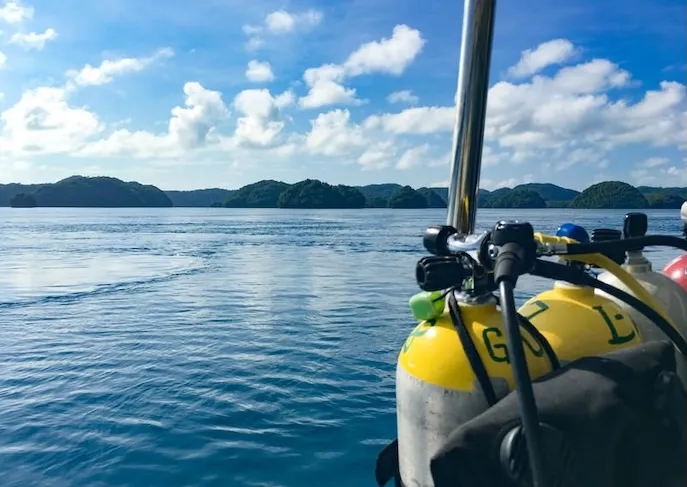
Finally, as advice from working diving instructors, here are some firsthand accounts about flying after diving.
Instructors' experiences
| Instructor Y has taught hundreds of divers and has also seen cases where decompression sickness developed because the wait time was not observed. A pair of women travelers had planned to fly 12 hours after diving in Okinawa, but on Y's advice they decided to wait 24 hours. As a result, they were able to continue their trip safely. Observing the wait time before flying can greatly reduce the risk. [Okinawa, male, instructor in his 50s] |
| Instructor S has seen divers complain of feeling unwell during diving tours many times. A woman diver who got a headache after her first dive recovered with hydration and rest. She was able to board her flight as planned and sent a thank-you message later. S stresses how important hydration and rest are after diving. [Okinawa, female, instructor in her 20s] |
| Instructor T recommends carefully planning your diving schedule and flight boarding time before you travel. In T's experience, many divers travel without a plan, simply to enjoy diving, and as a result are often forced into sudden changes of plans. One family visiting during summer vacation had planned to fly right after diving, but on T's advice they set a 48-hour wait time. As a result, the whole family was able to continue their trip safely. [Kagoshima, male, instructor in his 30s] |
This is the voice of instructors who have seen many people try diving, so please use it as a reference for how to spend your time before flying.
Points for enjoying diving safely
Diving is a fun sport, but to enjoy it safely you need to remember some important points.
Here we explain the basic points that every diver, from beginners to experienced divers, needs to know to enjoy diving safely.
Choosing and maintaining the right equipment
Diving requires several pieces of equipment.
You can rent them at a diving shop, but keep the following points in mind when choosing.
- Choosing equipment
It is important to choose equipment that suits you.
In particular, if your mask, fins, and wetsuit are not the right size, you won't be able to dive comfortably.
- Maintaining equipment
Equipment needs regular maintenance.
If you wash it thoroughly after use and let it dry, it will last longer.
It is also important to have it inspected regularly at a specialty shop.
The importance of the buddy system
In diving, the basic rule is to always stay with your buddy.
Check on each other's safety so you can respond in an emergency!
Following the buddy system lets you stay calm even in an unexpected situation, so agree on underwater communication such as hand signals beforehand.
What to do in an emergency
In an emergency, you need to use signals to alert your buddy or instructor.
An accident underwater can be fatal, so check the signals beforehand and be prepared for emergencies!
Summary
In this article, we took a detailed look at whether flying after an introductory dive is dangerous or safe.
The pressure of the sea during a dive is different from the air pressure on a plane, so it is very dangerous.
If you board a plane right after diving, the pressure drops as the altitude rises, creating a state similar to an emergency ascent during a dive, and you also risk developing a condition called "decompression sickness."
We also introduced the typical wait times, but please note that they vary depending on how long and how deep you dive.
A working diving instructor thoroughly explains the risks of flying after an introductory dive and how to prevent them.
To make the most of the time before your flight, enjoy the best plan after your dive.