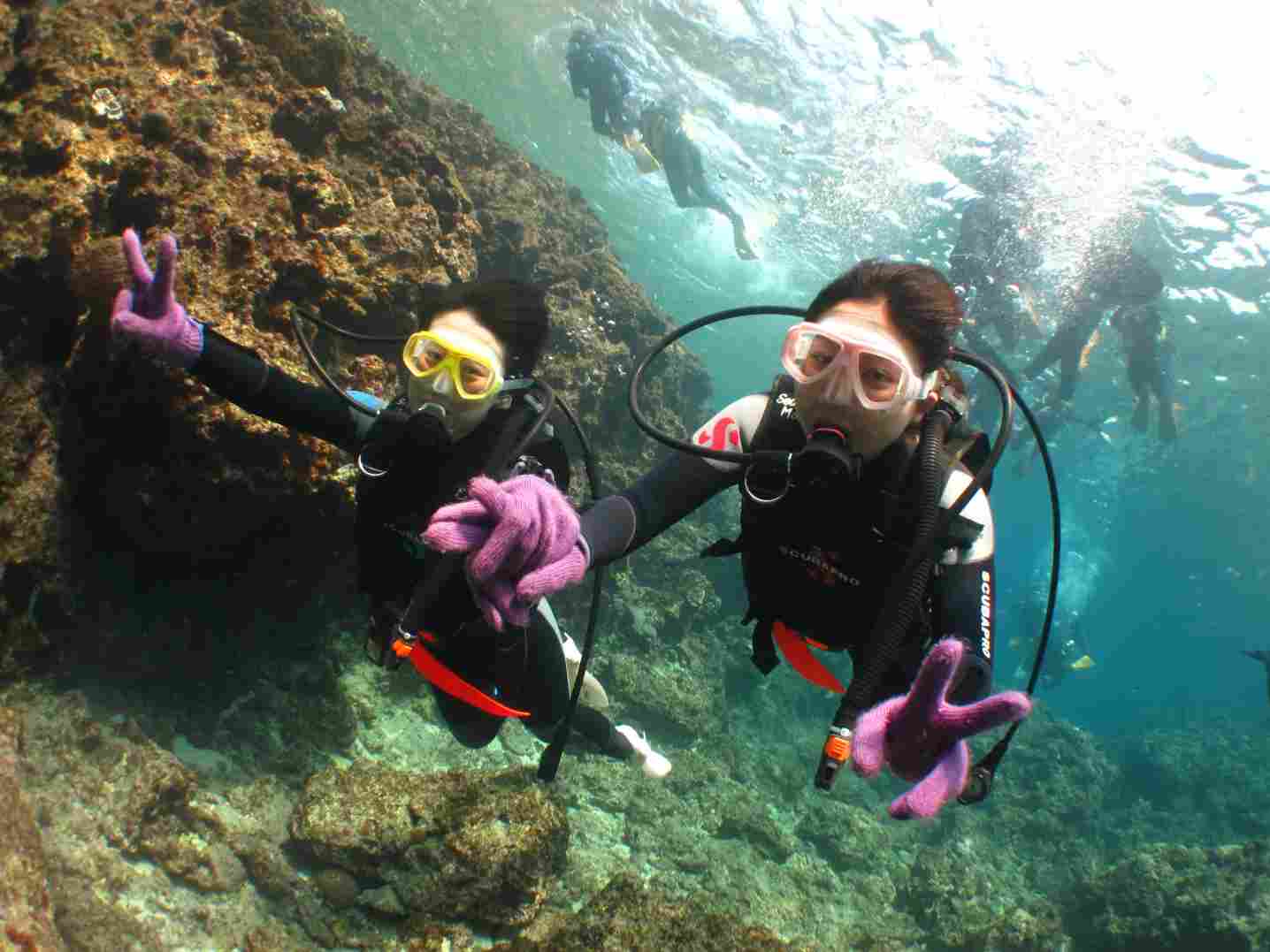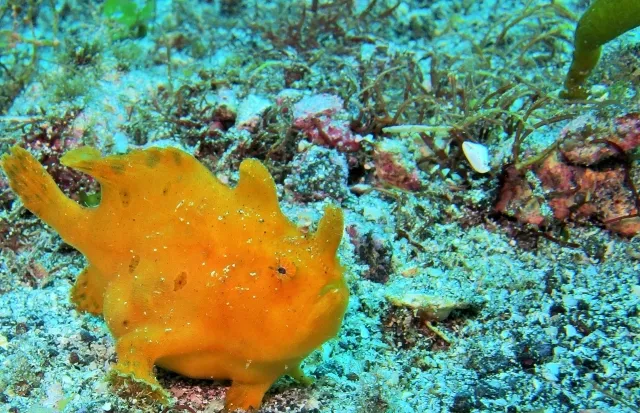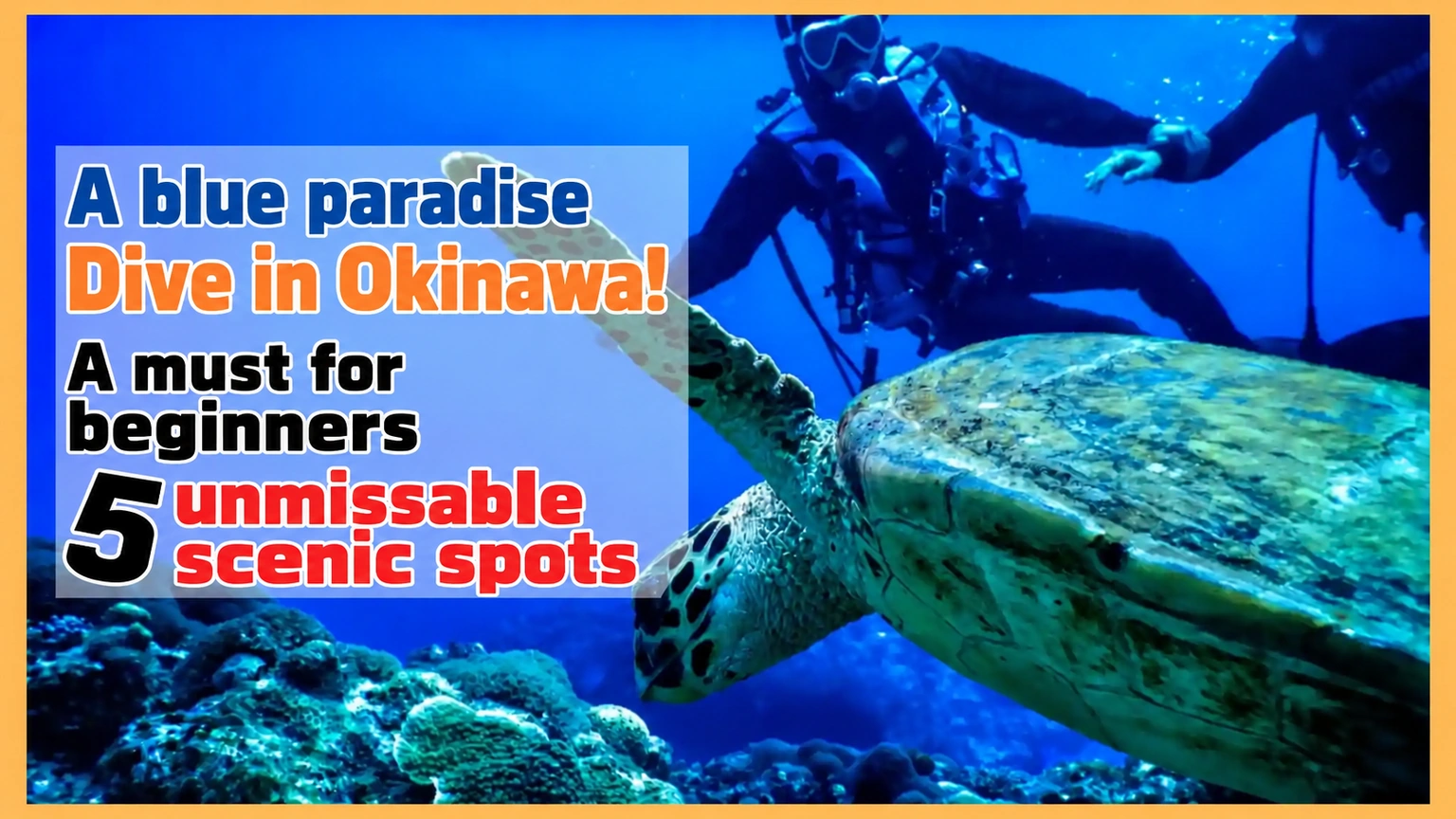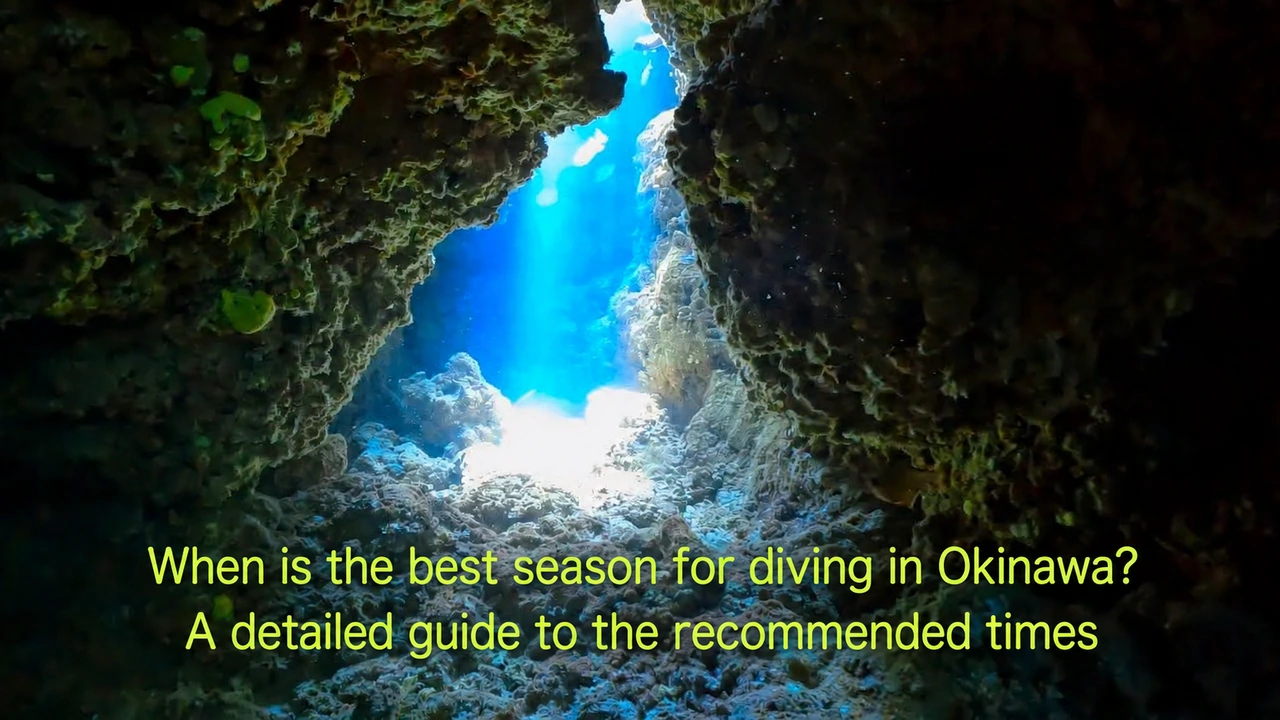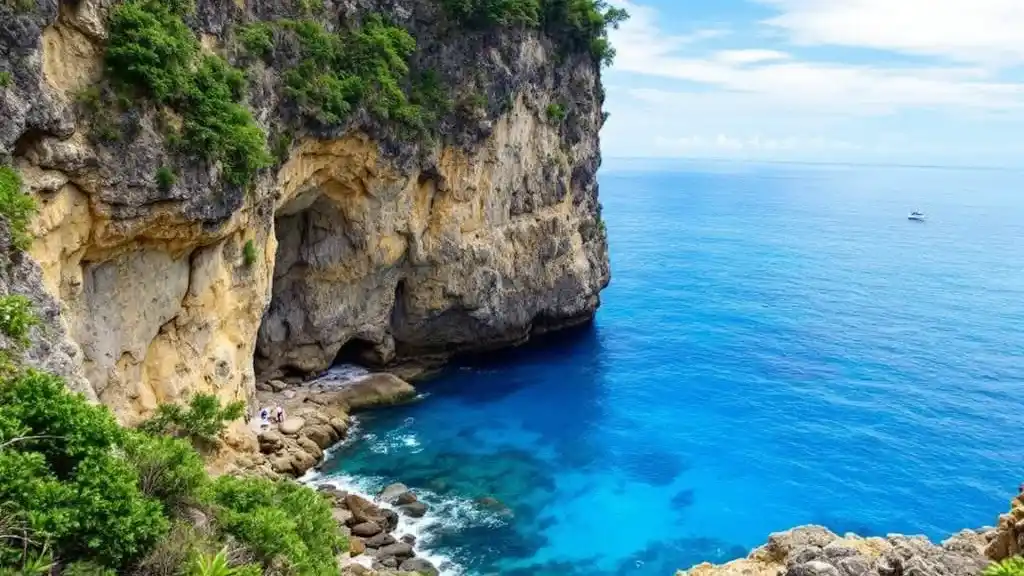
Okinawa's sea is a hugely popular spot loved by divers around the world, thanks to its water clarity that is rare even in Japan and its diverse marine life.
From your very first introductory dive to full-fledged diving for license holders, Okinawa has spots that divers of every level can enjoy.
In this article, we introduce recommended spots for beginners and advanced divers, and look closely at the features and charm of each.
If you are planning to dive in Okinawa, use this article as a reference and get the best diving experience possible!
Dive into Okinawa's dreamlike underwater world and enjoy the underwater charm where excitement and adventure await!
What is the difference between beginner and advanced diving spots in Okinawa?
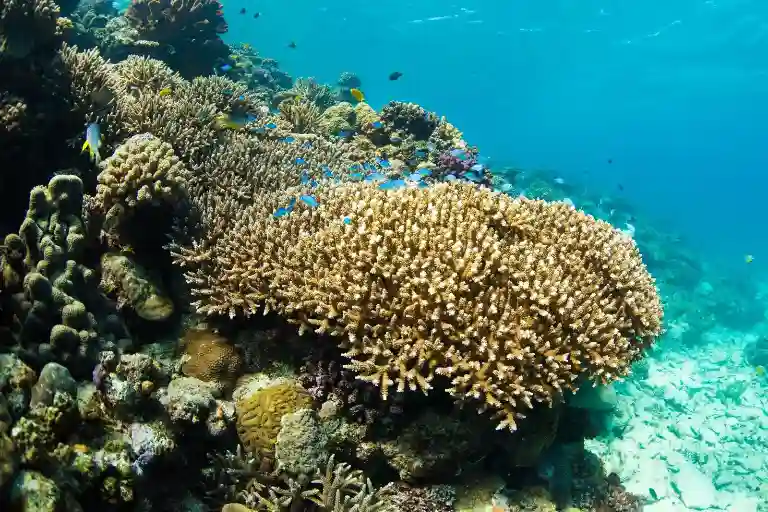
Okinawa has diving spots scattered around the islands that suit a wide range of levels, from beginners to advanced divers.
Beginner spots and advanced spots differ greatly in the sea conditions and the skills required.
- Beginner spots: In principle, no diving license required
- Advanced spots: Diving license required, and some places require an advanced license
Beginner spots have gentle currents and shallow water of around 5 m, creating an environment where even first-timers can enjoy themselves without strain.
Advanced spots, on the other hand, have complex tidal currents and depths of 10 m or more, so they are designed for experienced divers.
In addition, the license required can differ from place to place, so you need to think about getting the license for the spot you are aiming for.
3 features of beginner diving spots
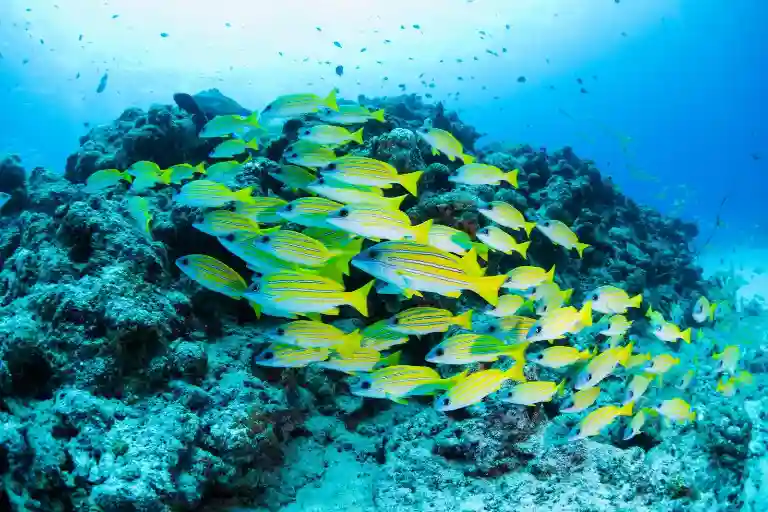
1. The water is shallow, at 5 to 10 m, making buoyancy control and ear equalization easier
Beginner spots are mainly shallow areas, so you can enjoy beautiful coral reefs and fish without diving deep.
Because the water is shallow, problems from buoyancy control mistakes are less likely and the strain of ear equalization is smaller, so you can dive in a relaxed state.
Ear equalization means sending air into the middle ear through the Eustachian tube to relieve the pressure difference between the inside and outside of the ear caused by pressure changes such as water pressure.
It is similar to swallowing or blowing air into your ears when they pop on an airplane.
2. The currents are gentle, and entering from the beach is the usual way
For beginner spots in Okinawa, places with almost no current and close to land are chosen.
They are also spots where you can enter directly from the beach, with no need for a boat, so even a first dive feels less worrying.
For example, the total weight of diving equipment is generally 15 kg or more, and it is difficult for a beginner to get on and off a boat while wearing it.
There are special types of boats with stairs to reduce the burden, but if you are trying diving for the first time, we recommend a tour from the beach.
3. No special skills or diving license needed, so you can try it right away
At beginner spots, even people without a diving license can take part in an introductory dive.
The instructor supports you carefully, so you can enjoy diving even without prior training.
For example, the famous diving spot "Blue Cave" is a typical example.
3 features of advanced diving spots
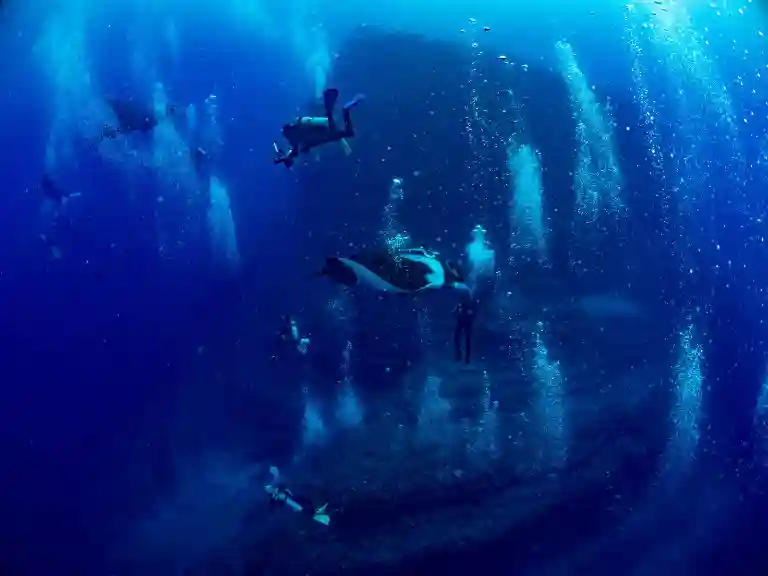
Okinawa has many diving spots for advanced divers that combine thrills and beauty.
These spots require special skills and plenty of experience, so only divers with a diving license can take them on.
Below, we introduce 3 features of advanced diving spots.
1. A diving license is required
Advanced spots generally require an "Advanced Open Water (AOW)" license or higher.
Advanced Open Water (AOW) is an intermediate-level diving license that allows you to dive to depths of 18 m or more.
Advanced spots are often deep with strong currents, so diving skills and the ability to handle emergencies are essential.
At certain spots, special qualifications such as "night diving" or "cave diving" may also be required.
2. You enter from a boat, so quick responses are required
In advanced diving, the usual entry method is to jump into the sea directly from the boat.
When the current is strong or the water is deep, a quick entry and a proper ascent are required.
With boat entries, coordination with other divers is also important.
Furthermore, in these conditions, your judgment when trouble occurs is put to the test.
Spots in Okinawa's open ocean and around uninhabited islands demand even greater ability to respond, so you need to prepare thoroughly before taking them on.
3. Some spots require specialized skills such as decompression stops and drift diving
Among advanced spots, some points require decompression stops, and some require a style called drift diving, in which you move along with the tidal current.
In these conditions, skills such as buoyancy control and dive time management are essential.
A decompression stop is an essential action for safely releasing nitrogen from your body when ascending from deep water.
In drift diving, coordination with the instructor and your companions is important, and you also need the concentration not to miss signals.
Advanced diving is the kind where one person's mistake can lead to a major accident.
If you want to take on advanced spots, take your time and earn your license properly.
[For beginners] 10 diving spots in Okinawa
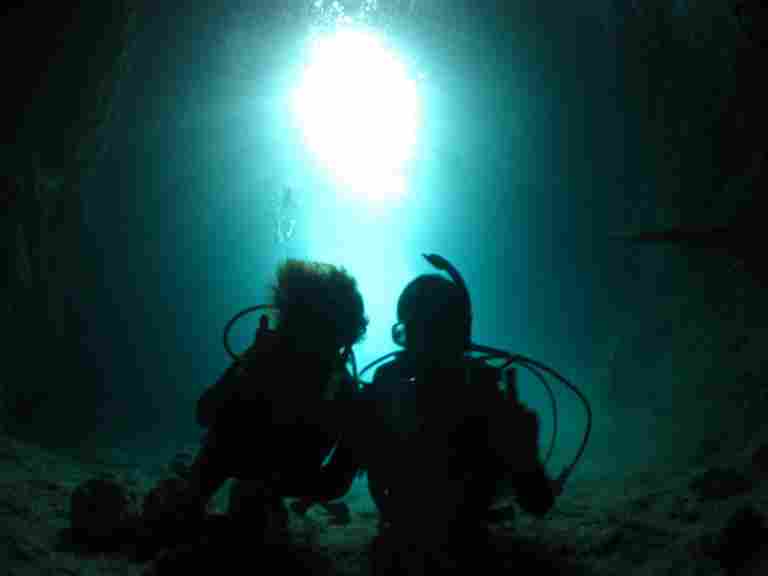
The photo above is quoted from images kindly provided to us.
Okinawa has many diving spots for beginners, and here we introduce 10 areas that are especially easy to reach and easy to enjoy.
1. A top contender among Okinawa's diving spots: "Minna Island"
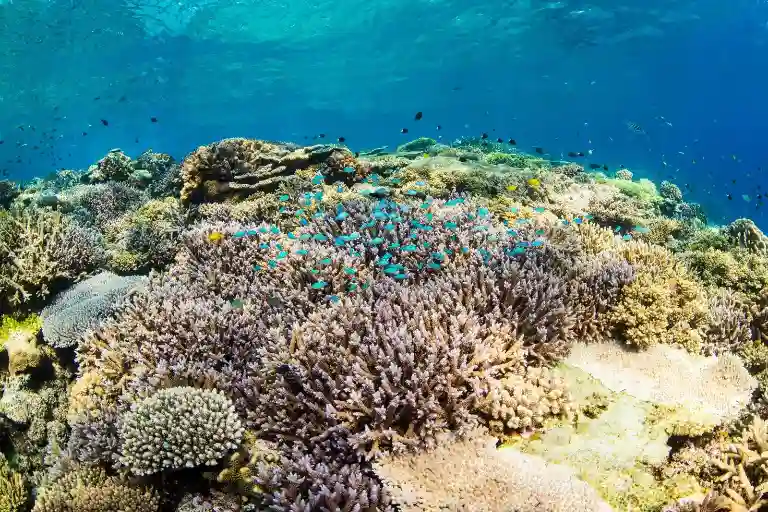
- There are spots where you can easily encounter sea turtles!
- Easy to reach, about 15 minutes by ferry from the main island of Okinawa!
- You can also enjoy parasailing, jet skis, and more!
Under the sea around Minna Island live diverse coral reefs and marine life.
Beautiful coral colonies such as cauliflower coral, staghorn coral (Acropora), and Montipora spread out and are home to many fish.
You can also see colorful tropical fish such as Benkei-haze gobies, Ishigaki-kaeruuo blennies, and Tateshima-hebiginpo triplefins.
2. Easy even for beginners: "Cape Maeda" (Onna Village)
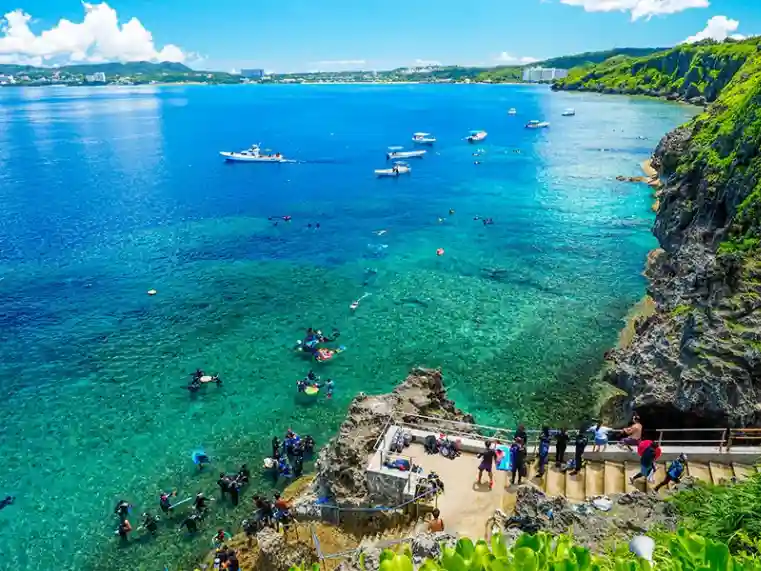
- In Onna Village, with good access, about 1 hour from Naha Airport!
- Beach entry is possible, so beginners can feel at ease!
- Dive casually while surrounded by tropical fish!
Cape Maeda is a popular spot thanks to its abundant schools of fish and easy entry point.
In the sea where coral reefs spread out, you can watch damselfish and clownfish swimming in groups.
With gentle waves and diving in shallow water, it is perfect even for people diving for the first time.
There are also many hot springs and sightseeing spots nearby, so it is appealing even for families.
3. Mysterious blue light everywhere: "Blue Cave" (Onna Village)
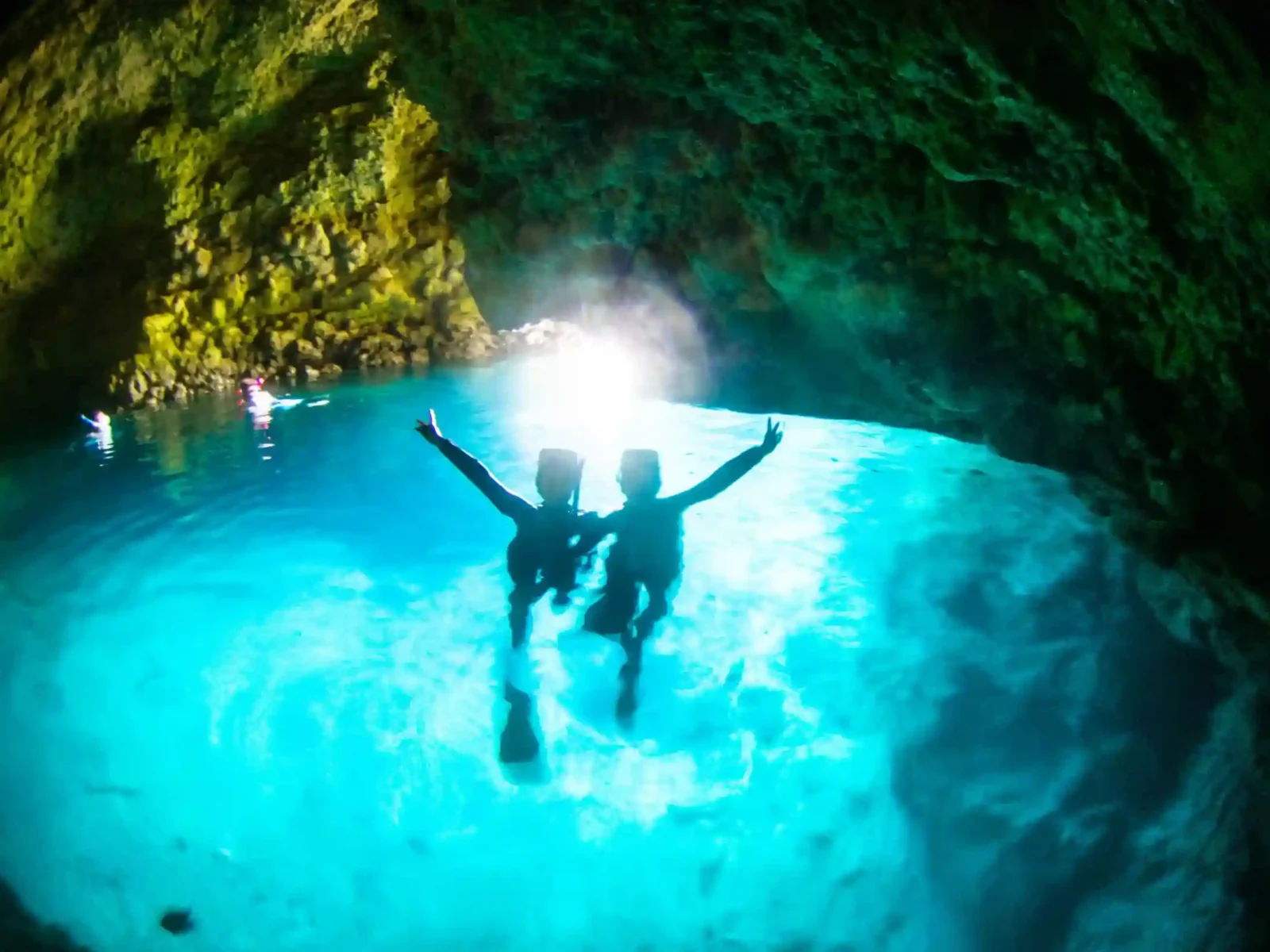
- A fantastical cave wrapped in blue light is popular!
- You can experience both diving and snorkeling!
- Even beginners get careful support from the instructor!
"Blue Cave" is one of the signature spots on the main island of Okinawa, where you can enjoy the mysterious sight of blue light spreading through the cave as light is reflected.
There are introductory dives in shallow water, so even beginners and people who have never snorkeled can take part with confidence.
Clownfish and damselfish live in the cave, and it is also popular as a photogenic spot.
4. Friendly to diving beginners: "Aka Island"
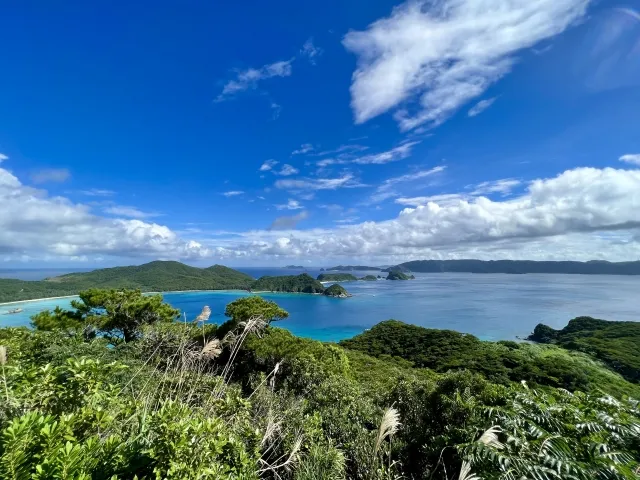
- Gentle currents and plenty of shallow spots!
- Part of the Kerama Islands, a world-famous diving spot!
- A remote island about 2 hours by ferry from the main island of Okinawa!
On Aka Island you can enter from a quiet beach, making it an ideal spot for beginners.
You can enjoy relaxed diving, and with some luck you may even swim alongside a sea turtle.
It is an attractive place where you can enjoy the beautiful sea unique to the Kerama Islands and peaceful island time.
5. Reassuringly shallow! Enjoy it from the beach: "Sesoko Island"
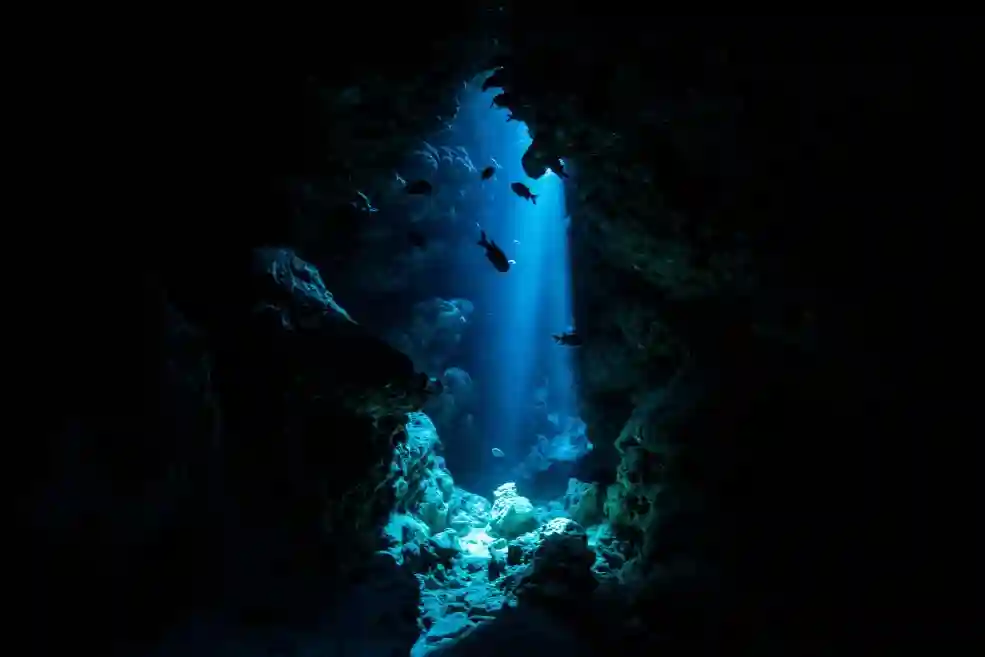
- A spot you can reach in about 2 hours by car from Naha Airport!
- Many shallow areas, ideal for experiences for beginners and children!
- Colorful tropical fish live around the coral reefs!
Sesoko Island is a remote island you can drive to from the main island of Okinawa, and accommodations are nearby, so it is perfect for diving.
It is a beach entry and you can dive at your own pace, so even beginners can take part without any problem.
Around the coral reefs, fish such as clownfish and wrasses gather in groups, and a beautiful underwater landscape unfolds.
6. A popular point close to Naha: "Sunabe No. 1" (Chatan Town)
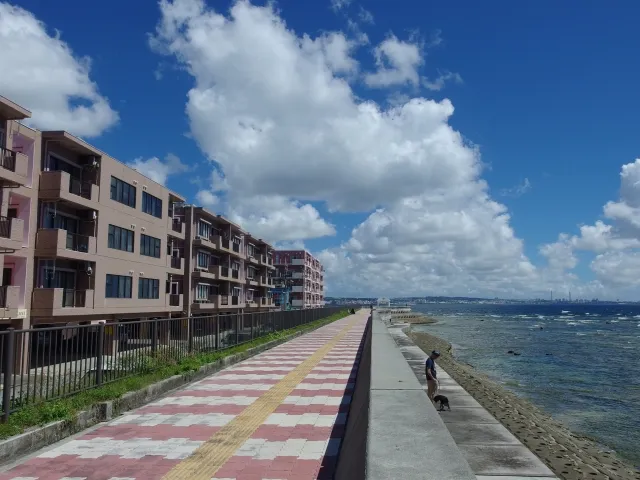
- About 30 minutes by car from Naha Airport, so it is easy to join even on a short trip!
- Beautiful colonies of pink and yellow soft coral create a flower-garden-like view!
- Depths range from 3 to 22 m, so it can be enjoyed from beginner to advanced level!
Sunabe No. 1 is a popular diving point you can reach by car from Naha Airport.
Many fish such as damselfish, clownfish, and jawfish can be seen, and soft coral colors the seabed.
Night dives are also held there, where you can enjoy observing creatures that use mimicry.
7. Soothing coral reefs: "Shiraho" (Ishigaki Island)
- Famous as one of Japan's largest colonies of blue coral!
- You can also enjoy snorkeling in shallow water, with plenty of experiences for beginners!
- To get to Shiraho, fly directly to "Ishigaki Island"!
Shiraho is one of the most famous coral spots on Ishigaki Island.
In particular, vast colonies of blue coral can be seen, and there is a strong focus on coral conservation too.
Introductory diving and snorkeling for beginners are plentiful, so it is an environment that divers of any level can enjoy.
8. Reassuring even for diving beginners: "Kerama Islands"
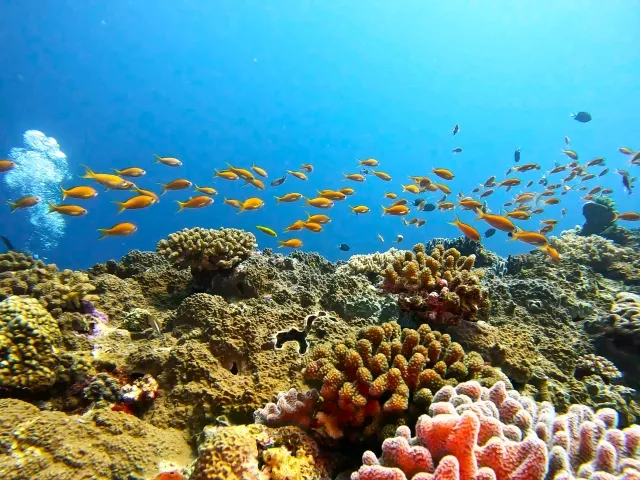
- Dive in a sea famous worldwide for its clarity!
- Many tours for beginners, and a high rate of sea turtle encounters!
- A remote island about 2 hours by ferry from Naha!
The Kerama Islands are a signature diving spot of Okinawa, and many tours for beginners are offered.
The water clarity can reach 30 m or more, so you can look forward to encountering coral reefs and sea turtles.
There are also plenty of plans that even beginners without a license can enjoy.
9. A beautiful white-sand beach: "Yonaha Maehama Beach" (Miyako Island)
- A beach where you can enjoy the Miyako Blue sea, among the best on Miyako Island!
- If you want to dive on Miyako Island, take a flight to Miyako Island!
- Along with diving, you can also enjoy a spectacular sunset!
Yonaha Maehama Beach is a beach with a beautiful stretch of sand that is representative of Miyako Island.
You can dive leisurely in the calm sea, and there are many introductory dives that beginners can join.
It is also known as a spectacular spot where the Miyako Blue sea shines during the day and the sunset glows in the evening.
10. A calm-current spot for experience dives: "Kurima Island"
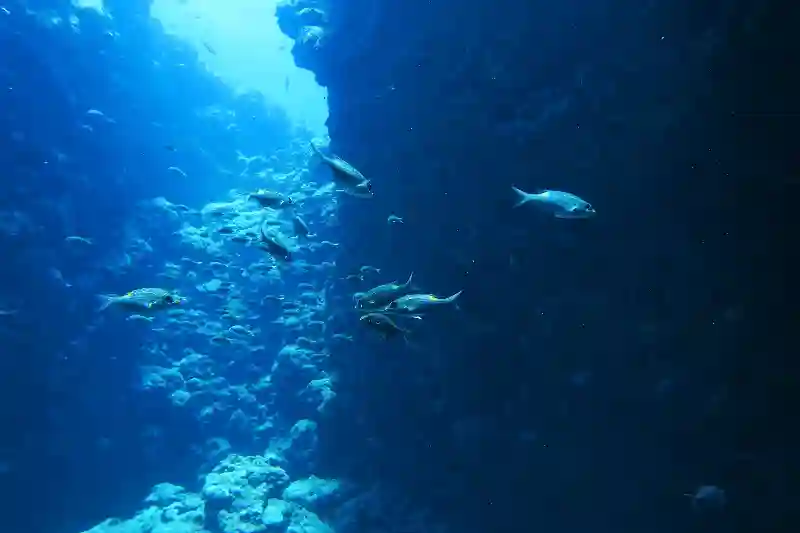
- Easy to reach from Miyako Island by bridge, with a quiet environment!
- Plenty of introductory dives in shallow water, ideal for beginners!
- Enjoy a relaxing underwater stroll while watching colorful fish and coral!
Kurima Island is a small island you can reach by car from Miyako Island, and it is popular with tourists.
It has a calm sea and many shallow-water diving spots, so it is an area we recommend for beginners and families.
Not only diving but also snorkeling lets you get close to the coral and fish.
[For advanced divers] 10 diving spots in Okinawa
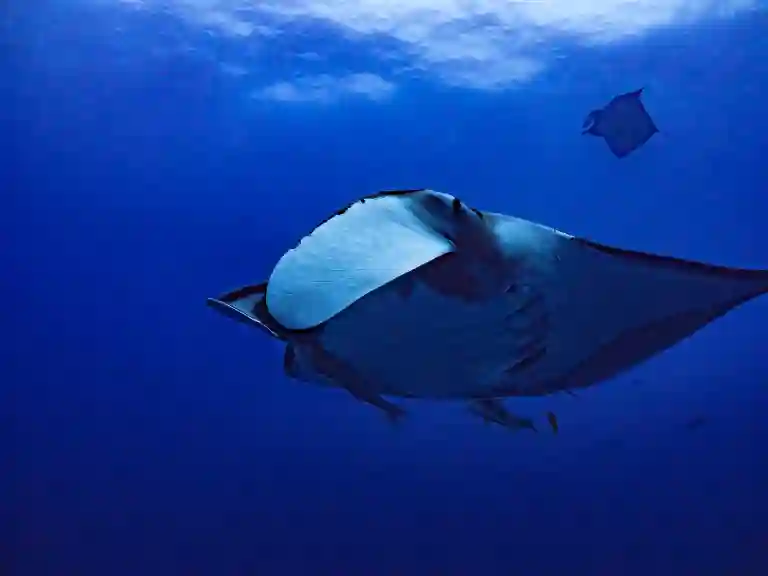
Next, we introduce 10 diving spots in Okinawa for advanced divers.
1. Explore dynamic terrain: "Antonio Gaudi" (Miyako Island)
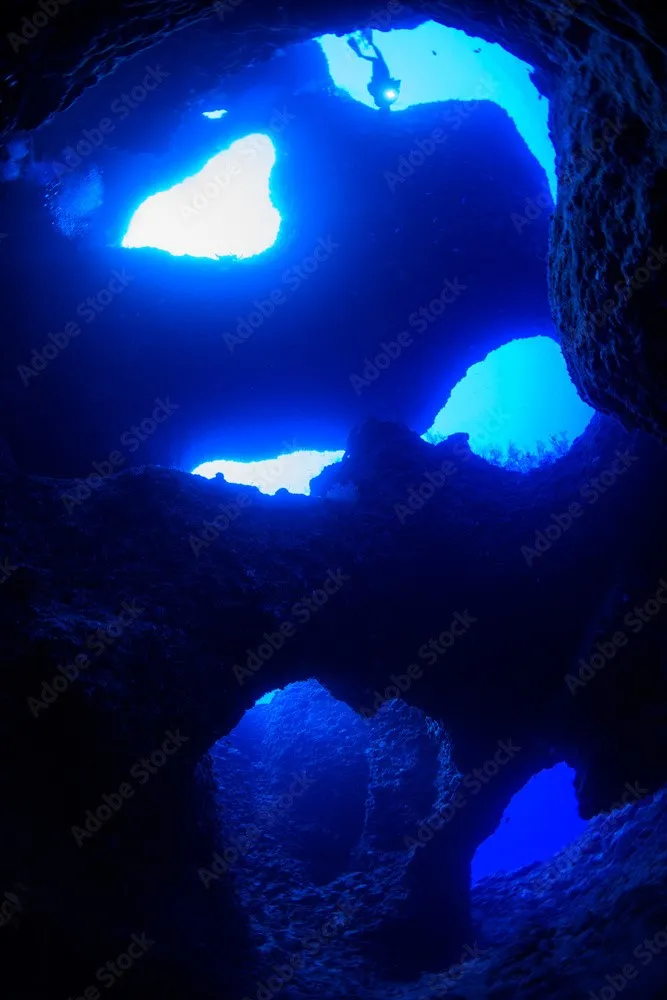
- Characterized by terrain where complex arches and tunnels interlock!
- Arches that look different depending on the angle are also appealing!
- The maximum depth is a deep 35 m, so you can savor the best of terrain diving!
"Antonio Gaudi" on Miyako Island is characterized by complex arch-shaped terrain, creating a fantastical landscape like one of Gaudi's architectural works.
The maximum depth is 35 m, and it is a point for advanced divers.
The skill of swimming while maintaining neutral buoyancy is required, and experience of 50 or more dives is recommended.
Neutral buoyancy is the skill of staying in a state where you neither float nor sink in the water, without any support.
2. A fantastical cave where light streams in: "Devil's Palace" (Miyako Island)
- Halls and caves spreading across the seabed create a mysterious atmosphere!
- The moment the blue light streams in is the main highlight!
- The depth approaches 30 m, so decompression stops are necessary!
"Devil's Palace" has a complex cave structure made up of 3 chambers, and is a fantastical spot where the way the light streams in is beautiful.
Also, the inside of the cave is very dark, so bringing an underwater light is a must.
3. A challenging cave dive: "Manza Dream Hole" (Onna Village)
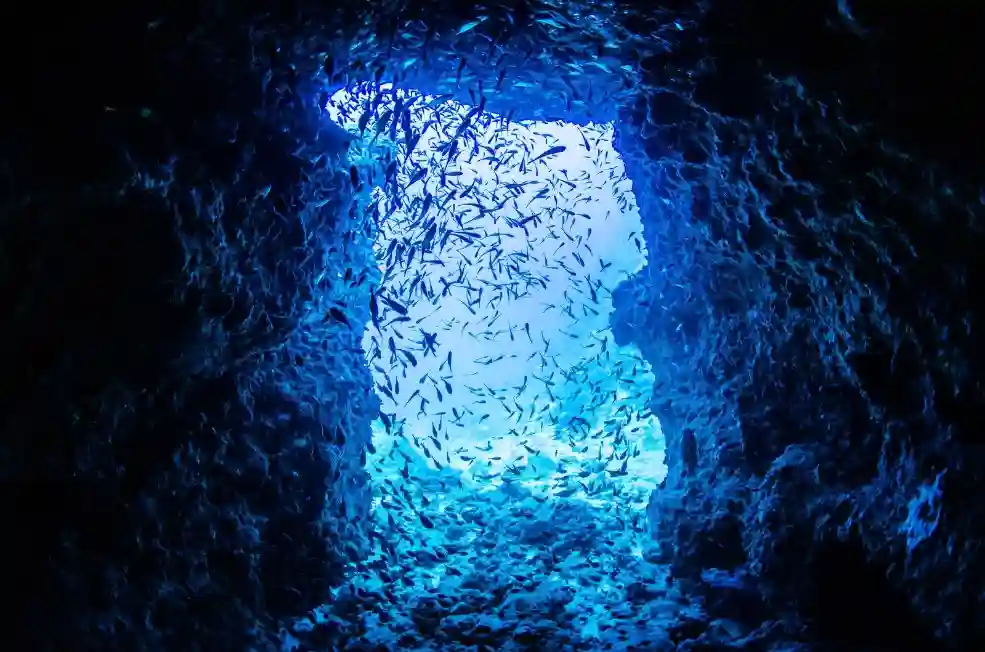
- Characterized by entry through a narrow vertical shaft!
- An adventurous dive where an underwater light is a must!
- It is deep, so decompression stops are necessary!
"Manza Dream Hole" is characterized by a vertical shaft that continues down to a depth of 30 m and an underwater tunnel.
This one is also a cave diving spot.
For that reason, a dive computer and an underwater light are essential, and it is desirable to have diving experience in conditions with current.
4. Experience the rough sea: "Barasu East Reef" (Iriomote Island)
- A dynamic spot with strong tidal currents and changeable sea conditions!
- There are points where you can see large migratory fish!
- When the waves get strong, diving may be prohibited!
"Barasu East Reef," with an average depth of 8 to 20 m, is known for its diversity of coral and beautiful underwater scenery.
At points for advanced divers, there are places where the current gets stronger as the water gets deeper, and techniques such as neutral buoyancy and free descent are required.
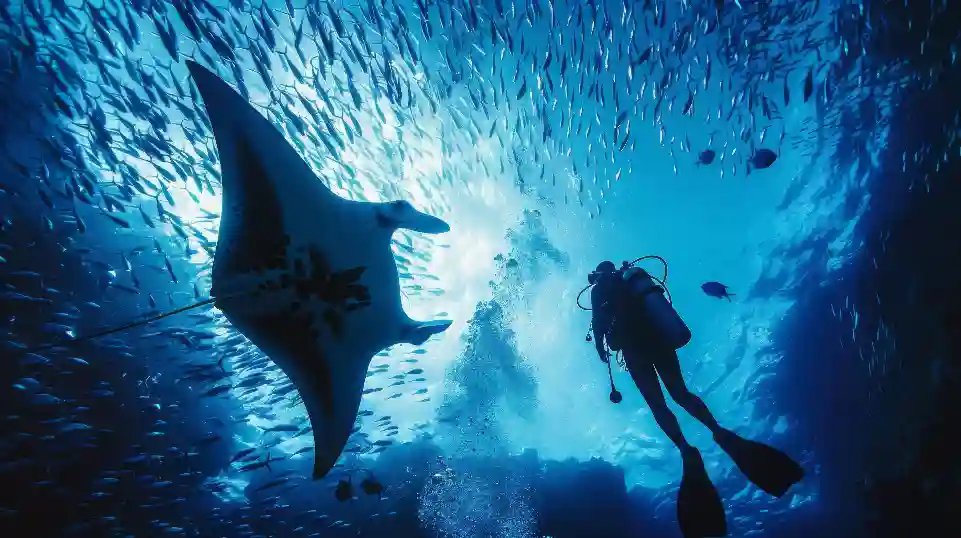
5. You might meet manta rays: "Manta Scramble" (Ishigaki Island)
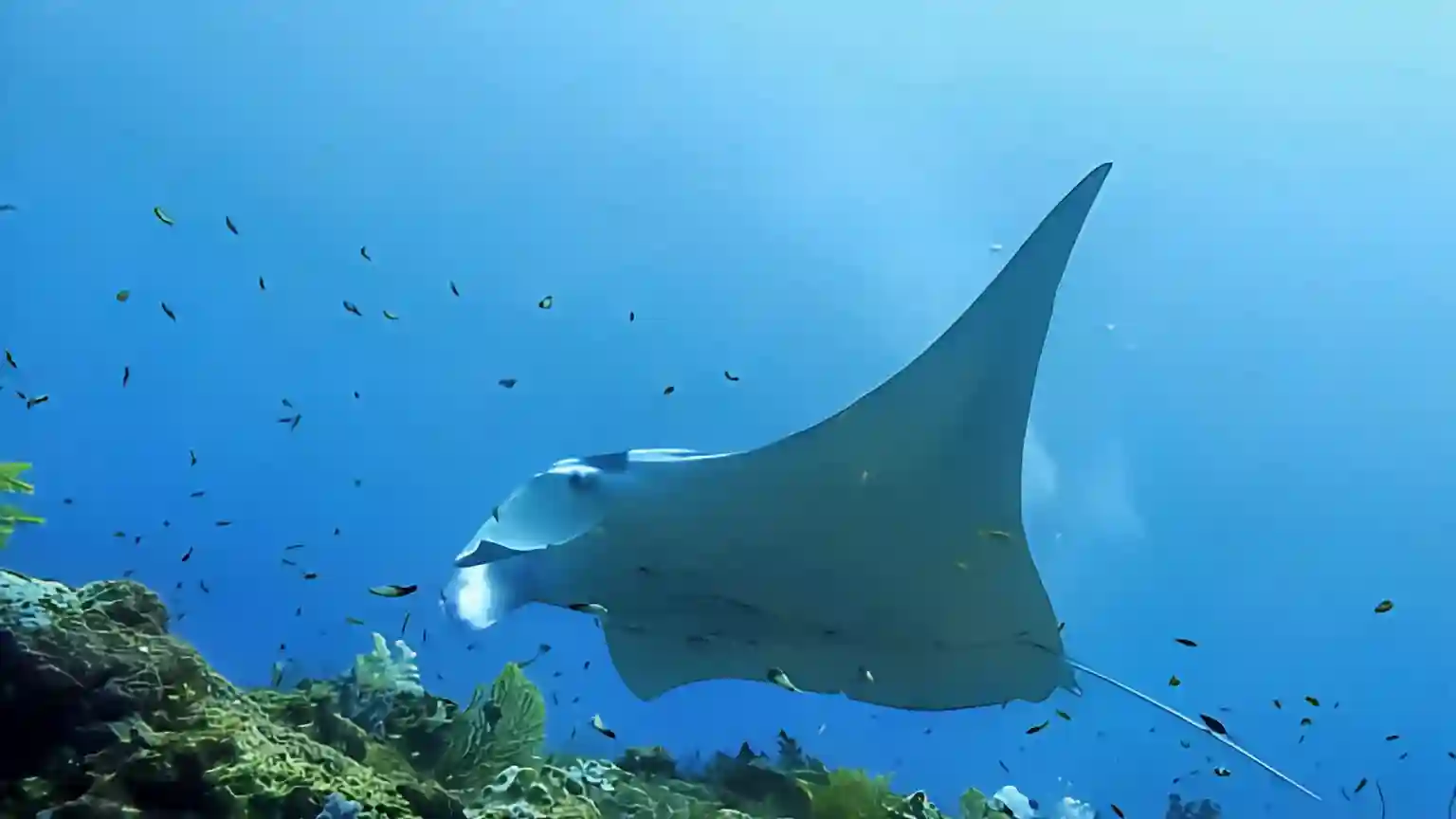
- Famous as a manta ray cleaning station (a place where manta rays get cleaned by small fish)!
- The moment when many manta rays gather is breathtaking!
- Accessible only by boat diving!
"Manta Scramble" is a spot with a high rate of manta ray encounters throughout the year.
The best time is especially from September to early November, and the depth is around 10 to 20 m.
From intermediate to advanced divers can enjoy watching manta rays.
6. An adventure in search of big animals: "Shimajirizaki Hole" (Tonaki Island)
- Many kinds of creatures live inside the underwater cave!
- A spot where divers in search of big animals gather!
- Cave diving and decompression stops are necessary!
At "Shimajirizaki Hole" on Tonaki Island, many divers visit in search of big animals, and the adventure inside the cave is the appeal.
It is a spot where there is a high chance of encountering big animals such as zebra sharks, gray reef sharks, and dogtooth tuna.
It has a complex cave structure and is considered suitable for intermediate to advanced divers.
7. Hunting for big animals along the Tonbara wall: "Tonbara" (Kume Island)
- Experience a powerful dive along a sheer rock wall!
- Large migratory fish and sharks sometimes appear!
- For experienced divers!
At Tonbara, you can savor the thrill of diving along the rock wall while looking forward to encountering big animals.
There is a high rate of encounters with large migratory fish such as bigeye trevally, dogtooth tuna, and barracuda, and hammerhead sharks can sometimes be seen in winter.
The tidal currents are complex and changeable, so it is for experienced advanced divers with plenty of diving experience.
8. Named after the airplane left on the seabed: "Dragon Lady" (Zamami Island)
- Man-made objects scattered across the seabed spark your sense of exploration!
- It is deep, and decompression management is important!
- Accessed by boat diving!
At "Dragon Lady," you can enjoy a dive exploring among sunken ships and airplane wreckage.
Known for the wreckage of an airplane that was sunk as a set for the movie "Kanojo ga Mizugi ni Kigaetara" (literally, "When She Changes into a Swimsuit"), it can be enjoyed at depths of about 5 to 30 m.
The current can become strong, so diving skills that let you enjoy taking photos while keeping safety in mind are required.
9. Explore a mysterious giant structure, natural or man-made: "Underwater Ruins" (Yonaguni Island)
- The structure of the underwater ruins, shrouded in mystery, is the appeal!
- It is deep, so it is for experienced divers!
- Sea conditions are unstable, so the days when you can dive are limited!
The "Underwater Ruins" of Yonaguni Island are a mysterious place where it is debated whether they are natural terrain or man-made.
It is a huge rock formation located at a depth of about 25 m, and it is attracting attention because its shape looks like the ruins of an ancient civilization.
The current can be strong, so advanced diving technique and the skill to maintain neutral buoyancy are required.
10. Taking on a school of bigeye trevally: "Fudenzaki" (Aguni Island)
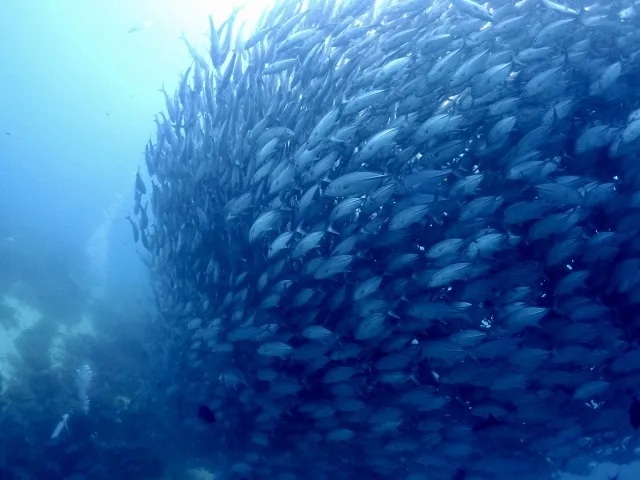
- A huge school of bigeye trevally is the highlight!
- Drift diving riding the tidal current is necessary!
- Decompression stops and time management are required!
Fudenzaki on Aguni Island is famous for its schools of bigeye trevally and is a spot that requires drift diving technique.
Here, from April to July every year, you can see a "bigeye trevally ball" in which thousands of bigeye trevally gather.
The depth is 20 to 30 m, but drift diving is the basic style, so high diving skills are essential.
[Bonus] How to choose a family-friendly diving spot you can enjoy with children
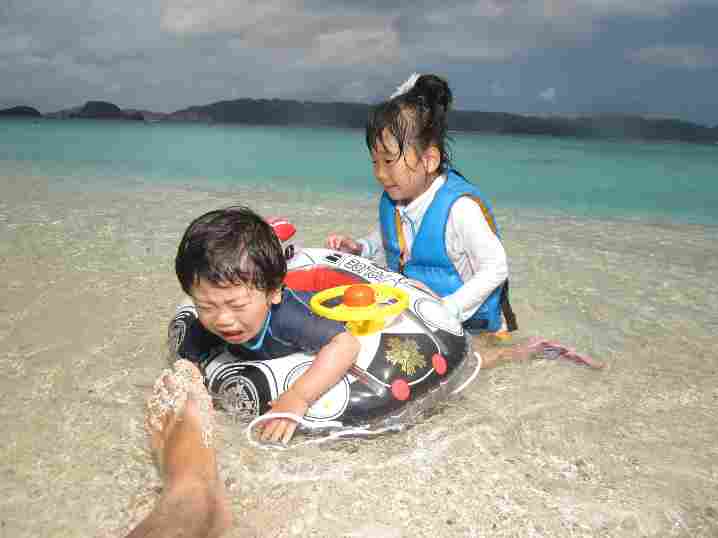
The photo above is quoted from images kindly provided to us.
The key to enjoying diving with children is not only safety, but also whether the surrounding facilities and instructor support are well established.
For family diving, experience plans that parents and children can join together are offered.
Among them, it is a good idea to choose a coast close to a busy downtown area or a tour company with a high reputation in reviews.
Points for choosing diving for children
1. Choose a spot where you can have the experience in shallow water
If you are traveling with children, we recommend plans held in shallow water of 5 m.
Okinawa's "Blue Cave" and "Sesoko Island" let you watch beautiful fish in shallow sea, so the whole family can enjoy them with peace of mind.
2. Choose a small-group or one-on-one plan
For the whole family to enjoy diving without strain, a small-group plan is ideal.
Check whether the instructor supports you carefully and whether there is a setup to make the parent-and-child experience go smoothly.
Children's movements are hard to predict, so we recommend a plan where the instructor stays by their side.
3. Places with activities other than diving are also recommended
Children often want to enjoy playing on the beach and marine activities as well as underwater experiences, so spots with multiple activities are appealing.
For example, at the "Kerama Islands" you can enjoy snorkeling and kayaking at the same time.
Also, being close to a busy downtown area makes it easier to deal with any trouble that arises, so choose a place that is not too far from town.
Examples of recommended spots to enjoy with children
- Blue Cave (Onna Village): The blue light spreading inside the cave is fantastical, and parents and children are moved together!
- Sesoko Island: You can enter from the beach, so children can take part safely too!
- Kerama Islands: Popular not only for diving but also for snorkeling and kayaking!
In family diving that you enjoy with children, it is important to balance safety and fun.
By experiencing the underwater world together as parent and child, you can make unforgettable memories.
Choose a tour with Okinawa's rich natural environment and solid support, and enjoy diving as a whole family!
If it's your first dive or only your first few, choose a beginner spot!
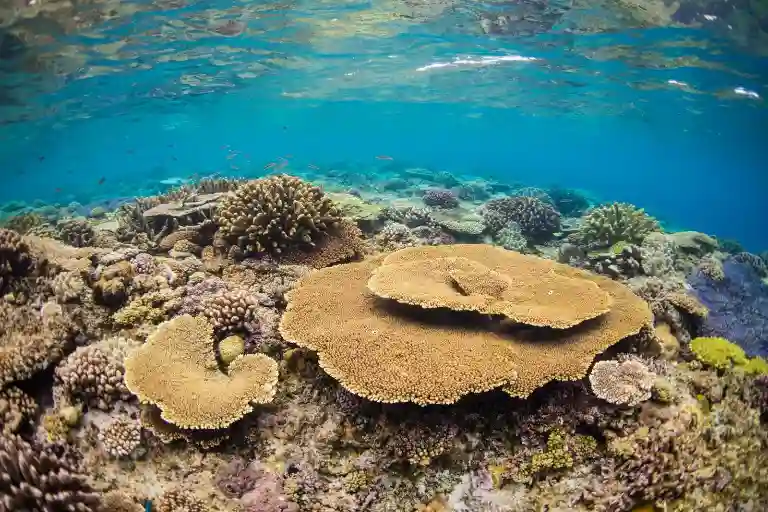
When it is your first dive, or only your first few, it is important to choose a beginner spot.
Okinawa's shallow spots and spots with gentle currents make ear equalization and buoyancy control easier, so you can enjoy them safely.
Places where beach entry is possible, such as "Blue Cave" and "Cape Maeda," are also suitable for beginners.
In such an environment, it is important to first learn the basics of diving and enjoy the beauty of the sea.
If you want to take on advanced diving in the future, choose a tour where you can earn a diving license.
Earning a diving license lets you swim in the sea just like in a regular dive.
Advanced diving spots may require dozens of dives of experience
At advanced diving spots, there are cases where experience of dozens of dives or more is required.
For example, terrain dives such as "Antonio Gaudi" and "Devil's Palace" are deep with complex terrain, so they are dangerous unless you are an advanced diver.
The "Advanced Open Water (AOW)" license for taking on those diving spots requires a minimum of 9 dives starting from no experience.
After that, by gaining diving experience in various conditions and building stable skills, you will be able to safely take on advanced spots.
Therefore, taking on such spots requires preparation and experience over the long term.
If you aim to become an advanced diver, we recommend a tour where you can earn the "Open Water Diver (OW)" license!
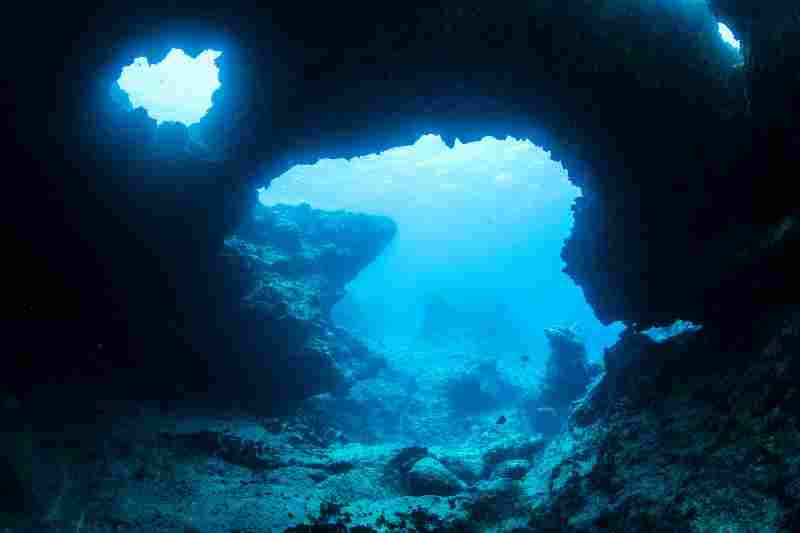
If you want to keep diving seriously, we recommend joining a license course tour rather than an introductory dive.
By earning a license such as PADI's "Open Water (OW)" or "Scuba Diver (SD)," you can take on deeper and more difficult spots.
Okinawa has plenty of tours where you can earn a license and practice at the same time, so you can improve your skills while having fun.
These licenses can be earned in 1 to 2 days, so they work even for a short trip.
Earning a license gives you access to more spots and will be a chance to broaden your underwater world.
Step up from beginner to advanced and enjoy all of Okinawa's spots with confidence!
Okinawa diving Q&A
Which season is recommended for diving in Okinawa? When is the best season?
April to October is the easiest season to enjoy diving in Okinawa.
During this period, the water temperature is a comfortable 24 to 28°C and there are many days with calm seas, so it is recommended even for beginners.
However, July to September is also typhoon season and the tourism peak, so it is hard to call it the best time.
On the other hand, from November to March the water temperature is somewhat lower and it is geared to advanced divers, but there are fewer people, so you can enjoy diving in a quiet environment.
Are there diving plans in Okinawa that families can enjoy?
Okinawa offers plenty of introductory dive plans for families that can be enjoyed without a license.
For example, the "Blue Cave" experience tour can be enjoyed safely in shallow water, so it is perfect for children and beginners.
There are also small-group plans with an instructor that are reassuring even for people diving for the first time.
When traveling with family, another tip is to choose a spot close to beaches and sightseeing places you can enjoy after diving.
"Onna Village" and "around Sesoko Island" are close to Naha City and have plenty of activities for children.
What should I look for when choosing a popular diving tour company in Okinawa?
When choosing a reliable diving tour company, pay attention to the following points.
- Are the instructors' qualifications and experience clearly stated?
- Is it highly rated in reviews and word of mouth?
- Is the equipment well maintained?
- Does it have a solid system for handling emergencies and cancellations?
- Is the website updated with the latest information?
By keeping these points in mind, you can almost certainly choose a popular diving tour company.
For beginner tours, it is also a good idea to check whether they are small-group and give careful support to each person.
Are there tours in Okinawa I can enjoy without a diving license?
Okinawa has many introductory diving tours that you can join without a license.
Many tours that do not require a diving license are labeled "introductory" diving.
You can dive to a maximum of 12 m, but it is generally done at spots with a depth of around 5 m.
On these tours the instructor is always with you, so you can enjoy diving in a safe environment.
We recommend first experiencing the charm of the sea with an introductory dive, and if you get interested, aiming to earn a diving license.
Also, a beginner diving license can be earned in about 1 to 2 days.
What things should I bring and what should I wear for diving in Okinawa?
The basic items you need to bring for diving in Okinawa include the following.
- Swimsuit: Something simple to wear under the wetsuit
- Towel: A must for drying off after diving
- Sandals: Easy to wear when moving around and fine to get wet
- Sunscreen: Okinawa's sunshine is strong, so apply it before going in the sea
Depending on the season, a rash guard or a thin warm layer is also handy.
In winter the water temperature drops, so it is reassuring to choose a plan that includes a wetsuit rental.
The tour company basically prepares the necessary equipment, so another appeal is that you can keep what you bring to a minimum.
Related articles

Summary
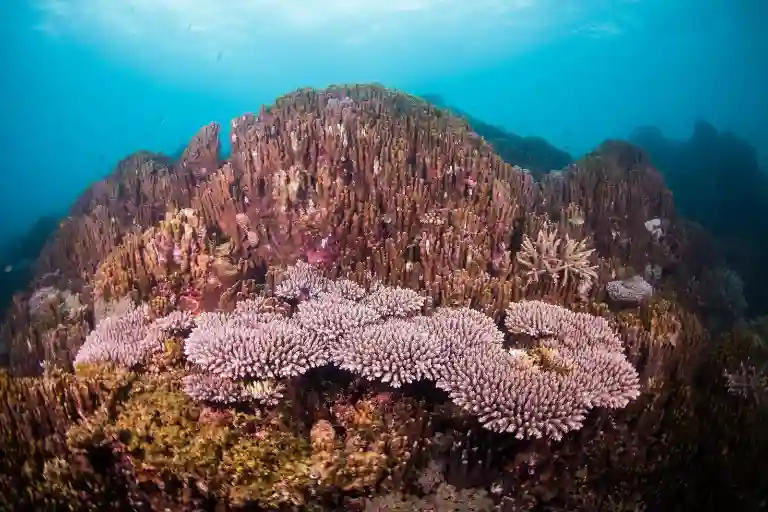
Okinawa is a treasure trove of diving spots that can be enjoyed from beginners to advanced divers.
At gentle spots for beginners, you can dive with peace of mind while getting close to beautiful coral reefs and fish.
At advanced spots, on the other hand, a special experience awaits where you can enjoy thrills and excitement while taking on strong tidal currents and diving techniques.
The charm of Okinawa's sea lies in its high water clarity and rich biodiversity.
Beginners should first gain experience in shallow water and step up slowly.
Then, by earning a license and moving on to deeper and more challenging spots, you will be able to enjoy Okinawa's sea even more deeply.
So that you can take on advanced diving spots in the future, book your diving license course on your next days off!