This article explores why the Blue Cave, one of Okinawa's iconic attractions, gives off its mysterious blue color.
Along with clear explanations of the scientific background of natural phenomena such as reflection and refraction underwater, water quality and the seabed environment, we include firsthand opinions and experiences from staff who work locally, and detail sightseeing routes, photography spots, precautions for visiting and what to bring.
Reading this article will give you a systematic understanding of the history and geographic appeal of Okinawa's Blue Cave and the secret of its dreamy blue color, as well as specific guidelines for visiting with peace of mind.
Exploring the extraordinary scenery created by Okinawa's natural world and its deeper appeal will provide comprehensive information useful for planning your next trip.
Basic information about Okinawa's Blue Cave
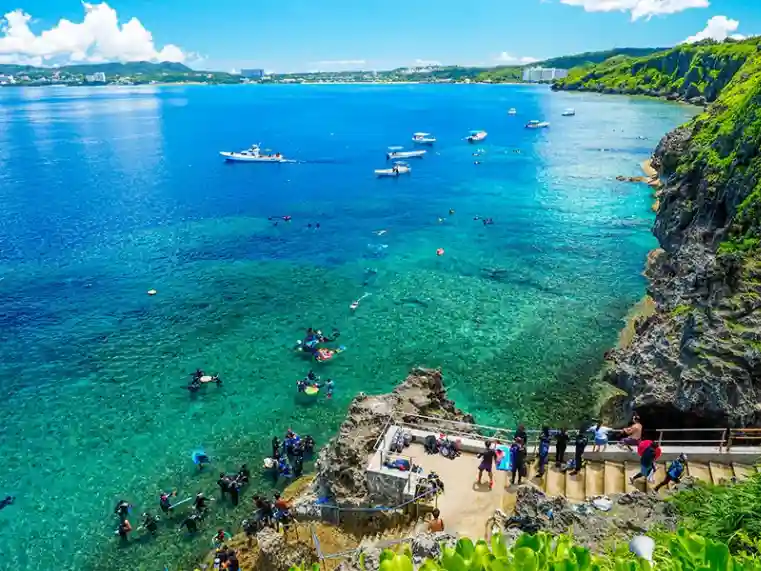
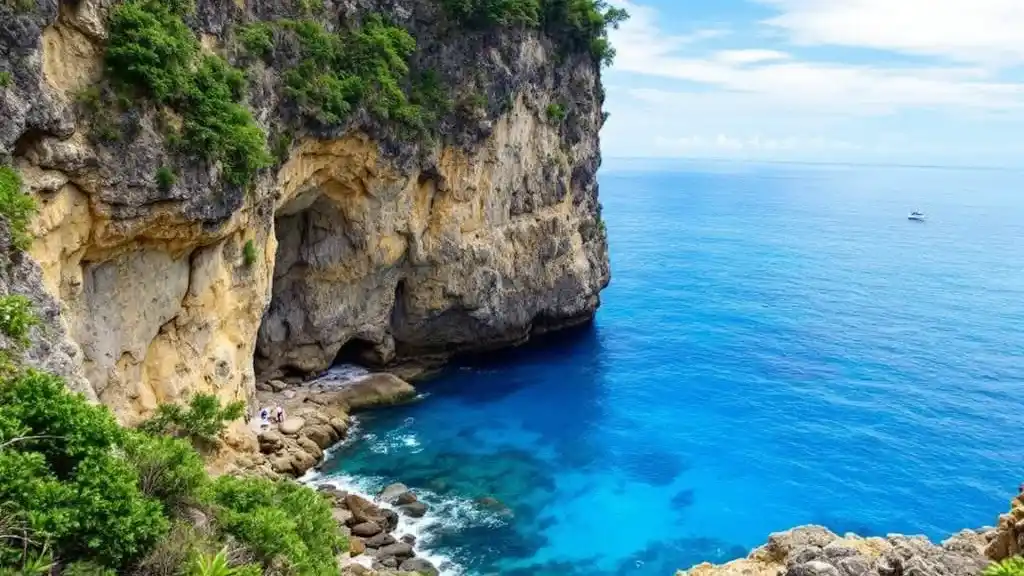
Okinawa's Blue Cave is a popular attraction located in Onna Village in northern Okinawa's main island, captivating visitors with its highly transparent seawater and distinctive displays of light.
Here we explain in detail its geographic location, how to reach it, and its appeal, including its historical background.
Geographic location and access
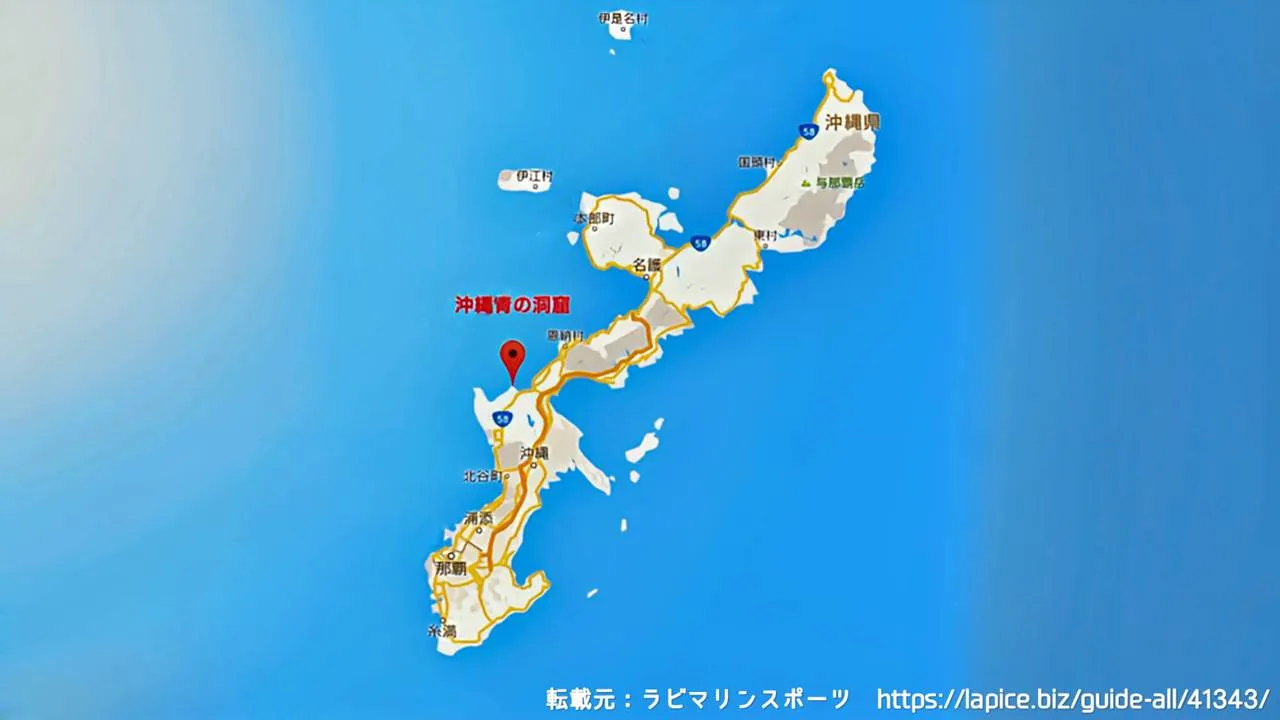
Okinawa's Blue Cave is in Onna Village, about 1 hour by car or bus from Naha City, with convenient transportation making it easy for both Japanese and international travelers to visit.
The setting offers beautiful coastal scenery, with especially clear water and white sandy beaches among the area's major attractions.
The following table summarizes basic access information around Okinawa's Blue Cave:
| Item | Details |
|---|---|
| Location | Onna Village area, Okinawa Prefecture |
| Transportation | Rental car, sightseeing bus, taxi |
| Nearest major city | Naha City |
| Travel time | About 1 hour to 1 hour 30 minutes from Naha Airport |
Local transportation is also developed, and you can travel using certain sightseeing tours or rental cars.
History and sightseeing appeal
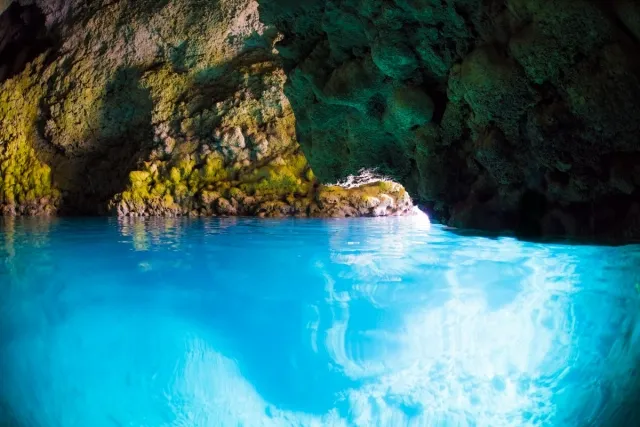
Okinawa's Blue Cave has been loved by local residents and travelers for many years.
It has long attracted attention as a destination for underwater exploration, and the dreamy blue light created by nature offers an excellent opportunity to feel the harmony of Okinawa's sun and sea.
This cave is managed through cooperation between local residents and government as part of environmental protection activities and regional development.
Its growing value as a tourism resource allows visitors to experience Okinawa's appeal through both its historical background and modern tourist facilities.
In particular, light entering the cave reflects off tiny particles underwater and produces a dreamy blue glow, a phenomenon regarded as scientifically interesting.
Local guides also offer tours with stories connected to history and legends.
This has drawn attention to the cave not simply as an attraction, but as a place to learn about the depth of Okinawa's nature, culture and history.
For the latest tour information and highlights, visit the official page of Kai・la, Okinawa Blue Cave specialists.
The secret of the natural phenomenon behind the blue glow
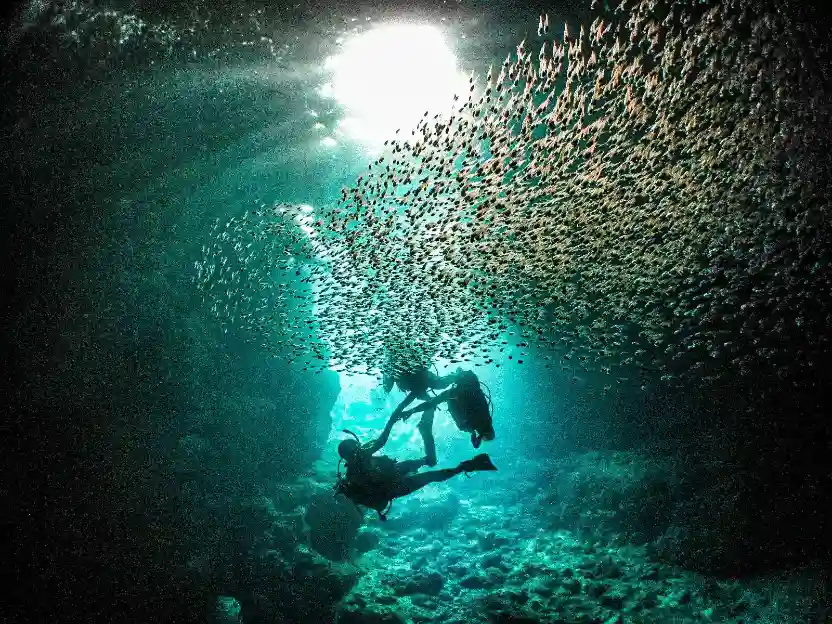
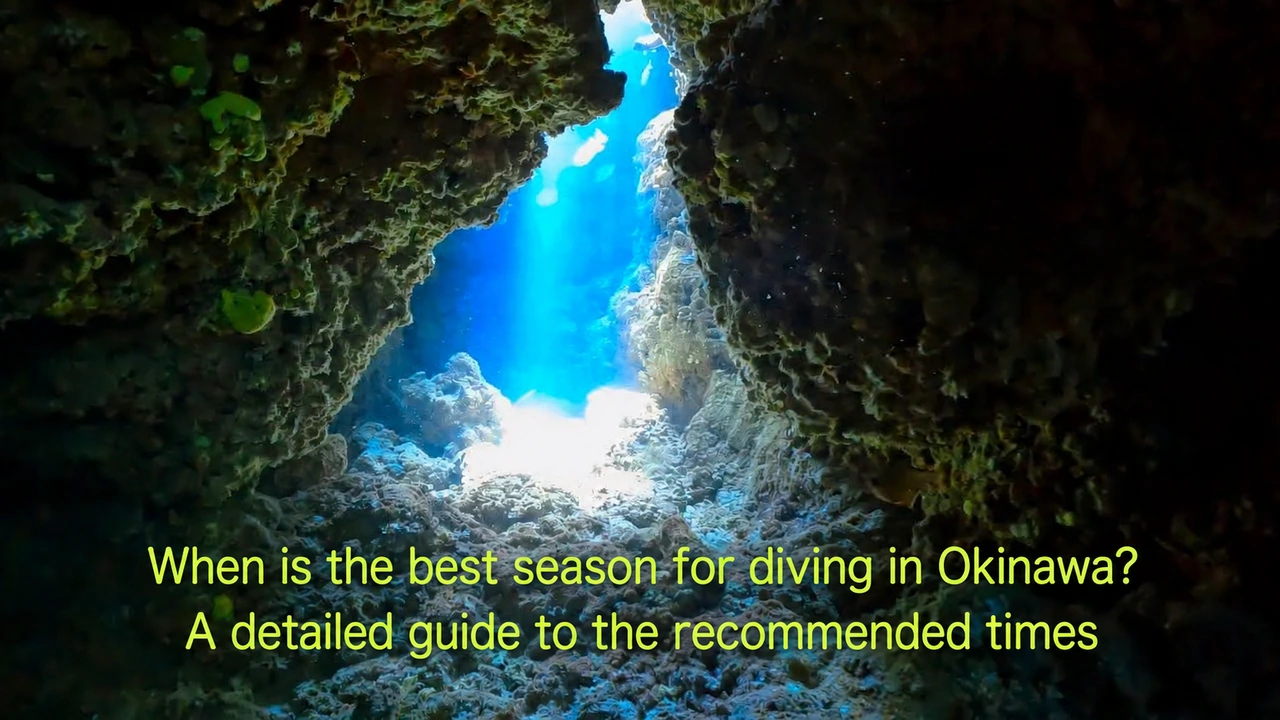
The distinctive blue color of Okinawa's Blue Cave is created by the delicate balance between complex optical phenomena and the underwater environment.
This section explains how sunlight scatters and reflects underwater to color the cave a dreamy blue, and details how water quality and terrain contribute to the display.
How light reflection and refraction work

Sunlight contains a mixture of wavelengths, but blue light in particular is strongly affected by Rayleigh scattering because of its short wavelength.
This phenomenon is similar to why the sky looks blue: light scatters as it encounters tiny particles and molecules underwater, biasing the transmitted light toward blue, so blue becomes dominant inside the cave.
Furthermore, refraction occurs as light passes across boundaries between water and rock or between water and air, changing the direction in which it travels.
This refraction makes the paths of light inside the cave more complex, allowing light from the same source to be seen at multiple angles and making the blue glow stand out even more.
For a deeper understanding of sunlight reflection and refraction, explanations from the Japan Science and Technology Agency (JST) are also helpful.
| Phenomenon | Explanation | Conditions |
|---|---|---|
| Rayleigh scattering | A phenomenon in which short wavelengths of sunlight scatter due to tiny particles underwater | Highly transparent water and the presence of fine particles |
| Refraction | A phenomenon in which light changes direction when passing between different media, such as water and air or water and rock | Light entering at a boundary |
The role of the underwater environment and water quality
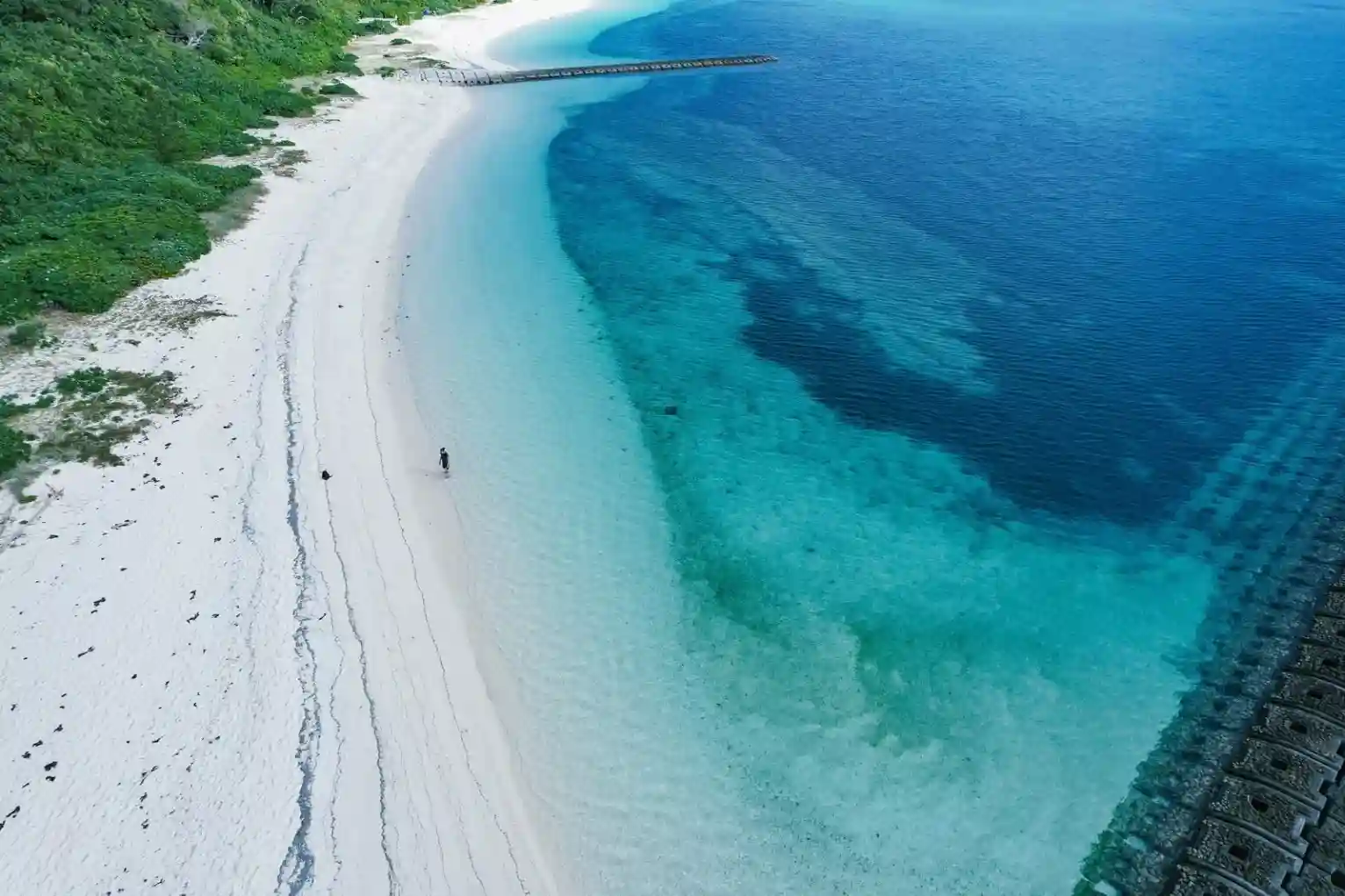
The highly transparent seawater in the Blue Cave is an important factor allowing sunlight to reach the cave's interior with almost no attenuation and bring out the greatest light effects.
Clear water transmits light efficiently, making underwater reflection and refraction even more noticeable.
The seabed terrain and mineral content also play a major role.
In Okinawa's waters, where natural rocks originating from volcanic activity and coral reefs are widespread, these components give the water's color a distinctive depth and glow, making the blue inside the cave feel even more vivid.
The following table summarizes differences between the underwater environment in Okinawa's Blue Cave and other areas.
It gives a specific understanding of which factors contribute to the beauty of the blue.
| Factor | Features of Okinawa's Blue Cave | Comparison with other areas |
|---|---|---|
| Water clarity | Extremely high, allowing sunlight to penetrate inside with almost no attenuation | Clarity is often low near cities and in coastal areas |
| Seabed terrain | Abundant coral reefs and volcanic rocks enhance light reflection | Reflection is limited on sandy or uniform seabeds |
| Mineral content | A natural mineral balance is maintained, helping emphasize blue light | Water quality tends to deteriorate near industrial areas |
Local staff describe its captivating reality
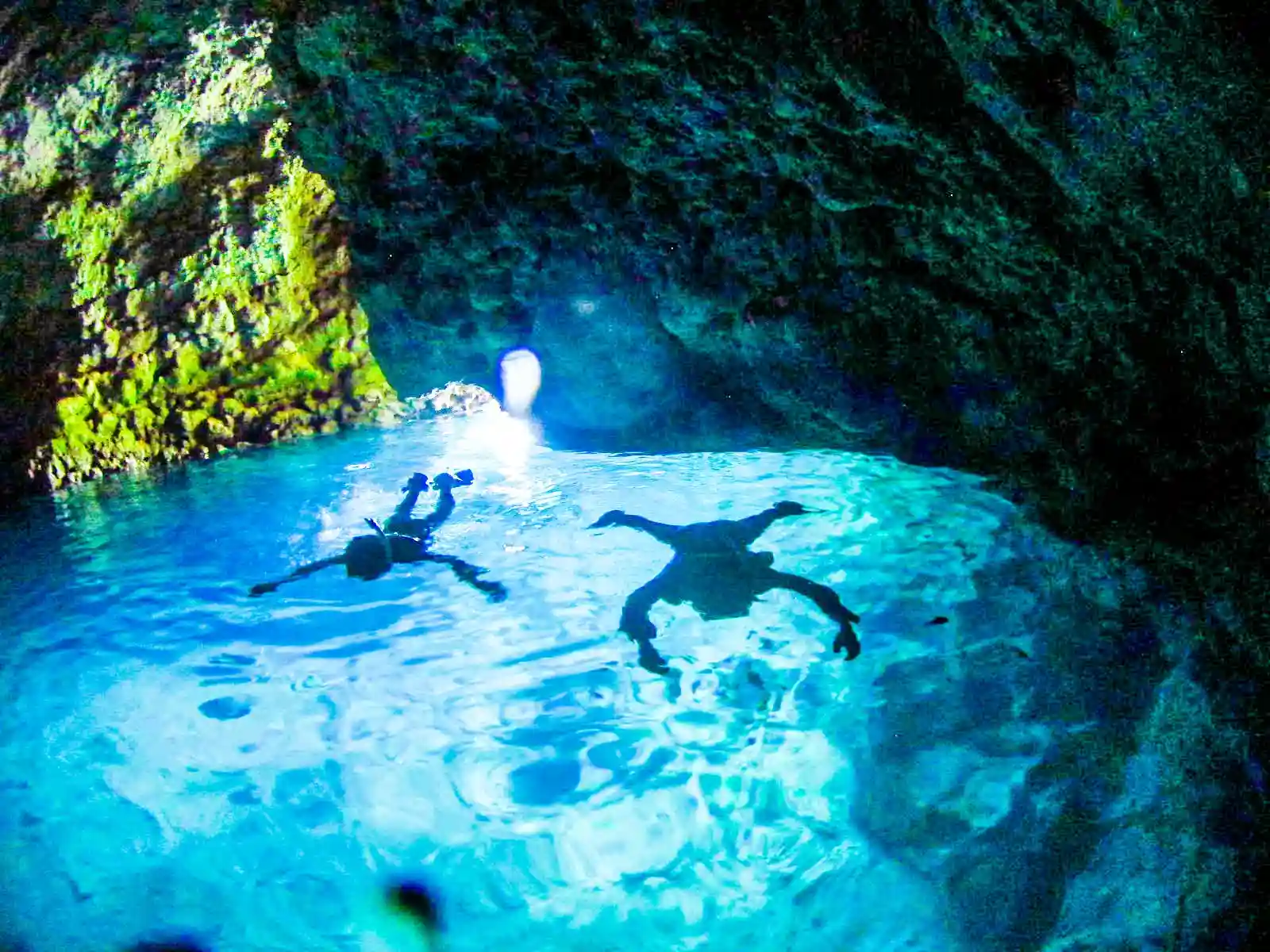
Besides its overwhelming beauty, Okinawa's Blue Cave is an attraction that offers a truly unique experience even from the perspective of local staff.
As local staff, we encounter this natural phenomenon every day and have developed detailed knowledge and experience to bring every visitor both reassurance and excitement.
Here we explain safety measures and precautions for sightseeing in detail, alongside perspectives unique to the area.
A perspective unique to local staff

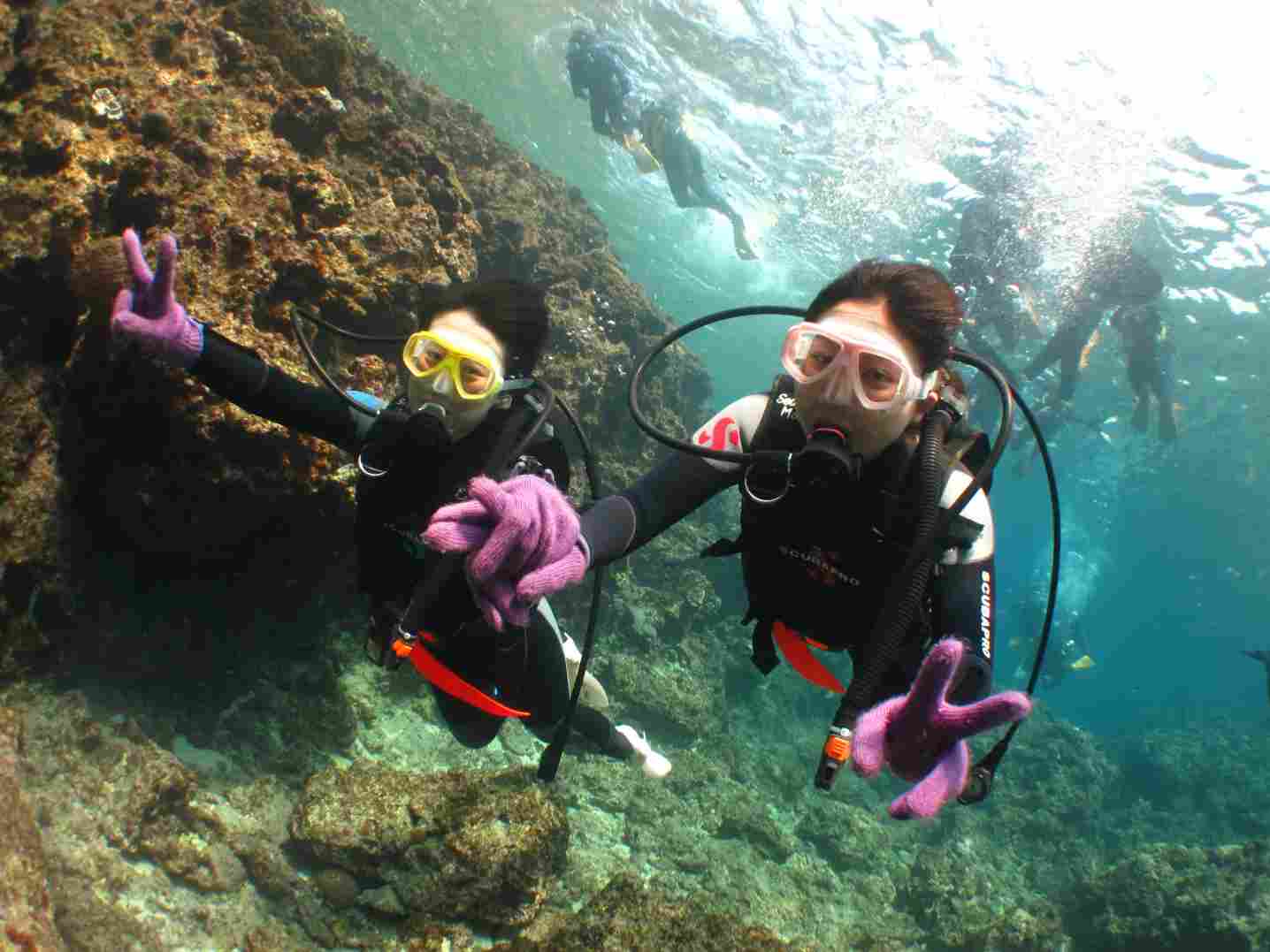
Okinawa's Blue Cave is a popular snorkeling and diving spot where visitors are captivated by the dreamy blue created by sunlight entering the sea.
Working locally, we feel nature's living vitality in our daily duties, while appreciating the importance of its value as a tourism resource.
We provide detailed information and support so that visitors do more than see photos and videos: they experience the atmosphere, the sound of waves and even the coolness of the sea for themselves.
We also work to deepen visitors' experiences by sharing distinctive stories drawn from the area's history and traditions and exchanges with local residents.
Safety measures and sightseeing precautions

To enjoy the beautiful Blue Cave fully, adequate safety measures are essential.
Local staff prioritize visitors' safety, recommending strict adherence to guidelines and the use of various safety equipment.
The following table summarizes the safety measures we take daily and precautions for sightseeing.
| Item | Details |
|---|---|
| Equipment checks | We check snorkeling and diving equipment in advance and always confirm that it meets safety standards. |
| Water temperature and currents | Local staff check the water temperature and that day's currents and constantly observe for danger. Sudden weather changes also require attention. |
| Guide accompaniment | A local guide always accompanies participants so that even first-timers can enjoy the experience with peace of mind, providing appropriate instruction and working to ensure safety. |
| Meeting and waiting locations | We establish meeting and waiting locations in advance in case of trouble and also prepare emergency communication arrangements. |
| Health checks | We check participants' physical condition and health, suggesting manageable plans to reduce the risk of accidents. |
| Advance briefing | Before the experience, we provide safety instruction and explain precautions so that participants can join with sufficient knowledge. |
We also strongly recommend keeping the following points in mind while sightseeing.
- Always follow staff instructions in preparation for sudden changes in your physical condition underwater.
- Leave valuables and unnecessary belongings in storage, or do not bring them.
- Stay alert to weather changes and do not force yourself to enter the sea.
We local staff constantly check the latest safety and weather information and provide full support so that all visitors can experience the Blue Cave's appeal with peace of mind.
This lets us provide an experience that combines reassurance and wonder.
A guide to exploring Okinawa's Blue Cave
Recommended sightseeing routes and photography spots

The route to Okinawa's Blue Cave is dotted with many excellent photography spots, allowing you to appreciate nature's beauty fully.
Local staff recommend leaving early in the morning and visiting when the angle of light is most beautiful.
Many visitors come to the Blue Cave area hoping for an Instagram-worthy photo against the dreamy scenery woven from blue underwater light and rocky surfaces.
Route details and highlights
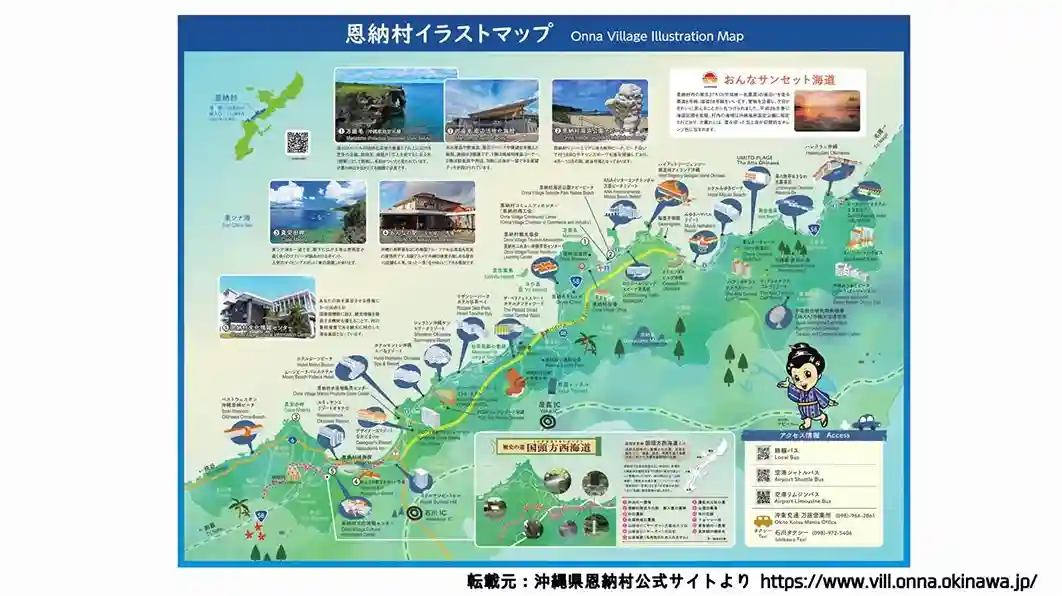
Various tours departing from Naha City or Onna Village are popular starting points.
The following routes are useful references for tours.
| Area | Sightseeing route | Photography spots | Access information |
|---|---|---|---|
| Onna Village area | From coastal Route 58 to the marina area | Near the Blue Cave entrance, observation deck | Rental car or local tour bus |
| Ginowan area | A direct route with a tour departing from and returning to a diving shop | Full views from the boat, natural light inside the cave | Bus or taxi |
What to bring and precautions for visiting

When visiting the Blue Cave, thorough preparation is important for safety and a comfortable experience.
Activities on the sea and inside the cave are affected by sudden weather changes and currents, so check that you have all necessary items.
Packing list and recommended items
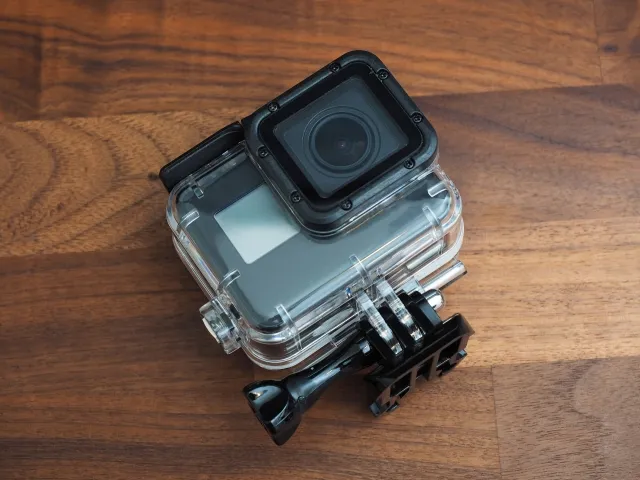
The list below contains essential items recommended by local staff.
Preparing these lets you enjoy sightseeing with peace of mind.
| Item | Reason for recommendation |
|---|---|
| Waterproof camera or waterproof case | Ideal for underwater photography. Lets you record the blue scenery. |
| Change of clothes | To prevent a drop in body temperature from wet clothing. |
| Sunscreen and hat | To protect skin from strong sunlight on the sea. |
| Drinking water | Adequate hydration helps prevent fatigue. |
Safety measures and sightseeing precautions
Local staff also recommend paying close attention to the following points.
- Check weather and sea conditions in advance and be ready for tour cancellation or changes in poor weather.
- Underwater, put safety first and avoid overexertion or acting alone.
- Follow the instructions of local staff and instructors.
- Be mindful of environmental activities, take your trash with you and show consideration for the natural environment.
Following these precautions allows for an enjoyable, safe trip.
You can also check detailed information on the Japan National Tourism Organization's official website.
Conclusion
The beautiful blue of Okinawa's Blue Cave is mainly caused by natural phenomena involving light reflection and refraction, with the underwater environment and high water clarity also making major contributions.
Together, these factors create dreamy, painting-like scenery that brings visitors wonder and surprise.
From the perspective of local staff, the Blue Cave is more than an attraction: it is a place closely connected to Okinawa's historical and geographic background, bringing together the appeal of the entire region.
With growing tourism demand in recent years, people have also emphasized the importance of safety measures, appropriate equipment and gathering information in advance.
Trusted travel information websites and major travel agencies around Japan also explain the beauty of Okinawa's Blue Cave and points for safe sightseeing in detail, and visitors are encouraged to use this information when planning a visit.
Ultimately, the appeal of the Blue Cave comes from a combination of nature's mysteries, scientific phenomena and appropriate preparation to enjoy them.