
"When I go diving, what should I wear and bring? I don't want to forget anything, and I'd like to know the key points for enjoying it safely!"
Many of you are probably thinking just that.
To enjoy diving comfortably, choosing the right clothing and preparing what to bring are very important.
By putting together items that suit you, you can enjoy diving even more comfortably.
In this article, we explain in detail how to choose diving-appropriate clothing, the must-have items, and even handy extras.
We hope this information helps ease any worries about your trip so you can fully enjoy the underwater world!
What to wear for diving: the essentials to know
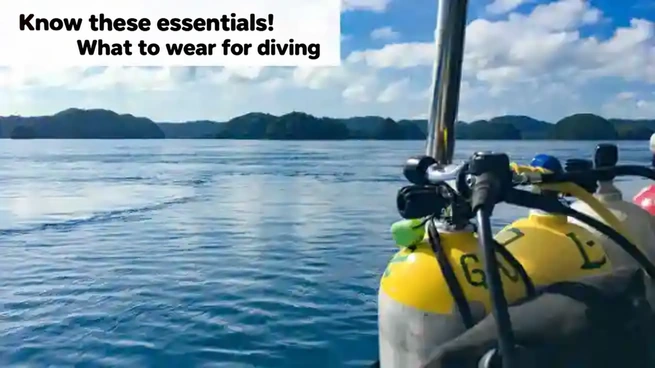
Choosing what to wear for diving is not just about looks; it is also very important for ensuring comfort and safety.
The sea in particular is an environment where you are easily affected by water temperature, currents and ultraviolet rays, so proper preparation is necessary.
Now, let's take a look together at the basic diving wear you really should know about!
Basic diving wear items
Diving is a wonderful activity that lets you experience an extraordinary world in the blue sea.
However, to fully enjoy the fun, the right diving wear is essential.
Diving wear is an important item that protects your body and lets you move around comfortably underwater.
How satisfying your dive is can change greatly depending on how you choose your wear and which type you pick.
From beginners to experienced divers, let's take a detailed look at the basic items everyone should understand.
Wetsuits and drysuits
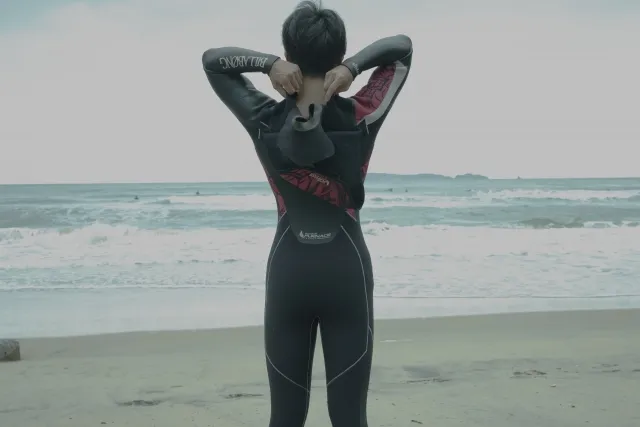
Wetsuit: warms you by trapping a layer of water! Choose this if warmth is your priority!
| How it works | The suit is designed to let water in, and the water warmed by your body heat stays between your body and the suit. This gives it insulation that keeps you at a steady temperature even in cold water. |
| Material | Made from stretchy materials such as neoprene rubber. |
| Advantages | Wetsuits are generally cheaper and come in a wider variety. They also need less upkeep, and care after use is simple. They are also easy to put on and easy to move in. Because they do not get in the way of your movement underwater, they suit marine sports that involve a lot of activity. |
| Disadvantages | A wetsuit alone may not keep you warm enough. When the water is cold, your body is more likely to get chilled during a long dive. Also, because they absorb water, they take time to dry after use. Wetsuits do not offer very high UV protection, which is another drawback. Thicker ones can make your shoulders and elbows feel stiff. |
Drysuit: keeps water out! The pick for cold conditions!
| How it works | A drysuit is made of waterproof material, and by staying airtight so that no water gets inside the suit, it keeps your body heat from escaping and keeps you warm. |
| Material | Uses waterproof, breathable materials, or neoprene rubber layered with a highly waterproof fabric. |
| Advantages | It keeps your body from getting chilled even in cold water, so you can enjoy diving comfortably for a long time. You can wear base layers under the drysuit and adjust the level of warmth to suit the outside conditions. Also, your body is not wet after you take the drysuit off, so changing is easy. |
| Disadvantages | It is more expensive than a wetsuit and comes in fewer types. The waterproof seals and zippers are complex in construction, so it takes some getting used to when putting it on and taking it off. Another drawback is that buoyancy control can be harder than with a wetsuit. Especially for diving beginners, managing the amount of air to keep stable buoyancy can feel difficult. If air collects unevenly in the suit, you may lose your balance or find it hard to control your movements. |
So which one is better?
When the water is warm (25°C or above) or for active marine sports: a wetsuit!
When the water is cold (20°C or below), for long underwater activities, or if you feel the cold easily: a drysuit!
That said, how it feels differs depending on water temperature, air temperature, individual differences and the activity, so if you are unsure, try consulting a dive shop or similar!
Other diving items
Fins

Fins are used to push through the water efficiently.
There are many types, and you choose among them according to the diver's skill and diving style.
Choosing the right fins greatly improves your forward power and makes you less likely to get tired.
Mask
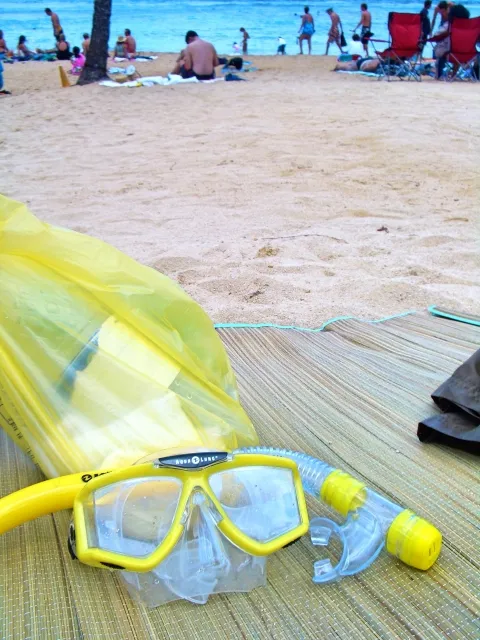
A mask is an essential item for keeping your vision clear underwater.
Your field of view differs greatly depending on how the design fits your face and the shape of the lens.
Choosing a mask that suits you is essential for comfortable diving.
Snorkel
A snorkel is equipment that lets you breathe while keeping your face in the water.
With a snorkel, you can keep your face in the water for a long time and enjoy the fish and coral below.
BCD (Buoyancy Control Device)
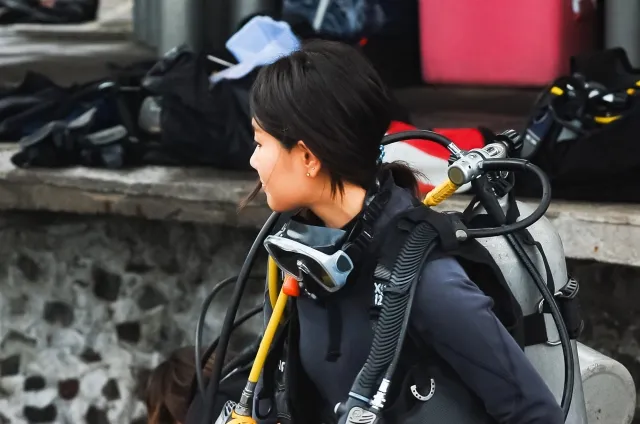
A BCD is a device for adjusting your buoyancy during a dive.
By controlling your weight and your buoyancy in the water, a diver can float or sink at will.
A BCD is an indispensable item for diving.
Regulator
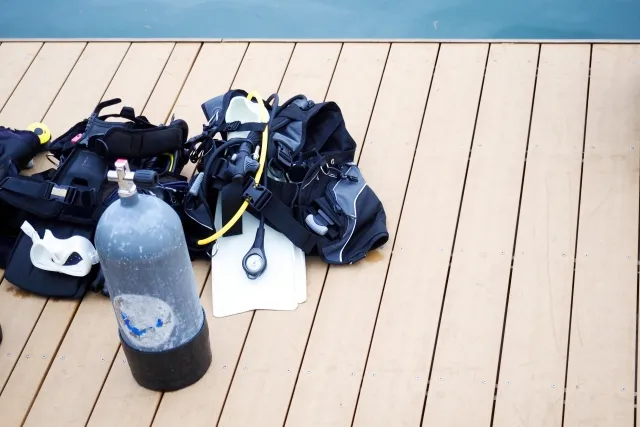
A regulator is a piece of diving equipment that converts the compressed air supplied from the tank into a pressure the diver can breathe.
A regulator has a major effect on diving safety, so choose one carefully, checking that it is not old and that it works properly.
How to choose innerwear
Innerwear is worn under your diving wear and is needed to keep you comfortable.
How to choose it differs for wetsuits and drysuits.
Especially when wearing a wetsuit, much of it touches your skin directly, so you need to prevent seams and bonded sections from chafing your skin.
Here we explain in detail the points to consider when choosing innerwear.
1. Material
There are many materials for innerwear, but it is a good idea to choose one with the following characteristics.
| Neoprene | The main material of wetsuits, with excellent warmth and buoyancy. Suited to diving in cold waters. |
| Polyester | Lightweight and quick-drying, and good for protecting your skin from sunburn and cold water. |
| Wool | Very warm and absorbs sweat. Because it keeps you warm well underwater, you stay cozy even in cold conditions. |
| Fleece | A soft, warm material, mainly used as innerwear in cold regions. |
2. Fit
It is important that innerwear fits your body.
If it is too loose, water may get in and weaken the warming effect; if it is too tight, it becomes hard to move.
Choose a moderate fit that follows the contours of your body.
3. Purpose
Choose your innerwear to match the environment where you will be diving.
| Diving in warm places | Lightweight, breathable innerwear is suitable. Choosing a quick-drying material will keep you comfortable. |
| Diving in cold places | Choose neoprene or wool innerwear with high warmth, and it is a good idea to pick thicker pieces. Neoprene innerwear in particular holds body heat well. |
4. Layering
Especially when diving in cold conditions, it is important to layer your innerwear.
For example, layering a thick piece over a thin piece of innerwear can increase warmth.
Also, considering ease of movement during the dive, it is best to choose layering materials that are slippery.
5. Sleeve and pant length
The length of the sleeves and pants of your innerwear is also an important point.
Choose clothing to suit the situation, such as a full-body suit type, a short-sleeved tank top, or shorts.
When doing activities in cold conditions, it is a good idea to choose long sleeves and long pants.
Recommended innerwear for wetsuits
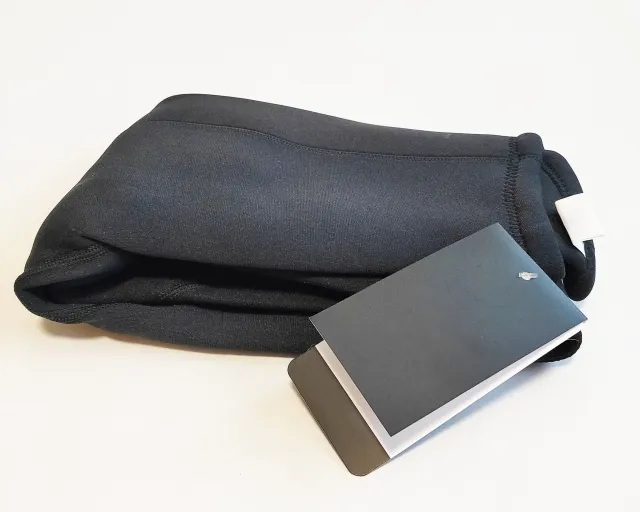
① Swimsuit
Choose a simple one with little decoration so that frills, ribbons and the like do not catch on the wetsuit.
A separate two-piece type is also handy.
For men, body-fitting surf shorts or board shorts are a good choice.
Some people choose snug boxer-style racing swim trunks.
② Rash guard
A rash guard can also be used as innerwear, but a loose one makes the wetsuit harder to put on and take off, so choose a size that fits your body.
Recommended innerwear for drysuits
① Long-sleeved shirt + long pants
Choose a hiking base layer or ski undershirt, with warm jersey or polyester pants.
When it is cold, wearing warm tights underneath will help keep the cold out.
② Socks
Length matters! Choose socks long enough that you can tuck the hems of your pants inside them.
Hiking socks are a perfect fit.
Innerwear greatly affects how comfortable your dive is, so it is important to choose what suits you.
Take your time choosing so that you can enjoy comfortable and safe diving.
Diving packing list: must-have items and why you need them

What should I bring diving?!
From here, we introduce the must-have items to prepare in advance, as well as things you will need in an emergency.
We also explain the reasons for each.
Must-bring checklist
Here is the checklist of items you must bring.
| Swimsuit |
| Rash guard |
| Change of clothes |
| Towel |
| C-card and logbook |
| Everyday medication |
Swimsuit
Needed as innerwear under your diving wear.
Bring a simple one with little decoration!
Rash guard

A must for sun protection!
During breaks, you can also take off just the top half of your wetsuit and wear the rash guard.
If it is a body-fitting type, it can also be used as innerwear.
Change of clothes
For changing after your dive.
T-shirts, shorts, dresses and the like are easy to change into and work well.
Towel

A bath towel and a face towel.
Towels come in handy for all sorts of things, so bring plenty!
A compact swim towel that does not take up much room is highly recommended for its quick-drying, absorbent qualities.
C-card and logbook
C-card: Your license card. It is essential, especially for diving overseas.
Logbook: A book for keeping a record of your dives.
If you have taken a course and obtained a scuba diving license, remember to bring your C-card and logbook.
Depending on the dive shop, you may not be able to take part in a dive if you forget them, so be sure to bring them.
If you do not have a license, you do not need them.
Everyday medication
With all the focus on diving gear, this is surprisingly easy to forget.
If you take everyday medication, be sure never to forget it!
For example, painkillers. It is a good idea to have them in case of a sudden headache caused by temperature differences or water pressure.
Painkillers can also be used when you are injured or have a fever, so they are a versatile must-have item.
What you need in an emergency
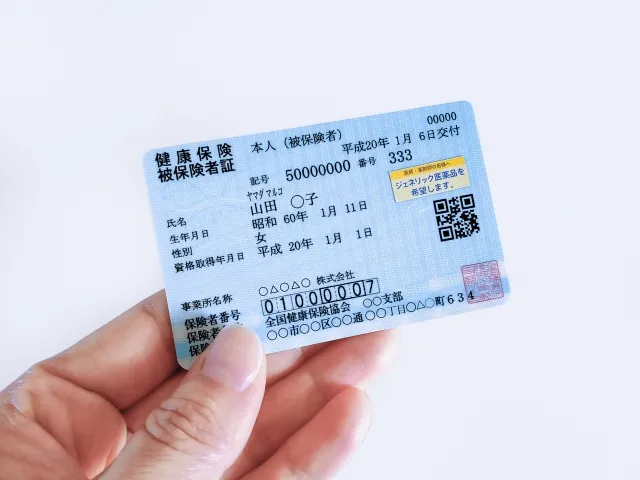
| Health insurance card |
| Emergency contact list |
| Medication notebook |
Health insurance card
Bring it for emergencies, of course, and just in case.
Emergency contact list
It is a good idea to carry a list of a few emergency contacts.
If an accident or trouble occurs, you can immediately check the contacts you need (family, friends, your regular doctor and so on), which makes a quick response possible.
In particular, if you lose consciousness or your judgment is impaired, it serves as an important source of information for the people around you to act on right away.
Medication notebook
If you carry a medication notebook, medical staff can quickly check whether you have any allergies and your medical history so far, and you can receive appropriate treatment.
That gives you peace of mind when receiving treatment.
7 handy diving accessories: items that give you peace of mind

Make use of handy accessories to enjoy diving even more comfortably and safely!
We will introduce our recommended accessories one after another.
7 handy accessories
Waterproof bag
If you enjoy diving or activities at the beach, a waterproof bag that firmly protects your valuables from water is handy.
To protect your phone and valuables from seawater, choose one that is sturdy and from a reliable maker.
Most waterproof bags can be rinsed whole with water even when they get dirty from mud or sand!
You can always use them in clean condition, so they are hygienic.
With one of these, you are fine not only for diving but also for outdoor activities like camping and sudden rain.
It will protect your important belongings and keep them dry.
Our top pick for a waterproof bag ↓
Splash waterproof tote bag 35L / LEYTON HOUSE
(Reference: https://item.rakuten.co.jp/provence/lhb-105/)
This is a waterproof bag from Leyton House. Most waterproof bags are backpack style, but this one is actually a shoulder bag!
It has a stylish design and can be used for everyday life as well as outdoors.
At 35L, it is large enough that there is still room even after you put in your fins and wetsuit.
It comes with a belt strap so you can use it as a shoulder bag, and you can also hold it in your hand as a handbag, making it a welcome 2-way type.
The opening is wide, so putting things in and taking them out is easy, and all you do is roll the top down and close the buckle.
It comes in a generous 8 color options, and it also has a handy bottom board.
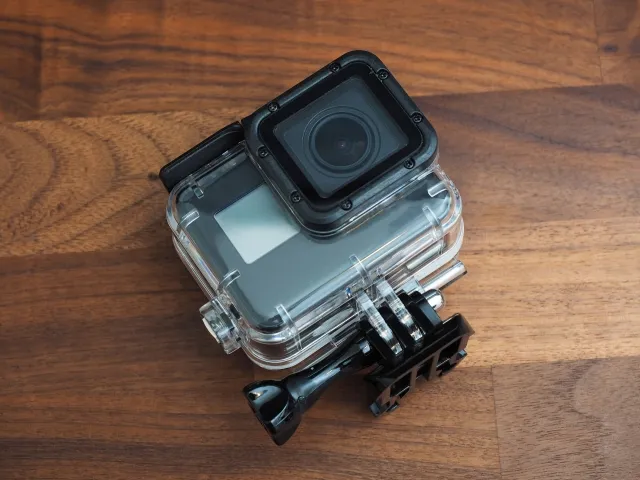
Waterproof camera
A waterproof camera lets you capture the beautiful underwater scenery in high image quality.
These days, a wide range of waterproof cameras is on sale, from compact models that are easy to use to serious DSLRs.
In particular, models designed for underwater shooting are equipped with image stabilization and high-quality sensors, so the moment you capture turns out like a scene from a movie.
It is a perfect item for anyone who wants to enjoy more serious underwater photography.
Our top pick for an underwater camera ↓
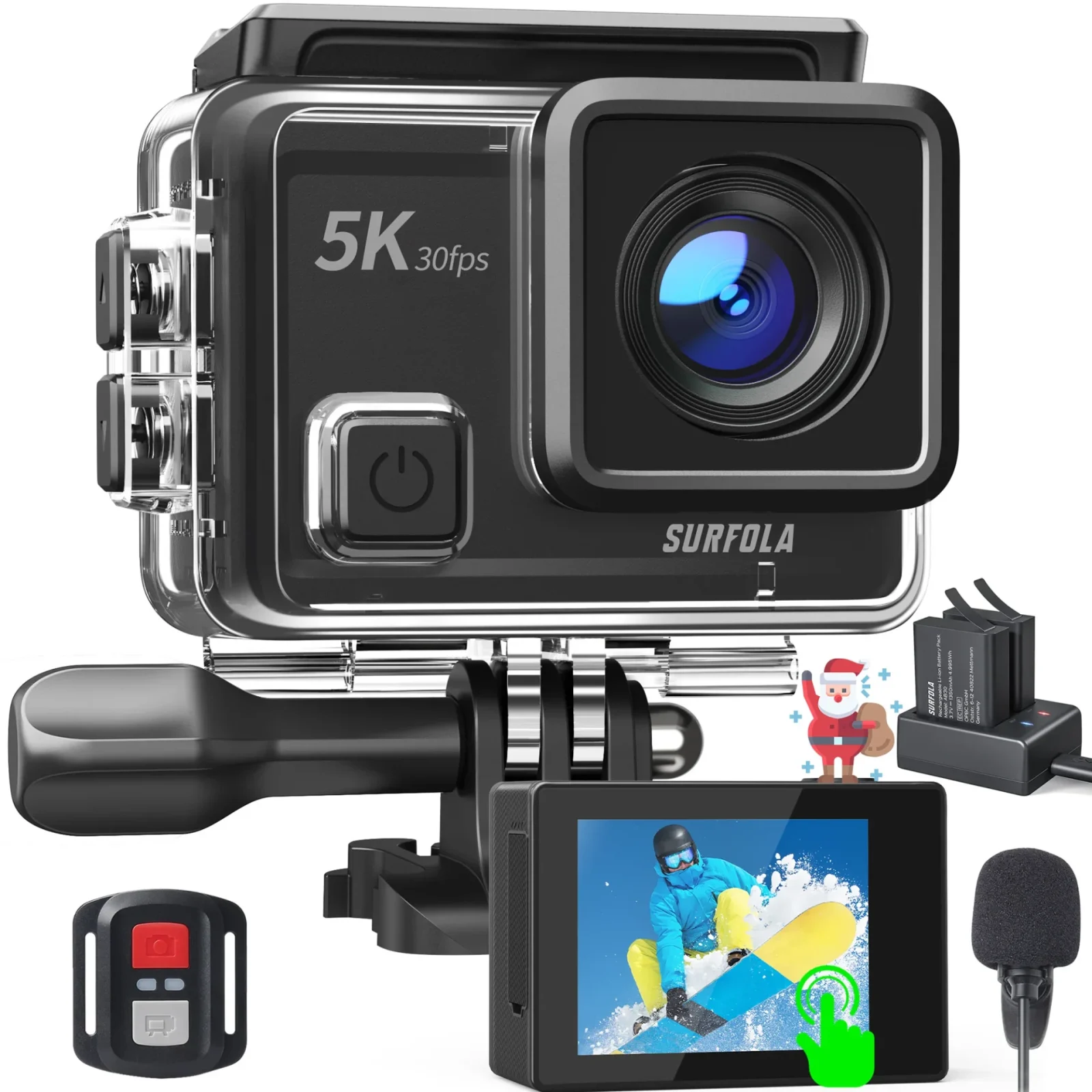
Action camera 5K / Surfola SF430
(Reference: https://item.rakuten.co.jp/apemanjapan/20240314430/)
This action camera is highly capable yet reasonably priced!
Its features are as follows.
Comes with a waterproof case for dives down to 40 m
5K
Built-in Wi-Fi
EIS image stabilization
Touch panel
Large-capacity battery
170° wide-angle lens
Comes with an external microphone and remote control
It is surprising that you can buy a camera with so many features for about 10,000 yen.
Be sure to add it to your diving packing list too.
Waterproof case
To firmly protect electronics such as smartphones and cameras, we recommend a waterproof case.
A sturdy, highly transparent waterproof case not only lets you operate your smartphone easily but also lets you take photos without any inconvenience.
Just by putting the smartphone you use now into a waterproof case, you can take beautiful photos underwater.
It is very handy for casually enjoying underwater photography or taking commemorative photos after a dive.
It can also be used all year round, for the pool, playing in the snow and more, so it is hugely popular with many people.
Our top pick for a waterproof case ↓
Smartphone waterproof case, set of 2 / OKUTA
(Reference: https://item.rakuten.co.jp/besthouse/wpc/)
Thanks to its 4-layer protection system, this case is waterproof even at a depth of 30 meters.
It protects your smartphone not only from water but also from sand, outdoor dust and the like.
Both sides of the case use an impact-resistant air pocket system, so it can withstand strong impacts.
What's more, it is compatible with all smartphone models.
You can rest easy, because there is no chance of the dreaded "it arrived and the size didn't fit..."
The strap is made soft so it does not become uncomfortable even when worn for a long time, and it is made of a highly durable material, high-quality PVC, so you can use it for a long time.
It has a simple design, so it goes with any outfit.
Mesh bag
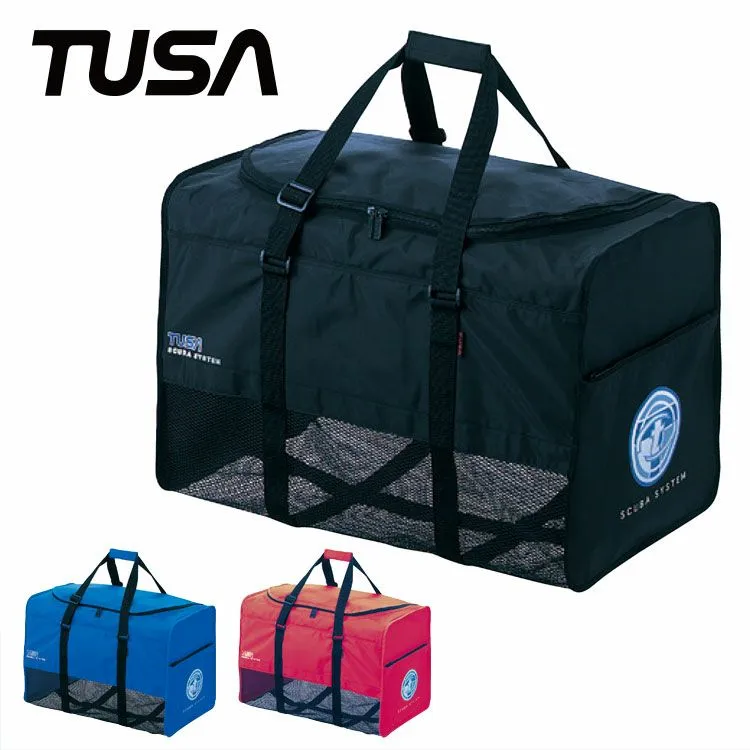
A mesh bag is handy for carrying diving gear and wet items.
Its appeal is its breathability! Because it is made of mesh, airflow is excellent, and even wet items dry quickly. Its design, which lets sand and water drain out right away, is also distinctive. Even if you put in gear and equipment right after use, moisture does not get trapped easily, so you can carry it comfortably. In particular, a mesh bag with a wide opening makes it easy to put large items in and take them out smoothly.
A mesh bag is a versatile item that is useful not only for diving but also for beach outings, the pool, the gym and many other situations. This is a good chance to get one.
Our top pick for a mesh bag ↓
Active mesh bag GB-7133C / GULL
(Reference: https://item.rakuten.co.jp/e-takaramono/10000292/)
Isn't this exactly the mesh bag for diving!
It is made entirely of mesh and is extremely quick-drying and breathable. You can put your diving gear in it and rinse it with water as is. Since you can see inside, you can find what you want to take out right away, which is another nice point.
Despite its large 85L capacity, it weighs only 500g! It packs down compactly and is perfect for carrying.
Portable shower
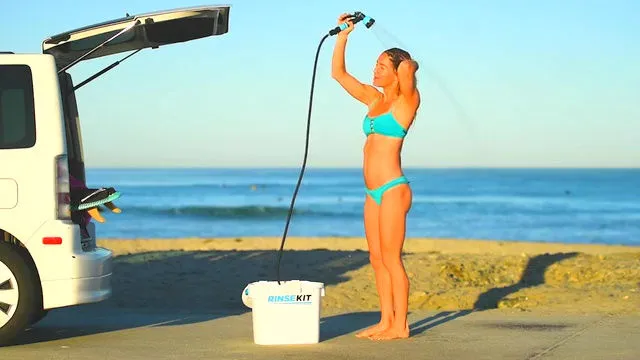
Have you ever wanted to wash off the sand and seawater clinging to your body right after getting out of the sea?
A portable shower is an item that grants that wish.
It is designed so you can easily pour water into the tank, and if you keep it in your car, you can rinse your whole body clean after diving.
There are variations such as electric and manual pump types, so you can choose according to your preference.
It can also be used for camping and other outdoor activities, so it is an excellent item that is useful in many situations.
With one, you can wash away the discomfort of coming out of the sea right away and move on to your next activity feeling fresh.
Our top pick for a portable shower ↓
Portable shower water tank 20L / Plusnao
(Reference: https://item.rakuten.co.jp/plusnao/zak-61255/)
This is a portable shower that works without a power source.
Fill the tank with water and hang the handle on the tank from a tree or a sturdy hook, and your shower is ready in no time.
It folds down small when not in use, so it is ideal for outdoor trips, where luggage tends to pile up.
It is also a handy item that can double as a disaster-preparedness item when you need it.
Fin socks
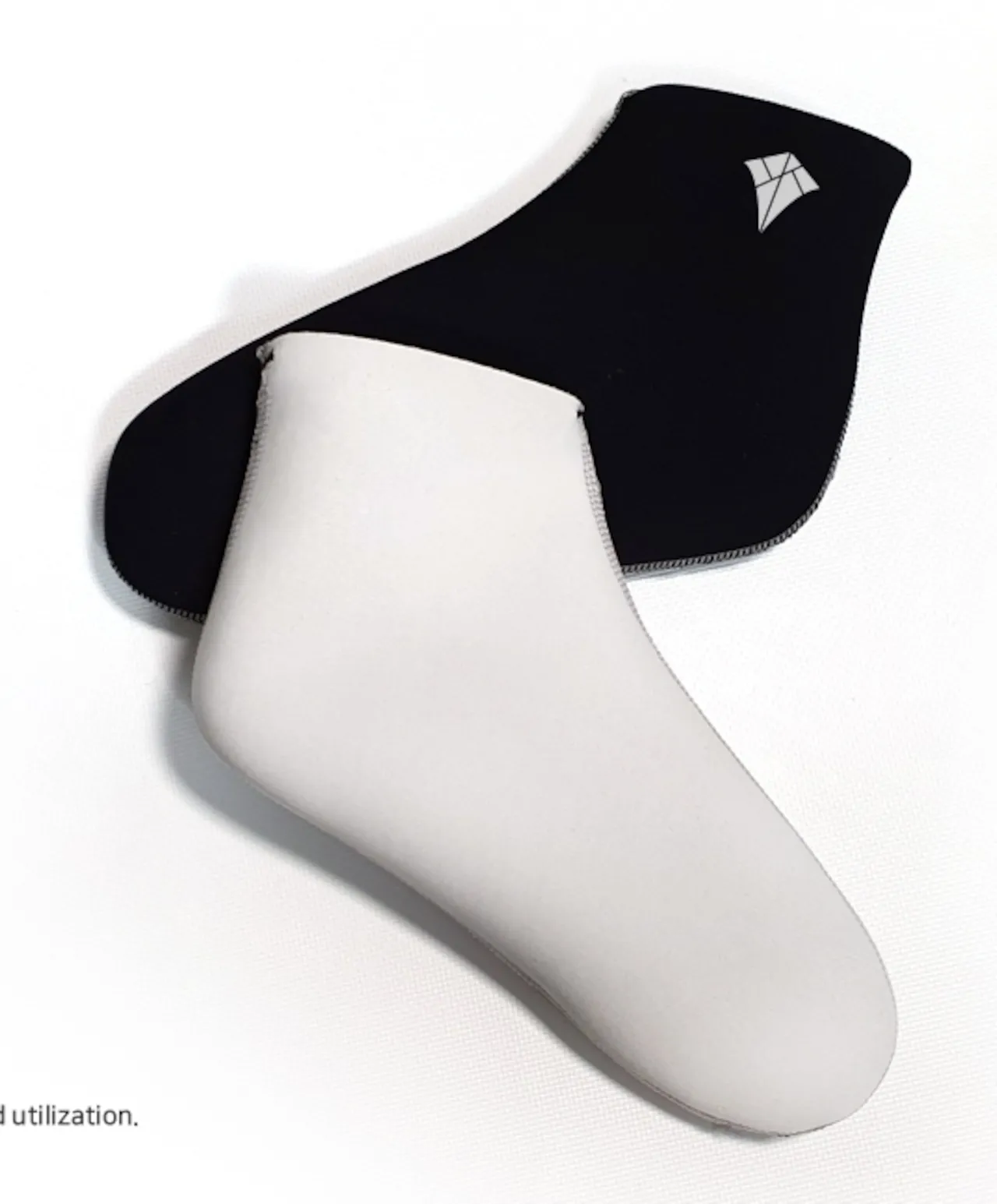
These are the answer for preventing blisters from wearing fins for a long time!
They are made of a soft, stretchy material that reduces the strain on your feet from using fins for long periods.
The fit is excellent, and you can expect a non-slip effect underwater as well.
They can also protect your feet from sharp rocks and coral in the sea, so having them lets you enjoy diving with peace of mind.
They come in various sizes, so choose the one that fits your feet.
For travel, packing thin, lightweight fin socks keeps your luggage from getting bulky.
Our top pick for fin socks ↓
Fin socks 3 mm thick 90scs01 / SLINX
(Reference: https://item.rakuten.co.jp/j-grows/90scs01/)
They use the same neoprene material as wetsuits and excel in stretch, durability, warmth and water repellency.
Their warmth is especially good, so they are recommended for marine activities such as diving and snorkeling.
The soles of the feet have reassuring non-slip treatment.
Unlike other fin socks, these SLINX fin socks also have solid non-slip treatment on the heel and toes.
They are well made, so there is no worry about them losing their shape!
Please give them a try.
Reef-safe sunscreen
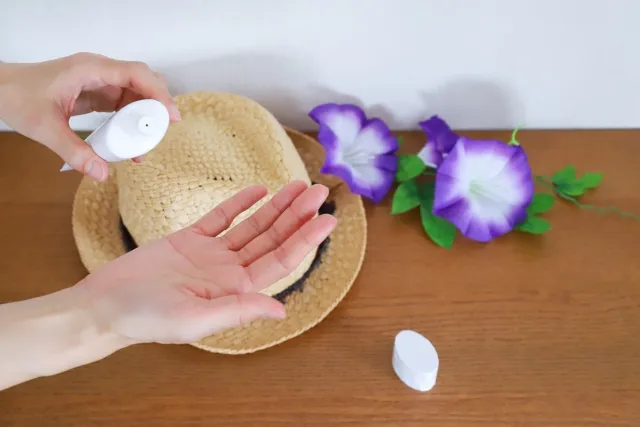
Reef-safe sunscreen is sunscreen made with ingredients that are gentle on the marine environment, especially coral reefs.
With concern that some chemicals contained in ordinary sunscreens may harm marine ecosystems, reef-safe products aim to minimize these effects.
Coral reefs are an important home for sea creatures and play a very important role in protecting the marine ecosystem.
Some common sunscreen ingredients may also cause coral bleaching or inhibit coral growth.
Eco-conscious reef-safe sunscreen is supported by many divers because it lets you protect the beautiful sea while enjoying diving.
In addition, because they use ingredients that are safer for the human body and less likely to cause allergies, many of them can be used with peace of mind even by people with sensitive skin.
Our top pick for reef-safe sunscreen ↓
ALLIE Chrono Beauty / KANEBO
ALLIE is a sunscreen makeup base sold by Kanebo Cosmetics Inc., available in your choice of 6 types.
It is a top-strength sunscreen at SPF50+ PA++++!
Some sunscreens may bother you with a sticky feel, but this is a close-fitting gel in which water-soluble ingredients make up about 65%, so stickiness is not a concern at all.
With Color Tuning UV and Tone-Up UV, it finishes your skin with a bright, glowing, beautiful look.
Even when you are not wearing foundation, it creates beautiful, luminous-looking skin.
Many reef-safe sunscreens are weak against water, but this one is super waterproof and very resistant to sweat and water.
An ocean-friendly "beach-free" formula that is also super waterproof!
This is truly the ideal item for divers who go underwater while exposed to strong ultraviolet rays.
Points to watch for when renting equipment

When renting diving equipment, there are several points we would like you to check carefully.
To dive safely and enjoyably, make sure to check them thoroughly.
Now, let's explain the points to watch for when renting diving equipment in an easy-to-understand way.
Choosing a rental shop
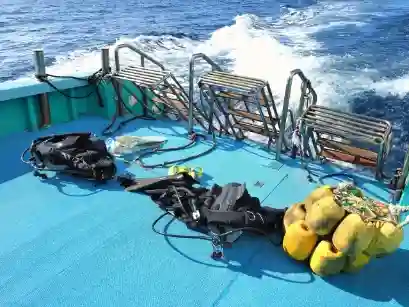
A shop you can trust
When choosing a rental shop, check the shop's reputation and reviews as far as possible.
Also, by choosing a shop with experienced staff, you are more likely to have equipment that suits you properly selected for you and to receive high-quality service.
Regular maintenance
Check whether the equipment is maintained regularly.
Some shops do not maintain their equipment sufficiently, and it may be covered in dust or moldy.
To avoid ending up with such equipment, take a good look and check it carefully.
Checking the condition of the equipment

Check the exterior
Rental equipment may show signs of use, but check for any signs of damage or deterioration.
In particular, you need to look for cracks or wear on the hoses and the sealed parts.
Check the function
Test that the equipment you are renting works, and check that there is nothing wrong with it.
In particular, whether the regulator supplies air smoothly is an important point.
If you are not sure yourself, it is also a good idea to have a shop staff member check it together with you.
Checking the size
Fit is important
For masks and wetsuits, it is important to choose a size that suits your face size and body shape.
If the size does not fit, water may get into the mask or you may get cold in the water.
If trying them on is possible, be sure to do so.
Rental fees and insurance
Check the fees
Check whether the rental fees are reasonable.
By confirming the fees with shop staff in advance, you can avoid unexpected expenses later.
Also, be sure to confirm the coverage and insurance in case you damage the equipment.
Cancellation policy
In case you need to cancel for unforeseen reasons, you also need to check the cancellation fee.
Checking how to use it
Get an explanation from the staff
Be sure to get an explanation from the staff on how to use the rented equipment and what to watch out for.
Especially with equipment you are using for the first time, it is important to properly understand how to use it correctly and be able to use it yourself.
Check the manual
If possible, check the manual for the equipment you will use, and learn the basic operations and how to handle trouble.
Checking for spare equipment
Be prepared for trouble
In case the rented equipment has a problem, check whether the shop has spare equipment ready.
A shop with a system in place to respond quickly when trouble occurs gives you peace of mind when it matters.
Take the time to choose rental diving equipment carefully so that you can enjoy diving safely.
By choosing a trustworthy shop, checking the condition and size of the equipment, and thoroughly understanding how to use it, you can dive safely and enjoyably.
Even if it is your first time, by keeping the points above in mind as you prepare, you should be able to have an enjoyable dive without getting caught up in any trouble.
Summary

Diving is twice as much fun once you are fully prepared.
In this article, we explained in detail the clothing and items to bring for comfortable diving, as well as handy accessories.
Prepare well and go experience the wonderful underwater world.
Enjoy your fun dive with safety first!