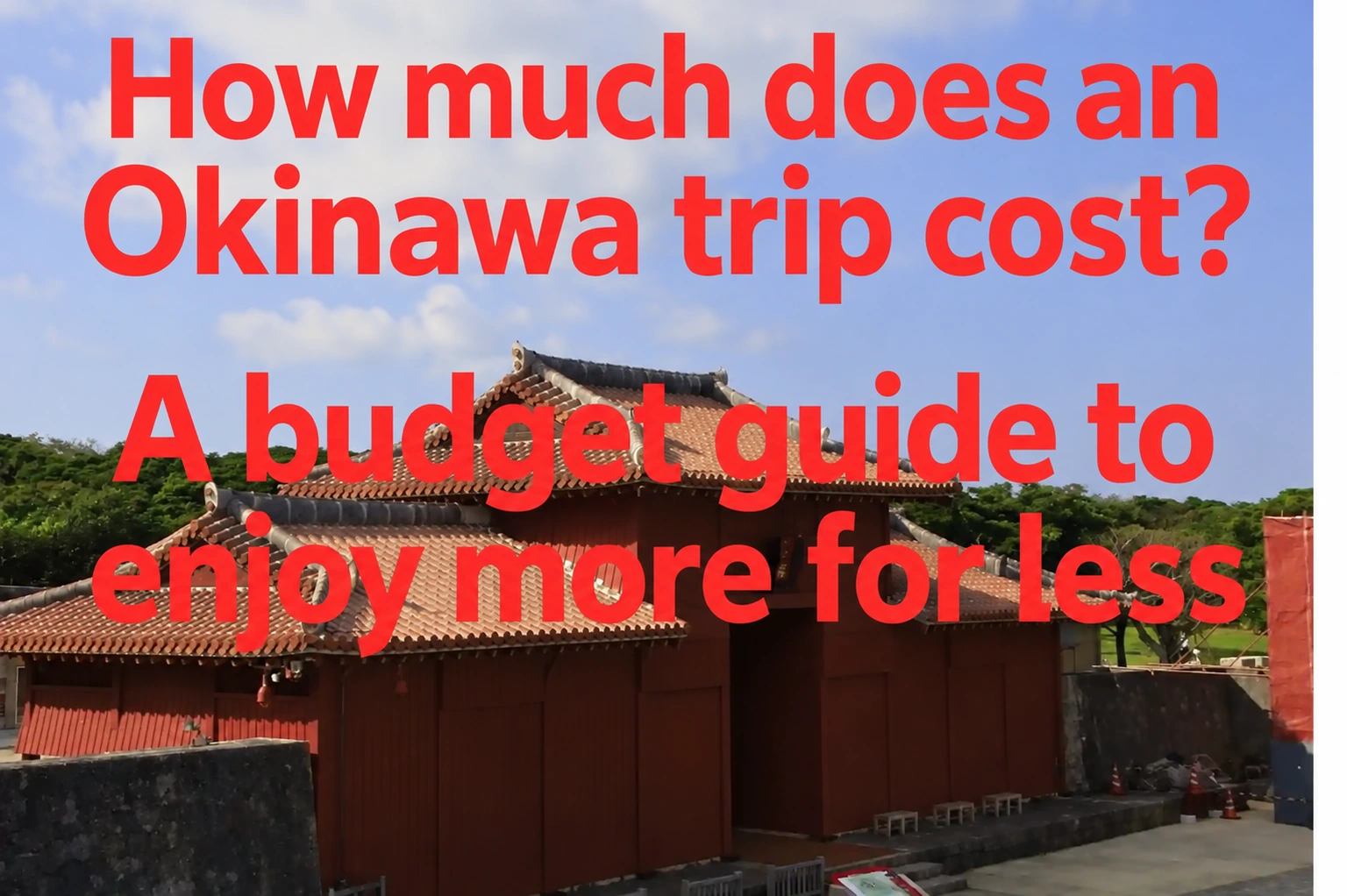
Understand the cost of an Okinawa trip and plan an affordable getaway
The cost of an Okinawa trip varies greatly depending on the season and services you use. Knowing typical prices in advance makes planning easier.
Here we introduce expense categories such as airfare, accommodation, and meals, and explain how to enjoy your trip wisely.
Factors that influence the cost of an Okinawa trip
The cost of an Okinawa trip varies significantly depending on the following 3 factors.
Understanding these factors makes it easier to plan a trip that fits your budget.
- Time of year (season)
Summer is Okinawa's peak tourism season, with airfare and accommodation prices rising especially in July–August (7–8).
In contrast, costs are lower during the January–March (1–3) off-season and autumn after typhoons have passed, making these good times for travelers seeking a lower budget. - Type of accommodation
Costs also vary greatly with your choice of accommodation, from resort hotels to guesthouses and family-run inns.
Beachfront resort hotels are expensive, while guesthouses and family-run inns offer relatively affordable stays. Choose according to your trip's purpose and preferences. - Transportation
Rental cars are common for sightseeing on Okinawa's main island, but rental prices also vary by season and number of days.
To save money, public transportation and rental bicycles are also recommended.
Main expense categories and typical costs for an Okinawa trip
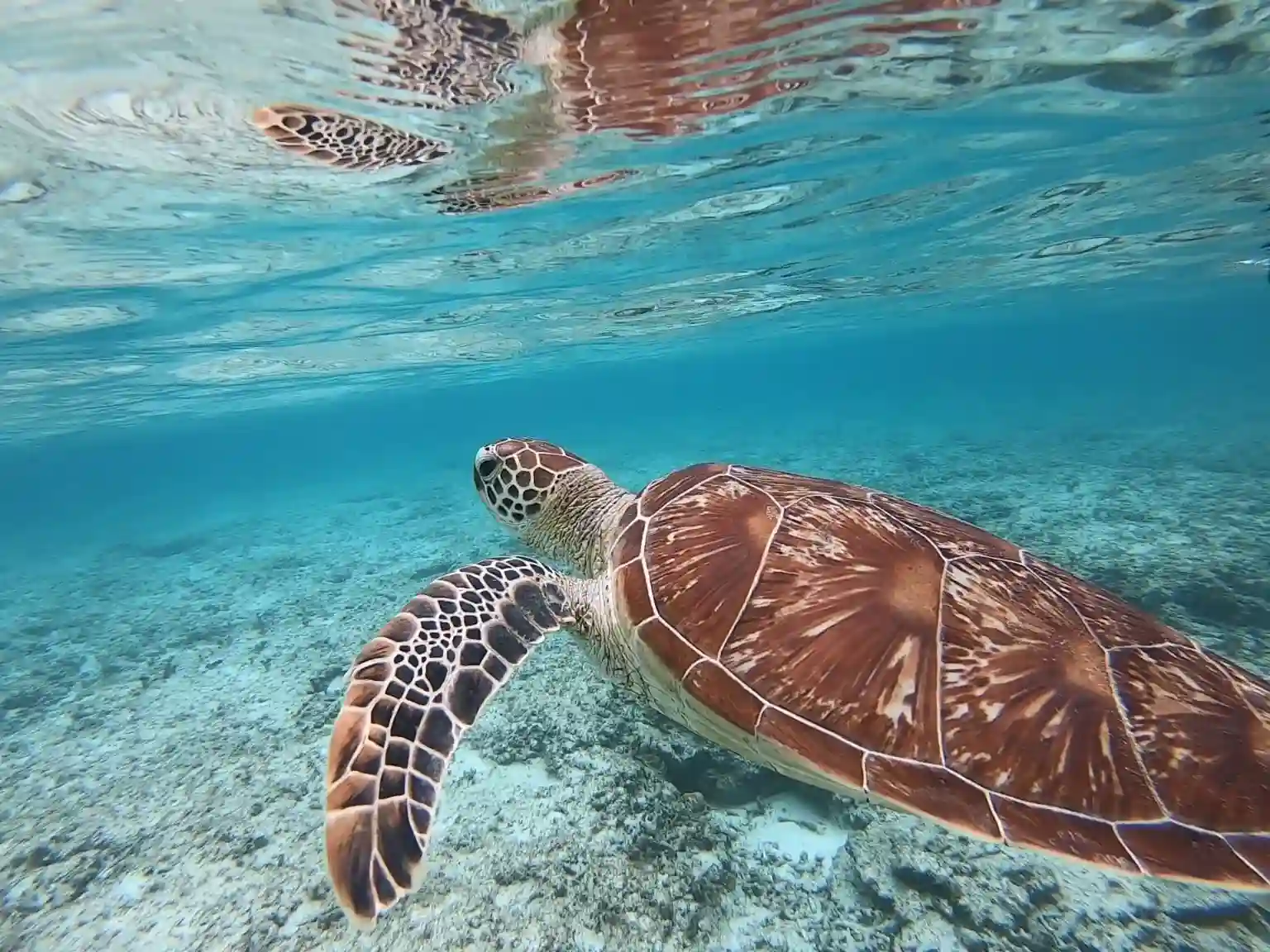
We have organized the main expenses of an Okinawa trip into specific categories.
Knowing typical prices provides a helpful reference when planning.
Airfare
Airfare to Okinawa varies greatly depending on your departure point and airline.
Using an LCC (low-cost carrier) can reduce costs, while major airlines and business class tend to be more expensive.
Below are typical estimated costs to Naha Airport from each departure point.
| Departure point | Estimated cost with an LCC (round trip) | Estimated cost with a major airline (round trip) |
|---|---|---|
| Tokyo (Haneda) | 8,000–20,000 yen | 20,000–40,000 yen |
| Osaka (Kansai International Airport) | 7,000–18,000 yen | 18,000–35,000 yen |
| Fukuoka | 6,000–15,000 yen | 15,000–30,000 yen |
Accommodation
Accommodation costs range widely depending on your travel style and choice of lodging.
Choose accommodation such as a resort hotel, business hotel, or guesthouse according to your purpose and budget.
Below are estimated rates per 1 night for each type of accommodation.
| Accommodation type | Estimated cost for 1 night |
|---|---|
| Resort hotel | 15,000–30,000 yen or more |
| Business hotel | 5,000–10,000 yen |
| Guesthouse / family-run inn | 3,000–6,000 yen |
Meals
Meal costs on an Okinawa trip also vary depending on where and what you eat.
Local diners and neighborhood izakaya offer affordable meals, while restaurants in tourist spots and resort areas generally have somewhat higher prices.
| Meal type | Estimated cost per meal |
|---|---|
| Local diner | 500–1,000 yen |
| Restaurant at a tourist spot | 1,500–3,000 yen |
| Izakaya or bar | 2,000–5,000 yen |
Transportation costs
Rental cars are the main way to sightsee in Okinawa, but scheduled buses and the monorail are also convenient.
Each has advantages for reaching sightseeing spots, so choose according to your budget and destination.
| Transportation | Estimated cost per 1 day |
|---|---|
| Rental car | 5,000–10,000 yen (including gasoline) |
| Monorail | 240–370 yen (varies by section) |
| Scheduled bus | 200–300 yen (varies by section) |
Tips for reducing the cost of an Okinawa trip
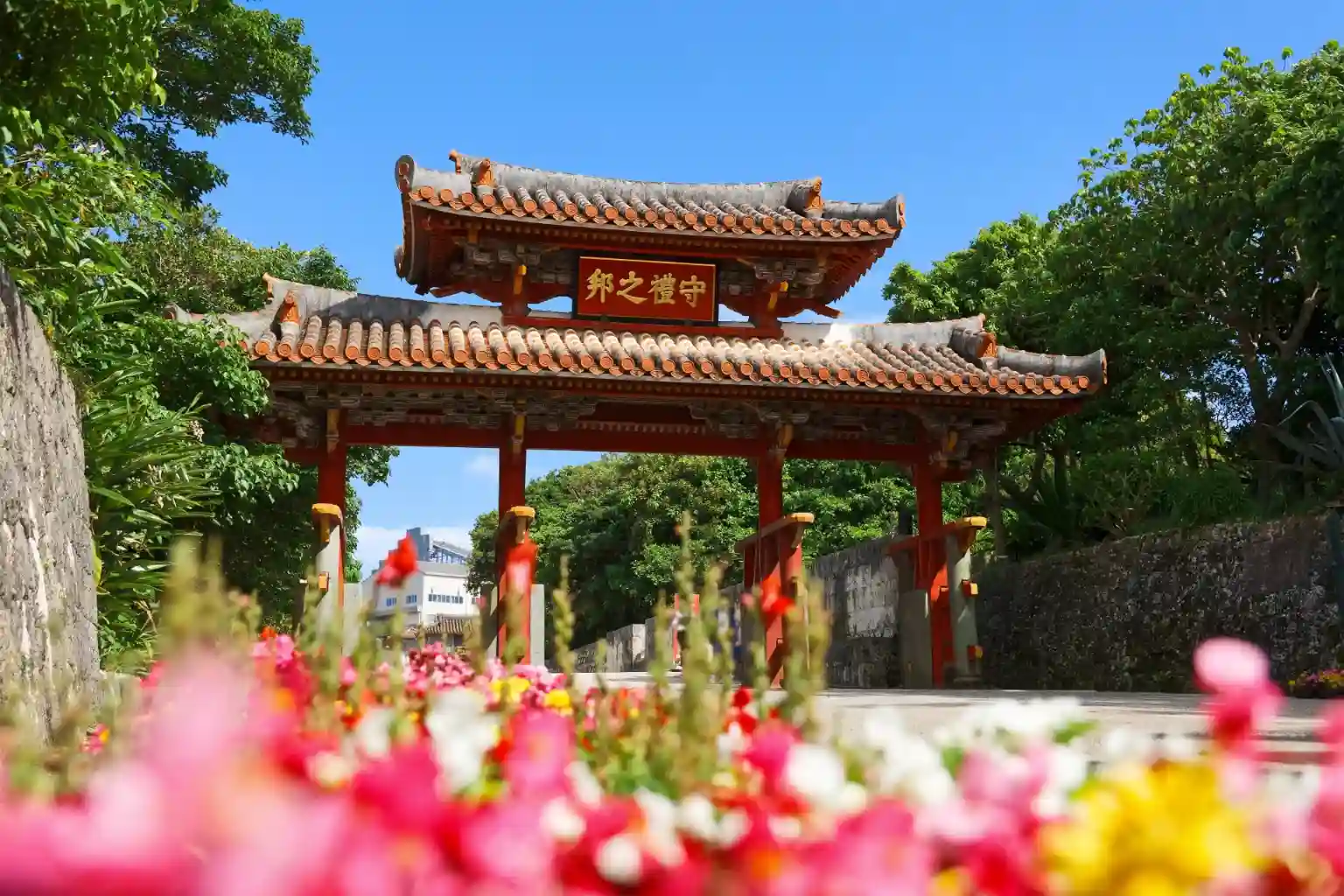
If you want to reduce travel expenses, thoughtful choices of season and accommodation can help you enjoy a fulfilling trip within your budget.
Here are tips for enjoying an Okinawa trip while keeping costs down.
Aim for the off-season
Avoiding summer, Okinawa's peak tourism season, can lower airfare and accommodation costs.
January–March (1–3) and September–November (9–11) offer lower costs and less crowded sightseeing spots, allowing relaxed sightseeing.
Use LCCs and early booking fares
Using LCCs and early booking fares is an effective way to reduce airfare.
Booking early in particular may allow you to purchase airline tickets at discounted rates.
LCCs also often offer specially priced tickets during sales, so check in advance.
Practical money-saving ideas for an Okinawa trip
Several strategies can help you enjoy a fulfilling Okinawa trip while reducing its cost.
Here are practical money-saving ideas and tips for putting them into practice.
Save on accommodation: Use multi-night discounts and coupons
Multi-night discounts and coupons are effective ways to save on accommodation.
Some resort hotels and family-run inns in Okinawa offer discounts for stays of 2 nights or more.
Travel websites and apps sometimes distribute discount coupons too, so checking in advance can save you money.
| Accommodation type | Money-saving tips | Estimated discount rate |
|---|---|---|
| Resort hotel | Early booking, multi-night discounts, coupons | 5%–20% |
| Business hotel | Weekday stays, app coupons | 10%–30% |
| Guesthouse / family-run inn | Discount packages with local sightseeing facilities, multi-night discounts | 5%–15% |
Save on meals: Eat at local diners and markets
Eating at local diners and markets in Okinawa can cost less than eating at restaurants in tourist spots.
Local diners offer dishes such as goya champuru and Okinawa soba at affordable prices, allowing you to savor local flavors while saving on meals.
At Naha's First Makishi Public Market in particular, you can buy fresh ingredients inexpensively and have them cooked on the spot.
| Where to eat | Example dishes | Estimated price |
|---|---|---|
| Local diner | Goya champuru, Okinawa soba | 500–1,000 yen |
| Market (First Makishi Public Market) | Seafood dishes, taco rice | 1,000–1,500 yen |
| Convenience store / takeout | Rice balls, sandwiches | 300–600 yen |
Save on transportation: Use the monorail and scheduled buses
Although rental cars are common in Okinawa, using the monorail and scheduled buses can save transportation costs if your sightseeing is mainly within Naha City.
The monorail connects major sightseeing spots and is especially convenient for traveling from Naha Airport to Shuri Castle.
Using a bus day pass also lets you visit many spots while keeping travel costs down.
| Transportation | Area of use | Estimated price |
|---|---|---|
| Monorail | Main areas within Naha City | 240–370 yen |
| Scheduled bus | Between sightseeing spots on the main island | 200–300 yen per ride |
| Day pass | Combined monorail and bus ticket | About 700–1,000 yen |
Recommended Okinawa trip plans by budget
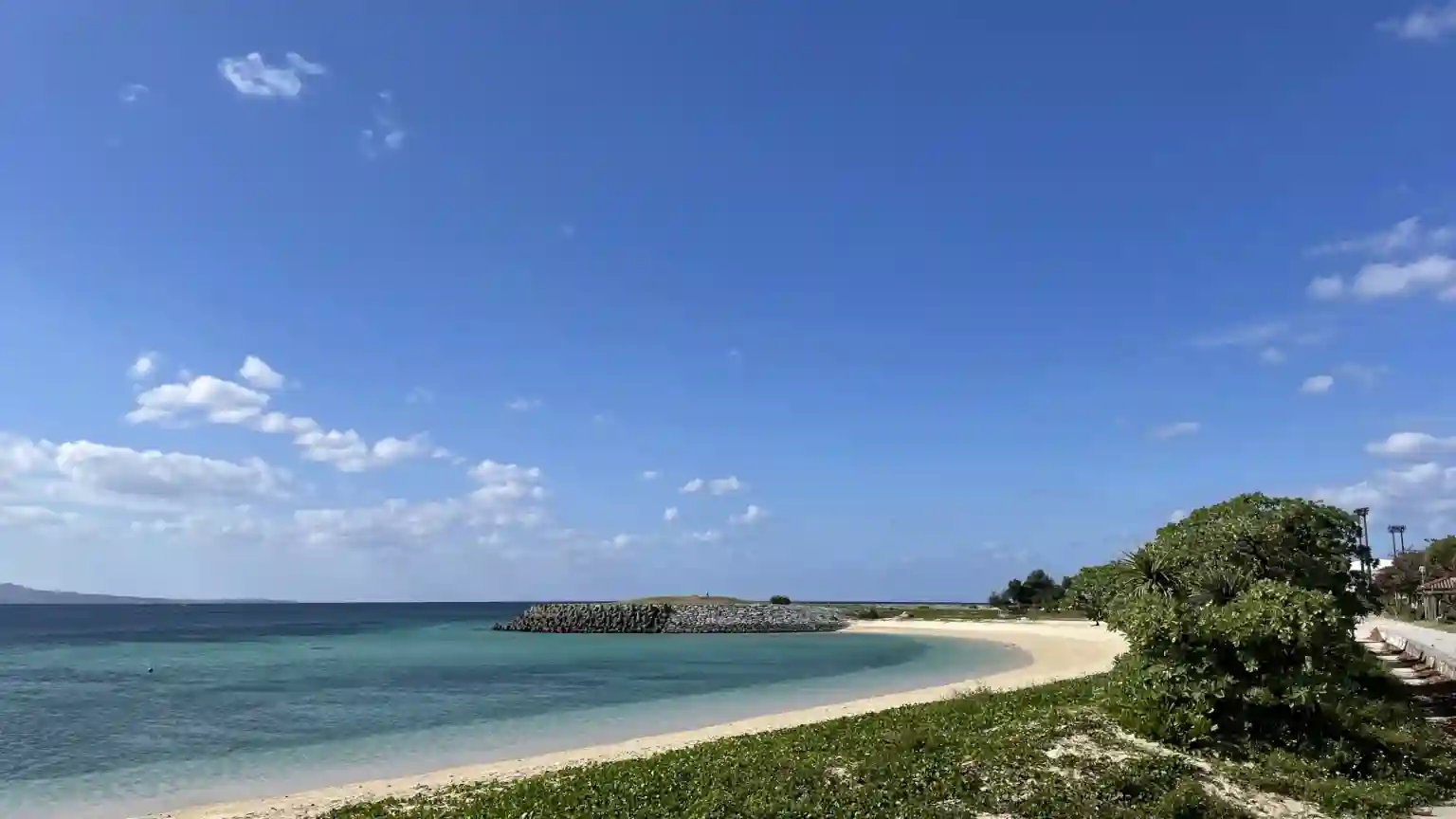
Planning according to your purpose and budget allows you to enjoy your trip comfortably.
Below are 3 examples: low-budget, medium-budget, and high-budget plans.
Low-budget plan: An Okinawa trip for 50,000 yen or less
For a low-budget Okinawa trip, the key is staying at a guesthouse and sightseeing efficiently while keeping transportation and meal costs down.
Focusing on free or inexpensive spots makes a fulfilling trip possible within your budget.
| Category | Estimated cost | Money-saving tips |
|---|---|---|
| Airfare | 8,000–20,000 yen | Use an LCC and book during a sale |
| Accommodation | 3,000–5,000 yen per night | Choose a guesthouse or family-run inn |
| Meals | 1,500–3,000 yen per 1 day | Use local diners and convenience stores |
| Transportation | 500–1,000 yen per 1 day | Use the monorail and buses |
Example low-budget plan
Day 1: Sightsee within Naha City, eat at Makishi Public Market, and stay at a guesthouse
Day 2: Take the monorail to Shuri Castle, then a bus to the beach. Shop in the city in the afternoon
Medium-budget plan: A fulfilling Okinawa trip for 100,000 yen or less
A medium-budget plan lets you focus on resort areas and sightseeing spots and join activities, making for a more fulfilling trip.
Enjoy meals at restaurants in tourist spots and consider staying at a hotel.
| Category | Estimated cost | Money-saving tips |
|---|---|---|
| Airfare | 15,000–30,000 yen | Use early booking and points |
| Accommodation | 6,000–10,000 yen per night | Use hotel promotions and multi-night discounts |
| Meals | 2,500–5,000 yen per 1 day | Replace some restaurant meals with local options |
| Transportation | 1,500–2,500 yen per 1 day | Share a rental car or use buses |
Example medium-budget plan
Day 1: Visit Churaumi Aquarium and Kouri Island by rental car and stay at a hotel
Day 2: Try snorkeling in Onna Village and relax at a resort hotel
High-budget plan: A luxurious Okinawa trip for 200,000 yen or more
A high-budget plan lets you stay at a luxury resort hotel and enjoy private tours and meals at upscale restaurants.
Enjoying private surroundings and actively including special experiences creates a fulfilling escape from everyday life.
| Category | Estimated cost | Money-saving tips |
|---|---|---|
| Airfare | 30,000–50,000 yen | Use business class or award tickets |
| Accommodation | 15,000–30,000 yen per night | A suite or villa at a luxury hotel |
| Meals | 5,000–10,000 yen per 1 day | A special dinner at an upscale restaurant |
| Transportation | 3,000–5,000 yen per 1 day | Use a rental car or private tour |
Example high-budget plan
Day 1: Check into a villa and relax on a private beach. Have dinner at an upscale restaurant
Day 2: Explore Ishigaki Island or Miyako Island on a private tour for a luxurious Okinawa experience
Ways to reduce the cost of your Okinawa trip further
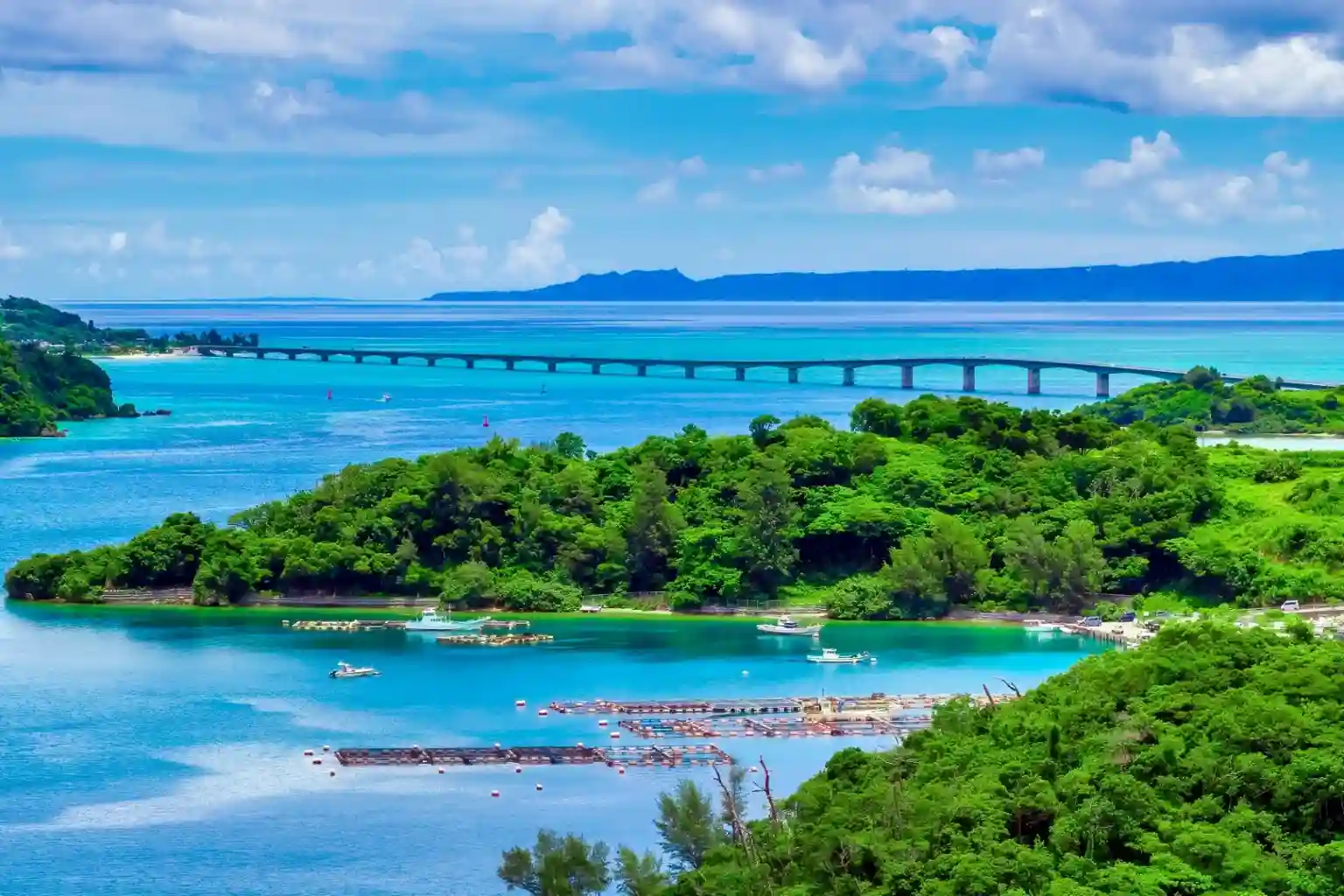
Advance preparation and thoughtful choices locally are effective ways to reduce the cost of an Okinawa trip.
Here are several practical ways to save even more.
Airfare discounts through early booking and points
Airfare accounts for a large share of travel expenses, so seeking discounts through early booking and points is effective.
Early booking is a discount service offered by airlines that lets you buy tickets for less than usual, and discounts may apply even during busy periods.
Airline mileage programs and travel website points can provide additional savings.
| Airline | Early booking discount rate (estimate) | Examples of using miles or points |
|---|---|---|
| ANA / JAL | 10%–30% off | Free airline tickets using miles |
| LCC (Peach Aviation, Jetstar) | 20%–50% off | Further savings using points |
Save on sightseeing with tourist passes and coupons
Okinawa has tourist passes that bundle attraction admission and experience tour fees, as well as discount coupons.
Using them lets you visit sightseeing spots affordably and reduce costs.
Some tourist passes also include public transportation, helping save on travel costs.
| Pass name | Price | What is included |
|---|---|---|
| Churaumi Pass | 2,000–4,000 yen | Admission tickets to Churaumi Aquarium, Shuri Castle, Kouri Island, and more |
| Okinawa Sightseeing Pass | 3,000–6,000 yen | Discount admission to multiple facilities, bus tickets, and more |
Reduce meal costs by cooking or buying takeout
To save on meals while traveling, consider using your accommodation's kitchen to cook, or buying boxed meals and takeout from local supermarkets.
Okinawan supermarkets sell prepared dishes and boxed meals using local ingredients, letting you enjoy Okinawan food inexpensively.
Especially for long or multi-night stays, limiting restaurant meals and adding home cooking or takeout can produce significant savings.
| Where to buy ingredients or takeout | Example dishes | Estimated price |
|---|---|---|
| Supermarket | Island vegetable salad, local fish sashimi, Okinawa soba | 200–700 yen |
| Boxed meal chain | Goya champuru boxed meal, taco rice boxed meal | 500–800 yen |
Useful services and apps for an Okinawa trip
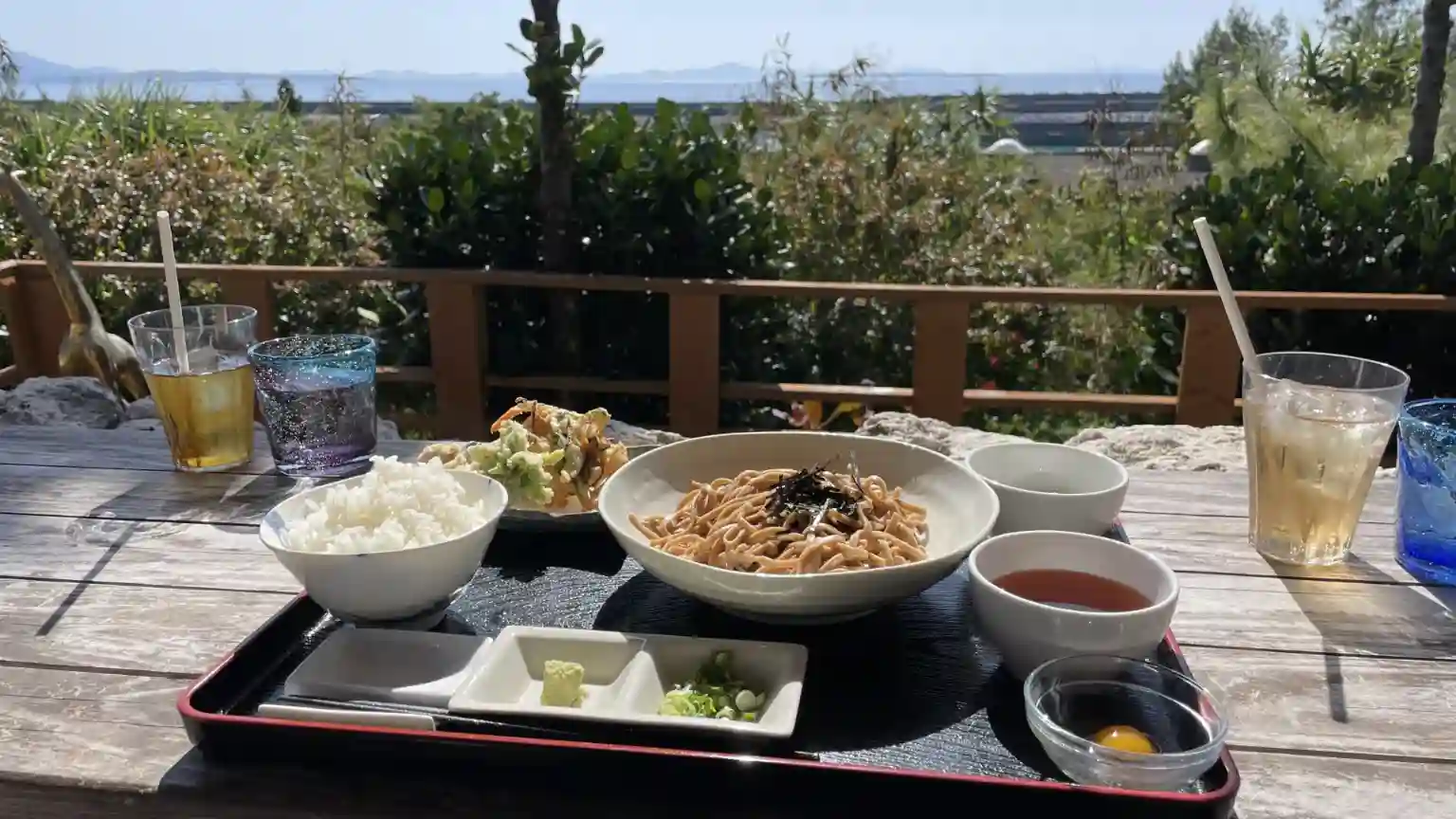
Useful services and apps are also recommended for enjoying a more comfortable Okinawa trip while keeping costs down.
Here we introduce services and apps that are useful while traveling.
Environmentally friendly sightseeing with bicycle rentals
More and more places in Okinawa's tourist areas offer bicycle rentals.
Using rental bicycles available within Naha City and around sightseeing spots lets you enjoy environmentally friendly sightseeing while reducing transportation costs.
They are convenient for short journeys and city sightseeing and also help you get more exercise.
| Bicycle rental service | Available areas | Estimated price |
|---|---|---|
| Okinawa Cycle Tour | Naha City, Onna Village, Nago City, and more | From 500 yen per 1 hour to 1,500 yen per 1 day |
| Bicycle sharing | Around tourist spots in Naha City | From 200 yen per 30 minutes |
Translation apps support communication with local people
Translation apps are useful for communicating with local people in Okinawa.
English or Chinese may be understood in tourist areas, but Japanese is mainly used in local neighborhoods.
Using a translation app makes conversations smoother when asking for directions or recommended spots, enriching your travel experience.
Apps for finding free Wi-Fi hotspots
Okinawa has free Wi-Fi hotspots at tourist spots and cafes, but they are not available everywhere.
A free Wi-Fi hotspot finder app makes it easier to get an internet connection while sightseeing, letting you travel comfortably while checking maps and transportation information.
This is especially useful if you want to save on data roaming costs.
How to save money through preparation before your trip
Preparation before your trip is also important for reducing the cost of an Okinawa trip.
Below are several money-saving measures to take before traveling.
Pack lightly to avoid additional airport fees
Some airlines limit checked baggage weight and may charge additional fees if you exceed it.
Packing lightly and bringing only essential items helps avoid excess baggage and additional fees.
LCCs in particular have strict baggage limits, so take care.
Prepare daily necessities and sunscreen in advance
Daily necessities and sunscreen purchased in Okinawa may carry higher tourist-area prices.
Buying necessary items at a drugstore before your trip reduces expenses locally.
It is especially convenient to prepare sun protection items such as sunscreen, hats, and sunglasses in advance.
Exchange currency at a bank in advance rather than at an airport or hotel
Currency exchange in Okinawa's tourist areas may have higher rates, so exchanging money at a bank before traveling can save fees.
Many places also accept cashless payments, so carrying less cash and using credit cards or electronic money is recommended.
Affordable sightseeing methods to use during an Okinawa trip
Using affordable sightseeing methods and services is effective for further reducing costs while enjoying your Okinawa trip.
Here are affordable sightseeing methods and types of tours available locally.
Use tours with group and family discounts
Many sightseeing facilities and activity tours in Okinawa offer discounts when you participate as a group or family.
These are often available for marine activities such as snorkeling and diving and for theme park admission tickets, so they are worthwhile for larger groups.
| Activity | Discount conditions | Estimated price after discount |
|---|---|---|
| Snorkeling tour | 10%–20% off for 4 or more people | 4,000–6,000 yen per 1 person |
| Introductory diving | Discount for group participation | 7,000–10,000 yen per 1 person |
| Churaumi Aquarium family pass | Discount for 2 adults + 2 children | About 1,000 yen less than usual |
Join local free guided tours and events
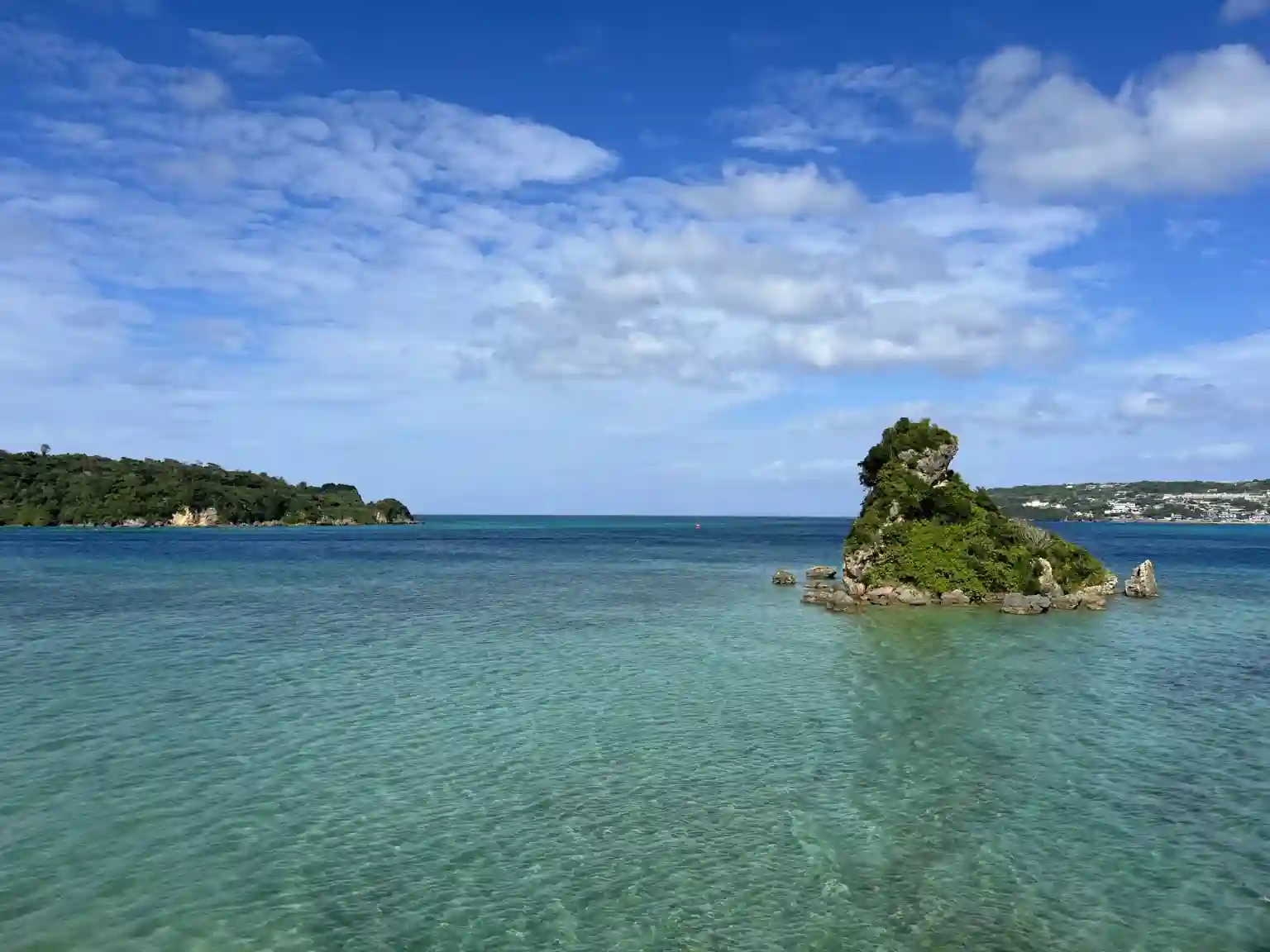
Local communities in Okinawa sometimes hold free guided tours and events.
For example, history walking tours in Naha City and beach cleanup events that also support local environmental protection are popular.
Joining these free tours lets you learn about local culture and nature without spending money, enriching your travel experience.
| Free guided tour / event | Organizer | Features |
|---|---|---|
| Naha history walking tour | Naha City Tourism Association | A free guided tour of historical spots within Naha City |
| Churaumi beach cleanup | Local environmental protection organization | Volunteer activities protecting the marine environment |
| Traditional craft experience day | Okinawa Traditional Craft Center | Free shisa and Ryukyu glass experiences |
Focus on open-air sightseeing spots
Okinawa also has plenty of sightseeing spots you can enjoy for free, including beaches, parks, and capes.
For example, planning around scenic spots such as Naminoue Shrine in Naha City, Cape Manzamo, and Emerald Beach in Motobu Town allows fulfilling sightseeing with only transportation costs.
Spots offering natural scenery are also appealing for their smaller crowds and relaxed atmosphere.
| Spot | Location | Features |
|---|---|---|
| Naminoue Shrine | Naha City | A shrine in Naha City where you can take photos with the beautiful sea as a backdrop |
| Cape Manzamo | Onna Village | Magnificent scenery from sheer cliffs |
| Emerald Beach | Motobu Town | A free beach where you can fully enjoy beautiful sandy beach and sea scenery |
Inexpensive ways to preserve memories after an Okinawa trip
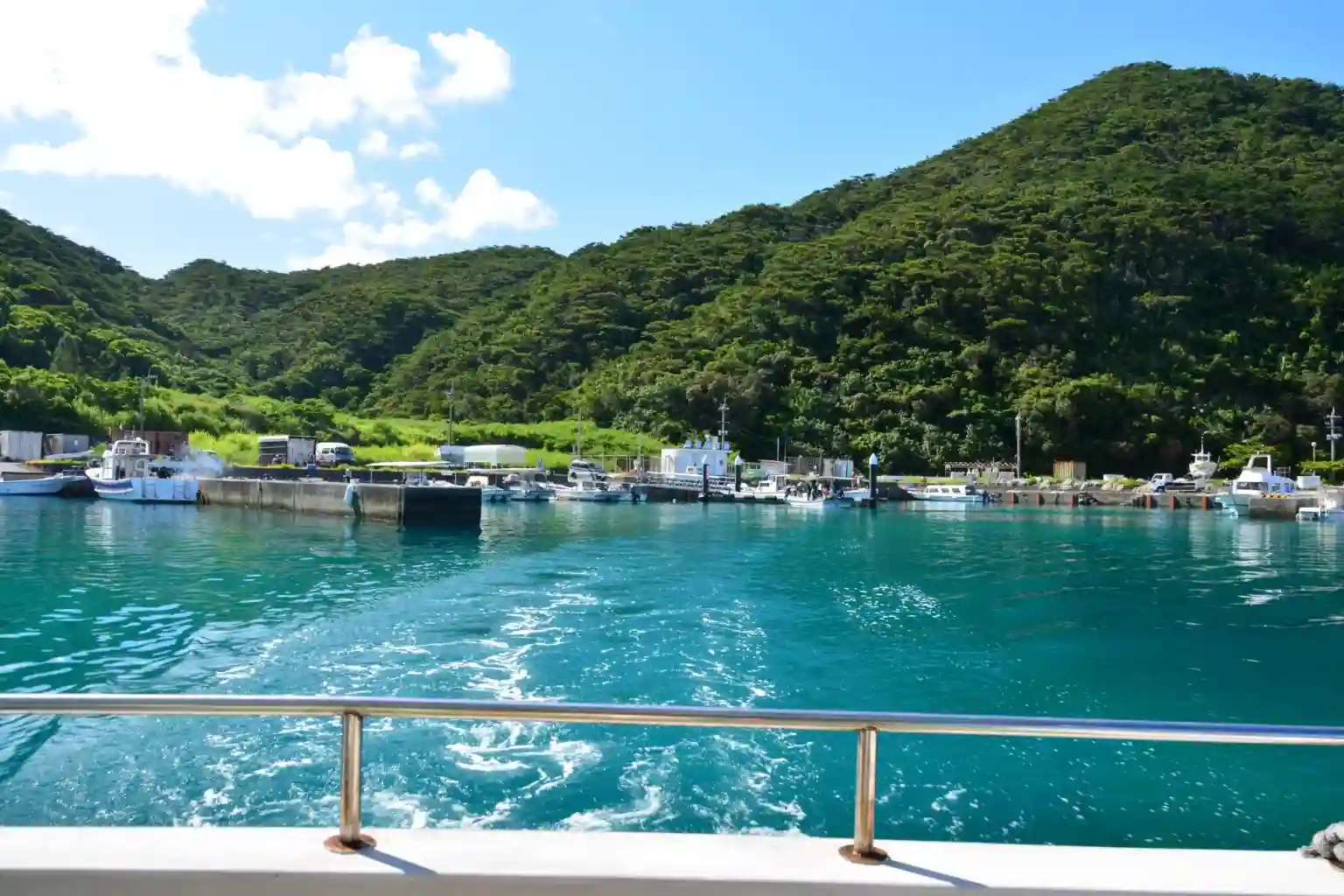
Here are ideas for creating keepsakes with locally available items and photos so you can easily enjoy your Okinawa memories after the trip.
Buy handmade souvenirs at local craft shops
Okinawa has many handmade crafts, including Ryukyu glass, yachimun pottery, and shisa. You can buy them more cheaply at local shops and markets than at tourist spots.
Small Ryukyu glass accessories and miniature shisa are easy to carry and offer a simple way to capture Okinawa's character, making them perfect souvenirs or personal keepsakes.
| Item | Average price | Where to buy |
|---|---|---|
| Ryukyu glass pendant | 1,000–2,000 yen | Yachimun Street, local craft shops |
| Miniature shisa | 500–1,500 yen | Makishi Public Market, shops at tourist spots |
| Small yachimun pottery | 1,500–3,000 yen | Traditional craft centers, local general stores |
Collect photos in an album or share them on social media
Putting the photos taken during your trip into an album makes it easy to look back on your Okinawa memories.
Using a free photo book creation app lets you make an album for a few hundred to about 1,000 yen, giving you a professionally finished album at a low cost.
When sharing photos on social media, themed features and hashtags also let you share your Okinawa memories with many people.
Share affordable souvenirs with friends and family
Okinawa offers plentiful souvenirs that are easy to buy at tourist spots and local shops.
Okinawan specialty sweets such as chinsuko and brown sugar, local sea salt, and herbal teas are particularly affordable and come in many varieties, making them ideal gifts for coworkers and friends.
Many are sold as variety sets, which you can divide into smaller portions to share with many people.
| Souvenir | Average price | Features |
|---|---|---|
| Chinsuko | 500–1,000 yen | A classic Okinawan sweet with many varieties |
| Brown sugar | 300–800 yen | Rich in minerals and appreciated as a souvenir |
| Okinawan sea salt | 200–500 yen | Natural salt used for beauty care and cooking |
Recommended seasonal money-saving tips for an Okinawa trip
The cost of an Okinawa trip also varies according to the season you visit.
Understanding each season's characteristics and the appropriate money-saving tips helps make your trip more affordable.
Spring (March–May / 3–5): Enjoy affordable travel in the off-season
Spring is a period with fewer tourists in Okinawa, allowing relatively low costs.
March–April (3–4) in particular have a mild, comfortable climate. If you avoid Golden Week, accommodation and airfare can often be kept inexpensive.
This period also offers flower viewing in Okinawa, so you can enjoy cherry blossom spots and beautiful natural scenery at low cost.
| Category | Money-saving tips |
|---|---|
| Airfare | Use early booking fares and choose weekday flights |
| Accommodation | Use multi-night discounts and early booking |
| Sightseeing spots | Visit free natural attractions and flower-viewing spots |
Summer (June–August / 6–8): How to reduce costs even in peak season
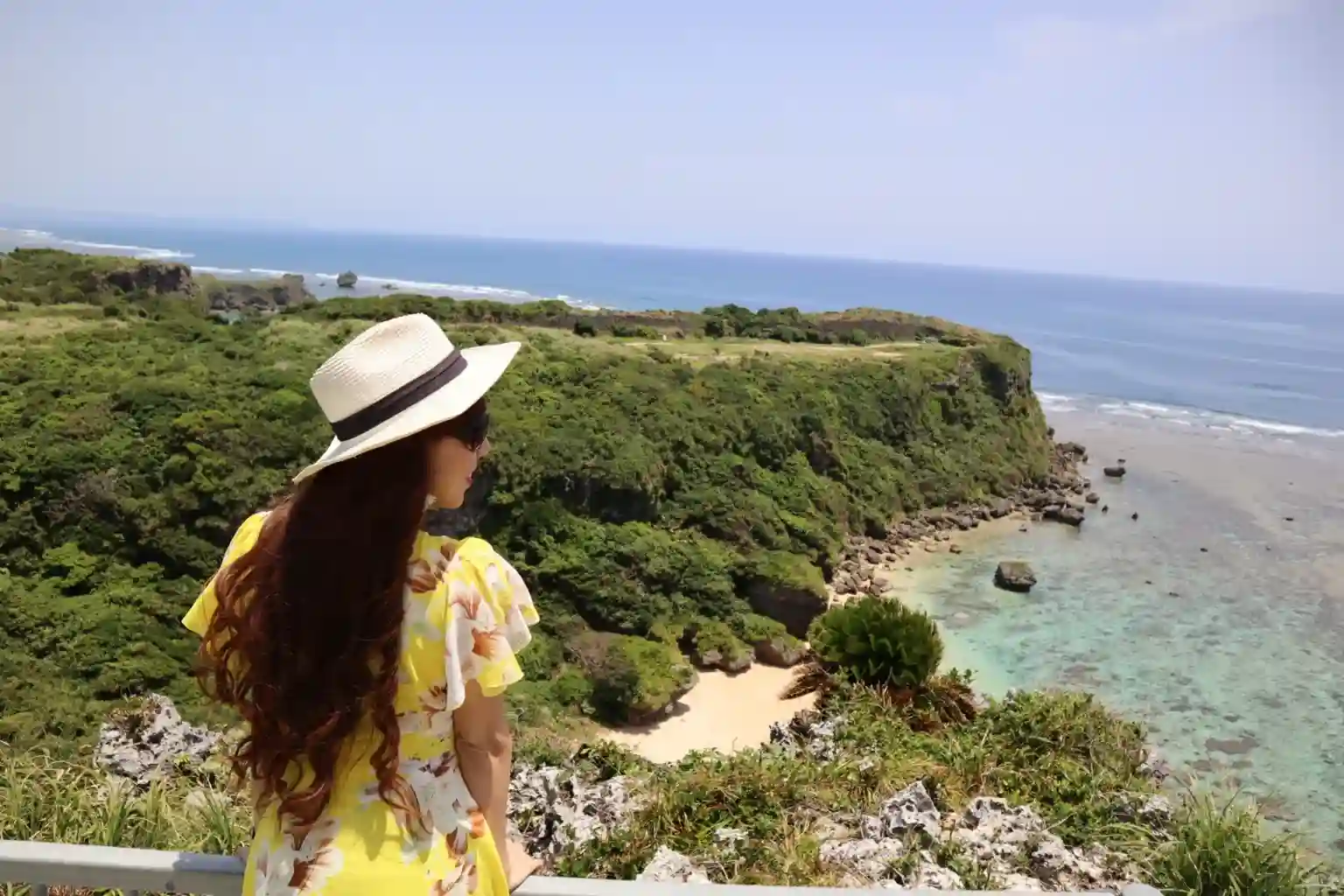
Summer is Okinawa's peak tourism season, so reducing costs requires some planning.
For example, visiting in June (6) after the rainy season ends, rather than the busy July–August (7–8) period, lets you enjoy Okinawa relatively inexpensively.
Staying at accommodation in a slightly more distant area rather than a resort hotel can also reduce accommodation costs.
Many free summer events, including beach events and festivals, are held. We recommend taking advantage of these opportunities to fully enjoy summer in Okinawa.
| Category | Money-saving tips |
|---|---|
| Accommodation | Use hotels in Naha City or the suburbs and avoid resorts |
| Meals | Choose local diners and markets |
| Events | Enjoy free summer festivals and fireworks displays |
Autumn (September–November / 9–11): Reduce sightseeing costs when tourist numbers fall
In autumn, tourist numbers decrease after typhoon season passes, and accommodation and airfare tend to settle down.
From October (10) onward in particular, the weather is stable and comfortable. Visiting autumn sightseeing spots such as coastal walks and places with autumn foliage creates a relaxing trip surrounded by nature.
Off-season discounts may also be available for ferries to outlying islands and sightseeing facilities, allowing you to enjoy autumn in Okinawa affordably.
| Category | Money-saving tips |
|---|---|
| Airfare | Avoid typhoon season and book for October (10) onward |
| Accommodation | Use resort hotel off-season discounts |
| Sightseeing spots | Visit free beaches and parks where you can experience nature |
Winter (December–February / 12–2): Enjoy a relaxed off-season stay
Okinawa's winter is warmer than in other regions and relatively uncrowded, allowing relaxed sightseeing.
Airfare and accommodation are also cheaper during this period, making it an ideal season for people wanting to reduce costs.
Sightseeing spots are quieter in winter, so you can avoid tourist crowds. Special events such as illuminations and winter fireworks displays may also be held.
Costs and money-saving tips for visiting Okinawa's outlying islands
Outlying islands such as Ishigaki Island, Miyako Island, and Kume Island are popular alongside Okinawa's main island, but visiting them involves extra transportation costs, so strategies to reduce expenses are needed.
Here are estimated costs for sightseeing on outlying islands and tips for saving money.
How to reduce transportation costs to outlying islands
Airplanes and ferries are common ways to travel from Okinawa's main island to outlying islands, but ferries are less expensive.
There are also many flights to Ishigaki Island and Miyako Island, so early booking tickets and LCCs can save transportation costs.
If visiting several outlying islands, using ferries between them allows efficient sightseeing while keeping costs down.
| Destination | Transportation | Estimated cost |
|---|---|---|
| Ishigaki Island | Airplane | 12,000–20,000 yen round trip |
| Miyako Island | Airplane | 10,000–18,000 yen round trip |
| Kume Island | Ferry | 3,000–5,000 yen one way |
How to save on accommodation and meals on outlying islands
Accommodation on outlying islands tends to be slightly more expensive than on the main island, but guesthouses and family-run inns can reduce costs.
Eating at local diners or supermarkets on outlying islands is also cheaper than eating at restaurants in tourist spots.
We recommend trying meals at local places to enjoy fresh seafood and local dishes from the outlying islands.
Conclusion: Tips for enjoying a smart, affordable Okinawa trip
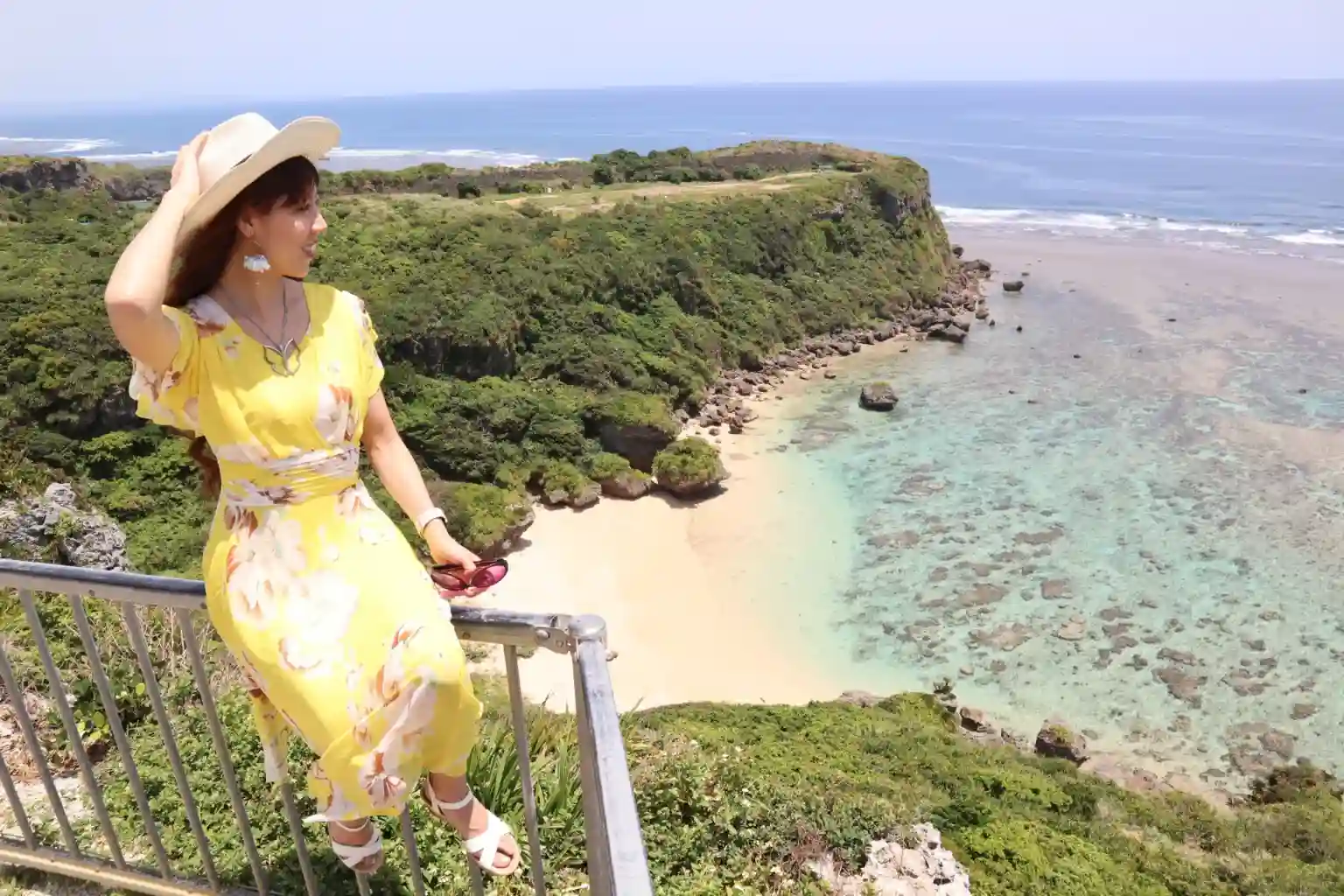
The key to an affordable Okinawa trip is adapting your choices to the season and your travel style.
To sum up how to enjoy your trip fully while reducing costs, keep the following points in mind.
- Choose your timing: Aim for the off-season and weekdays to enjoy sightseeing while reducing costs.
- Be thoughtful about accommodation and transportation: Use guesthouses and multi-night discounts, and save transportation costs with LCCs and rental bicycles.
- Choose sightseeing and activities: Use free attractions, community events, and discount coupons to enjoy varied sightseeing affordably.
- Plan outlying island visits wisely: Use ferries and local diners to easily enjoy the appeal of outlying islands.
Okinawa is a destination rich in nature and culture, with new discoveries awaiting every visit.
Plan a wonderful, memorable trip, wisely reducing costs while enjoying the local atmosphere and activities.