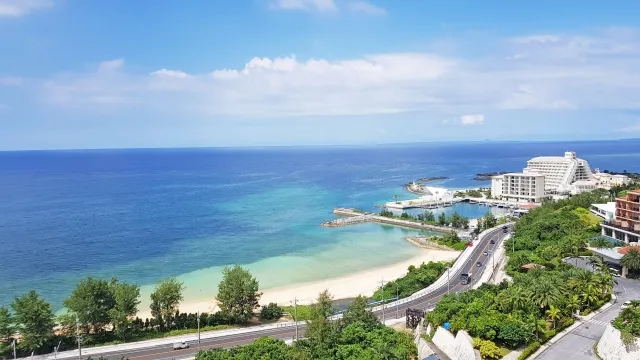

Want to sightsee in Okinawa but unsure where to visit?
Okinawa is full of attractive spots, including beautiful beaches, historical heritage, rich culture, and delicious food. However, deciding where to go with limited time is difficult. This article introduces carefully selected spots and experiences to enjoy Okinawa sightseeing 100%.
■ This article covers
- 10 unmissable sightseeing spots on Okinawa's main island and outlying islands
- 5 moving experiences unique to Okinawa
- A complete Okinawan food guide
- Instagram-worthy spots and recommended accommodation
Enjoying snorkeling and diving while admiring Okinawa's beautiful sea, and experiencing its history while learning traditional culture, will surely become travel memories. Okinawan food and photogenic spots are also unmissable.
Use this article as a guide to enjoying all of Okinawa's appeal. Your next Okinawa trip is sure to become more enjoyable and wonderful!
1. Introduction: Rediscover Okinawa's appeal
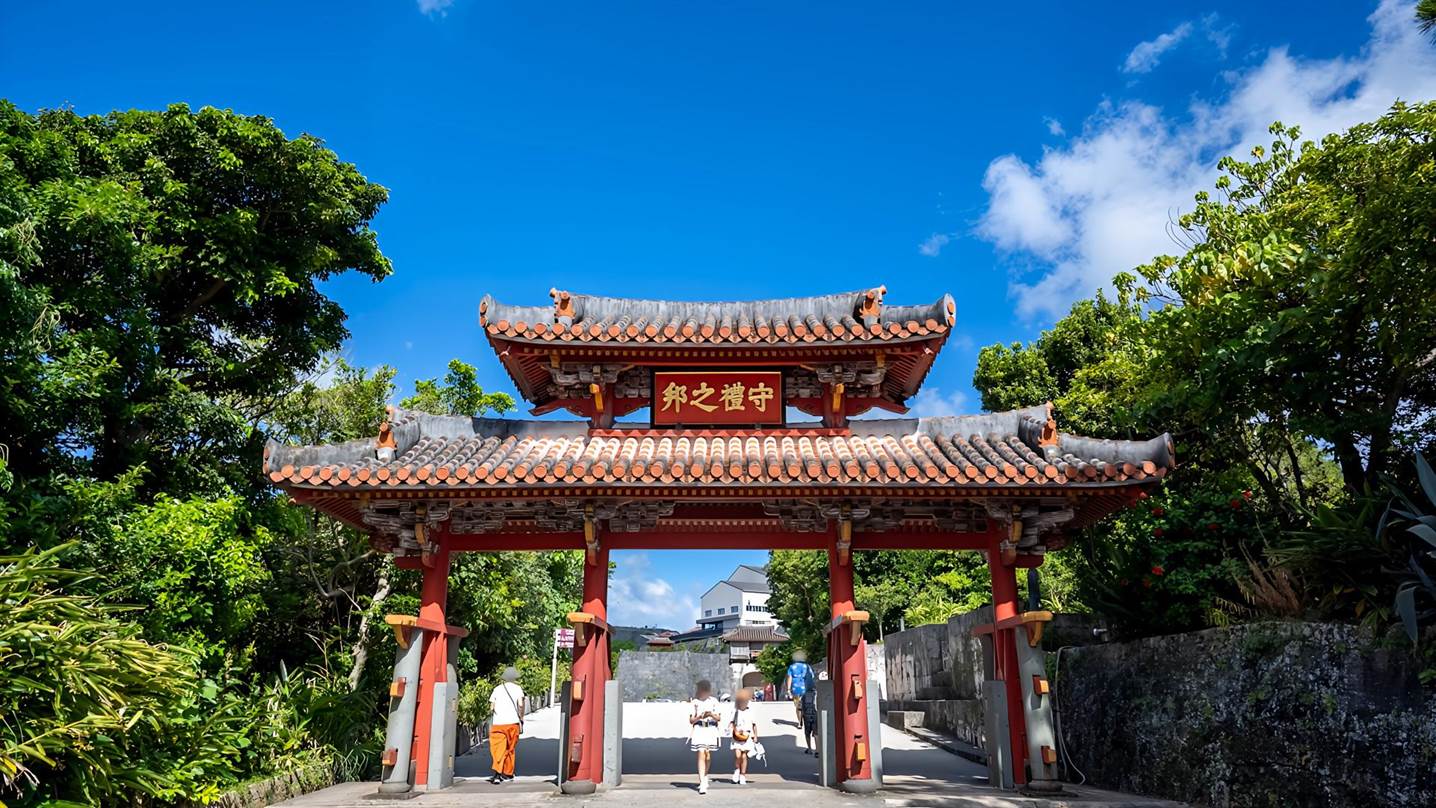
Okinawa is a destination with especially unique appeal within Japan. Its beautiful emerald-green sea, nature nurtured by a subtropical climate, and strong traces of Ryukyu Kingdom history and culture attract many tourists. This section explores its nature, culture, and history to help rediscover that appeal.
Natural beauty: Emerald-green seas and subtropical forests
Okinawa's sea boasts some of the world's highest clarity. Kabira Bay on Ishigaki Island and Yonaha Maehama Beach on Miyako Island in particular are known among Japan's finest scenic spots. The Yanbaru region in the main island's north also has Yambaru National Park, with distinctive subtropical ecosystems where rare plants and animals can be observed up close. Besides relaxing on beaches, forest trekking and birdwatching are distinctive Okinawan pleasures.
Culture: Ryukyu Kingdom heritage and traditional performing arts
Okinawa retains strong traces of the Ryukyu Kingdom, once an independent nation. Look beyond World Heritage sites such as Shuri Castle and Tamaudun to traditional performing arts including eisa and sanshin. At local festivals, colorfully dressed people dance to drums and sanshin music. Traditional red-tiled houses and sacred utaki prayer sites connecting seas and islands are also unmissable.
History: Postwar reconstruction and Okinawan identity
Okinawa was a fierce battleground during World War II and reached its present form through postwar reconstruction. Peace Memorial Park and the Himeyuri Monument provide deeper understanding of Okinawa then. A distinctive culture strongly influenced by American rule is still felt in Kokusai Street and American Village. Learning this history helps you understand Okinawan people's cherished wish for peace.
Enjoyment according to your sightseeing goals
Okinawa sightseeing offers varied enjoyment according to visitors' goals.
| Goal | Recommended plan |
| Resort stay | Relax at a luxury hotel and beautiful beach. |
| Adventure | Try snorkeling, diving, and jungle tours on outlying islands. |
| Family trip | Visit Churaumi Aquarium and animal encounter spots children can enjoy. |
| Cultural experience | Learn Ryukyuan culture at Shuri Castle and traditional craft workshops. |
Planning sightseeing according to your goals greatly improves satisfaction with your Okinawa trip.
Understanding Okinawa's nature, culture, history, and varied activities deepens the value of visiting. The next section introduces classic unmissable sightseeing spots. Enjoy Okinawa's many attractions one by one.
2. 10 unmissable Okinawa sightseeing spots
When sightseeing in Okinawa, choosing spots is the first concern. Here are 10 unmissable choices combining the appeal of the main island and outlying islands.
Must-see spots on Okinawa's main island
1. Churaumi Aquarium (Motobu Town)
Churaumi Aquarium in northern Okinawa is one of the most popular sightseeing spots. Particularly famous is the enormous Kuroshio Sea tank. With one of the world's largest acrylic panels, it lets you observe whale sharks over 8 meters long up close. Manta rays and colorful tropical fish also swim freely, creating a feeling of being in the sea.
The aquarium's exhibits comprise 4 areas themed around Okinawa's marine ecosystems. The Coral Sea recreates an environment where living coral grows, inspiring you with beautiful colors and complex forms. The deep-sea area displays rare creatures from waters near Okinawa, opening a mysterious world seldom seen.
Outside, Okichan Theater offers adorable dolphin performances. Jumps and spins against the blue sea are particularly impressive. Ocean Expo Park also has Emerald Beach and the Tropical and Subtropical Arboretum, with many places to enjoy nature.
- Access
About 2 hours by car from Naha City. Rental cars are convenient, but Yanbaru Express buses and sightseeing buses are also available. Extensive parking is provided. - Best time to visit
Weekday mornings are relatively quiet, allowing relaxed exhibit viewing. In the evening, watching the sunset-colored sea alongside a dolphin show is also recommended. - Precautions
The aquarium is large, so wear comfortable walking shoes. Buying tickets online beforehand allows smooth admission. Adjust visit timing to view exhibits efficiently even when busy.
2. Shuri Castle (Naha City)
Shuri Castle, on elevated land in Naha City, is a historical castle that once served as the Ryukyu Kingdom's center. Its vivid vermilion Main Hall symbolizes Ryukyuan culture. It burned down in October (10) 2019, but reconstruction is now underway. This project emphasizes visible reconstruction, giving visitors valuable opportunities to see building processes and traditional techniques.
Shuri Castle Park offers exhibits about Ryukyuan culture and history alongside the Main Hall site and reconstructed buildings. Shureimon Gate and the stone-wall path are particularly photogenic and memorable. The castle also offers panoramic Naha views, especially moving at dusk.
Nearby are Kinjocho Stone-Paved Road lined with traditional houses and restaurants serving Ryukyuan cuisine. A full-day plan centered on Shuri Castle lets you enjoy history, culture, and food together.
- Access
About 15 minutes on foot from Yui Rail's Shuri Station, or about 20 minutes by car from Naha City. Sightseeing buses and taxis are convenient too. - Best time to visit
Mornings have fewer tourists and quiet viewing. Evening views from the walls are particularly beautiful, and you can enjoy the illuminated castle atmosphere. - Precautions
Fire effects may limit accessible areas. Check the official website for current information before visiting. Summer is hot, so sun protection is needed.
3. Kokusai Street (Naha City)
Kokusai Street in central Naha is Okinawa's main street symbolizing postwar reconstruction. About 1.6km long, it has souvenir shops, restaurants, cafes, and entertainment facilities and is lively with tourists day and night. Its history comes from a 1-mile area rebuilding after World War II and growing into today's bustling street.
For eating while exploring, local specialties sata andagi and Blue Seal ice cream are essential. Many restaurants also serve Okinawa soba and goya champuru. At First Makishi Public Market, especially popular with locals, you can buy fresh seafood and have it cooked on the spot.
Ukishima Street and Heiwa Street east of Kokusai Street have traditional general stores and art galleries, allowing glimpses of Okinawan culture and daily life just by walking. Sundays bring pedestrian-only streets and street performances for an even livelier atmosphere.
- Access
Within a 5-minute walk from Yui Rail's Kencho-mae or Miebashi Station. Easily accessible from city accommodation too. - Best time to visit
Evening to night brings a romantic illuminated street atmosphere. Mornings are relatively quiet for relaxed walking. - Precautions
With many tourists, take care of belongings. Holidays and tourist seasons are crowded, so plan with extra time.
4. Sefa Utaki (Nanjo City)
Sefa Utaki is the most sacred prayer site symbolizing the Ryukyu Kingdom and forms part of the World Heritage Gusuku Sites and Related Properties of the Kingdom of Ryukyu. Long important in Ryukyuan myths and culture, simply visiting this special place creates a solemn feeling.
Okinawan utaki feature a distinctive faith coexisting with nature, strongly felt at Sefa Utaki. Within lush forest, visitors experience sacred space passing between huge rocks. The central rock tunnel called Sanguui is also known as a spectacular viewpoint toward Kudaka Island. This sacred island appears in Ryukyuan creation myths and has deep connections to the site.
- Highlights
The mysterious Sanguui scenery is the main highlight. A natural tunnel formed by 2 overlapping huge rocks offers distant Kudaka Island views. Prayer sites called Ufugui and Chonohana also reveal how Ryukyu Kingdom people worshipped nature. - Access
About 50 minutes by car from Naha City. By public transportation, take a Nanjo-bound bus from Naha Bus Terminal, get off at Sefa Utaki Iriguchi, and walk about 10 minutes. - Best time to visit
Early morning is recommended. Clear morning air deepens the sacred atmosphere. Afternoon light filtering through the trees is beautiful too. - Precautions
This site is extremely important to Okinawan religious culture, so visit quietly. Some areas prohibit photography; check rules at tourist information before viewing. Some footing is slippery, so comfortable walking shoes are recommended. - Related facilities
Nanjo City Regional Products Center's tourist information area displays materials about Sefa Utaki history and culture; stopping before visiting deepens understanding. Nearby cafes and restaurants also serve traditional Okinawan food.
5. Blue Cave (Onna Village)
The Blue Cave at Cape Maeda in Onna Village, central Okinawa, is highly popular with Japanese and overseas visitors as a snorkeling and diving destination. Sunlight entering reflects off the water, creating a magical space like being inside a blue jewel. Its mysterious scenery and tropical fish encounters create unforgettable memories.
- Highlights
The beautiful blue light is the greatest attraction. Especially as the morning sun rises high, light enters clearly and the surface shines deep blue. Colorful tropical fish school in nearby shallows, allowing even snorkeling beginners easy nature encounters. - Activities
Snorkeling and diving tours are standard ways to enjoy the cave. Many guided beginner plans include equipment lending and simple instruction. Diving explores deeper parts for a more dynamic underwater world. - Access
About 1 hour by car from Naha City. From Cape Maeda parking, about a 5-minute walk reaches the entry point. Many tour companies offer transfers, convenient without rental cars. - Best time to visit
Around 10 a.m. is considered the strongest blue surface glow. Early morning also avoids crowds for relaxed cave enjoyment. - Precautions
Weather and tides may cancel cave tours. Check current information with your booked operator. Unstable footing makes nonslip water shoes recommended.
Must-see spots on Okinawa's outlying islands
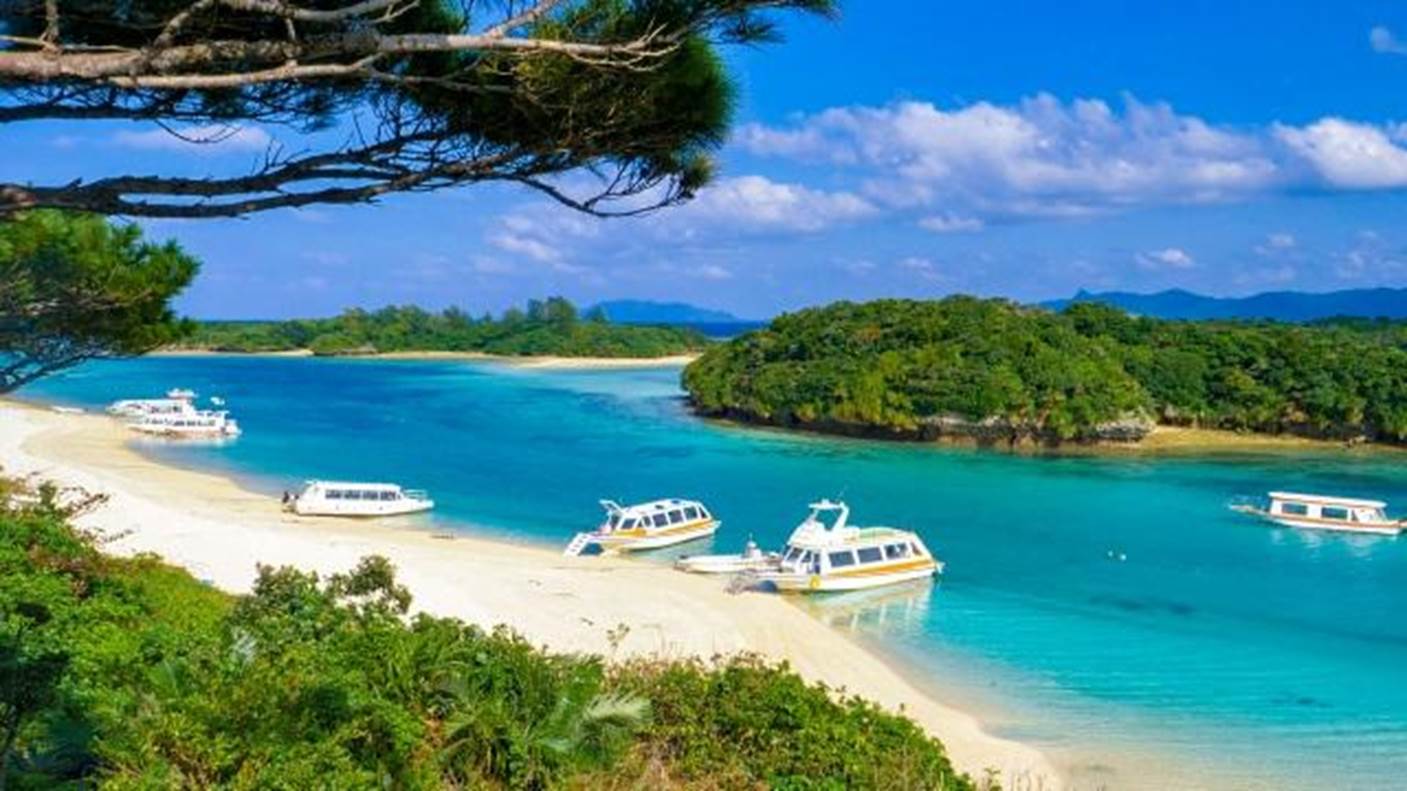
Next, we introduce a fuller selection of outlying island spots!
6. Taketomi Island
Taketomi Island is a small outlying island about 10 minutes by ferry from Ishigaki Island, retaining strongly traditional Okinawan scenery. The entire island is designated an Important Preservation District for Groups of Traditional Buildings, with red-tiled houses and white-sand roads. Little car traffic makes it ideal for quiet, leisurely time.
- Highlights
•Star Sand Beach (Kaiji Beach)
This beach with star-shaped sand is a popular stop for many Taketomi visitors. Searching for star sand hidden among ordinary grains is fun for adults and children.
•Kondoi Beach
Gently shelving shallows and calm waves make it recommended for families. The clear sea reveals fish even without snorkeling. Basic showers and changing rooms are available.
•Water buffalo cart tour
A leisurely island tour includes humorous local guide explanations of Taketomi history and culture. Red-tiled homes and palm trees create an extraordinary setting. - Access
About 10 minutes by high-speed ferry from Ishigaki Port Remote Island Terminal. Walking, rental bicycles, and buffalo carts are common island transport. - Best time to visit
Quiet morning walks are recommended. Evening colors the island orange, with particularly moving sunsets from Star Sand Beach and Kondoi Beach. - Precautions
Taketomi emphasizes conservation and prohibits taking star sand or coral home. Restaurants and shops are limited, so preparing necessities beforehand is reassuring.
7. Miyako Island (Yonaha Maehama Beach)
Yonaha Maehama Beach, representing Miyako Island, is called the finest beach in the East for its beauty. Its approximately 7km of pure white sand and clear Miyako Blue sea attract many visitors from Japan and overseas.
- Highlights
•White sandy beach
Fine, fluffy white sand feels pleasantly soft under bare feet. Few tall buildings line the beach, leaving natural scenery everywhere.
•Swimming and marine activities
Gently shelving shallows and calm waves allow reassuring family swimming. Snorkeling, kayaking, and banana boats are also available.
•Spectacular views from Kurima Bridge
Kurima Island visible from the beach is popular as an outlying island reachable by car. Looking back while crossing Kurima Bridge offers a scenic viewpoint over the whole beach. - Access
About 15 minutes by car from Miyako Airport. Free parking is nearby. Easy access to central Miyakojima and Kurima Island makes it a convenient sightseeing base. - Best time to visit
Few people in the morning let you enjoy the quiet sea to yourself. Dusk creates dramatic orange sea and sky, ideal for photography. - Precautions
Strong sunshine calls for sunscreen, a hat, and sunglasses. Few restaurants are near the beach, so bringing drinks and light food is recommended.
8. Ishigaki Island (Kabira Bay)
Kabira Bay is unmissable when visiting Ishigaki Island. Selected among Japan's 100 scenic views for its beauty, it is an iconic island destination. Sea colors changing from emerald green to deep cobalt blue are nature's artwork. Fast currents prohibit swimming, but glass-bottom boat tours allow underwater beauty enjoyment.
- Highlights
•Glass-bottom boat tour
Underwater exploration by glass-bottom boat is the main way to enjoy Kabira Bay. Transparent bottoms reveal coral reefs and colorful tropical fish up close. Multiple operators offer short tours ideal for travelers with little time.
•Kabira Park
An observation platform overlooks the bay, perfect for photographing the whole scene. Benches allow relaxed scenery watching.
•Spiritual spot Kabira Stone
The large Kabira Stone in the bay is locally known as bringing good fortune. Its peaceful atmosphere soothes the heart. - Access
About 30 minutes by car from Ishigaki Airport. Scheduled buses are available; get off at Kabira Koen-mae and walk a few minutes. Parking is nearby. - Best time to visit
Morning sunlight makes the surface sparkle and photograph well. Evenings may let you enjoy the bay privately in quiet surroundings. - Precautions
Swimming is prohibited in the bay, but nearby beaches allow it. Glass-bottom boat operation varies with weather, so check ahead.
9. Iriomote Island
Iriomote Island, located between Okinawa's main island and Ishigaki Island, is Okinawa's largest island and mostly covered in subtropical jungle. Its diverse ecosystems earn it the name Galapagos of the East. Canoe tours through mangroves and waterfall trekking are highly popular amid untouched nature.
- Highlights
・Nakama River Mangrove Canoeing
A canoe tour through mangrove forests is one of the island's signature activities. On the Nakama River, you can enjoy Okinawa's unique natural environment while listening to your guide's explanations. You can also observe rare plants and animals living here. If you are lucky, you may see a crested serpent eagle, an endangered species, or footprints of an Iriomote wildcat.
・Pinaisara Falls
This is Iriomote Island's most famous waterfall, and its magnificent 55m drop is breathtaking. A trekking tour to the waterfall pool lets you experience a sense of adventure as you walk through jungle and rivers along the way. During a break by the pool, the cool water provides welcome refreshment.
・Yubu Island
This small island, reached by water buffalo cart, is home to a tropical botanical garden. Enjoy a leisurely visit surrounded by tropical flowers. The gardens, especially their flourishing hibiscus and bougainvillea, are popular photogenic spots. - Getting There
Take a high-speed ferry from Ishigaki Port to Iriomote Island, approximately 40 minutes. From there, use a car or tour bus to reach the main attractions. A rental car or organized tour is convenient for traveling around the island. - Best Time to Visit
March through May, the dry season, brings stable weather ideal for canoeing and trekking. In summer, however, the sunlight is strong, so bring a hat and drinks. In the evening, the sun setting beyond the jungle creates an enchanting scene. - Precautions
Most of the island is a natural environment, so follow ecotour rules when sightseeing. Preparing equipment such as insect repellent and waterproof shoes is also essential. While trekking, maintain a pace suited to your fitness and follow your guide's instructions carefully.
10. Hateruma Island
Hateruma Island, Japan's southernmost inhabited island, is famous for its pristine nature and stargazing. Visitors are captivated by its exceptionally clear sea, known as Hateruma Blue, and the sky full of stars visible thanks to the island's limited artificial lighting. The tranquility throughout the island and its natural beauty make it a special place that soothes the soul.
- Highlights
・Nishihama Beach
This signature beach lets you experience Hateruma Blue. The contrast between the crystal-clear sea and white sand is beautiful, and you may encounter sea turtles while snorkeling. Simply relaxing on the shore offers a restorative moment away from everyday life.
・Stargazing Tower
Hateruma Island is known as one of the world's leading stargazing destinations, where you can observe the Milky Way and Southern Cross with the naked eye. At the Stargazing Tower, visitors can observe through telescopes and learn about constellations, while specialist guides also introduce Okinawan myths and culture associated with the stars.
・Japan's Southernmost Point Monument
At the southern end of the island stands a monument marking Japan's southernmost point, a popular spot for commemorative photographs. Photos with the vast sea behind you become special travel memories. Walking around the monument also offers opportunities to observe tropical plants and wild birds.
・Hateruma Sugar Factory
Another highlight is the factory where you can see how brown sugar is produced. An adjoining shop sells fresh brown sugar, making it an ideal travel souvenir. - Getting There
Approximately 1 hour and a half by high-speed ferry from Ishigaki Port. Sailings may be canceled when waves are high, so allow flexibility in your itinerary. - Best Time to Visit
April through October is the sightseeing season, and summer in particular lets you enjoy both the sea and the stars. Savor Hateruma Blue at Nishihama Beach during the day and spend a romantic evening at the Stargazing Tower. On clear days, do not miss the sunrise and sunset scenery either. - Precautions
Ferry operations are especially dependent on the weather, so it is important to allow room for itinerary changes. There are also no ATMs on the island, so bring enough cash for peace of mind.
3. 5 Unforgettable Experiences Unique to Okinawa
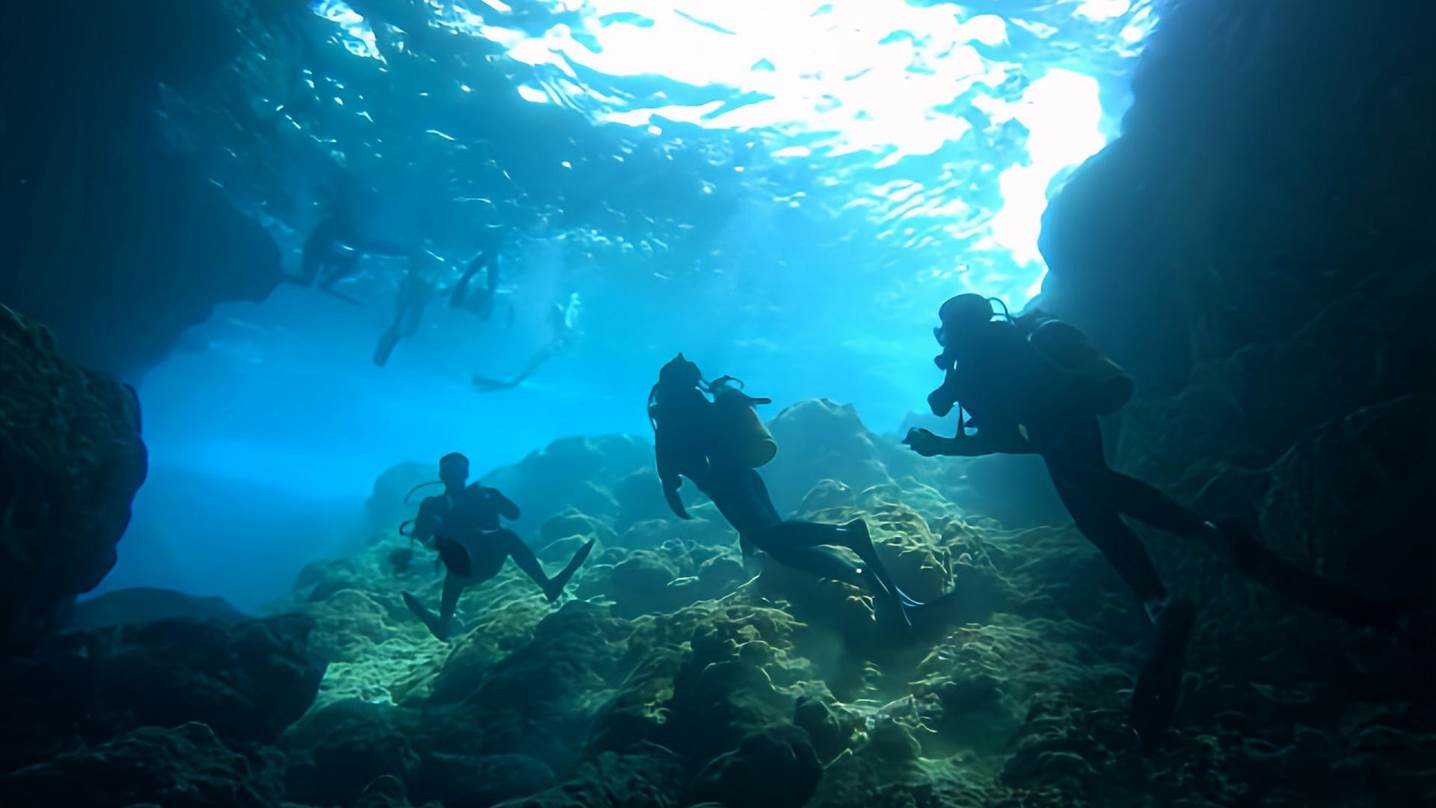
Okinawa offers numerous experiences that let you enjoy its beautiful nature and distinctive culture. This section introduces 5 moving activities that go beyond simply visiting a place. The selection ranges from beginner-friendly activities and encounters with local culture to experiences you can enjoy with family and friends.
1. Snorkeling & Diving
Snorkeling and diving are popular activities that allow everyone from beginners to experienced participants to enjoy Okinawa's exceptionally clear waters. Beautiful underwater scenery and encounters with colorful tropical fish create lifelong memories and leave many travelers deeply impressed. Okinawa's main island and outlying islands offer numerous spots, allowing you to choose anything from snorkeling in shallow water to full-fledged diving according to your travel goals.
Key Points
- Beginner-Friendly Spots
The Blue Cave in Onna Village has gentle waves and a wide selection of guided tours. At Yonaha Maehama Beach on Miyako Island, you can experience the thrill of swimming with sea turtles. The area around Kabira Bay on Ishigaki Island is also popular with beginners. - Safety and Precautions
Be sure to join a tour with an instructor and receive a briefing beforehand. Remember sun protection, including a rash guard and sunscreen. It is also important to avoid touching coral or fish.
2. Traditional Okinawan Cultural Experiences (Ryukyu Glassmaking and Dyeing)
Making crafts unique to Okinawa is also popular as a way to create a souvenir of your trip. Ryukyu glassmaking and bingata dyeing are easy to try at workshops in tourist areas. Many classes require advance reservations, and early booking is especially recommended during busy seasons. Plans suitable for families are also available, accommodating a wide range of travelers.
Key Points
- Ryukyu Glassmaking
At workshops in Naha and Nago, you can choose your preferred colors and designs to create your own original glass or accessories. Craftspeople provide careful instruction, allowing beginners to participate with confidence. The production process is fun, and seeing the finished piece brings a special sense of accomplishment. - Bingata Dyeing
Using traditional techniques dating back to the Ryukyu Kingdom, you can make vividly colored handkerchiefs and scarves. Choosing color combinations and designs is part of the enjoyment. It offers a valuable experience while connecting you with culture and history.
3. Stand-Up Paddleboarding (SUP)
SUP involves standing on a board and using a paddle to move across the water, making it ideal for enjoying Okinawa's calm seas. Gentle waves allow beginners to try it with confidence, and the sensation of gliding across the surface is wonderfully relaxing. This activity provides restorative moments beyond everyday life. It is an especially fitting choice for experiencing Okinawa's beautiful nature.
Key Points
- Appeal and Ways to Enjoy It
SUP engages your core and can provide exercise benefits. In clear waters, you can observe coral reefs and tropical fish from your board, experiencing a sense of unity with nature. Tours through mangrove forests offer an adventurous atmosphere. - Recommended Spots
Onna Village and Kouri Island are popular for magnificent views of blue seas and white sand. On Ishigaki and Iriomote Islands, sunset SUP and mangrove tours are well regarded and offer enchanting moments. Wherever you choose, SUP lets you savor Okinawa's great outdoors.
4. Ecotours (Including Mangrove Canoeing)
Ecotours that let you enjoy Okinawa's rich environment while being mindful of conservation are popular with many visitors. Canoe tours through mangrove forests on Iriomote Island and in Nago are especially appealing for their extraordinary experiences. In the quiet surroundings, you can take your time appreciating this distinctive ecosystem. These tours introduce you to the depth of Okinawa's natural world.
Key Points
- Appeal and Learning
A defining feature is learning about the natural environment and ecosystems with a local guide. In mangrove forests where seawater and freshwater mingle, you may encounter endangered plants and animals and birds and fish unique to Okinawa. The maze-like vegetation inspires a spirit of exploration, making it enjoyable for adults and children alike. - Safety and Precautions
Prepare waterproof shoes and clothes that can get wet. Take care not to harm plants or animals while sightseeing. Follow your guide's instructions, and bring a hat and sunglasses for a comfortable experience, remembering to protect yourself from the sun.
5. Stargazing Tours
Okinawa's outlying islands have little interference from artificial lighting, allowing you to enjoy skies filled with stars. Stargazing tours are particularly popular with travelers seeking special sights unavailable in cities. A night sky filled with countless stars, including the Southern Cross, is a moving experience for many people.
Key Points
- Recommended Spots
Hateruma Island is famous as Japan's southernmost island where the Southern Cross can be seen. On Iriomote Island, you can enjoy the stars along with the quiet of the jungle. Miyako and Ishigaki Islands also have well-equipped observation sites, and dedicated tours using astronomical telescopes are popular. - Items to Bring
Even outlying islands can become chilly at night, so prepare warm clothing and a flashlight. Binoculars and stargazing apps make observation more enjoyable. For extended viewing, bringing a cushion or folding chair will keep you comfortable.
Create unforgettable travel memories through experiences unique to Okinawa. Each offers a valuable opportunity to deeply appreciate Okinawa's nature and culture!
4. Complete Guide to Okinawan Food: Recommended Dishes and Places to Try
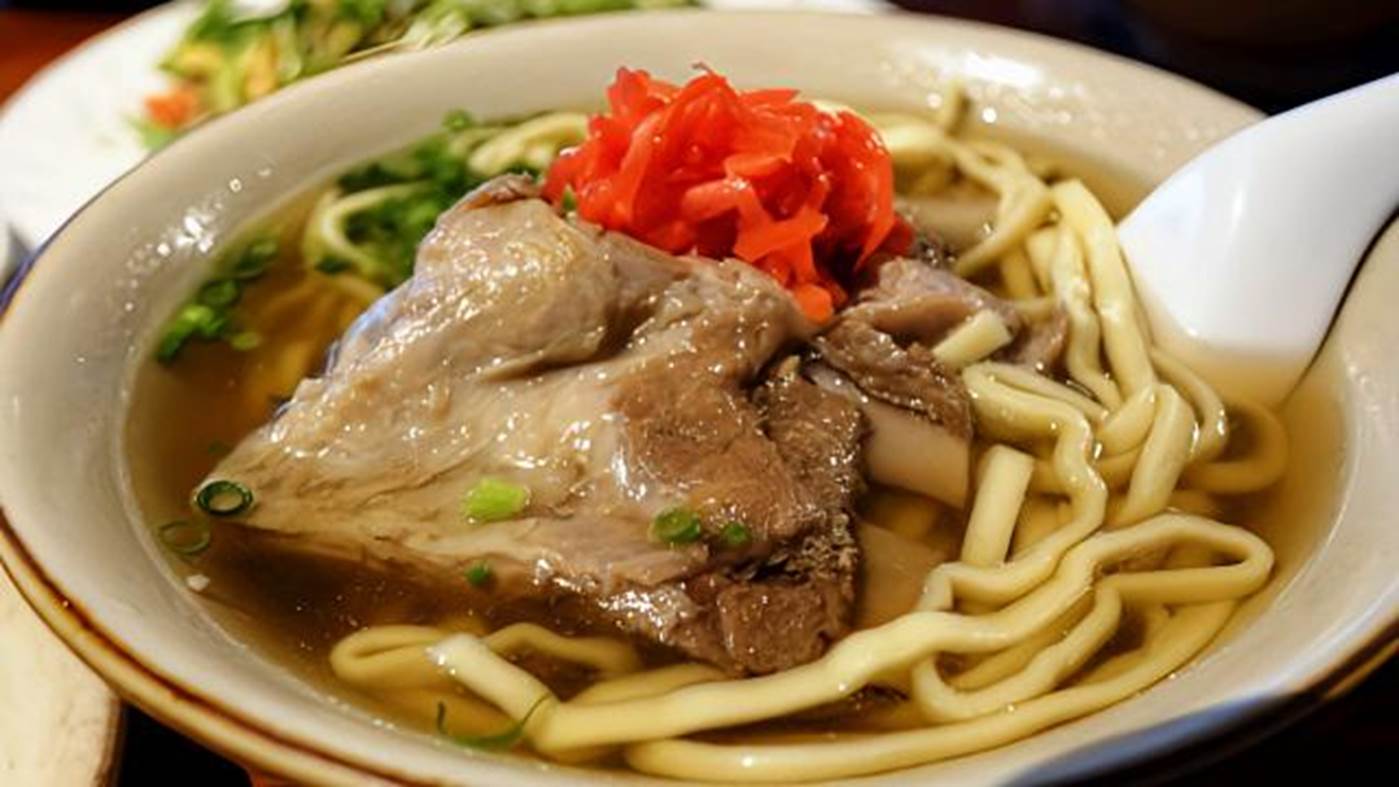
On an Okinawa trip, food is a major pleasure alongside sightseeing. The must-try foods recommended for Okinawa visitors all offer distinctive local flavors. Here is a guide to enjoying Okinawa's delicious offerings in full, from classics such as Okinawa soba and goya champuru to fresh tropical fruit and awamori.
1. Okinawa Soba
Okinawa soba is a dish to try first on your visit. Its unique style is neither ramen nor buckwheat soba, with chewy, thick noodles that pair perfectly with broth made from pork bones and bonito flakes. Although an everyday meal for Okinawans, it is also extremely popular with visitors. Its broth is richly savory yet light, making it appealing even on hot days.
- Recommended Restaurants
Shimujo in Naha serves authentic Okinawa soba in a renovated traditional house more than 100 years old. Enjoy time-honored flavors in a tranquil setting. Kishimoto Shokudo in northern Okinawa is another renowned local favorite. - Tips for Eating
Koregusu, a condiment made by soaking chili peppers in awamori, is an essential accompaniment to Okinawa soba. It is often provided on the table; adding a small amount brings out the broth's flavor further. - Background
Okinawa soba originated from a noodle dish introduced from China during the Meiji era. After the war, it took root in Okinawan food culture and developed into a beloved local soul food. Today, regional varieties such as Yaeyama soba and Miyako soba make tasting and comparison enjoyable.
2. Goya Champuru
Goya champuru is a signature dish of Okinawan home cooking. The mild bitterness of bitter melon, the savory flavors of tofu and pork, and the mellow quality of egg blend perfectly in a dish that is simple yet flavorful. It is also known as a healthy food well suited to Okinawa's hot climate.
- Recommended Restaurants
Naminouegu Shokudo in Naha serves goya champuru with a local, home-cooked flavor. This welcoming restaurant is loved by both visitors and local residents. - Trivia
Champuru means mixing in the Okinawan dialect. Alongside goya champuru, there are many variations, including tofu champuru and somen champuru. - Background
Goya champuru developed as a nutritionally balanced home-cooked dish during postwar shortages, using Spam introduced from the United States. Today, its appealing bitter-melon flavor makes it extremely popular with visitors too.
3. Agu Pork
Okinawa's branded Agu pork is a signature ingredient in local food culture. Known for its sweet fat and tender meat, it is commonly enjoyed in shabu-shabu or teppanyaki. Agu pigs are a traditional breed raised since the Ryukyu Kingdom era, offering a special flavor unavailable elsewhere.
- Recommended Restaurants
Ryukyu Dining Jizake Yokocho in Naha serves shabu-shabu made with Agu pork. Briefly cooked in kombu broth, the pork offers a melting texture and refined sweetness. - Ways to Enjoy It
Pair it with local awamori or island spirits. The sweetness of Agu pork fat pairs beautifully with awamori's clean taste. - Background
Agu pigs once faced extinction, but efforts by local producers in recent years have brought them back. They have now become an indispensable part of discussions of Okinawan food culture.
4. Okinawan Fruit (Mangoes, Pineapples, and More)
Okinawa is also known for producing tropical fruit. Mangoes and pineapples are particularly popular with visitors for their rich sweetness and juiciness. Tasting fresh, locally harvested fruit is one of the pleasures of an Okinawa trip.
- Recommended Spots
At Nago Pineapple Park in northern Okinawa's main island, you can sample freshly harvested pineapple on site. Fruit juices and ice cream enjoyed like indulgent desserts are also recommended. Miyako and Ishigaki Islands have several tourist farms where you can buy fresh mangoes. - Seasonal Enjoyment
Mangoes are in season from July through August, and visiting then lets you savor the rich flavor of fully ripened fruit. Pineapple season peaks from spring through summer, and pineapples are readily available at roadside stations and markets. - Background
Okinawa's tropical fruit grows in a warm climate and rich soil, giving it a high sugar content. Fully ripened mangoes in particular are known as a luxurious treat packed with the blessings of Okinawa's sunshine.
5. Awamori and Island Spirits
Awamori, Okinawa's signature spirit, is beloved by visitors and locals alike. You can drink it on its own or enjoy it in cocktails mixed with sparkling water or fruit. Awamori also pairs wonderfully with local meals, making its combinations with Okinawan cuisine appealing.
- Recommended Bars
Awamorigura, a specialist awamori bar in Naha, lets you compare brands from across Okinawa. Fruity, easy-to-drink selections are available for first-time drinkers, making it easy to enjoy. - Ways to Enjoy It
Awamori can be enjoyed straight or on the rocks, or mixed with cold or hot water, allowing you to find your preferred style. Aged awamori, called kusu, has a mellow flavor and is also popular as a keepsake or souvenir. - Background
Awamori arrived from Thailand during the 15th-century Ryukyu Kingdom and developed through its own distinctive production method. Learning about its cultural background makes it feel more special than simply another drink.
6. Other Okinawan Foods
Okinawa has many more appealing foods to discover. Here are dishes and sweets to enjoy during your trip or take home as souvenirs.
- Rafute
Cubes of pork simmered in awamori and sugar. Their melting tenderness and rich seasoning are irresistible. - Taco Rice
A hearty creative dish originating in Okinawa, made by serving taco fillings over rice. It is easy to enjoy at cafes and diners. - Blue Seal Ice Cream
An ice cream brand born in Okinawa. Its many local flavors, including purple sweet potato and salt chinsuko, make it a perfect travel dessert.
Local supermarkets and roadside stations offer Okinawan ingredients and foods different from those found in tourist areas. Look for your favorites while you are there. Bringing them home as souvenirs at the end of your trip lets you enjoy Okinawa's flavors at home too.
5. 5 Instagram-Worthy Spots to Enjoy in Okinawa
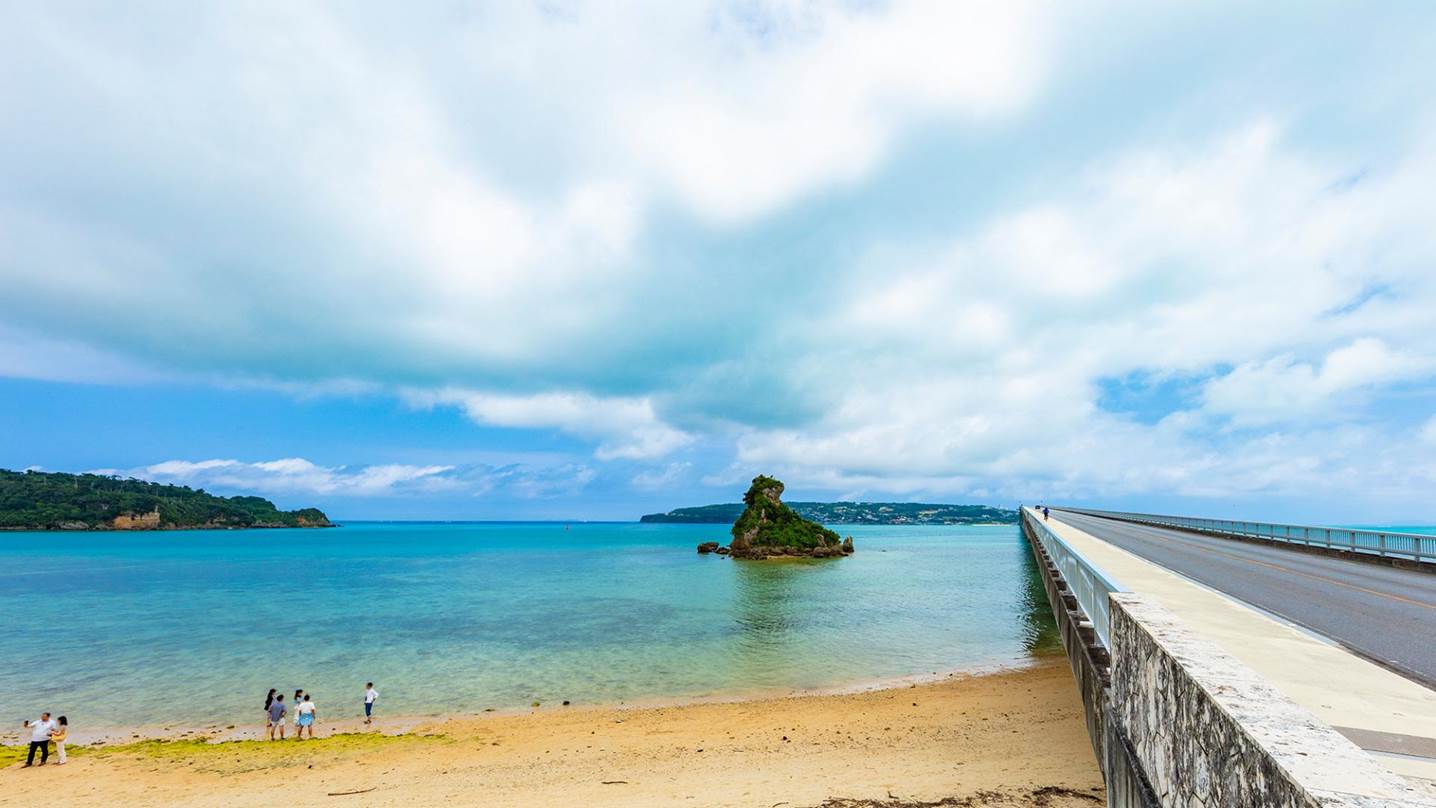
Okinawa is an appealing destination filled with photogenic scenery wherever you go. Blue seas, lush nature, and distinctive architecture come together in countless stunning views. We have selected Instagram-worthy spots particularly recommended for sightseeing in Okinawa and introduce 5 unmissable locations here. Along with photographing beautiful scenery, enjoy the special experiences each spot offers.
1. Kouri Island
Kouri Island, an outlying island accessible by car from Okinawa's main island, is also known as the Island of Love and is filled with scenic spots. As you cross Kouri Bridge, the clear emerald-green sea spreading out on both sides is breathtaking. A photograph capturing the entire bridge is sure to look great on Instagram.
- Recommended Photo Spots
Views from the foot of Kouri Bridge and the parking area midway along the bridge are especially beautiful. - Ways to Enjoy It
The observation deck at Kouri Ocean Tower offers panoramic views over the whole island. The island's beaches also offer a wide selection of activities, including snorkeling.
2. Cape Manzamo
Cape Manzamo in northern Okinawa's main island is characterized by magnificent scenery combining sheer cliffs and grassland. True to its name, meaning a broad meadow where ten thousand people can sit, it offers an expansive natural landscape. It is particularly famous for spectacular sunset views.
- Recommended Photo Spots
The contrast between the cliffs and blue sea viewed from above is appealing. At sunset in particular, photographing the grassland bathed in golden light creates a dramatic image. Clear weather offers breathtaking views extending to the horizon. - Ways to Enjoy It
Nearby areas have Ryukyu glass shops and pottery studios, ideal for buying keepsakes. You can appreciate the scenery while also connecting with traditional Okinawan culture. Nearby restaurants serve Okinawan food, allowing you to enjoy both sightseeing and dining.
3. Heart Rock
Heart Rock, close to Kouri Island, is known for 2 rocks that stand together to resemble a heart. Famous as a spiritual spot for fulfillment in love, it attracts many couples. The beautiful contrast with the surrounding blue sea also captivates visitors.
- Recommended Photo Spots
Visit at low tide for your best chance of a photograph showing the heart shape clearly. Changing your angle also allows for interesting compositions. Visiting during the quiet morning hours lets you take photos without the crowds. - Ways to Enjoy It
Walking the nature trails near Heart Rock lets you appreciate plants unique to Okinawa and beautiful coastal scenery. A beach picnic is also recommended. Trying local sweets at a nearby cafe can become another travel memory.
4. American Village
American Village in Chatan is a shopping and entertainment destination lined with bright, colorful buildings. This place has an international atmosphere and looks photogenic from every angle. Another attraction is enjoying its different atmospheres by day and night.
- Recommended Photo Spots
The Ferris wheel rising in the center is a landmark. At night it is illuminated, creating an enchanting backdrop. Colorful cafe signs and displays in gift shops also make excellent subjects. The hours from evening into night are particularly photogenic. - Ways to Enjoy It
The night market at American Village offers local crafts and light meals. Products with unique designs blending traditional Okinawan culture are especially suitable as souvenirs. Live performances are sometimes held too, offering plenty to enjoy beyond shopping.
5. Okinawan Waterfalls (Nanjo and Other Areas)
Waterfalls formed by Okinawa's nature offer both tranquility and power. Kakinohana Hija in Nanjo is a peaceful place where clear flowing water and greenery come together, remaining cool even in summer. It is a hidden restorative spot also cherished by local residents.
- Recommended Photo Spots
Capture a close-up of falling water near the waterfall pool, or step back to photograph the entire waterfall and green surroundings. Morning's soft light can produce especially mystical photographs. - Ways to Enjoy It
Waterfalls in northern Okinawa, including Hiji Falls, are also worth visiting. After trekking to a waterfall, refresh body and mind with Okinawa soba at a nearby local diner. A picnic along the river is also recommended.
6. 10 Recommended Places to Stay in Okinawa
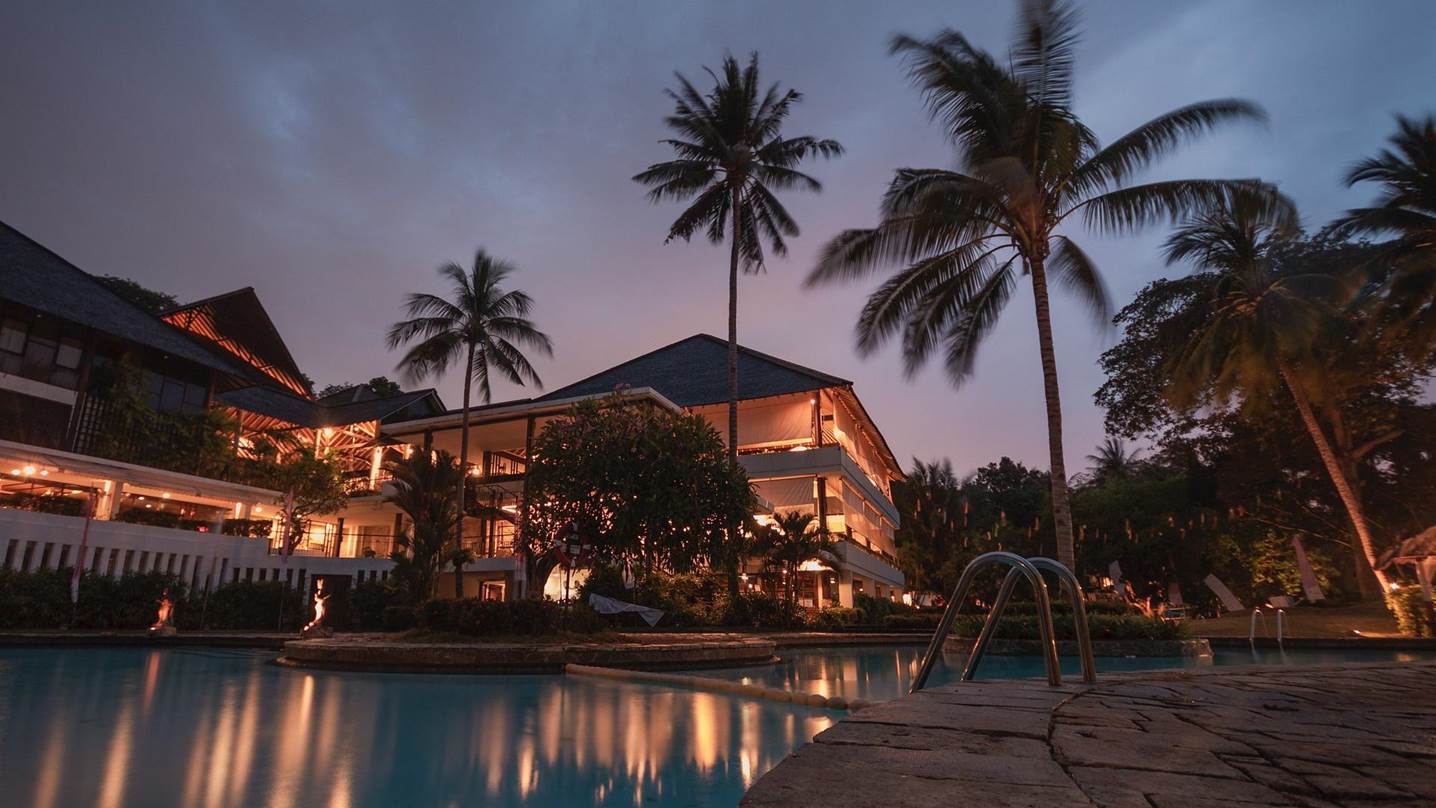
Your accommodation is one of the important factors affecting the quality of your trip. Okinawa offers diverse options, from luxurious resort hotels to local guesthouses where you can experience regional culture, and villas ideal for families and couples. This section introduces 10 carefully selected accommodations by purpose and travel style, along with detailed information.
Luxury Resort Hotels: Enjoy Indulgent Moments Away from Everyday Life
Okinawa has a selection of luxurious resort hotels popular with travelers from Japan and overseas. Why not refresh your body and mind with a resort stay offering exceptional scenery and hospitality?
1. The Ritz-Carlton, Okinawa
The Ritz-Carlton, Okinawa in Nago in the northern part of Okinawa's main island is a top-class resort hotel offering an exceptional stay. Built on a hill overlooking a lush golf course, its luxurious design includes ocean views from every room. The interiors are calm and refined, with a design that connects guests with Okinawa's nature.
- Highlights
The well-equipped Ritz-Carlton Spa is renowned for treatments incorporating Okinawan traditions. Both outdoor and indoor pools are available, allowing you to enjoy the resort all day.
2. Halekulani Okinawa
Halekulani Okinawa, on Onna Village's beautiful coast, is a resort hotel proud of its sophisticated design and outstanding hospitality. Halekulani means a house befitting heaven in Hawaiian, and you can experience tranquility and luxury worthy of that name.
- Highlights
Relax on the private beach while looking out over exceptionally clear waters. The hotel's restaurants also serve superb dishes made with fresh Okinawan ingredients.
Tips for Enjoying Luxury Resort Hotels
Both hotels offer extensive facilities and services for an escape from everyday life. Spa and beauty treatments are especially recommended for easing travel fatigue and refreshing yourself. With many activities available on site, spending a leisurely day within the resort is also an indulgent option.
Next, we introduce local guesthouses where you can experience regional culture!
Local Guesthouses: A Warm Stay Connected with Local Culture
Local guesthouses offer a different appeal from luxurious resort hotels. Along with experiencing the region's homelike warmth, affordable prices are another attraction. Savor the pleasures of travel while enjoying conversations with other travelers.
3. Yuimaru Minshuku
Yuimaru Minshuku in Naha is an accommodation appealing for its Okinawan homelike atmosphere. Yuimaru means mutual help in the Okinawan dialect, and true to its name, guests enjoy warm hospitality and interaction with the owner.
- Highlights
Breakfast features Okinawan dishes using local ingredients. The owner kindly shares information about attractions and local food, making it useful for planning your trip.
4. Dormitory Okinawa
Dormitory Okinawa, popular with solo travelers and backpackers, is a guesthouse within walking distance of Kokusai Street. With simple, functional interiors, it is known as a comfortable option for a low-budget stay.
- Highlights
Shared spaces allow guests to socialize and exchange information. You may make travel companions, expanding the enjoyment of traveling alone.
Tips for Enjoying Local Guesthouses
At minshuku, interaction with residents lets you experience Okinawan everyday culture. Guesthouses also offer opportunities to exchange information with travelers from Japan and abroad, with new discoveries and encounters among their pleasures. These options are especially recommended for small groups and solo travelers.
Next, we introduce villa accommodations where you can relax in your own private space!
Villa Accommodations: Relax in a Private Space
Villa accommodations are recommended for anyone planning a family or couples' trip to Okinawa. Renting a whole building or staying in spacious rooms offers a different appeal from a resort hotel. Many villas have private pools and kitchens, allowing you to enjoy your time freely.
5. Green Hills Villa
Green Hills Villa, surrounded by nature in central Okinawa's main island, offers a secluded retreat. With no tall buildings nearby, you can enjoy a sense of privacy in an open, airy setting.
- Highlights
Each villa has a private pool, allowing you to relax with a resort atmosphere. Barbecues in the garden are also possible, creating special moments with family and friends.
6. Villa Oasis
Villa Oasis in southern Okinawa's main island is appealing for its modern, environmentally friendly design. Its spacious living room and fully equipped kitchen let you relax in a space entirely your own.
- Highlights
Villa accommodations let you spend private time in a quiet setting. Buying ingredients at a local supermarket and cooking, or having a barbecue in the garden, lets you customize your Okinawa stay freely. The spacious surroundings are also ideal for families with young children.
Next, we introduce other recommended accommodations offering even more distinctive stays!
Other Recommended Accommodations: Enjoy a Unique Stay
Besides resort hotels and villas, Okinawa has many distinctive accommodations. The appeal lies in choosing according to your purpose, whether a place deeply connected to regional culture and nature or an affordable yet comfortable option. Here are 4 characteristic accommodation styles.
7. Local Style Hotel
Local Style Hotel, appealing for designs created by local artists, lets you experience Okinawa's culture and nature. Murals and interiors feature vivid Okinawan colors, allowing you to enjoy the regional atmosphere during your stay.
- Highlights
Works by local artists are displayed in the lobby, creating a space like a small gallery. Information about regional events is also available to help with sightseeing plans.
8. Capsule Hotel Okinawa
The clean, comfortable Capsule Hotel Okinawa is recommended for short stays or travelers wanting to keep costs down. Many are located in major sightseeing areas, offering convenient access. Despite affordable prices, security and comfort are well maintained.
- Highlights
Capsules have charging outlets and small televisions, making them suitable for business or sightseeing stays. Shared spaces are roomy and comfortable.
9. Glamping Facilities
Okinawa's glamping facilities are another appealing option for those wanting to enjoy nature. Camping-style accommodations beside beaches or in forests offer special experiences such as gazing at stars around a campfire.
- Highlights
Luxurious tents and cottages have air conditioning and bathrooms, making them comfortable even for camping beginners. Many plans include barbecues and activities.
10. Okinawan Traditional House Stays
Staying in a traditional Okinawan red-tile house offers a unique accommodation experience connecting you directly with local history and culture. Coral walls and well-ventilated house designs let you fully appreciate Okinawa's distinctive character.
- Highlights
Quiet, traditional settlements surround the accommodations, and simply walking around offers special moments. Some properties also provide local traditional meals.
Tips for Enjoying Other Accommodations
At accommodations making use of Okinawa's distinctive qualities, the stay itself becomes part of sightseeing. Choosing according to your travel theme, such as glamping to enjoy nature or a traditional house stay to experience culture, can make your trip even more fulfilling.
That completes our detailed introduction to all 10 recommended places to stay in Okinawa! Every type has its own appeal, so choose the accommodation best suited to your purpose.
7. Useful Information and Helpful Guide for Okinawa Sightseeing

There is plenty of useful information to know beforehand to enjoy Okinawa fully. Understanding transportation, seasonal characteristics, and precautions for comfortable travel makes your trip smoother and more fulfilling. Here, helpful sightseeing advice is divided into 3 sections.
Transportation: When You Need a Rental Car and How to Travel by Public Transit
Choosing transportation is important when deciding your Okinawa sightseeing style. To explore the extensive areas of the main island and outlying islands efficiently, plan according to your means of travel.
- Rental Car Benefits and Precautions
On Okinawa's main island, major attractions are widely scattered, so renting a car is common. Public transportation is infrequent, especially in areas outside the outlying islands, making the flexibility of a rental car convenient. Bring your driver's license and, if required, an international driving permit. Book early, as demand concentrates during the tourist season. - Using Public Transportation
The monorail (Yui Rail) and local buses are convenient for attractions in Naha and the southern main island. Yui Rail connects Naha Airport with Shuri Castle, providing access to major attractions. Buses require extra time, however; sightseeing taxis and tour buses are also options if you want to explore efficiently. - Choosing Your Transportation
A rental car is recommended for visiting major spots on your first Okinawa trip, but public transportation is sufficient for sightseeing within Naha. Rental bicycles and motorbikes may also be useful on outlying islands.
Sightseeing Seasons and Weather: Best Seasons and Rainy-Day Activities
The ways to enjoy Okinawa change with the seasons. When choosing your travel dates, consider both the weather and visitor crowds.
- Best Seasons
Okinawa's peak sightseeing season runs from April through October. April through June in particular offers mild weather and the start of beach season, making sightseeing easy. July through August is crowded due to summer vacation, but offers plenty of marine activities. During the November through March off-season, temperatures around 20℃ are comfortable and fewer visitors allow a more leisurely experience. - Weather and Clothing Tips
Strong summer sunlight makes sunscreen, a hat, and a light outer layer essential. The rainy season (mid-May through mid-June) brings frequent rain, so waterproof items are reassuring. Winter often has warm days, but strong winds can occur, making a light jacket useful. - Rainy-Day Activities
On rainy days, visiting indoor facilities such as Churaumi Aquarium, Shuri Castle, and museums is a good option. Ryukyu glassmaking and bingata dyeing classes can also be enjoyed regardless of the weather. Cafe visits and relaxing at shopping malls are other good choices.
Sightseeing Precautions: Avoiding Crowds, Etiquette, and Clothing Advice
Understanding a few precautions beforehand is important for a comfortable, enjoyable trip.
- Avoiding Crowds
Visiting popular spots early in the morning or toward evening makes avoiding crowds easier. At Churaumi Aquarium and Kokusai Street, avoiding the busiest hours allows leisurely enjoyment. Parking may be crowded when using a rental car, so look beforehand for parking lots accepting reservations. - Etiquette at Attractions
When visiting sacred places such as Sefa Utaki or settlements on outlying islands, remain quiet and considerate of residents. At beaches, taking your trash home and being mindful of conservation are also expected. - Clothing and Belongings
Some Okinawan attractions have unpaved paths or extensive tropical surroundings. Choose comfortable walking shoes and clothes that allow easy movement. Bringing a hat and insect repellent for sun and insect protection is also reassuring.
Using this helpful information can make your Okinawa trip more comfortable and smooth. Put it to use when planning your next visit!
8. Conclusion: Create Lasting Memories on Your Okinawa Trip

Okinawa is a special destination filled with beautiful nature, rich culture, and warm local hospitality. This article has introduced recommended attractions, experiences, and useful information for enjoying Okinawa in detail. Its appeal ranges from snorkeling and diving in clear blue seas to cultural visits to historic Shuri Castle and Sefa Utaki, and food-focused trips savoring local flavors.
On Okinawa's outlying islands, you can enjoy spectacular scenery shaped by nature and the islands' distinctive relaxed pace. Sightseeing and shopping in Naha's urban atmosphere are also characteristic ways to enjoy Okinawa. Choosing accommodations, from indulgent stays at luxury resort hotels to interactions with residents at local guesthouses, lets you freely customize your travel style, another part of Okinawa's appeal.
When planning your next Okinawa trip, consider what kind of journey you want to enjoy. Focusing on marine activities is a fine choice, as is concentrating on cultural experiences or food exploration. Use the spots and experiences introduced here to create a more fulfilling itinerary suited to your season, budget, and length of stay.
Okinawa offers new discoveries no matter how often you visit. Enjoy its diverse attractions fully and create lasting memories. On your next trip, get to know Okinawa more deeply and experience its beauty and warmth!