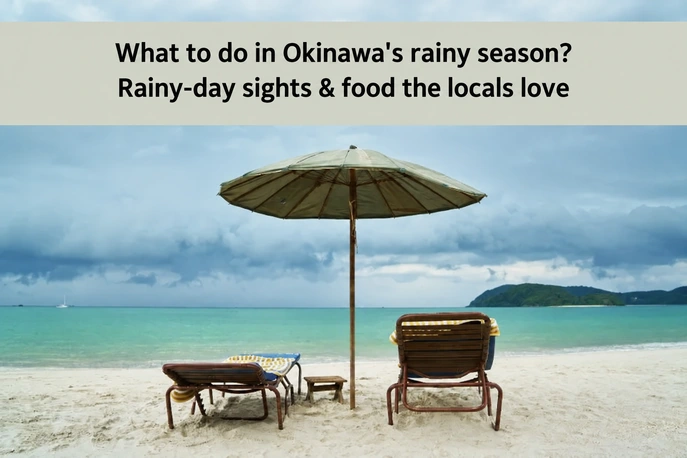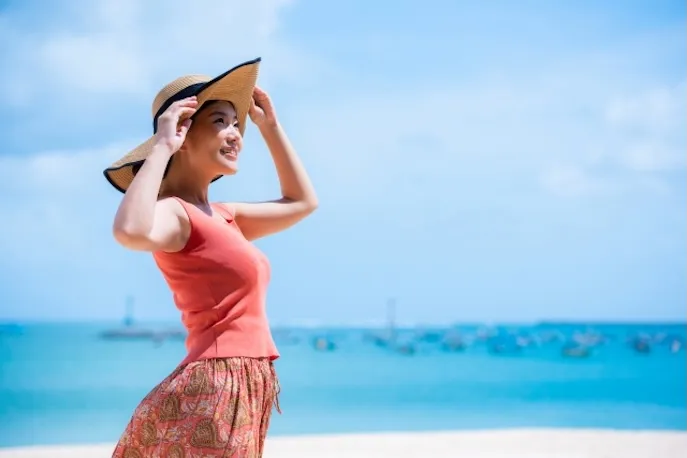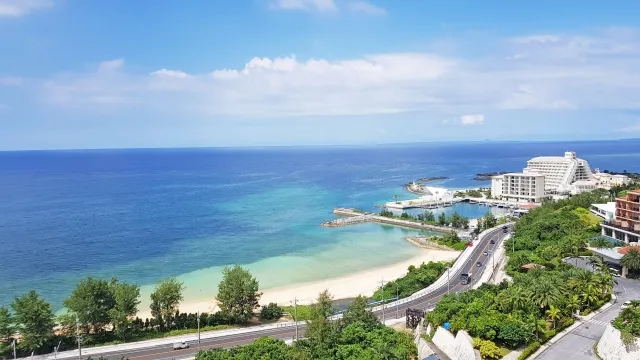
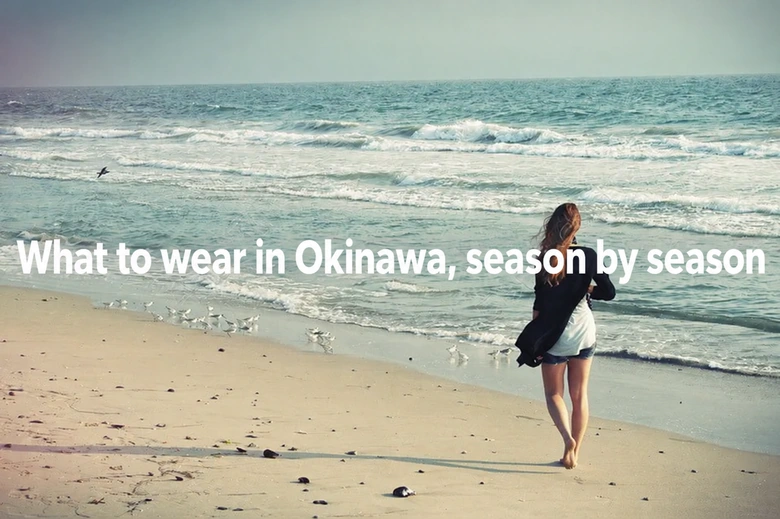
Okinawa has a subtropical oceanic climate, characterized by warm weather throughout the year and plenty of rainfall.
In this article, we introduce the best clothing for a trip to Okinawa, season by season.
First, we share some information on Okinawa's temperatures and more. Since this is for travel, we also cover lightweight clothing and must-haves such as sunglasses and sunscreen.
If you are planning a trip to Okinawa, please take a look.
Okinawa temperatures
Average annual temperature: 23.4°C
Highest temperatures: often above 30°C
Lowest temperatures: rarely below 10°C
Depending on the time of year, the temperature difference can be considerable, so it's worth putting some thought into what you wear.
Okinawa rainfall
Annual rainfall: about 2,000mm
Rainy season: May to October
Typhoon season: August to October
Humidity
Average annual humidity: around 70%
Humidity is especially high in summer, making it hot and muggy
Characteristics
A warm, comfortable climate
Because it is warm all year round, the climate is comfortable, but there is a lot of rainfall, and during the rainy season you may be affected by torrential downpours and typhoons.
High humidity
Okinawa is more humid than you might expect, and it gets very damp, especially during the rainy season. Humidity is especially high in summer and the weather is hot and muggy, so you need to take precautions against heatstroke.
Strong UV rays
UV rays are strong all year round, so you need protection such as sunscreen. Sunglasses are a must throughout the year.
Characteristics of each season
Spring (March to May)
Warm and comfortable weather. The cherry blossoms bloom and the sightseeing season arrives.
Summer (June to August)
Hot and humid. The beaches officially open for the season, and you can enjoy swimming in the sea.
Fall (September to November)
Comfortable weather. It is typhoon season, but there are also many sunny days.
Winter (December to February)
Warm and comfortable weather. Daytime temperatures can reach around 20°C.
Okinawa rainfall
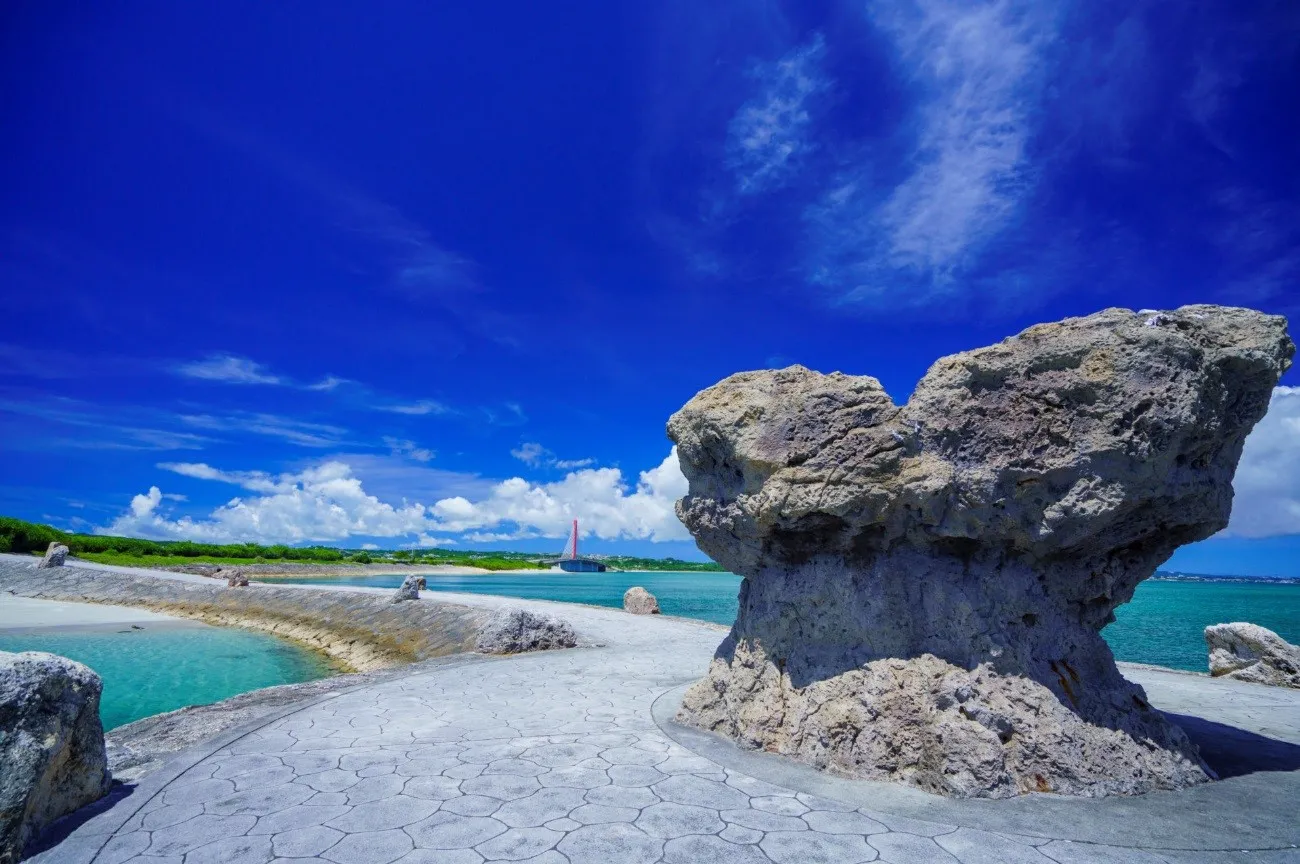
Okinawa gets a lot of rain throughout the year, and during the rainy season in particular, it can be hit by torrential downpours.
Annual rainfall
About 2,000mm
Rainy season
May to October
Typhoon season
August to October
| Average monthly rainfall | |
|---|---|
| January | 100mm |
| February | 110mm |
| March | 130mm |
| April | 160mm |
| May | 220mm |
| June | 280mm |
| July | 320mm |
| August | 350mm |
| September | 300mm |
| October | 250mm |
| November | 180mm |
| December | 120mm |
During the rainy season you may be affected by torrential downpours and typhoons, and extra caution is needed during typhoon season. Humidity is high all year round and the weather is muggy, so heatstroke prevention is a must as well. Okinawa's climate is warm and comfortable, but be careful during the rainy season and typhoon season.
Okinawa highlights
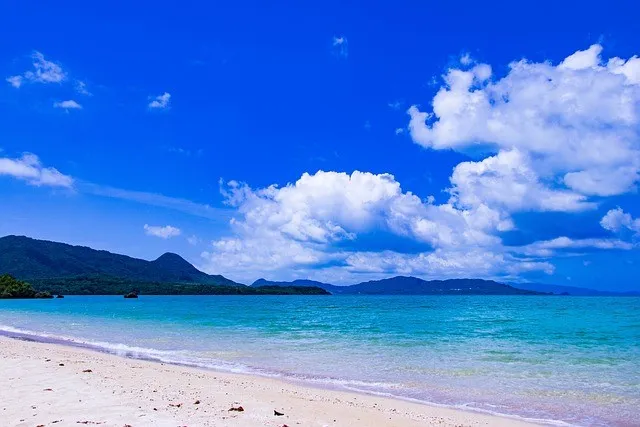
Okinawa's highlights are wide-ranging: blue seas, white sand beaches, rich nature, history and culture, as well as heritage from the Ryukyu Kingdom.
We introduce them in several categories to match your interests.
Nature and beaches
Kerama Islands
Known for its crystal-clear water and beautiful coral reefs, this is a mecca for diving and snorkeling.
Zamami Island and Tokashiki Island are especially popular. These are beaches where families can relax, and many visitors come from far away.
Iriomote Island
Known as the "Galapagos of the East," this island has untouched nature. Mangrove forests and subtropical plants grow thick, and you can enjoy canoeing and trekking.
It is a recommended destination for those who want to enjoy more of the subtropical nature.
Ishigaki Island
The second largest island after the main island of Okinawa. You can enjoy a variety of activities such as beautiful beaches, dive spots and stargazing.
If you stay for 2 to 3 days, you can fully experience the best of Ishigaki Island.
Taketomi Island
A peaceful island lined with red-tiled houses. You can tour the island in a water buffalo cart or relax while watching the sunset.
With its beautiful beaches and quiet natural surroundings, it is an ideal island for seniors as well.
Onna Village
Located on the west side of the main island of Okinawa, it is a popular tourist destination.
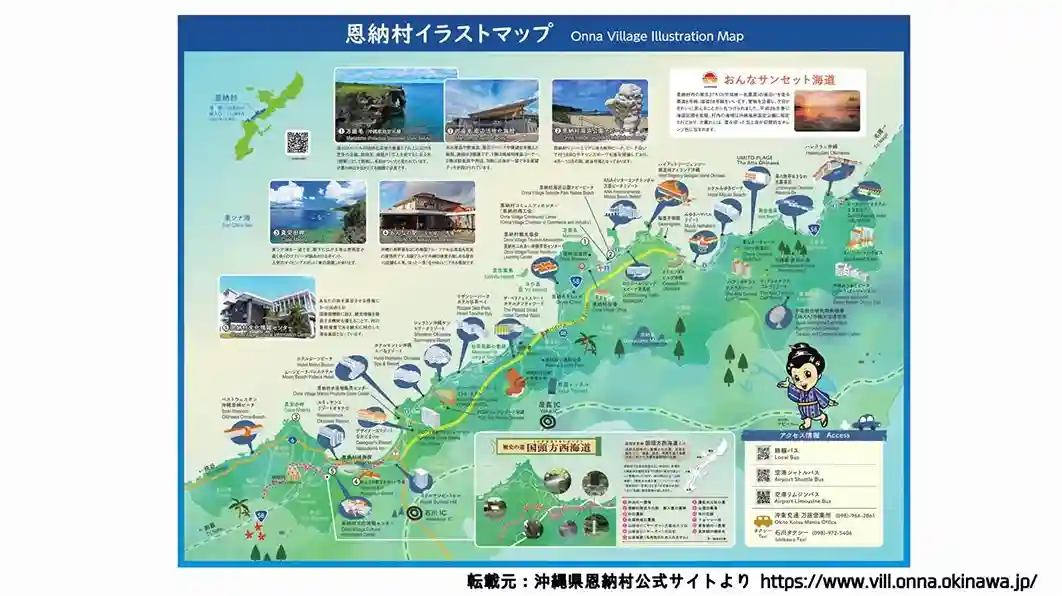
It offers emerald green seas, marine sports and plenty of resort hotels.
History and culture
Shuri Castle
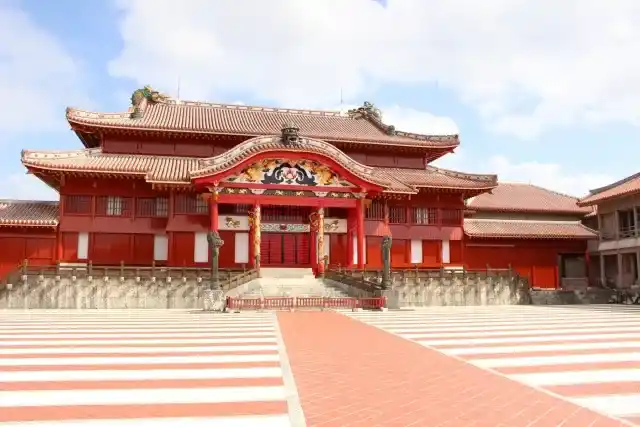
The castle that was the political center of the Ryukyu Kingdom.
Its magnificent castle architecture lets you feel the history of Okinawa.
Built around the 14th century, it served as the royal castle once the Ryukyu Kingdom was unified, and it was rebuilt in the 20th century. It is cherished as a source of pride for the people of Okinawa.
A vivid vermilion castle using "Ryukyu red tiles," its walls are made of stacked stone and plaster.
Sefa Utaki
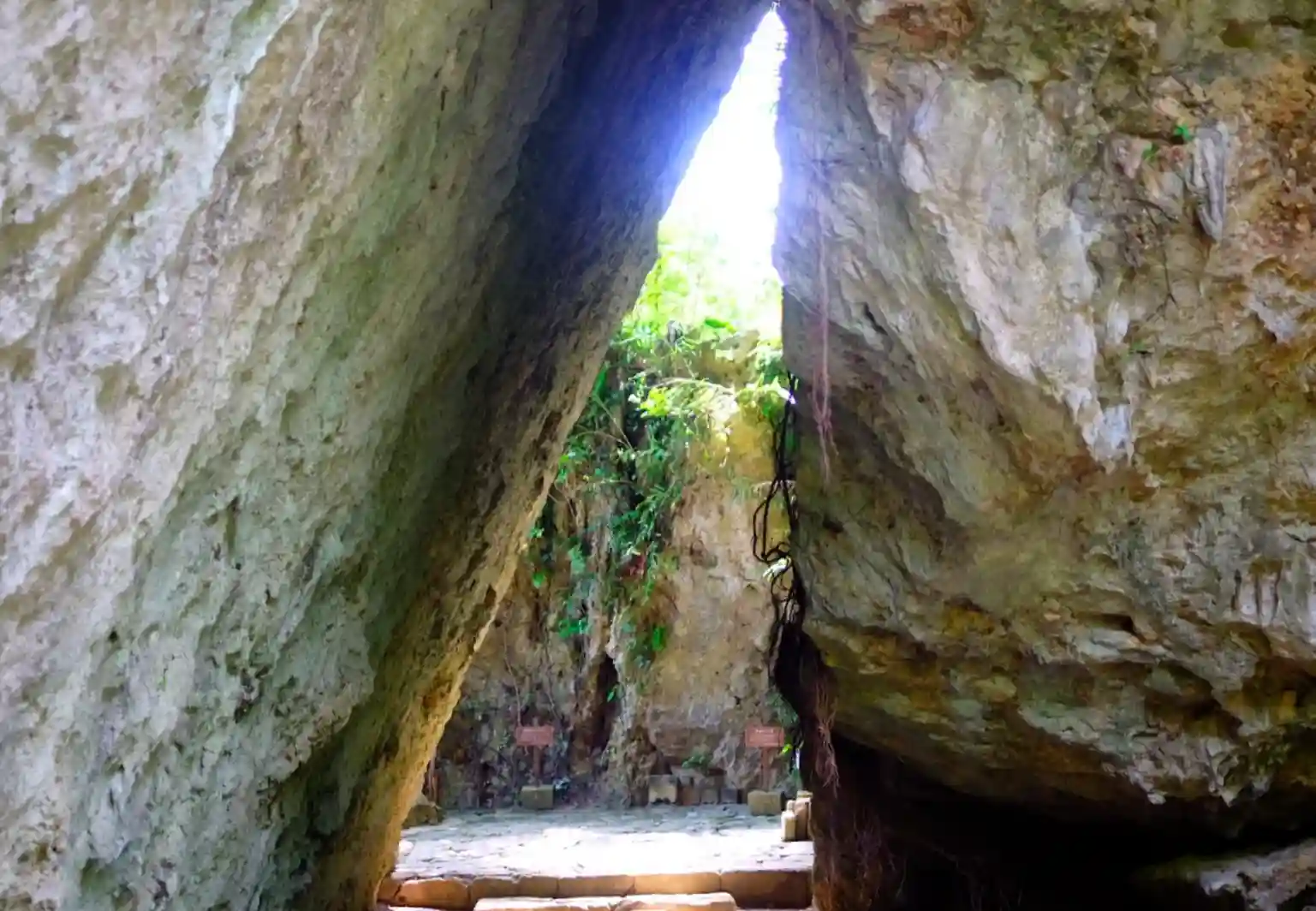
The stone pavement, which brings together the finest of ancient Ryukyuan stonework, remains beautiful even after many years. This sacred site from the Ryukyu Kingdom era is also famous as a power spot.
Sefa Utaki lies in a lush green forest and is enveloped in a quiet, mysterious atmosphere.
You can feel the power of nature, and it is a place that heals both body and mind.
The three rocks at the center of Sefa Utaki are said to be where Amamikiyo, the supreme deity of the Ryukyus, dwells.
Himeyuri Peace Monument
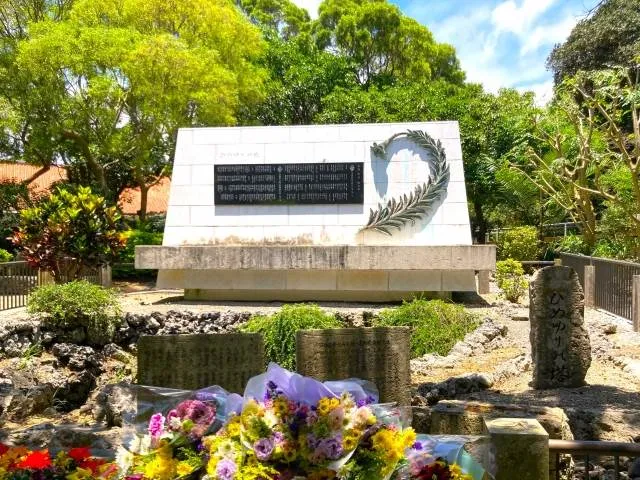
A historic site that tells of the tragedy of the Pacific War. It makes you reflect anew on the scars of war and the importance of peace.
During the fierce battle between the Japanese and American forces on Okinawa Island from March to June 1945, the Himeyuri Student Corps took on harsh duties such as treating wounded soldiers and burying the dead.
Kokusai-dori Street
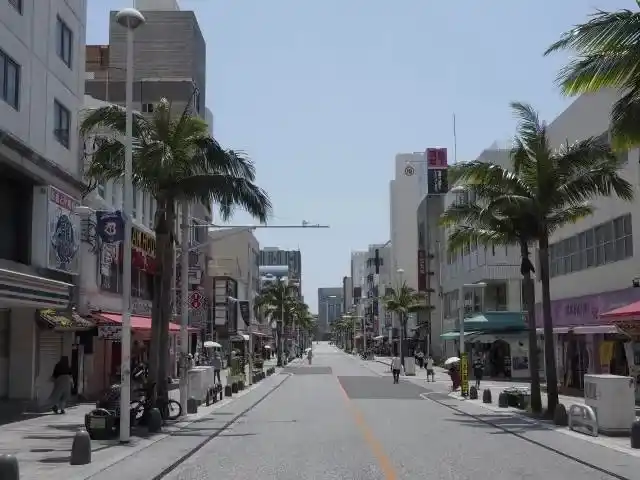
The downtown shopping district of Naha City. Shops selling traditional Okinawan crafts and souvenirs line the street, and it is always bustling.
It is the most thriving area in Okinawa, and Kokusai-dori Street is an arcade shopping street about 1.6km long in Naha City, Okinawa Prefecture.
Popular tourist spots where you can fully enjoy Okinawan culture, food and souvenirs are scattered along it.
Kokusai-dori Street is lined with a variety of souvenir shops selling traditional Okinawan crafts, sweets, awamori and more.
You can buy distinctly Okinawan souvenirs such as Ryukyu glass and bingata dyed textiles, and there are many places where you can taste traditional Okinawan dishes such as Okinawa soba, rafute and goya champuru.
There are also plenty of food stalls on Kokusai-dori Street. You can easily enjoy the flavors of Okinawa.
Ryukyu Mura
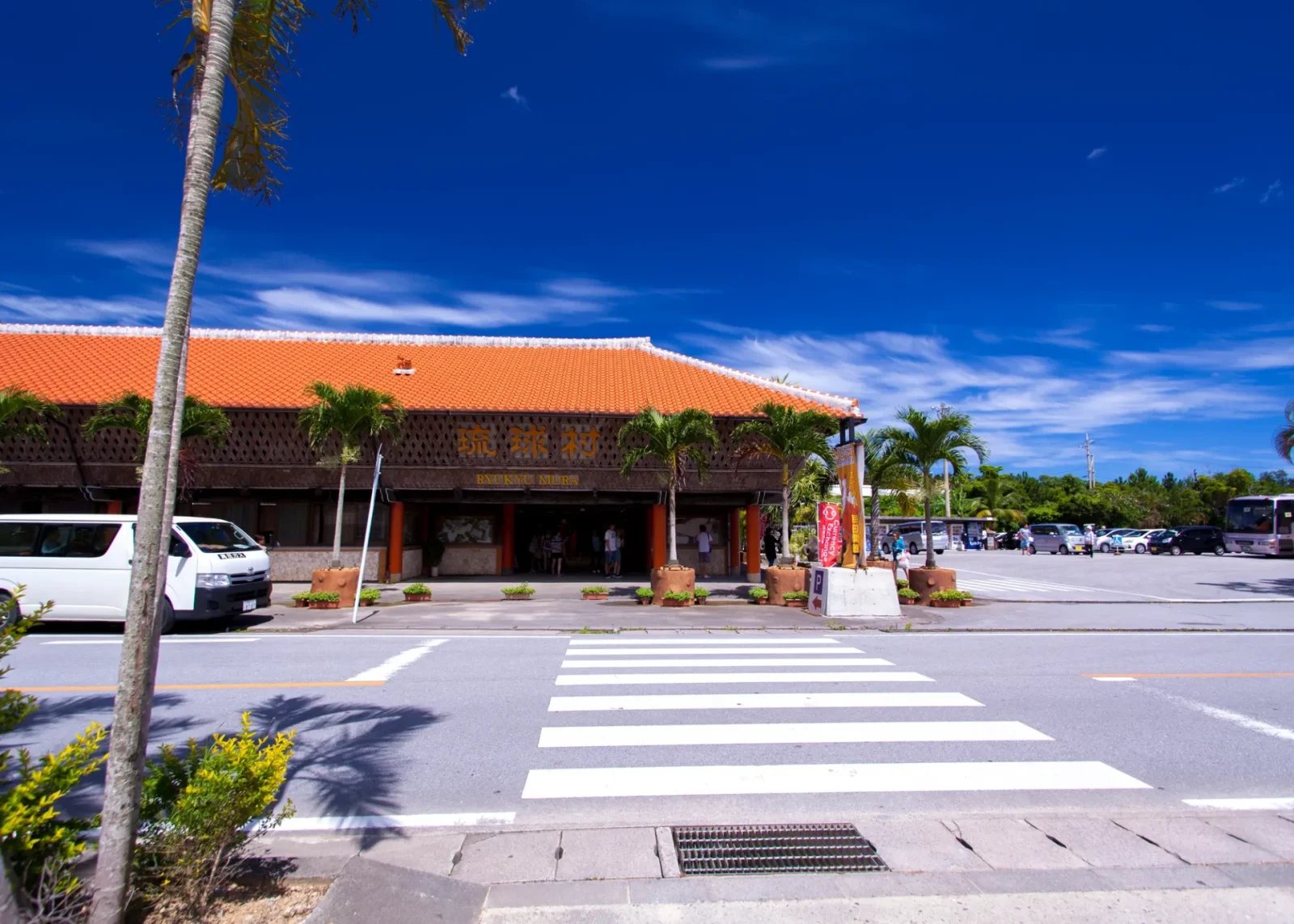
A theme park where you can experience traditional Okinawan houses and culture.
You can watch traditional performing arts and craft making.
Others
Churaumi Aquarium
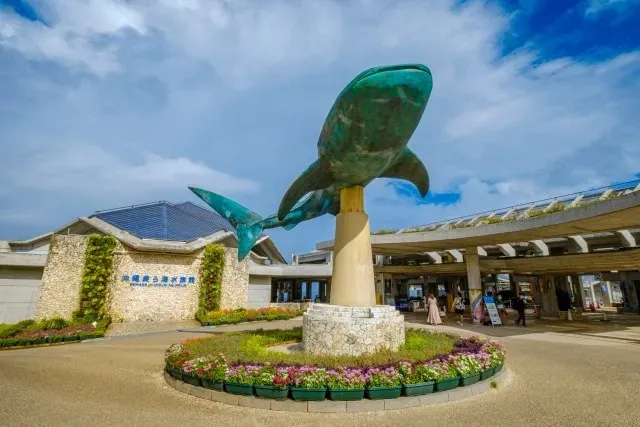
An aquarium where you can see a variety of marine life, including whale sharks and manta rays.
Okinawa Institute of Science and Technology Graduate University (OIST)
A university where cutting-edge research is carried out. You can join a campus tour.
Limestone caves

Okinawa has many limestone caves. You can enjoy exploring these mysterious caves.
Nature through the seasons
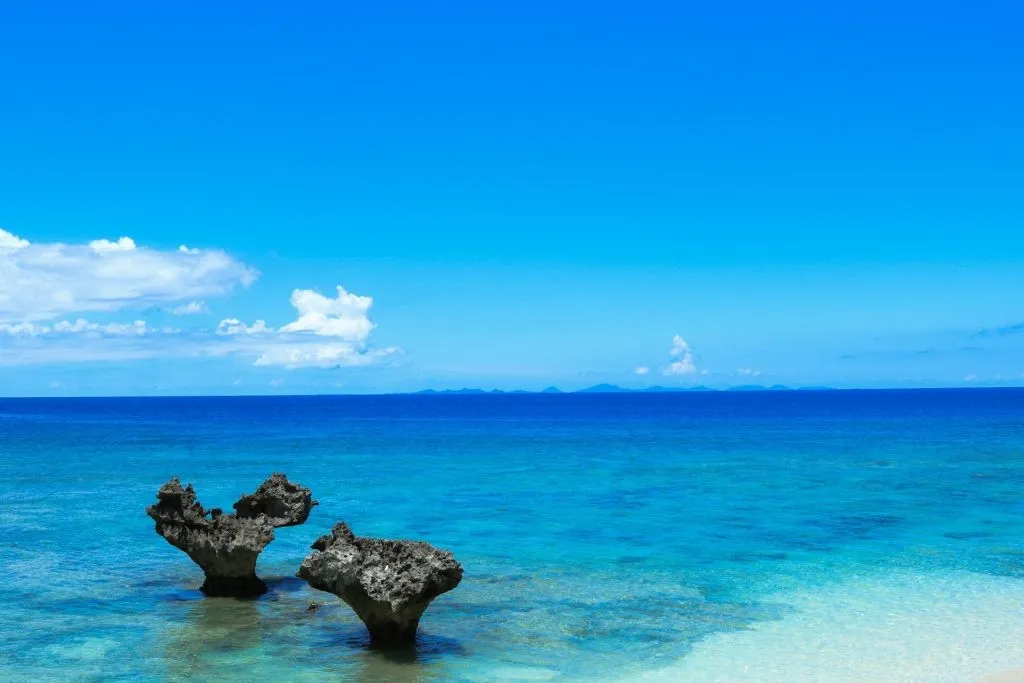
Spring
Colorful flowers such as cherry blossoms, hibiscus and bougainvillea bloom in profusion.
Summer
Swimming, marine sports, fireworks festivals and many other summer events are on offer.
Fall
It is typhoon season, but on clear days you can fully enjoy the blue sky and sea.
Winter
It is warm and comfortable, making it ideal for sightseeing.
Okinawa trip: what to wear in each season
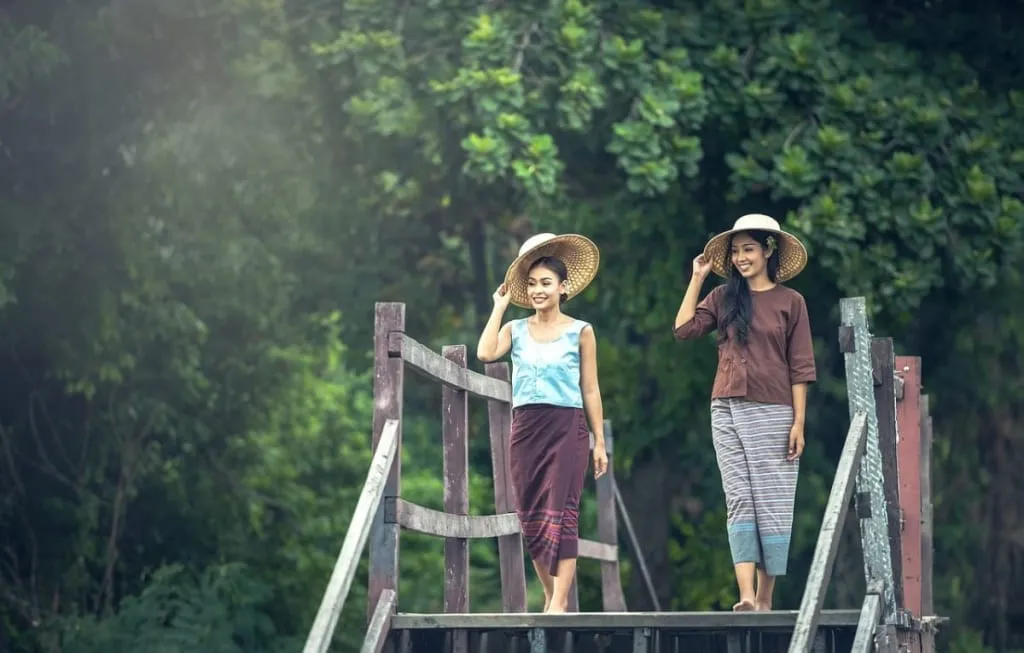
What you should wear on a trip to Okinawa varies greatly depending on the time of year, so here are some clothing tips for each season.
Spring (March to May)
Daytime is warm and comfortable, but mornings and evenings can get chilly, so a lightweight long-sleeved shirt, cardigan or stole comes in handy.
The sun gets stronger, so don't forget a hat, sunglasses and sunscreen. It gets cool at night, so it's reassuring to have something to throw on.
Summer (June to August)
It is hot and humid, and gets extremely hot. Lightweight, breathable fabrics are recommended, and sun protection is essential. Make use of sunscreen, a hat, sunglasses and UV-protective clothing. If you plan to get in the water, also prepare a rash guard, swimsuit and beach sandals.
Fall (September to November)
The weather is comfortable, but it is typhoon season, so rain gear is a must. Short sleeves are fine during the day, but it gets cool at night, so a long-sleeved shirt or cardigan is reassuring to have. The sun can be strong on some days, so a hat and sunglasses come in handy.
Winter (December to February)
Daytime is warm and comfortable, but mornings and evenings get chilly. A long-sleeved shirt, a lightweight sweater or a cardigan comes in handy. It gets cold at night, so a thick jacket or coat is reassuring to have.
Other
The sun in Okinawa is strong, so sun protection is important in every season. During the rainy season (May to October) it often rains, so a folding umbrella also proves useful.
If you plan to get in the water, don't forget what you need, such as beach sandals, a towel and a swimsuit.
It often gets chilly at night, so it's reassuring to have something to throw on.
If you will be outdoors a lot, choose clothing that is easy to move in.
If you will have a chance to experience traditional Okinawan culture, it is a good idea to pack somewhat formal clothing as well, such as a kimono.
Adjust your clothing to suit the purpose and schedule of your trip.
What should you wear on a trip to Okinawa? Summer
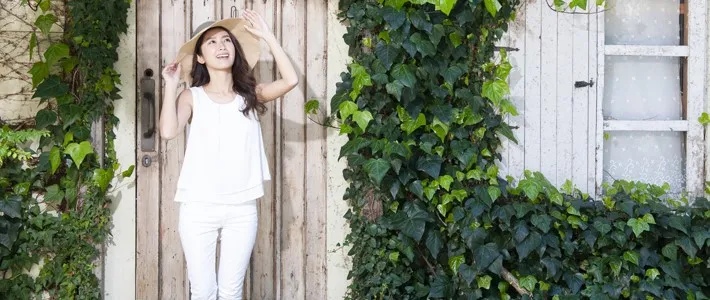
For summer travel in Okinawa, "staying cool" and "UV protection" are the keys to what you wear. As a rule, choose clothing made of breathable fabrics that absorb sweat easily!
Recommended items
Tops
Lightweight T-shirts, tank tops, blouses. Linen or cotton fabrics feel cool. Items with UV protection are recommended
Bottoms
Shorts, skirts, wide-leg pants. Choose breathable fabrics. For sun protection, longer lengths are also a good choice
Dresses
Choose ones made of cool-feeling fabrics. They are convenient because you can wear them on their own. Items with UV protection are recommended
Outerwear
A lightweight cardigan or stole comes in handy on days with strong sun or to deal with air conditioning. Items with UV protection are recommended
Hats
Essential for sun protection! Wide-brimmed hats and sun visors are recommended
Sunglasses
Choose a pair with UV protection that reduces glare and protects your eyes
Shoes
Comfortable sandals or sneakers are recommended. Note that beach sandals are hard to walk in anywhere other than on the sand. Also, as a tip for staying comfortable, always apply sunscreen of SPF50+ and PA++++. Don't forget to reapply it often
Insect repellent
Don't forget insect repellent spray or insect repellent patches
What to bring
Sweat wipes, a hat and a parasol come in handy
If you are going to the beach, bring a swimsuit, a towel, beach sandals and so on
Note
Summers in Okinawa are humid and muggy, so you will sweat easily.
The sun is strong, so be sure to take thorough sun protection measures.
The weather changes easily, so dress in a way that is easy to adjust.
What should you wear on a trip to Okinawa? Winter
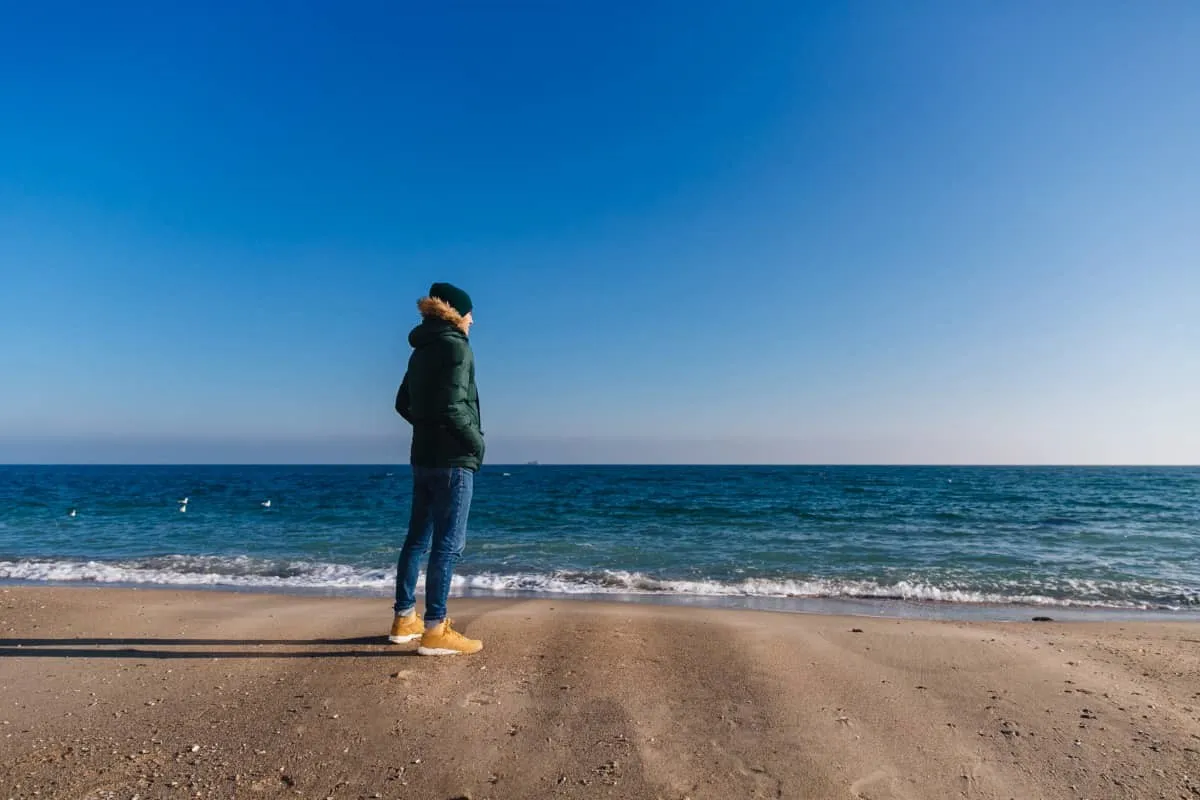
For winter travel in Okinawa, "warmth" and "layering" are the keys to what you wear. Winters in Okinawa are warmer than on the mainland, but mornings and evenings are still chilly. Even if it is warm during the day, a strong wind lowers the temperature you feel, so cold-weather protection is a must!
Clothing tips
Adjust by layering
To cope with changes in temperature, wear several thin layers. A thin down jacket also comes in handy.
Staying warm
Your neck, wrists and ankles in particular get cold easily, so keep them well protected with a scarf, gloves, socks and the like.
Rain protection
It can rain in Okinawa even in winter. A folding umbrella is handy.
Sun protection
The sun is strong even in winter, so it's reassuring to have sunscreen, a hat and sunglasses.
Recommended items
Tops
Lightweight long-sleeved shirts, cut-and-sew tops, fleece, knitwear and other things that add warmth. For cold protection, a down vest or a thin down jacket is also recommended
Bottoms
Jeans, chinos, corduroy pants and the like. If you wear a skirt, pair it with tights or leggings to stay warm
Outerwear
A thin down jacket, a coat, a cardigan and the like. It is best to choose fabrics that block the wind
Other
Scarf, hat, gloves, leggings, tights
Warm socks
Sunscreen, a hat, sunglasses
Note
In winter in Okinawa, the sun is strong and some days are windy. Indoors is often heated, so clothing that is easy to put on and take off is recommended. If you plan to get in the water, you will need a wetsuit, a rash guard or the like.
Okinawa trip clothing: spring
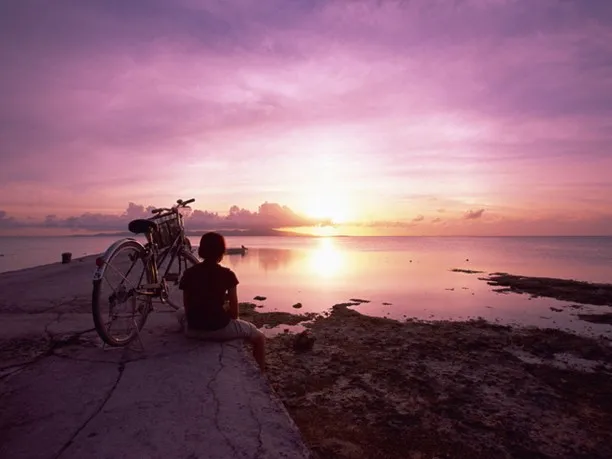
For spring travel in Okinawa, we recommend keeping "staying cool" and "UV protection" in mind when choosing what to wear.
Clothing tips
Adjust with outerwear
In spring in Okinawa, it can be warm during the day but chilly in the mornings and evenings.
By layering thin outerwear, you can cope with changes in temperature.
Breathable fabrics
Choosing fabrics that absorb sweat easily and are breathable will keep you comfortable.
Cotton and linen are recommended.
Sun protection
In spring in Okinawa, the sun and UV rays are strong.
Don't forget sunscreen, a hat, sunglasses and so on!
Recommended items
Tops
Lightweight long-sleeved shirts, cut-and-sew tops
Short-sleeved T-shirts, blouses
A cardigan or a lightweight jacket comes in handy.
Bottoms
Jeans, chinos, skirts and the like
On days with strong sun, choose longer lengths.
Outerwear
A lightweight jacket or cardigan. Handy on days with strong sun or to deal with air conditioning.
Other
Hat, sunglasses, sunscreen, stole
Note
Spring in Okinawa can be humid and muggy on some days. Expect to sweat and bring a change of clothes. The weather changes easily, so dress in a way that is easy to adjust. If you plan to get in the water, bring a swimsuit, a rash guard and the like. A flannel shirt is also lightweight and recommended for going out at night.
Tips for even more comfort
What to bring
Sunscreen, a hat, sunglasses, a stole
Sweat wipes
Insect repellent spray (handy even in spring)
Spring in Okinawa is a season of beautiful flowers and comfortable weather. Head out on your trip in comfortable clothes. During the rainy season, it is also handy to bring an umbrella.
What to wear on a trip to Okinawa: fall
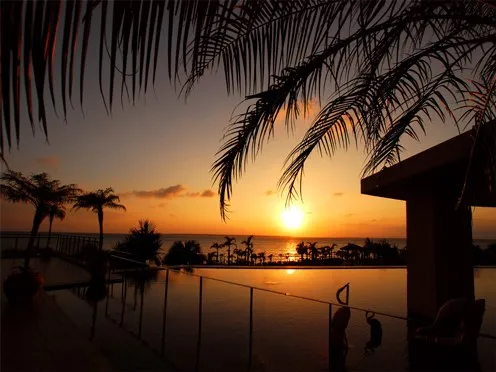
For fall travel in Okinawa, we recommend keeping both "comfort" and "sun protection" in mind when choosing what to wear.
Clothing tips
Adjust with long sleeves
In fall in Okinawa, it can be warm during the day but chilly in the mornings and evenings. Cope with changes in temperature by layering long-sleeved clothing.
Breathable fabrics
Choosing fabrics that absorb sweat easily and are breathable will keep you comfortable. Cotton and linen are recommended. A thin sweater is also useful for going out at night.
Sun protection
In fall in Okinawa, the sun is strong and the UV rays are still strong, so sunscreen, a hat, sunglasses and the like are essential.
Recommended items
Tops
Lightweight long-sleeved shirts, cut-and-sew tops
Short-sleeved T-shirts, blouses
A cardigan or a lightweight jacket comes in handy.
Bottoms
Jeans, chinos, skirts and the like
On days with strong sun, choose longer lengths
Outerwear
A lightweight jacket, a cardigan
Handy on days with strong sun or to deal with air conditioning.
Other
Hat, sunglasses, sunscreen, stole, a thick jacket
Note
Fall in Okinawa can be humid and muggy on some days.
Expect to sweat and bring a change of clothes. The weather changes easily, so dress in a way that is easy to adjust.
If you plan to get in the water, bring a swimsuit, a rash guard and the like.
Tips for even more comfort
What to bring
Sunscreen, a hat, sunglasses, a stole, jeans, a lightweight jacket
Fall in Okinawa has comfortable weather and the sea is beautiful too. Travel in comfortable clothes.
About the rainy season in Okinawa
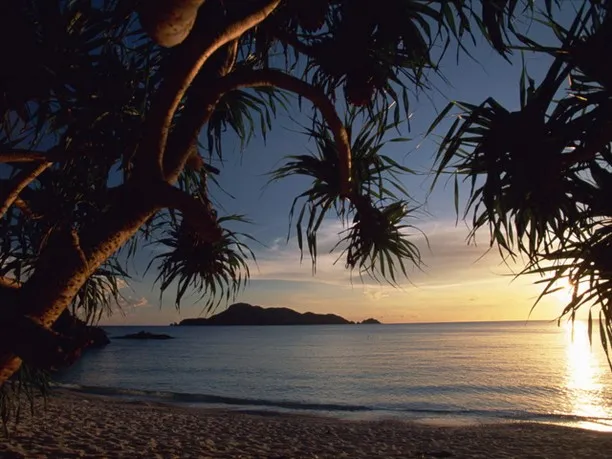
Okinawa's rainy season lasts about a month and a half, from late May to early July.
Characteristics
Humid, damp, muggy days continue: Unlike the rainy season on the mainland, Okinawa's rainy season brings days of high humidity and damp, muggy weather. The temperature you feel is also high, and it often feels uncomfortable.
Rain on and off
It tends to rain on and off, with many cloudy days and few clear ones.
Squalls
Sudden, heavy squalls are also a feature. They can turn into torrential downpours in a short time, so caution is needed.
An Okinawa trip during the rainy season
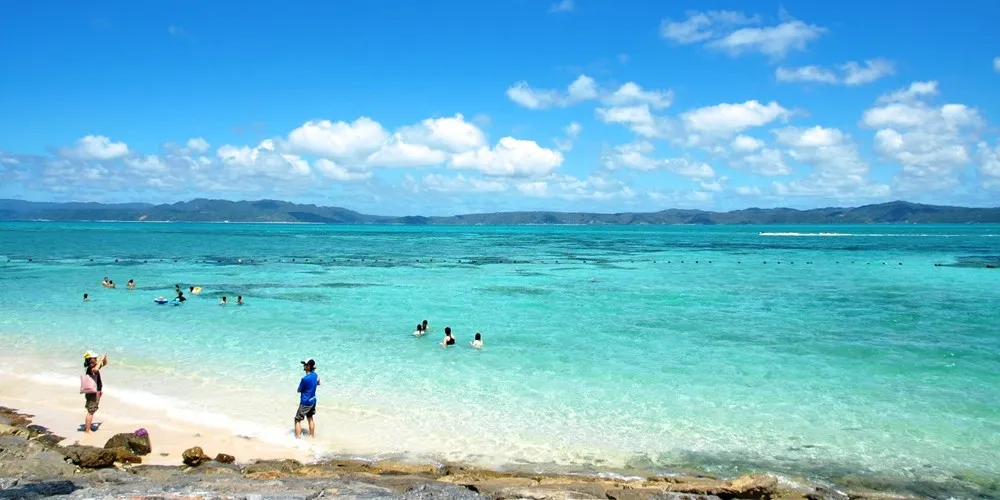
The advantages are fewer crowds, a more relaxed stay, and hotels and flights that can be booked relatively cheaply.
The scenery is lush and green and you can enjoy waterside views, among other things. The disadvantages are that the weather is unstable, you may not be able to sightsee as planned, outdoor activities are restricted, and the humidity is high.
Tips for enjoying an Okinawa trip during the rainy season
Prepare rain gear
Don't forget an umbrella, a raincoat, a waterproof bag and so on.
Indoor sightseeing
If you look up indoor attractions such as art museums, museums and aquariums in advance, you can enjoy your trip regardless of the weather.
Clothing
Choose clothing made of breathable fabrics that absorb sweat easily. A cardigan or a thin sweater also comes in handy.
Health management
Drink fluids often and take care of your health.
Squall preparations
In case of squalls, check in advance for places where you can take shelter from the rain. A trip to Okinawa during the rainy season is easily affected by the weather, but it also has the advantage of fewer crowds and a more relaxed stay. Prepare thoroughly in advance and make it an enjoyable trip whatever the weather.
When is typhoon season in Okinawa?
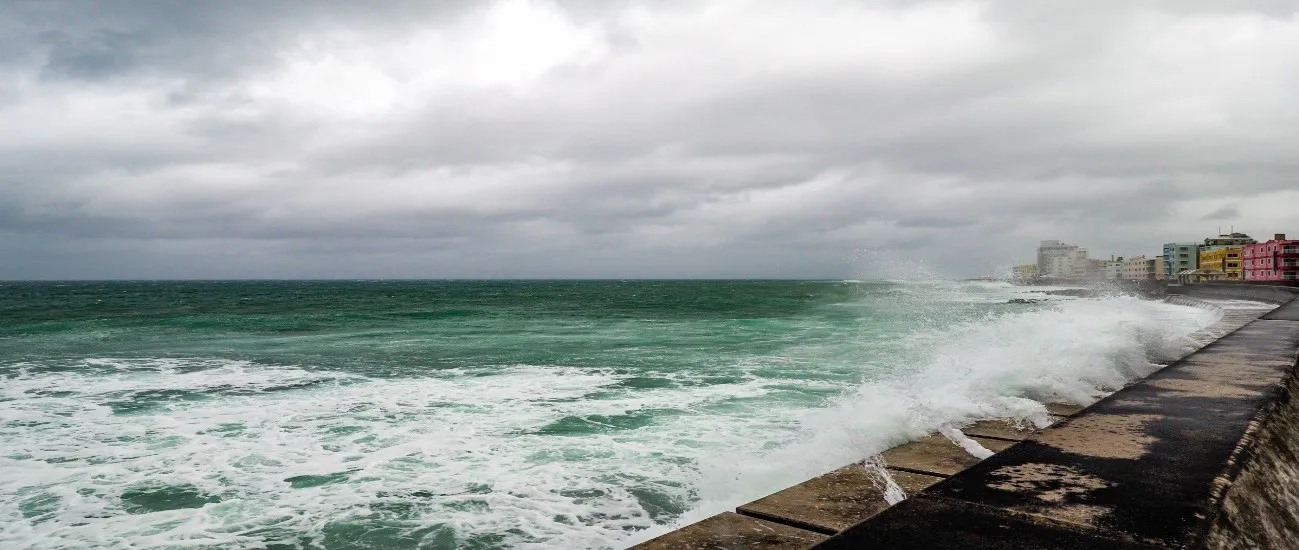
Typhoon season in Okinawa is said to run from late May to early November.
In particular, the number of typhoons that form and approach tends to be higher from September to October, so caution is needed.
However, the number of typhoons each year differs, and the timing can shift somewhat as well.
When planning a trip to Okinawa, it is important to check the latest weather information and keep track of typhoon conditions.
Check in advance by referring to the Japan Meteorological Agency website and the latest information from travel agencies and airlines.
Sun protection
Sun protection on an Okinawa trip is really important!
Getting a bright red sunburn would ruin your trip. Take thorough precautions and enjoy the beautiful scenery.
Sun protection tips
Sunscreen is a must
Choose a sunscreen of SPF50+ and PA++++, and reapply often on areas that burn easily, such as your face, neck, arms and legs. A waterproof type is recommended if you will be in the sea or a pool.
After you apply sunscreen, sweating or wiping with a towel reduces its effect, so reapply often.
Hat and sunglasses are essential
Choose a hat that covers your whole face, such as a wide-brimmed hat or a cap, and protect your eyes with sunglasses that have UV-blocking lenses.
UV rays in Okinawa are strong all year round, so for women we also recommend bringing cosmetics for skin care.
Think about your clothing too
Wear clothing that blocks the sun, such as a lightweight long-sleeved shirt or cardigan.
White and light-colored clothes reflect sunlight easily and help prevent sunburn.
Wrapping a UV-protective stole or neck guard around your neck is also effective.
A long-sleeved shirt is also handy to have.
Make use of shade
During the hours when the sun is strong, rest in the shade and look for places that shelter you from the sun, such as under trees or inside buildings.
Drink fluids often
Sunscreen washes off with sweat and water, so drinking fluids often is also important, and staying hydrated also helps release heat from your body.
Buy mineral water regularly nearby and drink it. Tap water can be a bit of a risk while traveling.
Don't forget aftercare
After a sunburn, cool and moisturize your skin to calm it. Aloe vera gel and after-sun care cream are recommended. Especially
after beach activities, you'll want to be sure you can always take care of your skin.
Sun protection items
Sunscreen
Hat
Sunglasses
UV-protective hoodie
UV-protective stole
Arm covers
Leg covers
Sunscreen spray
After-sun care cream
The sun in Okinawa is strong, so take thorough sun protection measures, and reapply sunscreen regularly as part of your skin care.
How late in the year can you swim in the pool or sea on an Okinawa trip?
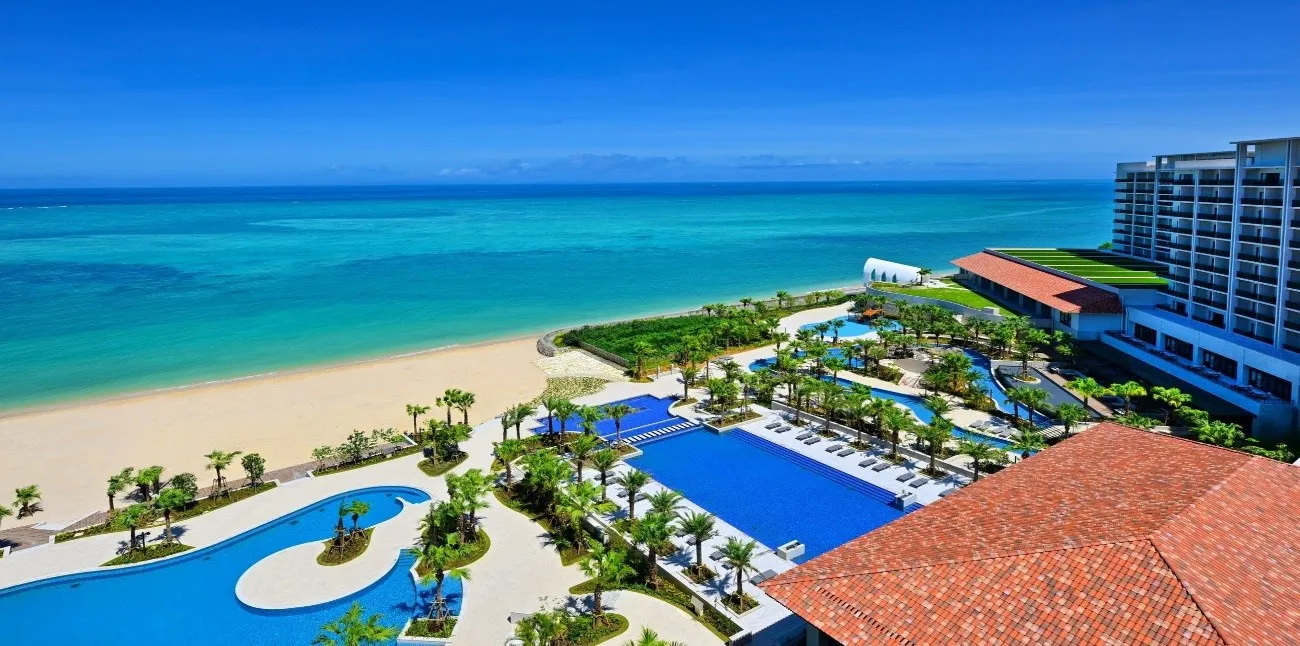
You can generally swim in Okinawa's pools and sea from around April to around November!
However, water temperature and weather vary greatly depending on the time of year, so it is important to check in advance.
Rough guide
April to early May
The water is on the cool side, but the sun is getting stronger, so be sure to take thorough sun protection measures.
Late May to June
This is the rainy season and it often rains, but on sunny days you can enjoy swimming in the sea.
July to September
The sea temperature rises and it becomes the full-fledged swimming season. Many tourists visit, from the city to the beaches, so this is the busiest time.
October to November
The water temperature gradually begins to drop, but you can still enjoy swimming.
Points to note
Typhoon season
September to October is typhoon season, so watch the weather.
Water temperature
Water temperature varies by location and time of year, so check in advance.
Weather
The weather in Okinawa changes easily, so check the latest weather information. It is wise to avoid traveling during typhoon season or the rainy season as much as possible.
Tips for staying comfortable
Check the water temperature
Check the water temperature in advance and decide whether you need cold protection such as a wetsuit.
Watch for changes in the weather
The weather can change suddenly, so keep an eye on the latest weather information and put safety first.
Have a wonderful Okinawa trip
Recommended clothing for sightseeing in Okinawa all year round
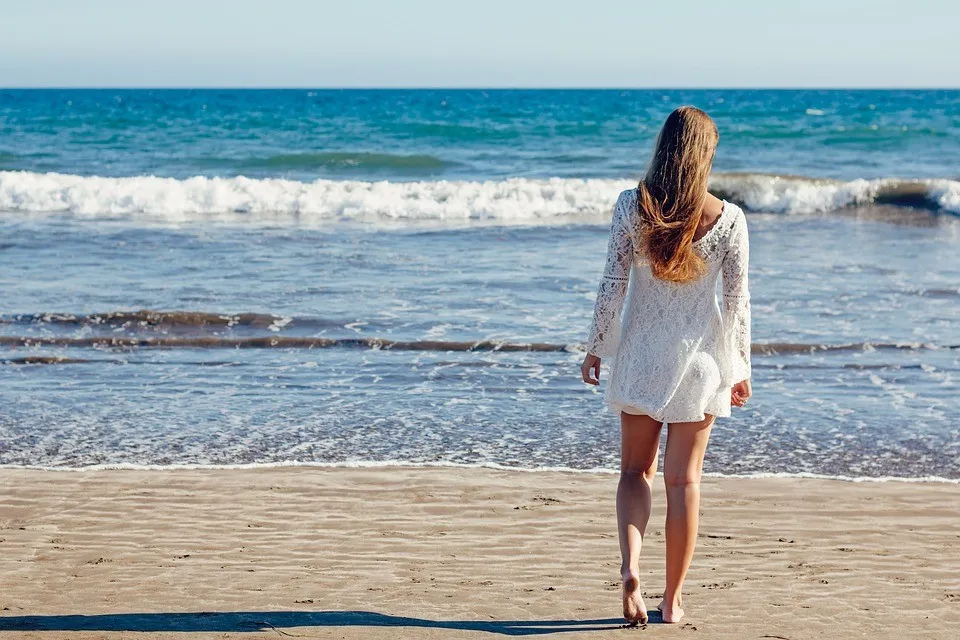
What you should wear for sightseeing in Okinawa varies greatly depending on the time of year, the place and your plans. Make wonderful memories of your Okinawa trip in clothes that keep you comfortable!
Recommended clothing by season
Spring (March to May)
It is warm during the day and chilly at night, so it's reassuring to have something to throw on. A lightweight long-sleeved shirt, a cardigan and a stole are recommended. The sun gets stronger, so don't forget to bring UV protection.
Summer (June to September)
Temperatures and humidity are both high, so breathable clothing is the most comfortable. T-shirts, shorts and dresses are recommended. Sun protection is a must! Don't forget sunscreen, a hat, sunglasses and so on.
Fall (October to November)
It is comfortable during the day, but mornings and evenings are chilly, so layering is recommended. A lightweight long-sleeved shirt, a cardigan, a stole and jeans are recommended, and rain gear is a must.
Winter (December to February)
You can stay comfortable during the day, but it gets cold at night. Warm clothing such as a down jacket, a long-sleeved shirt, a sweater and a coat is needed. Take thorough measures against the cold so you don't catch a cold. Nights in particular get quite chilly even in Okinawa. A thick jacket also comes in handy on days with strong sea breezes.
Recommended clothing by location
Beach
A swimsuit, a rash guard, sandals, a hat, sunglasses and the like are recommended, and always keep sun protection in mind.
Sightseeing spots
Choose clothing that is easy to move in. Jeans, skirts, dresses and other easy-to-walk-in clothing are recommended. The sun is strong, so a hat and sunglasses come in handy.
Indoor facilities
The air conditioning is often on, so it's reassuring to have something light to throw on.
Packing checklist
Sunscreen
Hat
Sunglasses
Rain gear
Something light to throw on
Shoes that are easy to move in
Something for staying hydrated
Summary
So, what did you think?
Okinawa has many beaches and sights, and you can enjoy sightseeing all year round.
Okinawa is humid and you sweat easily, so clothing made of moisture-wicking, quick-drying fabrics is recommended.
The sun is strong, so take thorough sun protection measures, and since the weather changes easily, dress in a way that is easy to adjust.
If you are fully prepared, you can change your clothing depending on the situation and enjoy a healthy trip.
UV rays are strong all year round, so be sure to bring sunscreen.
We also recommend bringing sunglasses and, when traveling and sightseeing at the same time, keeping to lightweight clothing that is easy to move in.