
When planning a trip to Okinawa, choosing the right time to go is key to enjoying a rich, fulfilling trip while keeping costs down.
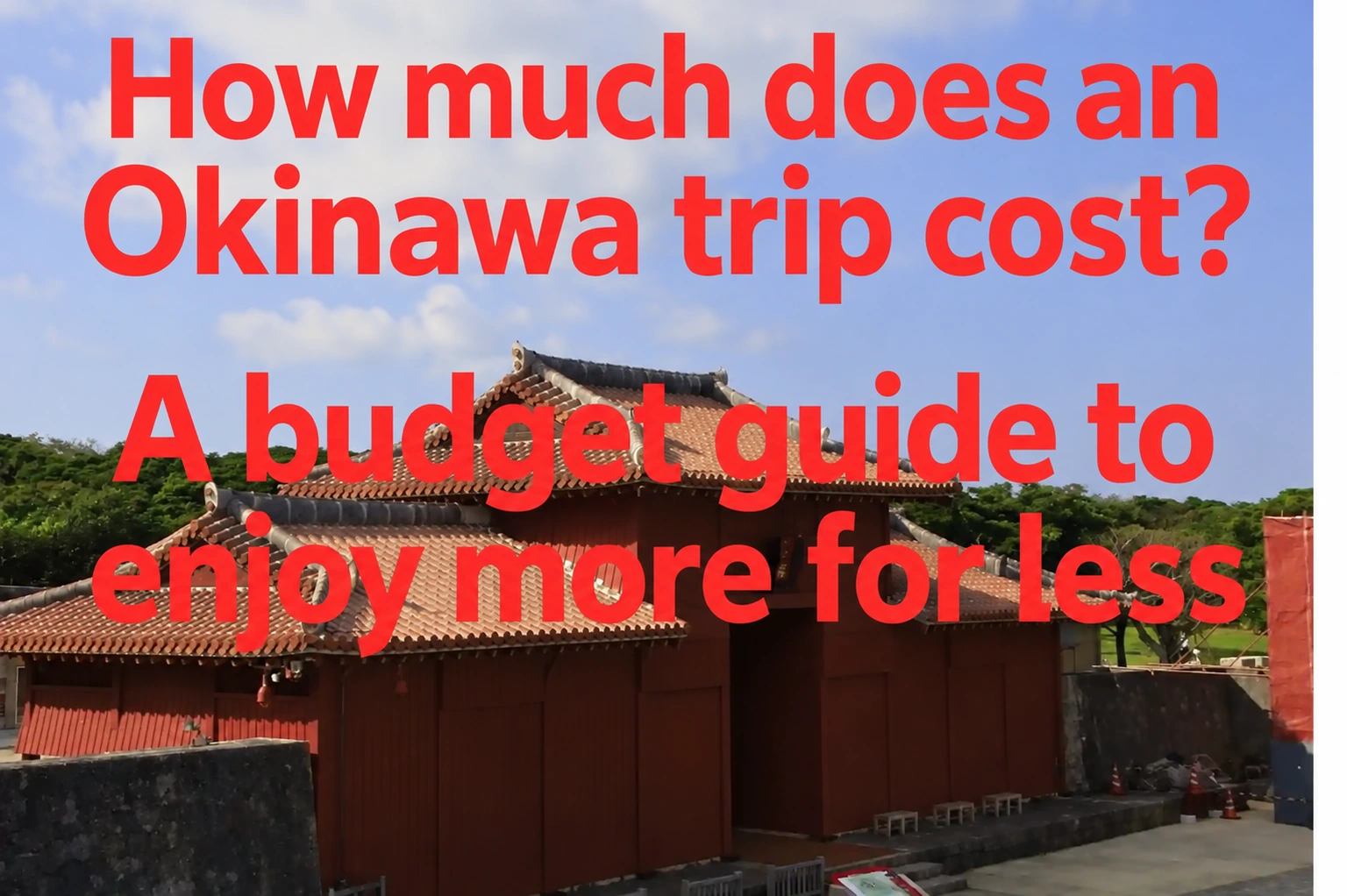
In this article, we explain in detail when Okinawa trips are cheapest and why, how to enjoy each season, and tips for saving money.
Use this information to put together the best travel plan for you.
When Okinawa trips are cheapest and why
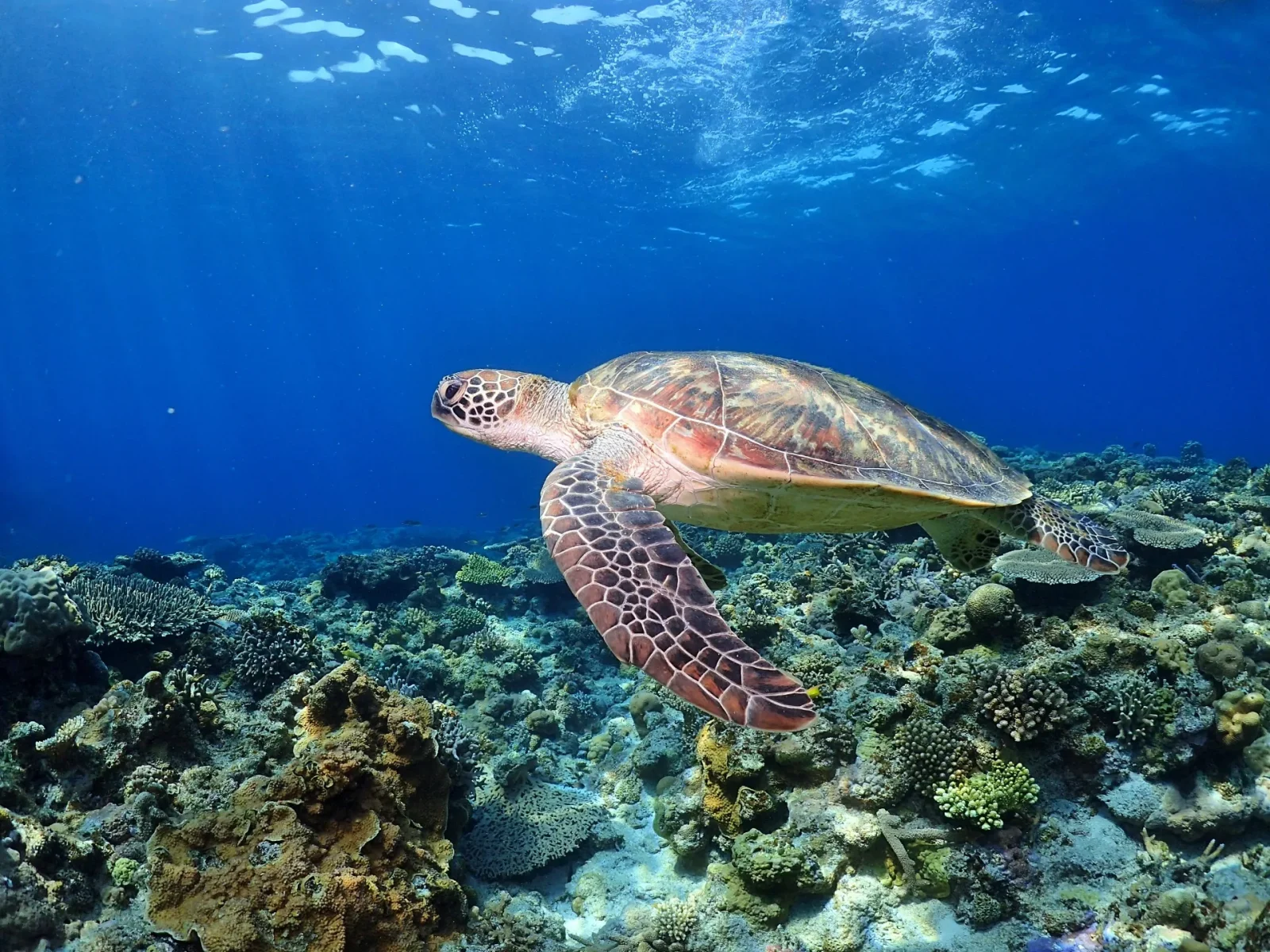
The cost of an Okinawa trip varies greatly depending on when you visit.
Below is a summary of the periods when costs tend to be lower, along with the reasons.
| Period | Reason |
|---|---|
| Mid-December to January (excluding the New Year holidays) | The school trip season is over, so travel demand drops. |
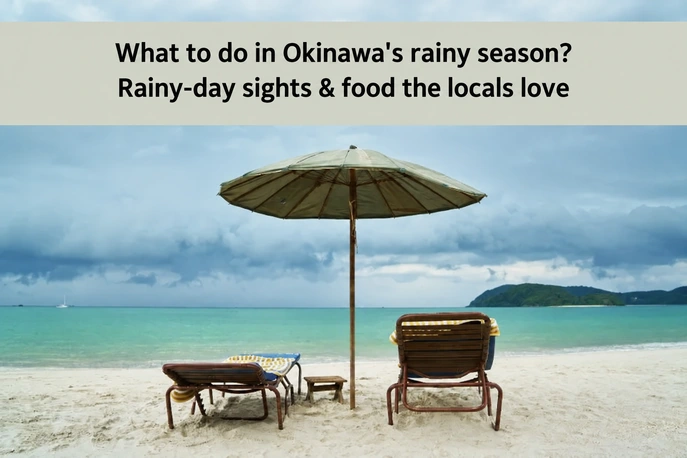
| Mid-May to mid-June (after Golden Week) | It is the rainy season, so there are fewer tourists. |
| October to November | The typhoon season has passed and the weather starts to settle, but the number of tourists falls. |
During these periods, airfares and accommodation tend to be relatively cheaper.
However, prices may vary depending on the weather and events, so it is important to check the latest information.
How to enjoy Okinawa in each season
Even in the cheaper seasons, Okinawa has its own seasonal charms. Here is how to enjoy each season.
Winter (mid-December to January)
Winter in Okinawa is milder than on the main island of Japan, with an average temperature of around 17°C.
The following activities are recommended during this season.
- Whale watching: From January to March, humpback whales visit the waters around Okinawa.
- Cultural experiences: At places such as Shuri Castle and Ryukyu Village, you can get a feel for Okinawa's history and culture.
Spring (mid-May to mid-June)
It is the rainy season, but the rain tends to come in short spells and rarely gets in the way of sightseeing.
Here is how to enjoy this season.
- Marine activities: The sea temperature begins to rise, and you can enjoy snorkeling and diving.
- Local food: You can savor dishes made with seasonal ingredients such as bitter melon (goya) and mango.
Autumn (October to November)
The typhoon season has passed and the weather is stable. Here is how to enjoy this season.
- Beach resorts: Ideal for swimming in the sea or relaxing on the beach.
- Events: Traditional festivals and events are held around the island.
Tips for keeping your Okinawa trip costs down
Here are some points for keeping your travel costs down.
- Book early: Discounts may apply to flights and accommodation if you reserve them early.
- Use a package tour: Tours that bundle flights and accommodation can sometimes be a better deal than arranging them separately.
- Travel on weekdays: Avoiding weekends and long holidays and traveling on weekdays helps keep costs down.
- Use public transportation: Instead of renting a car, you can save on transportation costs by using buses and the monorail.
To enjoy an Okinawa trip at a good price, choosing when to visit is important.
Mid-December to January, mid-May to mid-June, and October to November are the periods when costs are relatively low.
Use the ways to enjoy each season and the money-saving tips above to plan a fulfilling trip.
Recommended sightseeing plans for Okinawa's cheaper travel seasons
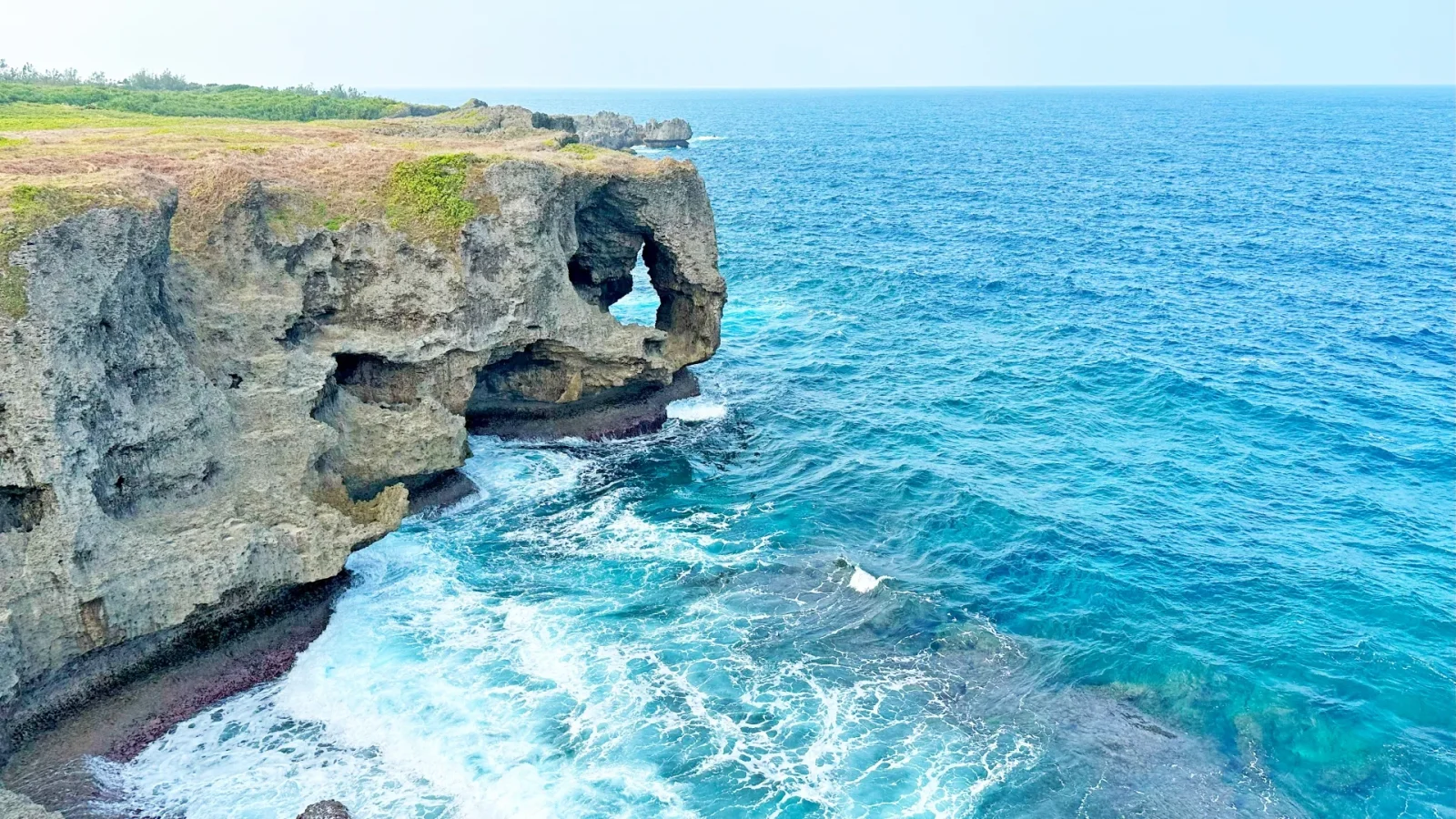
We suggest sightseeing plans for each season to help you make the most of the cheaper periods and enjoy Okinawa efficiently.
Use the plan that suits each season to enjoy a rich travel experience while keeping costs down.
| Activity | Time required | Highlights |
|---|---|---|
| Visiting Shuri Castle | Half a day | A sightseeing landmark where you can learn about history and experience Okinawan culture. |
| Whale watching | Half a day | January to March only. Enjoy the spectacular jumps of humpback whales. |
| Strolling Kokusai-dori Street | A few hours | A great spot for Okinawan souvenirs and local cuisine. |
Features of the winter plan
In winter there are fewer tourists and accommodation and airfares get cheaper, so it is also a good time to relax at a resort hotel.
The mild climate also makes sightseeing easy, so you can enjoy a relaxing winter trip.
Spring (mid-May to mid-June): Activities and nature exploration between the rains
| Activity | Time required | Highlights |
|---|---|---|
| Blue Cave diving | Half a day | A popular spot where you can enjoy diving in a mysterious cave. |
| Okinawa Churaumi Aquarium | 1 day | One of the largest aquariums in the world. The whale sharks are breathtaking. |
| Exploring the Yanbaru area | 1 day | Observe the ecosystem of a subtropical forest. Recommended for nature lovers. |
Features of the spring plan
It is the rainy season, but the trick is to aim for days without rain and enjoy short activities.
Making use of indoor attractions will also help you enjoy your trip comfortably.
Autumn (October to November): Plenty of activities in comfortable weather
| Activity | Time required | Highlights |
|---|---|---|
| Relaxing at the beach | 1 day | A perfect season for swimming in the sea or reading on the beach. |
| Island hopping (Ishigaki Island and Miyako Island) | 1 to 2 days | Spend relaxed time on the outlying islands, which are relatively quiet in autumn. |
| Joining a traditional festival | A few hours to 1 day | Take part in traditional festivals held around the island and experience Okinawan culture. |
Features of the autumn plan
From October to November, the impact of typhoons lessens and the weather is stable, making it a good time for sightseeing.
Beach resorts can also still be enjoyed, so you can spend your time at a relaxed pace.
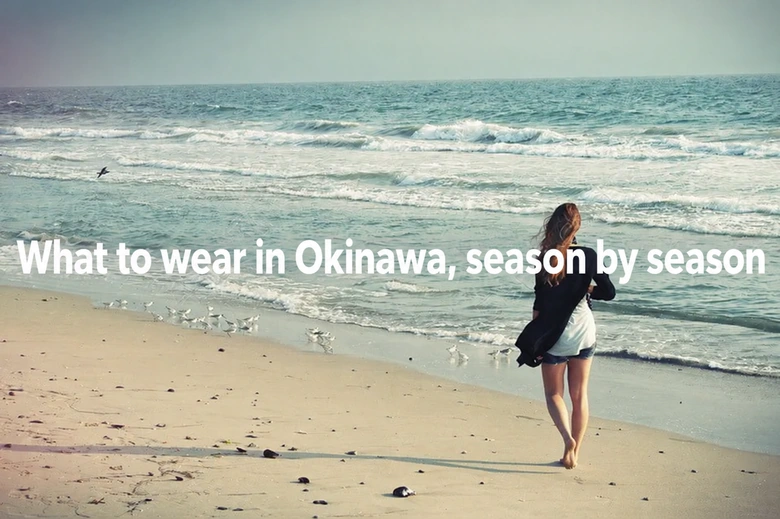
Okinawa weather and what to wear: points to check before your trip

The weather in Okinawa differs depending on the time of year and the area you visit.
Before your trip, check the weather and temperatures and prepare suitable clothing so you can stay comfortable.
| Season | Average temperature | Clothing tips |
|---|---|---|
| Winter | 15 to 20°C | A light jacket is enough. Mornings and evenings can be a little chilly. |
| Spring | 20 to 25°C | Light clothing is enough, but since it is the rainy season, a folding umbrella gives peace of mind. |
| Autumn | 25 to 30°C | You can get by in summer clothes, but nights get a little cooler, so a light jacket comes in handy. |
Checklist for enjoying Okinawa on a budget
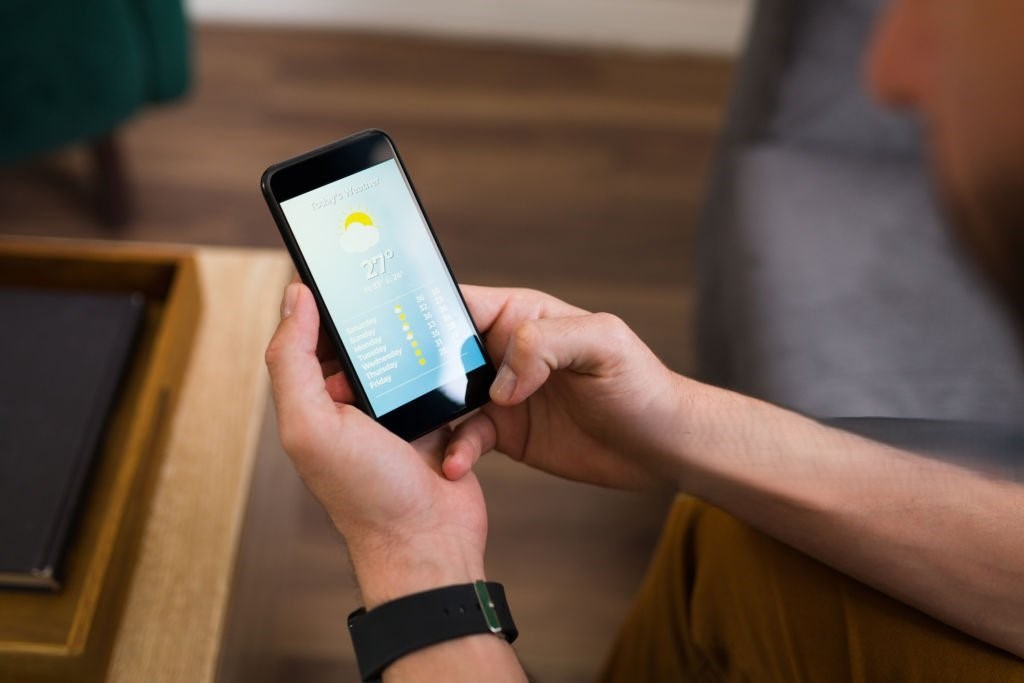
- Book early: Especially in the cheaper seasons, popular inns and activities fill up quickly, so booking early is key.
- Use budget tours: Packages that combine accommodation and flights are ideal for keeping costs down.
- Use coupons: Look up coupons for tourist facilities and activities in advance and use them.
- Save on food: Buy ingredients at local supermarkets and markets, and cut costs by cooking for yourself or eating light meals.
Use Okinawa's cheaper seasons and travel smart
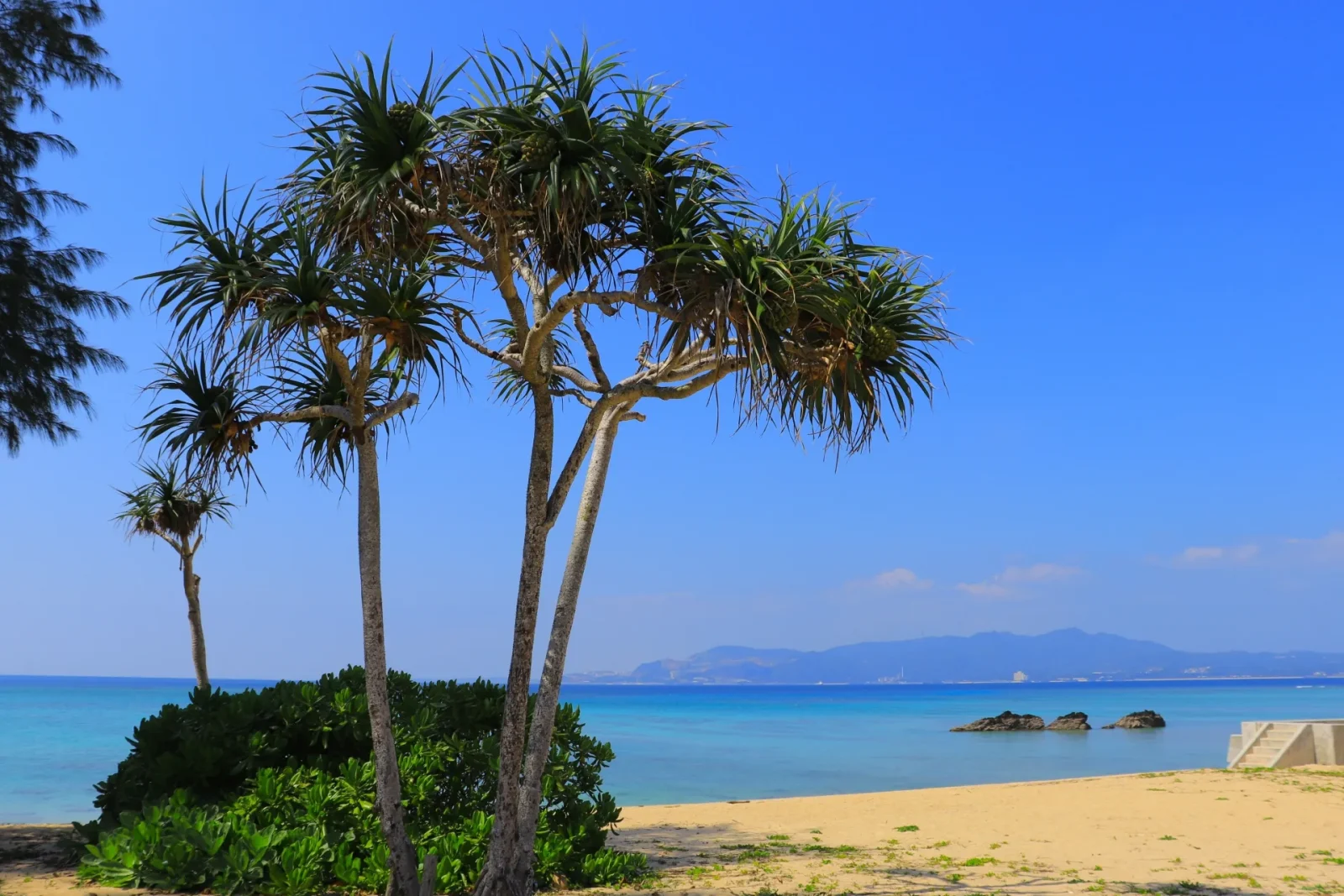
To enjoy an Okinawa trip while keeping costs down, it is important to choose the cheaper seasons wisely.
Even in the cheaper seasons, including sightseeing and activities that take advantage of each season's charms makes for a fulfilling, great-value trip.
Sample costs for each season in Okinawa and money-saving tips
When making a travel budget, it is important to know concretely how much things will cost.
Here we simulate the cost of an Okinawa trip for each season and introduce ways to save.
Cost simulation by season
| Season | Flight (round trip) | Accommodation (per night) | Food (per day) | Rental car (per day) | Total (3 nights and 4 days) |
|---|---|---|---|---|---|
| Winter (mid-December to January) | About 20,000 yen | About 7,000 yen | About 3,000 yen | About 5,000 yen | About 63,000 yen |
| Spring (mid-May to mid-June) | About 18,000 yen | About 6,500 yen | About 3,500 yen | About 4,500 yen | About 60,500 yen |
| Autumn (October to November) | About 22,000 yen | About 8,000 yen | About 3,000 yen | About 5,000 yen | About 67,000 yen |
Tips for keeping costs down
- Buy flights early: Discounts often apply if you book early, so it is best to secure your flights as early as possible.
- Compare accommodation: Consider not only hotels but also guesthouses and private lodgings (minpaku). They can keep accommodation costs low.
- Save on food: Shop at local supermarkets and enjoy self-catered meals or picnic-style meals to save on food costs.
- Use public transportation: Using public transportation such as the monorail and buses instead of a rental car is also a way to save.
Insider tips and information for enjoying Okinawa even more
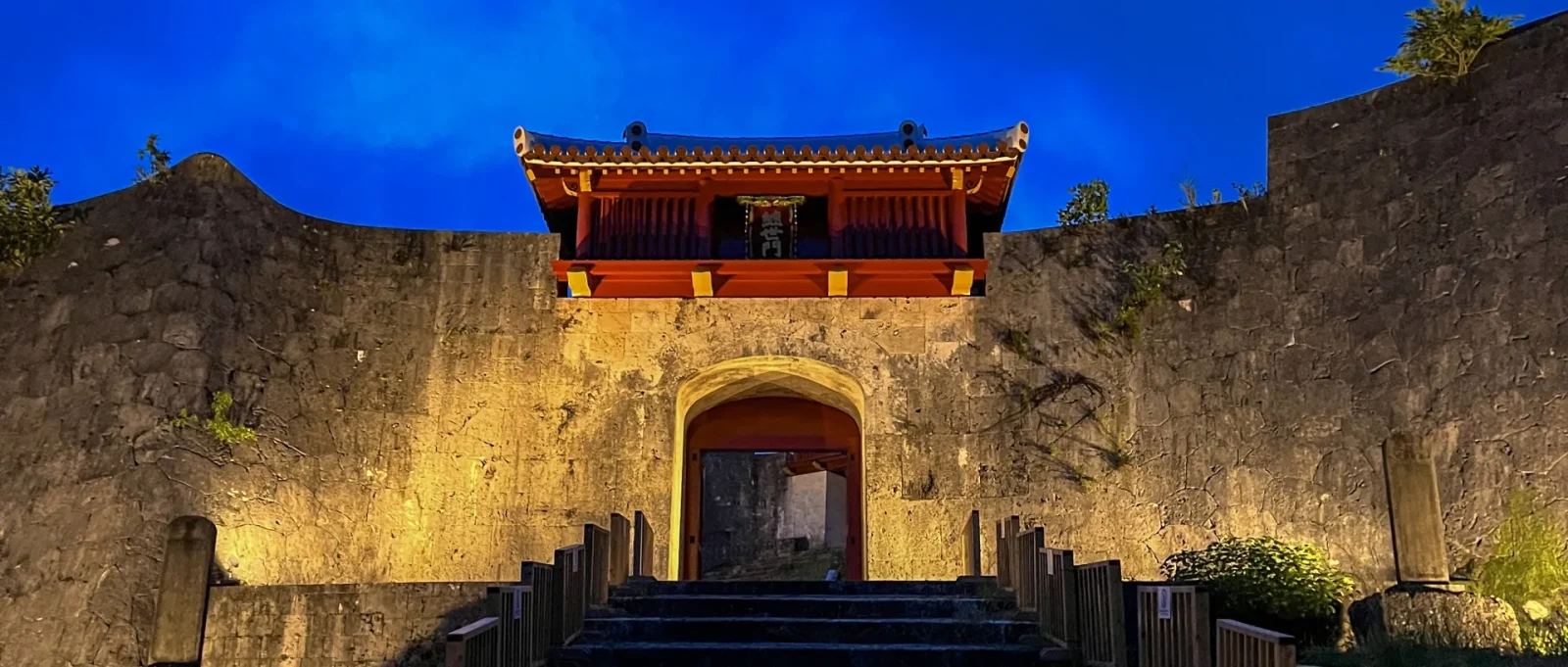
With Okinawa's sightseeing spots, accommodation and transportation, there are ways to get a better deal with just a little ingenuity.
Here are some tips and information that will help when planning your trip.
1. Use local coupon sites
Check in advance for sites that distribute coupons for tourist facilities and restaurants, and find places where you can get discounts.
Using coupons can lower the cost of activities and meals.
2. Gather information at tourist information centers
There are tourist information centers at Naha Airport and tourist spots, offering the latest information and local event guides for free.
You may also be able to get discount tickets and money-saving passes there, so it is a good idea to stop by after you arrive.
3. Use short-term travel passes
You can keep transportation costs down by buying passes for short stays, such as IC cards like OKICA that can be used on Okinawa's public transportation, or unlimited-ride passes for the monorail.
Points to watch when planning your Okinawa trip
To make your Okinawa trip a success, there are points to be careful about at the planning stage.
The following are especially worth keeping in mind.
- Watch out for typhoon season: August to September is typhoon season and can affect your travel plans, so check weather information and make sure you can adjust your schedule.
- Avoid peak accommodation periods: Accommodation costs rise in tourist seasons such as Golden Week and summer vacation, so it is best to aim for the off-season whenever possible.
- Book transportation early: If you need a rental car, demand is especially high in tourist seasons and cars book up easily. Arrange your transportation early as well.
Okinawa trip summary
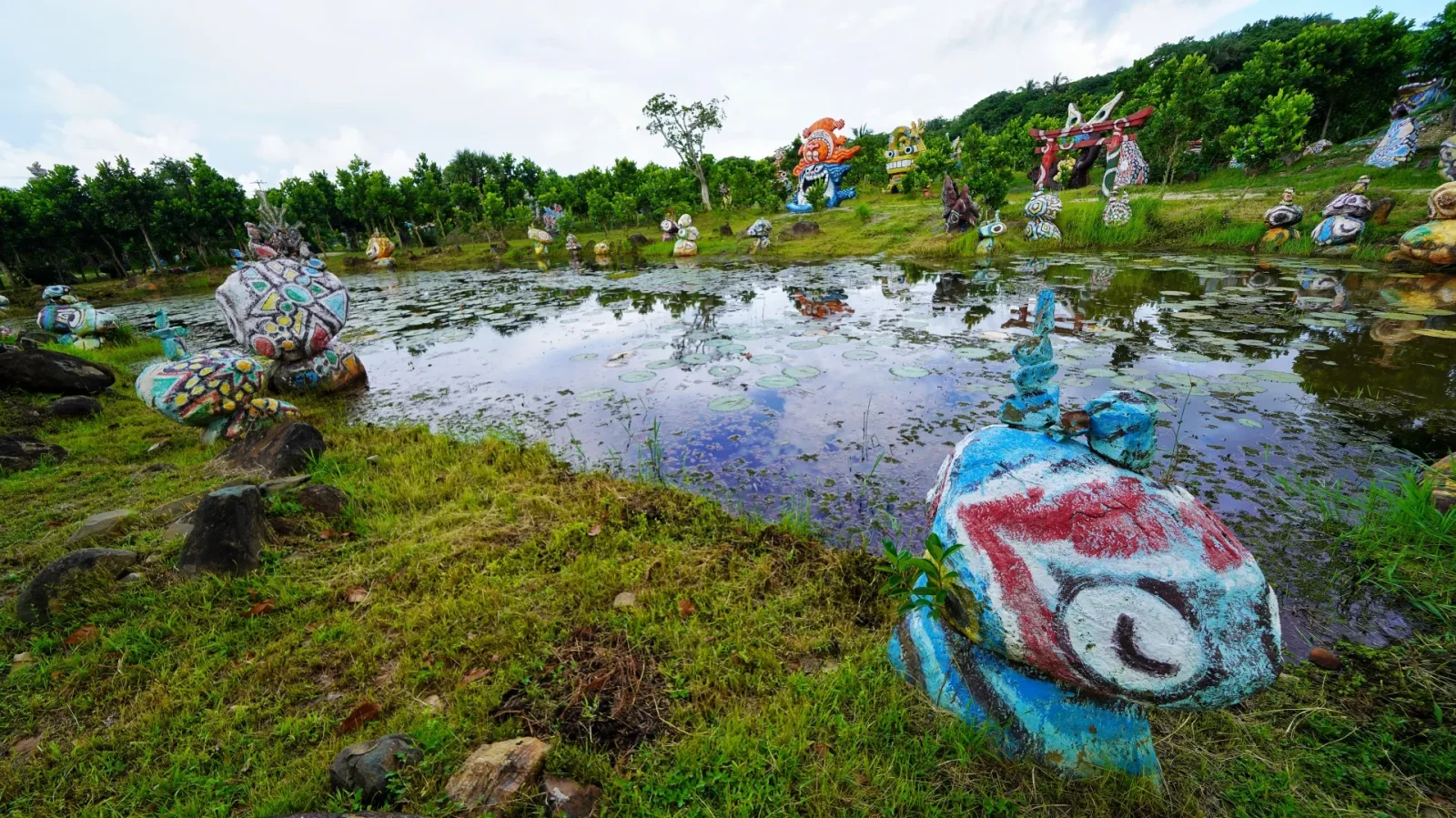
The way to enjoy Okinawa differs by season, so the key is to make a plan that suits your own travel style.
Use the cheaper seasons to keep costs down while fully enjoying each season's charms: cultural experiences in winter, nature exploration in spring, and beach resorts in autumn.
Also make good use of coupons, early booking and local information to plan a fulfilling Okinawa trip.
Recommended areas to stay in Okinawa and how to stay cheaply
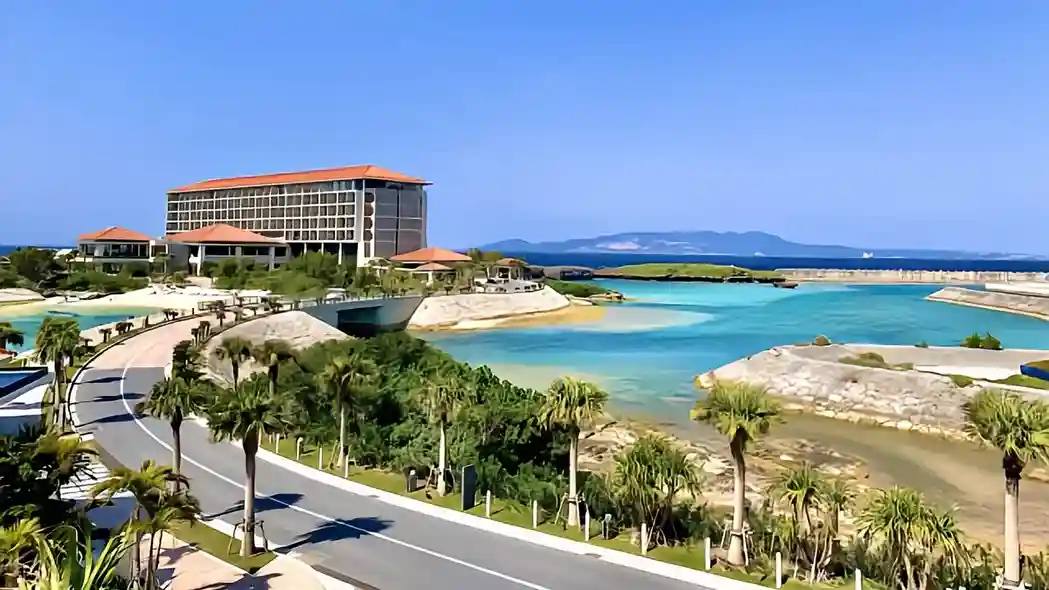
Okinawa has a variety of areas to stay in, and each area has its own character and accommodation prices.
Choose the best area for your purpose and budget, and stay comfortably while keeping costs down.
| By area | Features | Highlights |
|---|---|---|
| Naha area | The center of the main island of Okinawa, with plenty of shopping and dining spots. | Very convenient for sightseeing facilities and transportation, ideal for short stays and business trips. |
| Northern area (Motobu and Nago) | Known for beautiful beaches and nature, with relatively fewer tourists. | Enjoy a resort feel in a quiet setting. Recommended for family trips and couples. |
| Central area (Onna Village and Ginowan) | Many resort hotels, with plenty of beaches and activities. | Perfect for those who want marine sports and active experiences. |
| Outlying islands (Miyako Island and Ishigaki Island) | The charm of island nature, with a sense of escape from everyday life. | For those who want to fully enjoy the sea and nature. Prices can change easily with the season. |
Tips for keeping accommodation costs down
- Use guesthouses and dormitories: If your budget is limited, staying in a guesthouse or dormitory-style accommodation in the Naha area makes it possible to stay for a few thousand yen per night.
- Take advantage of hotel weekday plans: Staying on weekdays instead of weekends and long holidays often lowers accommodation rates. Seasonal campaigns can save you even more.
- Check coupons and discount plans on travel sites: Each travel booking site has limited coupons and seasonal discount plans. Compare several sites in advance to find the best deal.
Recommended local food in Okinawa
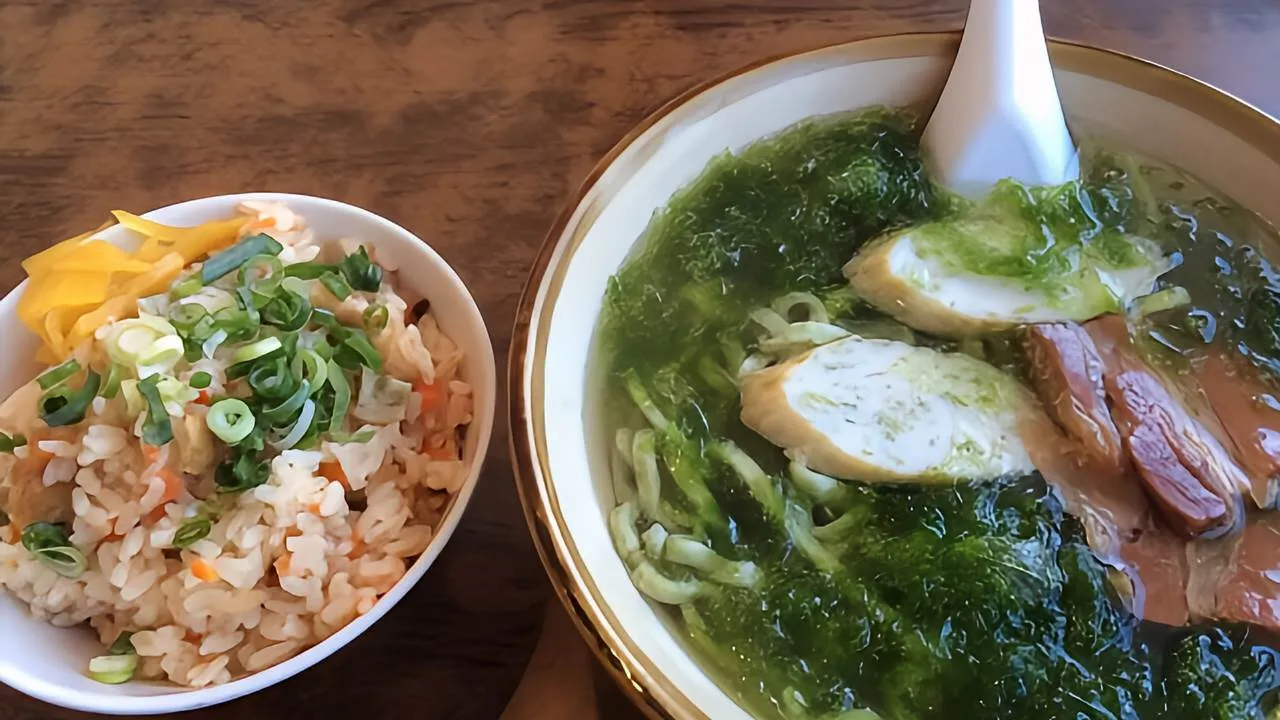
Food experiences are an essential part of enjoying a trip.
Okinawa has a wealth of unique dishes and ingredients not found in other regions.
Savoring local food you can only taste there will make your Okinawa trip memories even deeper.
Classic dishes to try in Okinawa
| Food | Recommended way to enjoy / where | Highlights |
|---|---|---|
| Okinawa soba | Enjoy it at a local soba specialty shop | Known for its distinctive wheat noodles and pork broth. Plenty of toppings to choose from. |
| Taco rice | Easy to enjoy at cafes and fast-food restaurants | A dish from Okinawa that adapts Mexican-style tacos into a rice dish. |
| Goya champuru | Enjoy it at izakaya and home-style diners | A bitter stir-fry made with bitter melon (goya). Highly nutritious and popular with locals too. |
| Agu pork dishes | Served at restaurants and izakaya | A rare pork from Okinawa, with sweet, juicy fat. |
Tips for saving on food
- Eat at local diners: Restaurants in tourist areas tend to be pricey, but at small local diners and izakaya you can enjoy authentic Okinawan food at reasonable prices.
- Buy local ingredients at supermarkets: Okinawan supermarkets sell fresh local ingredients and prepared dishes. Using what you buy there to cook for yourself or have light meals is also a good way to cut costs.
Free sightseeing spots in Okinawa
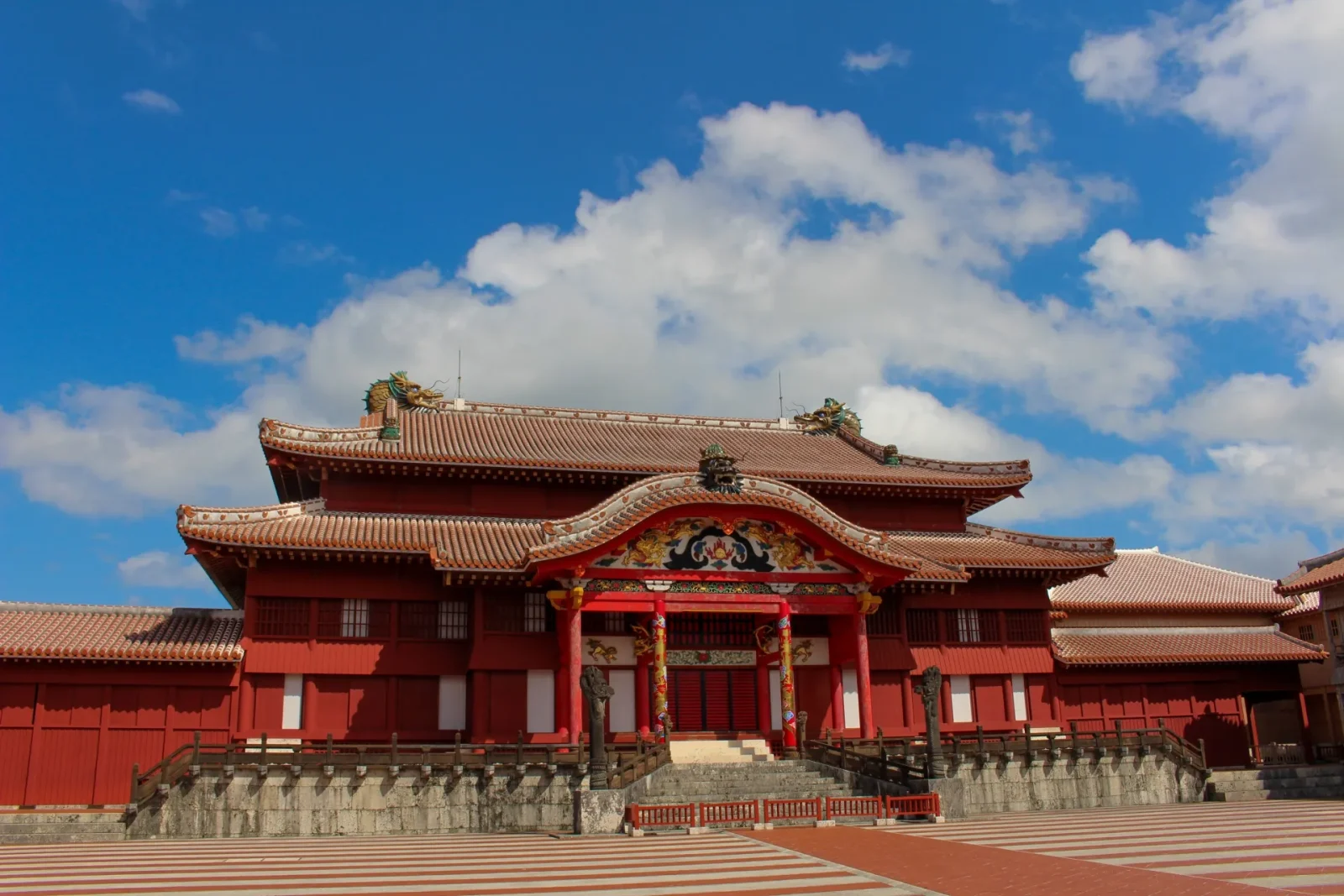
For those who want to keep costs down, free sightseeing spots are very appealing.
Okinawa has many scenic spots rich in nature and historic landmarks that you can enjoy without spending much.
List of free sightseeing spots in Okinawa
| Spot | Features | Highlights |
|---|---|---|
| Shuri Castle Park (surrounding area) | You can view the exterior of Shuri Castle and the park grounds for free | Ideal for a walk that lets you feel history and Okinawan culture |
| Manzamo | A tourist landmark with sweeping views of great nature | The contrast between the beautiful sea and the cliffs is the charm |
| Beaches (Araha Beach, Emerald Beach, etc.) | Beaches at tourist areas are free to enter | You can enjoy snorkeling and strolling along the beach |
| Peace Memorial Park | A symbol of peace that conveys the memory of the Battle of Okinawa | A valuable place to learn by encountering history |
Tips for enjoying free spots
- Visit early in the morning or in the evening: By choosing times when there are fewer tourists, you can enjoy the scenery in a quieter atmosphere. Watching the sunrise or sunset is also a special experience.
- Relax at the beach or park: Especially at beaches and parks, spending relaxed time in nature lets you fully enjoy Okinawa's sense of openness. Bringing sunscreen and drinks and spending a long, leisurely time there is also recommended.
Summary: Enjoying Okinawa with great value
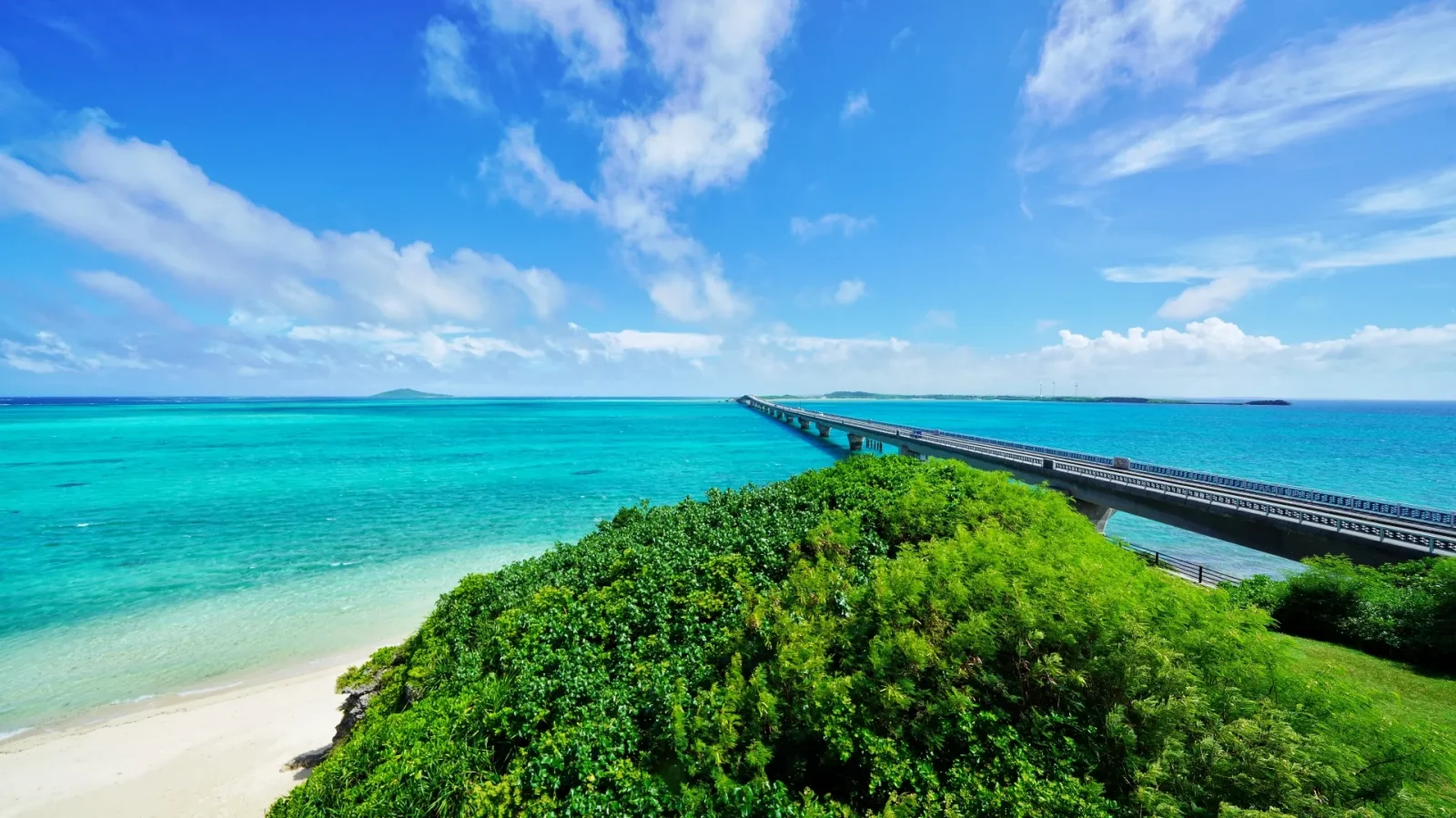
To get the most out of your Okinawa trip, advance planning and clever ideas on location are important.
By visiting in the cheaper seasons, you can keep airfares and accommodation costs down and make a plan that takes advantage of each season.
By also enjoying local food at local diners and supermarkets and visiting free sightseeing spots, you can have an even more fulfilling travel experience.
Handy items and packing tips for an Okinawa trip
To make your Okinawa trip more comfortable, preparing what you bring and what you wear is important.
By preparing the best items for the climate and activities, you can avoid trouble and inconvenience during your trip and enjoy a more satisfying journey.
List of handy items to bring to Okinawa
| Item | Reason |
|---|---|
| Folding umbrella or raincoat | Handy for sudden squalls and rain in the rainy season. |
| Sunscreen | Okinawa's sunshine is strong, so sun protection is a must. A high SPF is recommended. |
| Beach sandals | Make it easier to get around at the sea and beach. Especially handy for marine activities. |
| Waterproof bag | Protects valuables and cameras from water, so it is useful at the sea and pool. |
| Insect repellent spray | There are many insects in forests and at beaches, so having bite protection keeps you comfortable. |
| Portable battery | So you can charge your smartphone and camera while on the move. |
Packing tips
- Pack light and compact: Okinawa is a destination with a lot of getting around, so it helps to keep your luggage as light and compact as possible. Especially if you are going to the outlying islands, less luggage is more comfortable.
- Buy locally what you can: For example, beach sandals, sunscreen and drinks can be bought at local convenience stores and supermarkets, which lets you carry less.
- Choose functional clothing: In summer, bring breathable, quick-drying clothes; even in winter, temperatures vary, so bring a light layer.
Recommended activity experiences in Okinawa
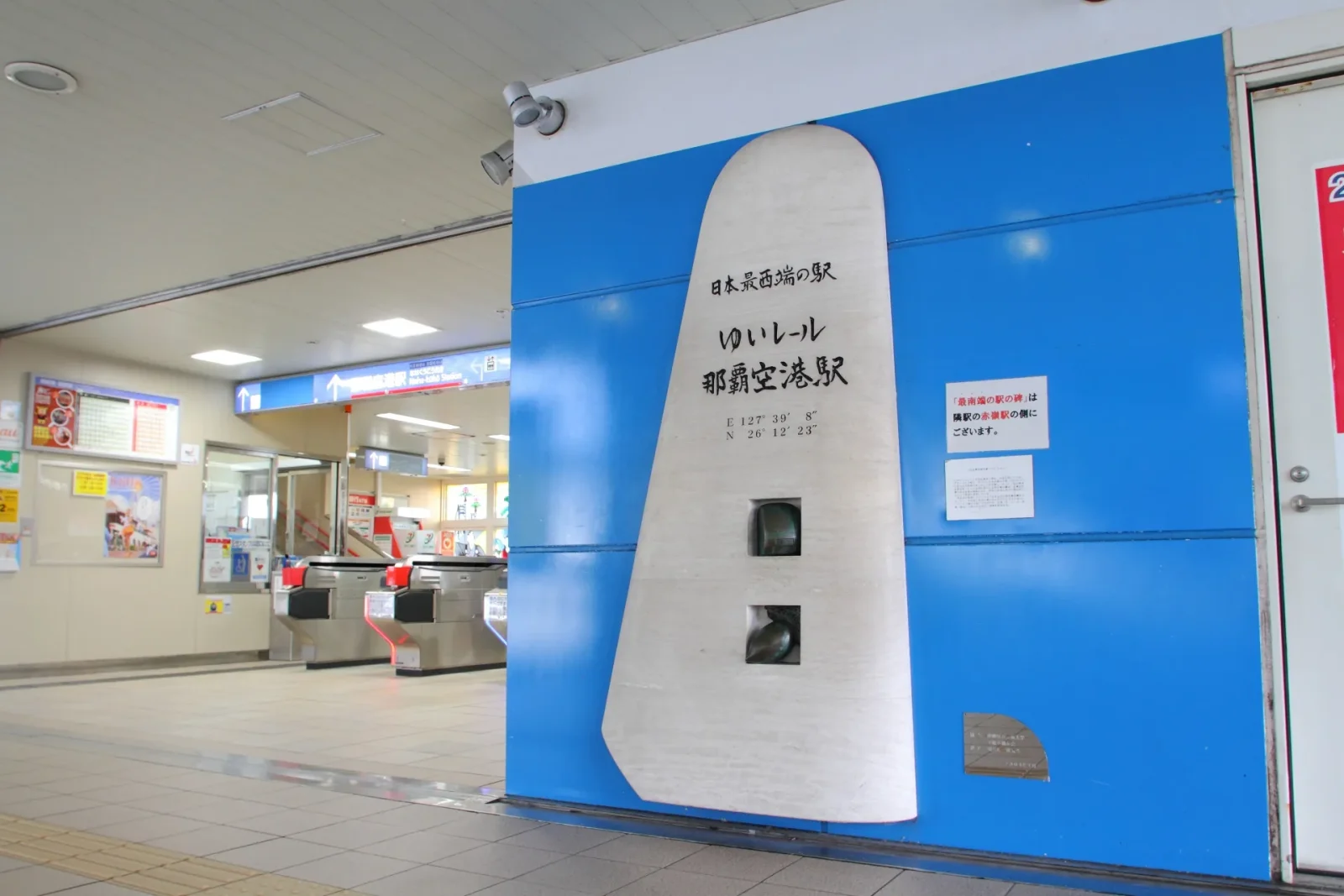
To experience Okinawa's beautiful nature and rich culture, we also recommend including activities you can only do there.
Enjoying a variety of activities to suit your budget will make your travel memories even deeper.
Popular activities and approximate costs
| Activity | Description | Time required | Approximate cost |
|---|---|---|---|
| Whale watching | Humpback whale observation tour (January to March only) | About 3 hours | 4,000 to 5,000 yen |
| Blue Cave snorkeling | A snorkeling experience in the mysterious Blue Cave | About 2 hours | 3,000 to 4,000 yen |
| Glass-bottom boat tour | Observe coral and fish from a glass-bottomed boat | About 1 hour | 2,000 to 3,000 yen |
| Ryukyu culture experience | Hands-on workshops such as sanshin playing and bingata dyeing | About 1 to 2 hours | 2,000 to 3,500 yen |
Ways to save on activities
- Use group discounts and set plans: When several people sign up together, discounts may apply, so be sure to check for group trips. Plans that bundle several activities are also a good deal.
- Off-season discounts: In seasons with fewer tourists, such as winter and the rainy season, activity prices can be lower, so check when you book.
- Advance discounts for online booking: Booking online in advance may qualify you for a discount. Looking for coupons on local tourist information sites can save you even more.
Okinawa trip Q&A: frequently asked questions and answers
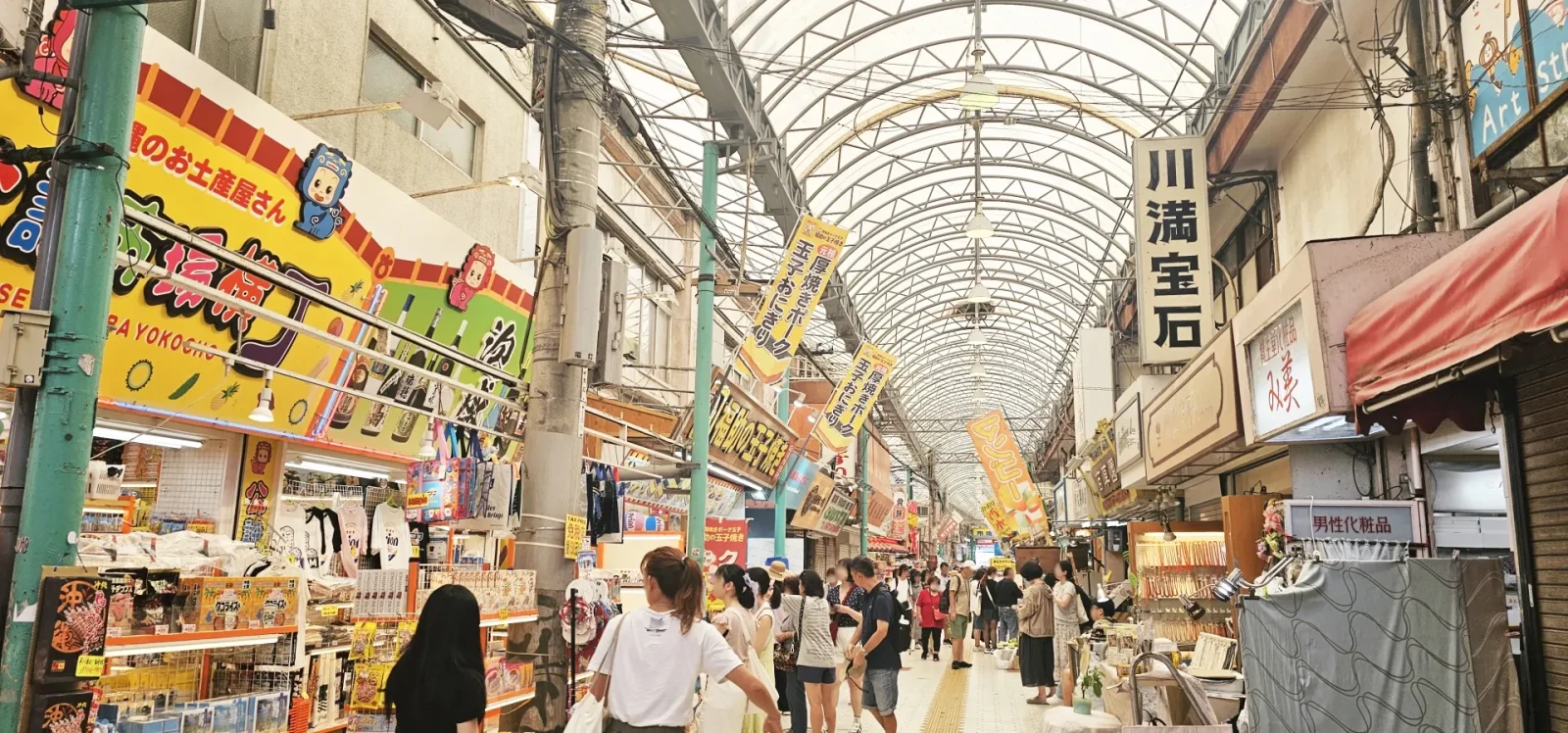
We have gathered questions that are useful to know before your Okinawa trip.
Q1: Should I rent a car in Okinawa?
A1: A rental car lets you get around tourist spots efficiently, but public transportation is also easy to use within Naha City and at some tourist spots. If you want to keep costs down, renting a car for only some areas is also a good idea.
Q2: Is Okinawa safe?
A2: Okinawa is relatively safe, but in areas with many tourists, you need to watch out for pickpockets and unattended-bag theft.
Also, at the shore, refrain from swimming outside the supervised areas and put safety first.
Q3: What should I be careful about when visiting Okinawa during typhoon season?
A3: During typhoon season (August to September), the weather changes sharply and transportation may stop. Check the cancellation policies of your accommodation and airline, and plan with spare days built in.
Q4: Is Wi-Fi easy to use in Okinawa?
A4: Major tourist spots and cafes often have Wi-Fi, but the signal can be unstable on outlying islands and in mountain areas, so renting a mobile Wi-Fi router gives peace of mind.
Final checklist for enjoying Okinawa even more
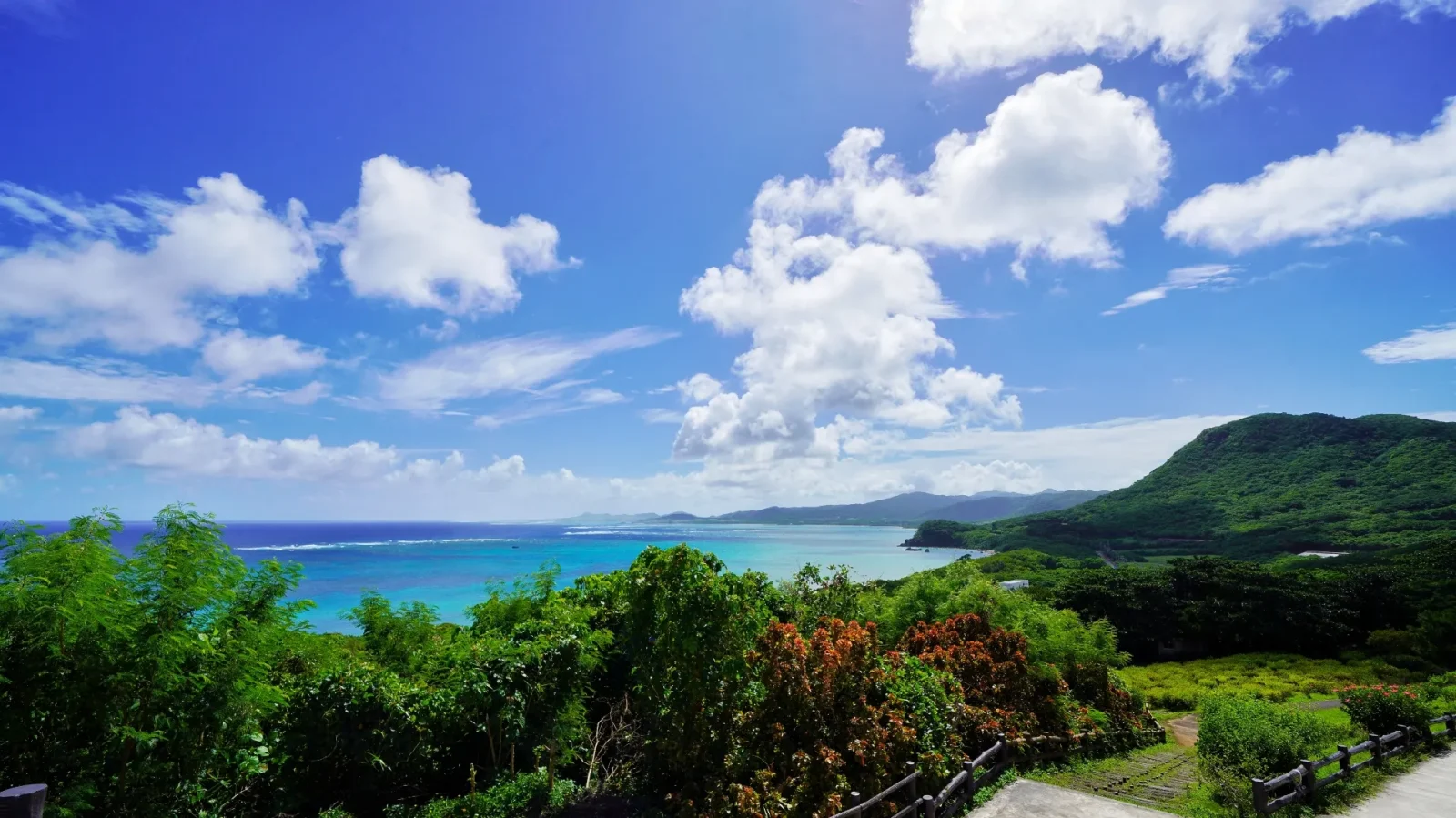
- Confirm your travel time: Learn about the climate and events for the time you will visit, and prepare suitable clothing and belongings.
- Plan sightseeing and transportation: Book sightseeing spots and activities and arrange public transportation or a rental car in advance to plan a smooth trip.
- Estimate your budget and costs: Make a budget that includes accommodation, food, transportation and activity costs, and keep your plan comfortable.
- Prepare for emergencies: Bring your health insurance card and emergency contacts, and be ready to handle anything that happens.
Use this article to enjoy a wonderful, memorable trip to Okinawa while keeping costs down.