The Blue Cave of Okinawa, where the sea surface glows blue and radiates a mysterious beauty.
Okinawa's Blue Cave is a famous spot that is popular with many tourists for snorkeling and introductory diving.
But quite a few of you probably wonder, "I've heard of it, but I don't know where it is or how to get there. Can you even go on your own?"
This article explains the location of the Blue Cave, how to get there, parking information, and how to enjoy snorkeling and diving, all in an easy-to-follow way.
We also introduce recommended sightseeing spots around the Blue Cave, so you'll have the information you need to enjoy your Okinawa trip to the fullest.
Where is Okinawa's Blue Cave? A detailed guide to getting there
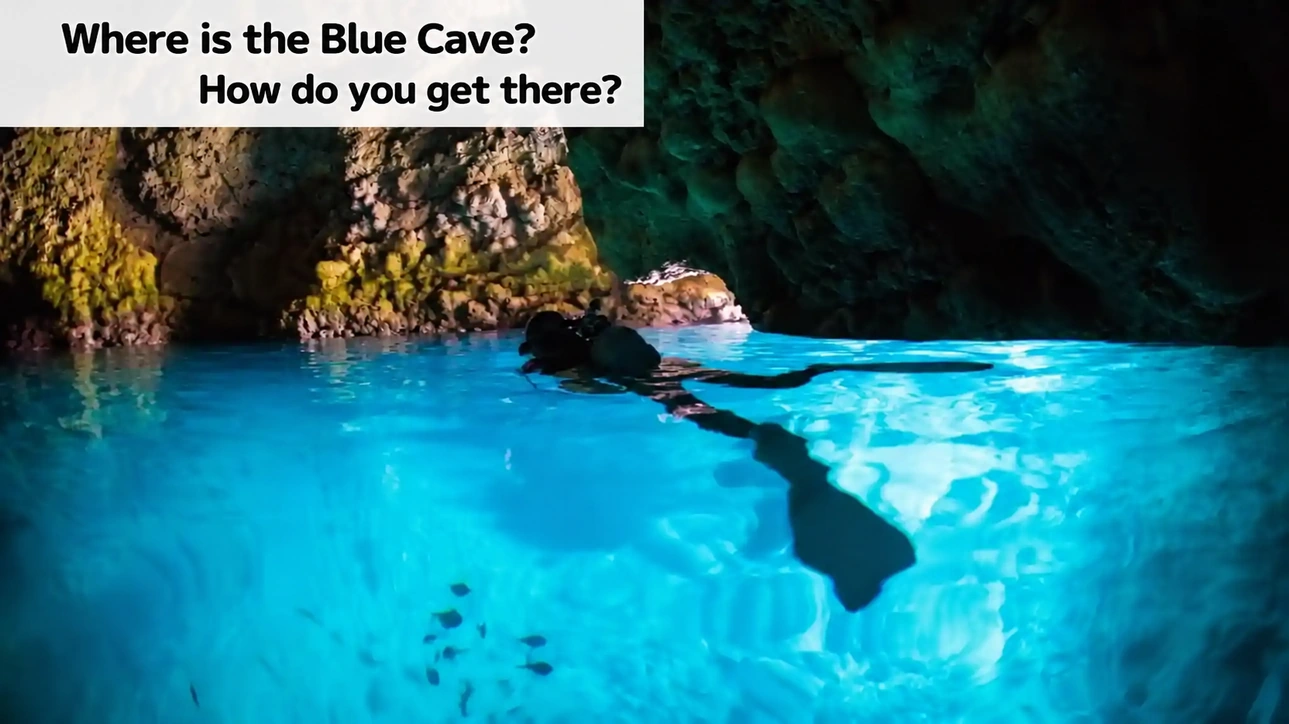
Okinawa's Blue Cave is popular for its mysterious beauty.
In fact, how easy it is to reach is one of the reasons for its popularity.
Just where in Okinawa is the Blue Cave, which is so lively with snorkelers and divers?
Don't worry, even if it's your first time! We'll explain the exact location and how to get there, with a map so you can check the location too.
Here's Okinawa's Blue Cave! Check the location on a map
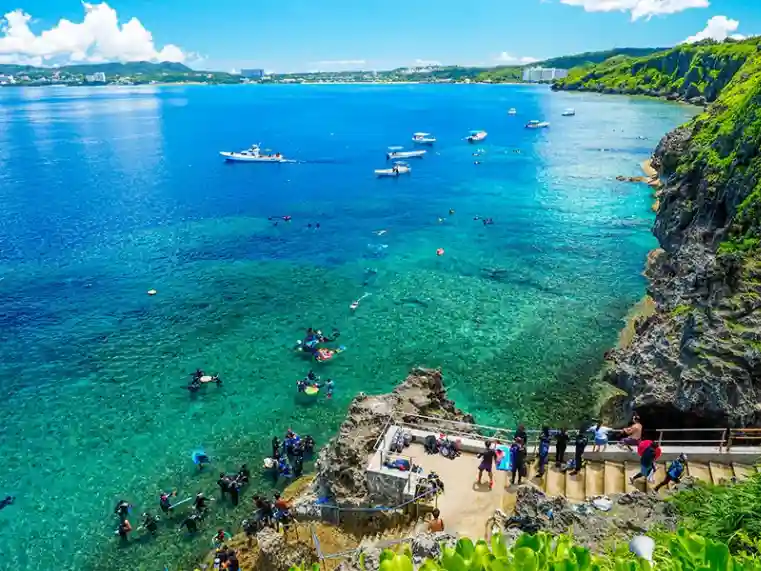
Okinawa's Blue Cave is located on the west coast of the main island of Okinawa, in Onna Village, at the tip of a cape called Cape Maeda.
To be more precise, the Blue Cave is about 100 meters out from where you enter the sea at Cape Maeda.
The address is 469-1 Maeda, Onna Village, Kunigami District, Okinawa Prefecture.
There is a management facility and a parking lot there.
Okinawa Blue Cave Kai・la is a tenant in the "Blue Cave Core" building, so you can join our activities comfortably and with peace of mind.
Getting there by car
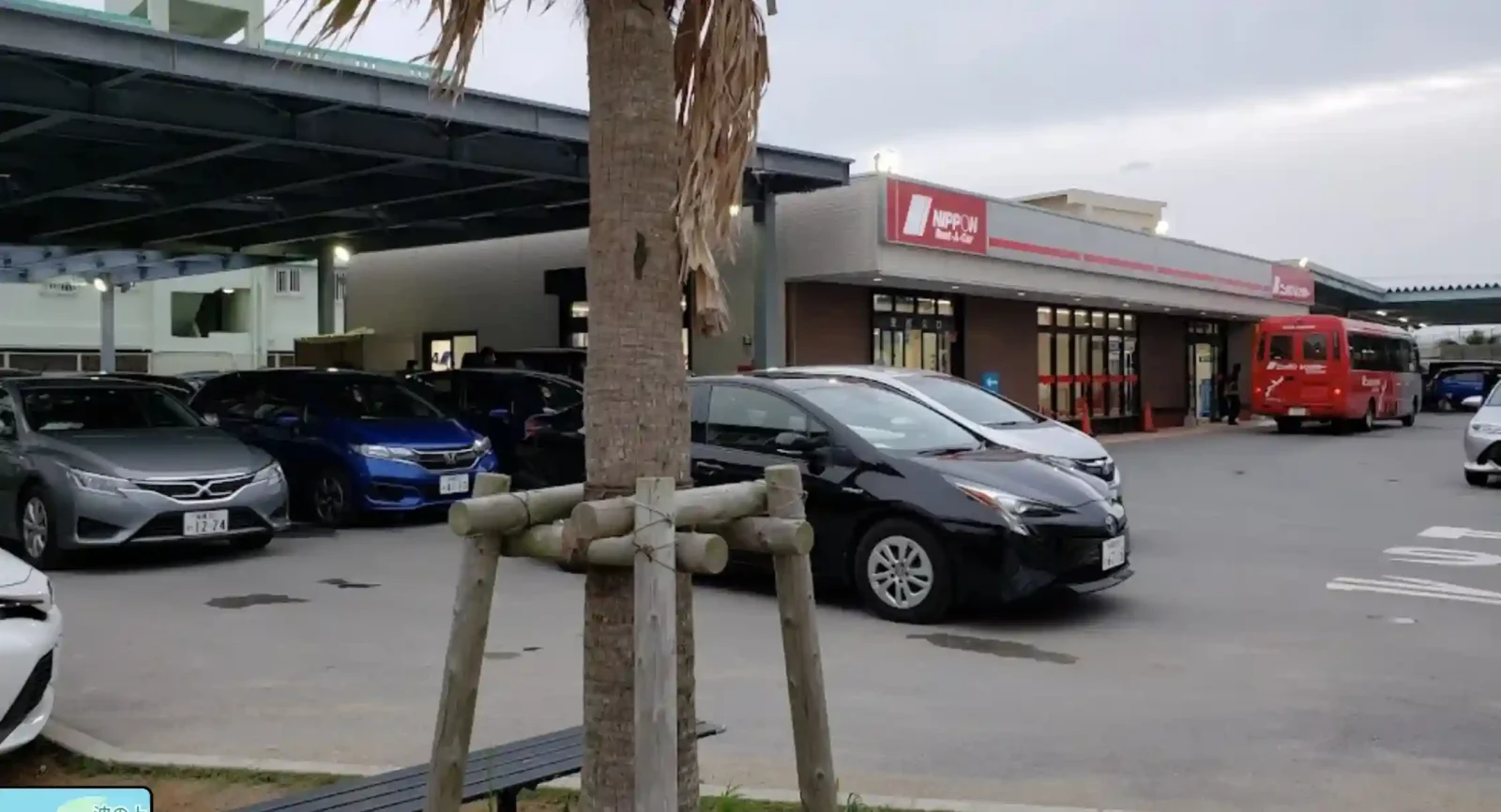
If you're driving to Okinawa's Blue Cave, a rental car with a car navigation system is convenient.
It takes about 1 hour from Naha Airport. From the airport, take the expressway and exit at Ishikawa IC on the "Okinawa Expressway."
From there, take local roads toward Cape Maeda. After leaving the expressway, you'll reach the Blue Cave in about 15 minutes.
Since it's a tourist spot, there are plenty of signs, and the route isn't complicated, so even first-time visitors should have no trouble finding the place.
Getting there by public transportation

If you can't travel by car, you'll use public transportation, which means taking the bus.
The trip takes about 2 hours, which is longer than going by car.
Here's how the bus trip goes.
| ① Board the "No. 111" express bus at "Naha Airport Domestic Terminal" |
↓
| ② Get off at "Asahibashi" and transfer at "Naha Bus Terminal, Stop 11" to the local bus [Route 20, Nago-Nishi Line, outbound, via Makishi, bound for Nago] |
↓
| ③ Get off at "Kuraha" / You'll arrive in about 1 hour 30 minutes up to this point. Note: There are several ways to get to Cape Maeda, but getting off at "Kuraha" is the smoothest. |
↓
| ④ From here, travel by taxi or on foot. Note: Cape Maeda is a 15-minute walk from the Kuraha bus stop. Walking uphill in the summer sun while carrying your belongings is tough. It's best to take a taxi from here. The distance is about 1.2 km. |
Bus service is limited, so when you travel by bus, be sure to build some extra time into your schedule.
Bus arrival times may change depending on the weather and road conditions.
Buses also get crowded during the tourist season, so make sure to set out early with time to spare.
Okinawa Blue Cave: Is there a parking lot?
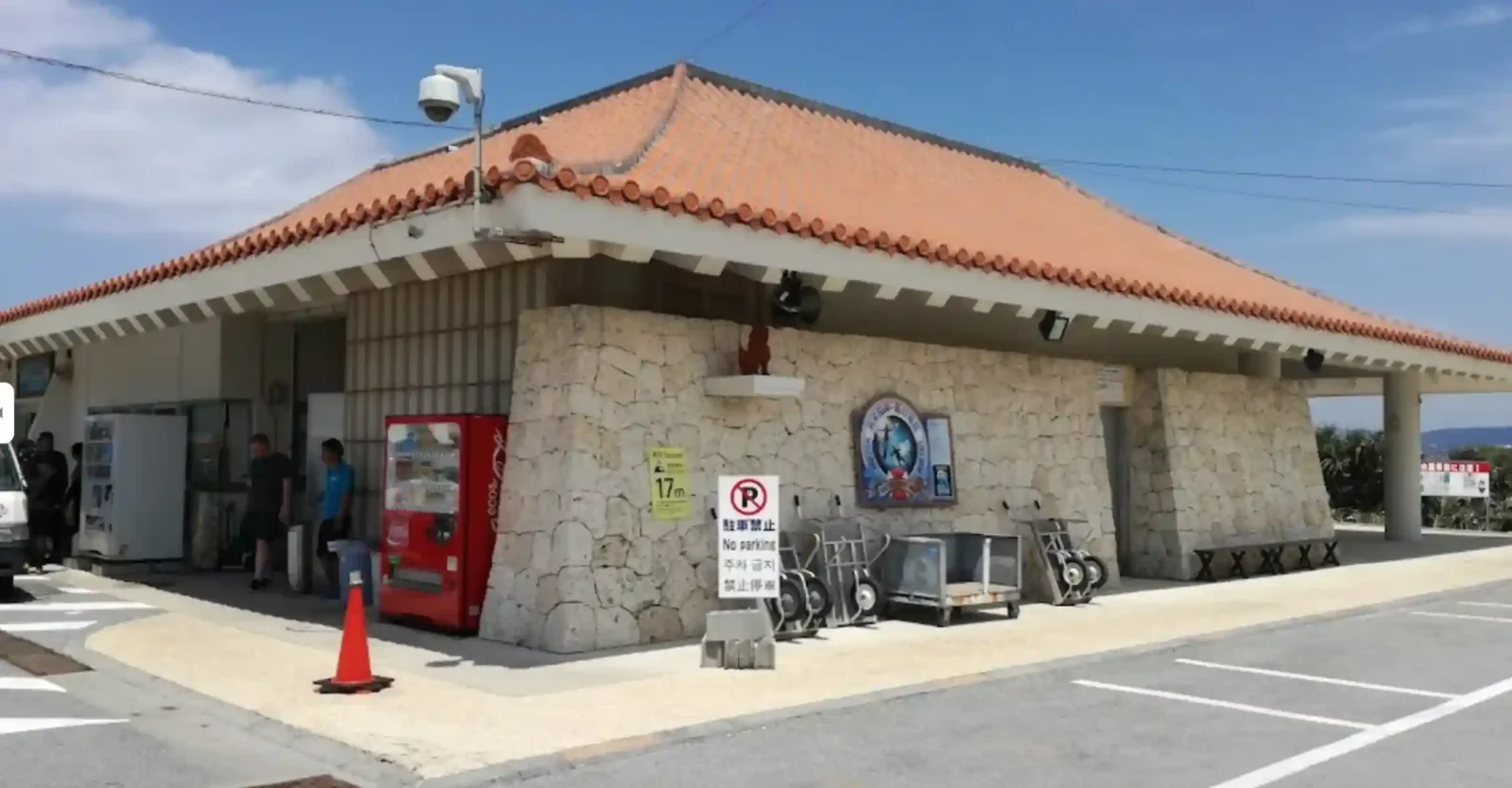
Cape Maeda, where the Blue Cave is located, has a parking lot. It is a relatively large lot that can hold 180 passenger cars.
However, it often gets crowded during the tourist season and at weekend peak times, so we recommend arriving early.
In addition to spaces for passenger cars, there are 5 spaces for large vehicles and 4 spaces for people with disabilities.
Incidentally, large vehicles and microbuses require a reservation in advance. Also, they cannot park from April to September.
Now let's look at the parking fees and the parking lot hours.
Parking fees
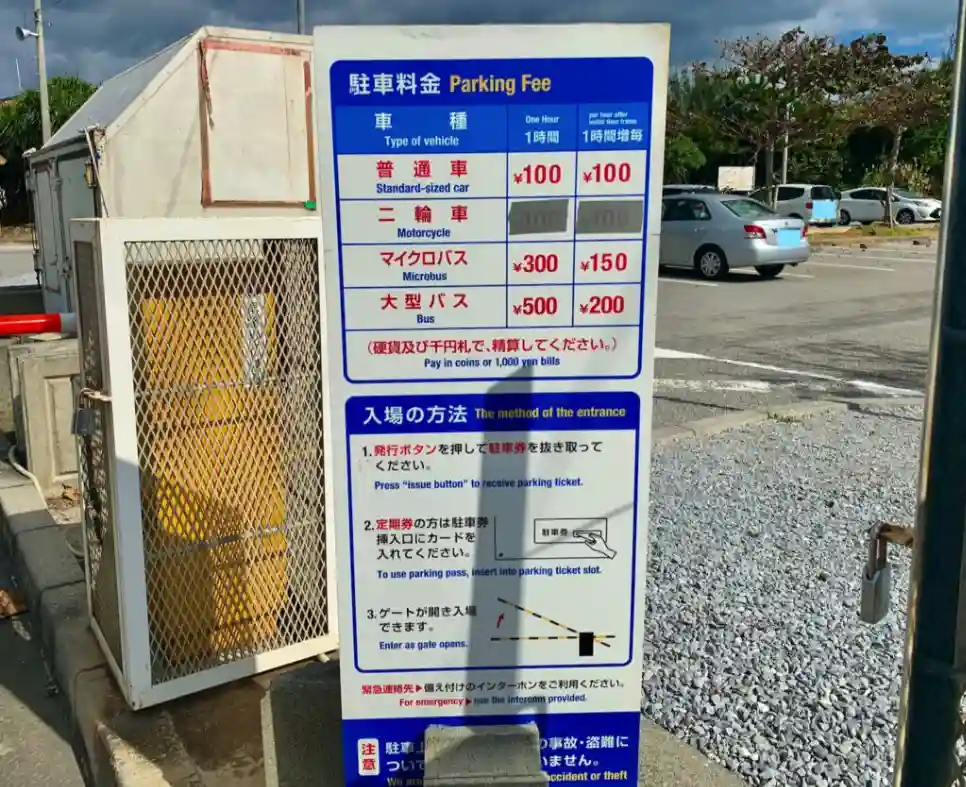
The parking fees at Cape Maeda as of 2024 are as follows.
| 2-wheeled vehicles | First hour: 100 yen. After that, 100 yen every 60 minutes |
| Standard cars | First hour: 100 yen. After that, 100 yen every 60 minutes |
| Microbuses | First hour: 300 yen. After that, 150 yen every 60 minutes |
| Large vehicles | First hour: 500 yen. After that, 200 yen every 60 minutes |
Parking lot hours
The parking lot is open from 7:00 to 19:00.
Cape Maeda's management facility: What's there?

Cape Maeda, where Okinawa's Blue Cave is located, has a management facility that visiting tourists can use.
The facility not only has the equipment you need while sightseeing, but also makes efforts to help visitors enjoy Cape Maeda comfortably and safely.
Specifically, the facility provides real-time information on the day's Okinawa weather and sea conditions, and guides visitors to safe swimming areas.
There are also vending machines and benches for resting, so it's a handy place to rest your body after enjoying your activities.
Management office with Wi-Fi, multipurpose space, and more

Free Wi-Fi is available inside the management office.
It's great that you can share the photos of the Blue Cave you took with your smartphone or camera on the spot.
Towels and cigarettes are also sold inside the management office.
The snack shop sells food, and you can enjoy Okinawa soba, Maeda soba, curry, and more.
The multipurpose space can also be used for diving lessons and as a rest area.
The resting benches and drink vending machines are in this multipurpose space, so please stop by when you're tired.
Restrooms and showers too: Fees and hours
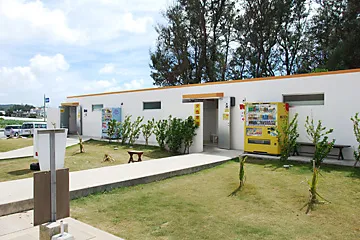
Believe it or not, this management facility even has restrooms, showers, and more!
Especially after snorkeling or diving, you'll want to take a shower right away, won't you?
And these showers are hot water showers.
Being able to take a hot shower at the facility and enjoy the rest of your plans feeling clean is a real plus, isn't it?
What's available is
• Restrooms (general and accessible)
• Shower rooms (10 each for men and women)
• Changing rooms (3 each for men and women)
• Hair dryers
• Coin lockers
as listed above.
The fees and hours for each are as follows.
| All are available from 7:00 to 18:30 | |
| Shower room | 200 yen per use |
| Hair dryer | 100 yen per use |
| Coin locker | 100 yen per use |
These also get very crowded during the tourist season, so you may have to wait your turn.
Things not allowed at Cape Maeda

Certain activities are prohibited at Cape Maeda.
To protect the natural environment around the Blue Cave and Cape Maeda, please be sure to follow the rules below.
- Rinsing off with plastic water tanks or similar, or occupying space for that purpose, inside the facility and parking lot
- Littering, such as trash and cigarette butts
- Using harpoons, spears, or spearguns in the waters off the cape
- Jumping in near the cape and near the Blue Cave
- Swimming in bad weather, or when a high wave warning, tsunami warning, or similar is in effect
- Resting in the parking lot using parasols, beach chairs, or similar
- Barbecuing or similar activities on the premises
- Carrying a diver's knife (double-edged and 5.5 cm or longer) on the premises
- Launching or hauling inflatable boats, kayaks, and the like up or down the stairs
- Political or religious activities inside the facility
- Clinging to boat mooring buoys in the waters off the cape
- Collecting plants and the like
- Behavior that inconveniences other users or disturbs public order
- Any other behavior that goes against the manager's instructions
- Caution: We accept no responsibility whatsoever for incidents, accidents, and the like inside the facility or at sea.
- If you swim, please do so with great caution and at your own risk.
What are the chances of getting into Okinawa's Blue Cave?
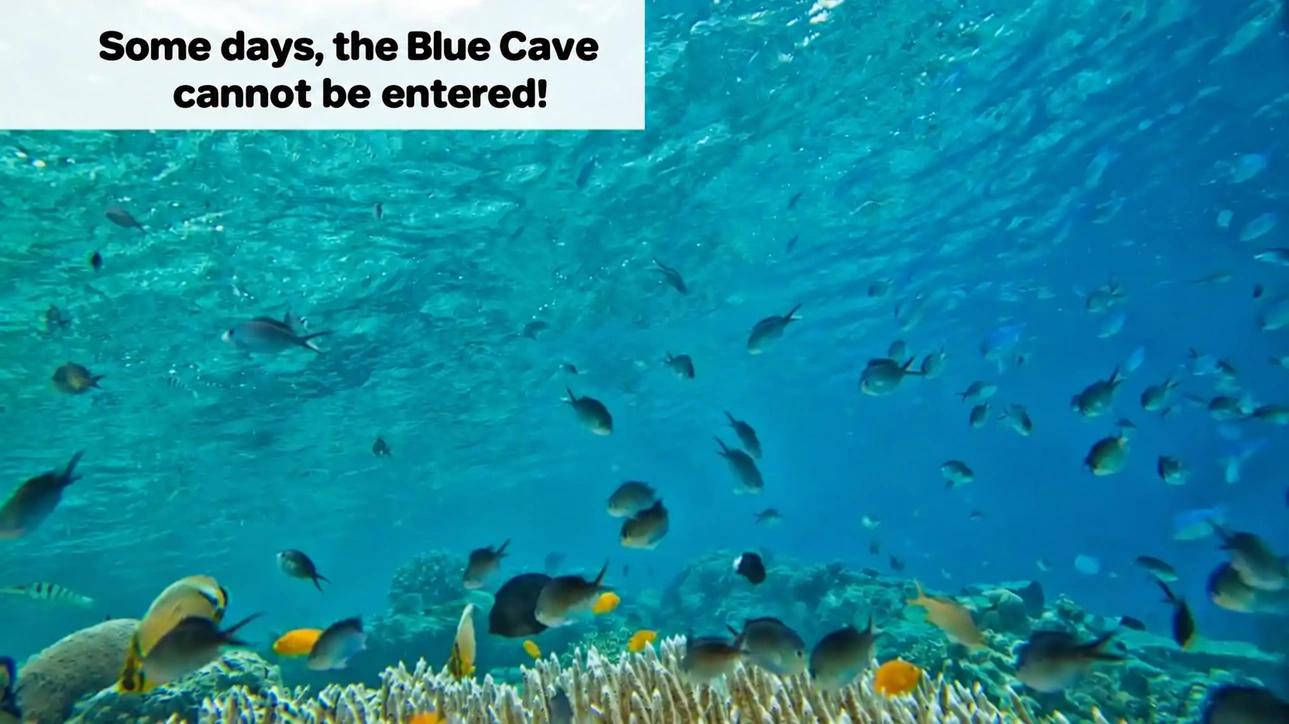
Just because you've arrived at Cape Maeda doesn't mean you can always get into the Blue Cave.
Your chances of getting into the Blue Cave change depending on the Okinawa weather and sea conditions.
Especially on windy days or days with high waves, entry to the Blue Cave may be restricted for safety.
To avoid going all that way only to be unable to get in, we recommend going when your chances are high.
Your chances of getting into Okinawa's Blue Cave: 60%
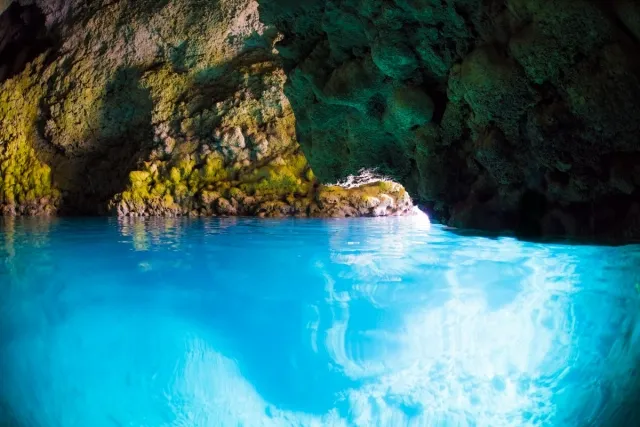
As a rough guide, the chance of getting into Okinawa's Blue Cave over the course of a year is said to be around 60%.
However, it also varies with the season and that year's weather conditions, so please treat it only as a rough guide.
| Summer | In summer, unless a typhoon is coming, there is a 90% or higher chance of getting into the Blue Cave. Summer is the time of year when your chances of getting into the Blue Cave are highest. |
| Winter | In winter, the chances drop sharply. Tours are often canceled day after day. |
| Going on your own (via the stairs) | You have about a 60% chance of getting in. (The same applies when using a tour that enters via the stairs.) |
| Going by boat (on a tour) | You have about a 90% chance of getting in. |
Reasons
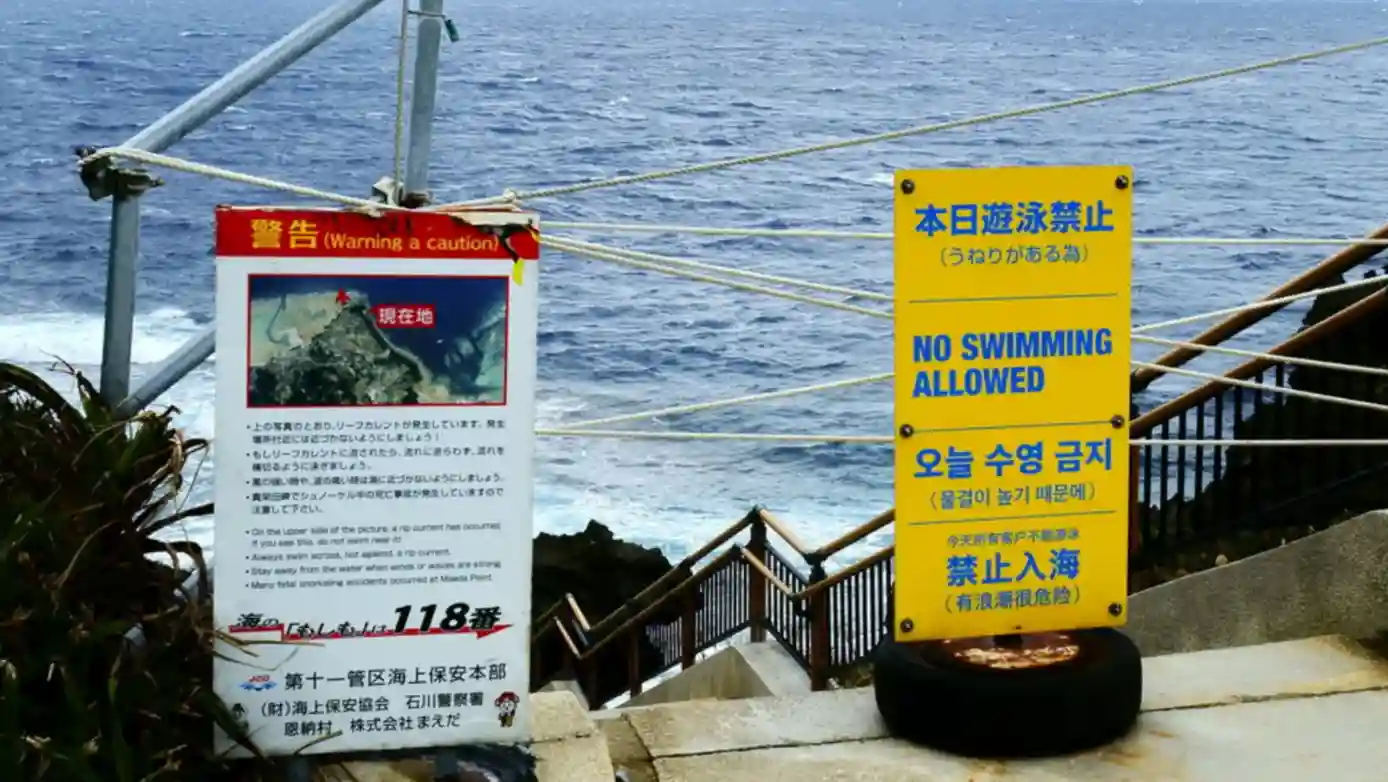
The number one reason people can't get into Okinawa's Blue Cave is "high waves caused by strong winds."
The Blue Cave is located on a rocky shore facing the open sea, in terrain that is easily affected by waves.
For this reason, even slightly higher waves reduce underwater visibility, and there is a risk that the inside of the Blue Cave cannot be enjoyed safely.
The tidal currents around the Blue Cave also change depending on the time of year, so if safety is judged not to be assured, you will not be able to enter the Blue Cave.
| Season | Reason |
| Summer (○) | • Because of atmospheric pressure patterns, winds from the south blow often (Cape Maeda, which is on the north side, has many days with good conditions, so your chances of getting in go UP!) |
| Seasons other than summer (×) | • Because of atmospheric pressure patterns, strong winds blow and waves become very high (winds of 5 meters or more sometimes blow) |
| Typhoon season (July to October) (×) | • Because waves are high in all waters around Okinawa |
| Going on your own via the stairs (×) | • You make your way over rocks to the Blue Cave, so even small waves can throw your body against the rocks, which is dangerous. • Even when the sea isn't very rough, swimming is prohibited if there are even a few waves |
| Going by boat (○) | • Because you can approach the Blue Cave by boat, you are less affected by waves than when going on your own (going out to sea by boat is OK even when swimming is prohibited) • During a typhoon, high waves make it × |
When you go matters for Okinawa's Blue Cave
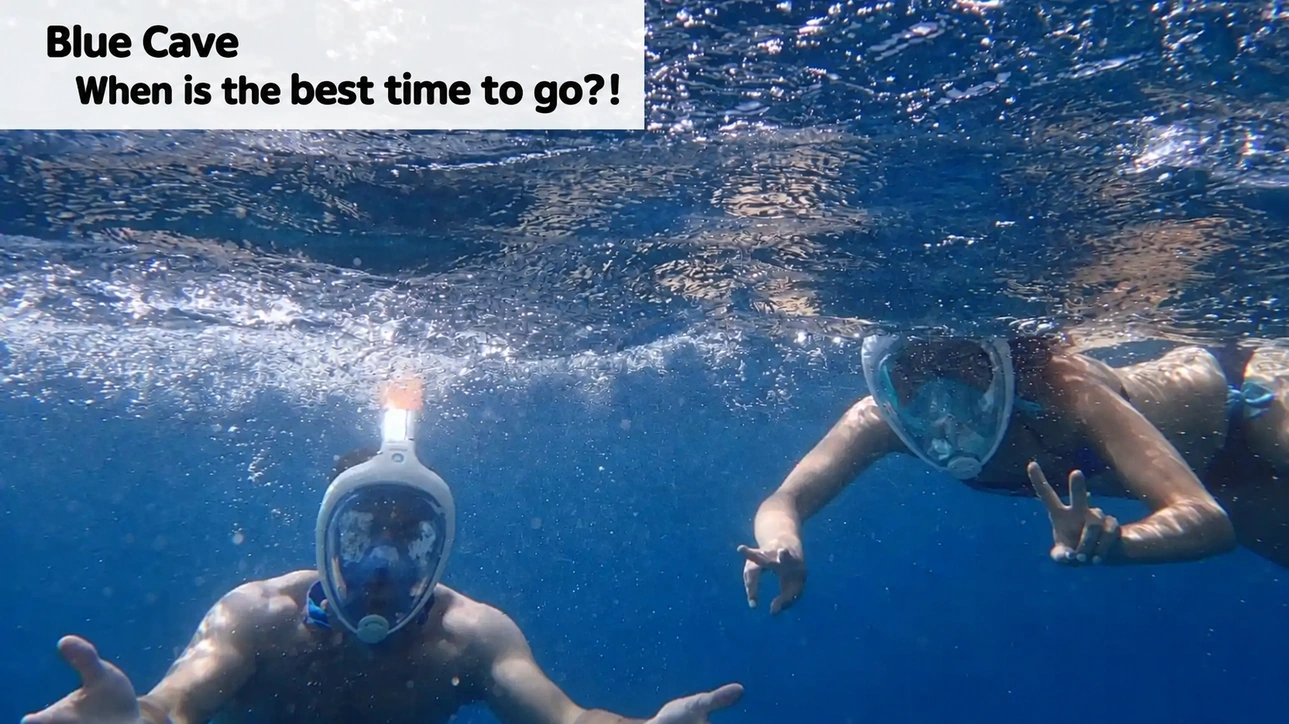
The Blue Cave glows a mysterious blue because sunlight enters the cave and reflects off the limestone seabed.
That's why the depth of the blue changes with how the sunlight comes in, letting you enjoy many different Blue Caves.
Crowds at the Blue Cave also differ a great deal depending on the time you go, so pay attention to your timing.
Recommended season
The best season for the Blue Cave is generally May to October, when the weather is stable and the waves are small.
During this period there are many sunny days, and the inside of the cave is filled with clear blue light, so you can fully enjoy an extremely beautiful Blue Cave.
Okinawa's temperatures are also warm, so activities such as snorkeling and diving are more comfortable.
On the other hand, in winter from November to February, north winds strengthen even in Okinawa and the sea tends to get rough.
If you visit the Blue Cave during this period, it is important to check the day's weather and sea conditions carefully beforehand.
Entry to the Blue Cave is restricted especially on windy days, so we recommend visiting from spring through fall, when the weather is stable.
Recommended time of day
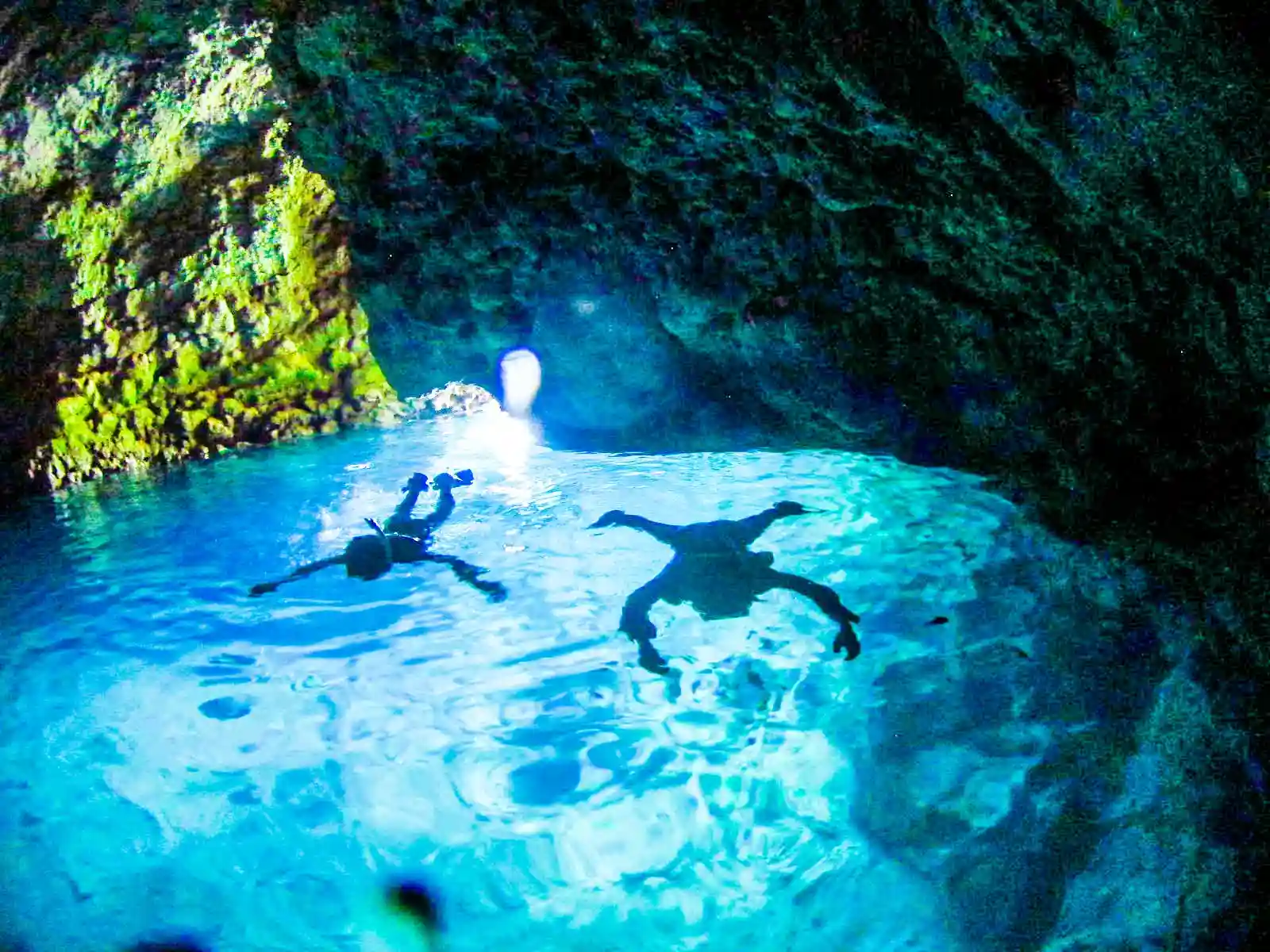
The view of the Blue Cave doesn't differ greatly by time of day, but you can still enjoy an even more mysterious Blue Cave by choosing when you visit.
Around 10 a.m. is best
Generally, around 10 a.m. is said to be the best time.
At this time the sun is high and soft light enters the Blue Cave, so the blue light spreads more vividly.
Early morning is also recommended
There are relatively few people in the early morning, so the sea's visibility is higher than at other times of day.
To avoid the crowds and take in the beautiful sight of the Blue Cave at your leisure, early morning is recommended.
In the afternoon, more tourists arrive and the area around the Blue Cave gets crowded, so if you want to enjoy a quiet, mysterious atmosphere, it's a good idea to visit from early morning through the morning.
The Blue Cave by time of day

We've put together a table that clearly shows how conditions at the Blue Cave change by time of day.
| Time of day | Conditions at the Blue Cave |
| 7:00-10:00 (a.m.) | Visibility: High visibility and vivid blue Crowds: Least crowded |
| 10:00-12:00 (a.m.) | Visibility: Average Crowds: Most crowded |
| 13:00-15:00 (p.m.) | Visibility: Visibility drops, but the blue of the sea deepens Crowds: Second most crowded |
| 16:00 onward (p.m.) | Visibility: Visibility drops, but the blue of the sea has deepened Crowds: Relatively empty |
Around 10 a.m., when the sea is a vivid blue and it's less crowded, is of course recommended, but comparing like this, around 3 p.m. is also a good time to aim for!
Visibility drops, but the blue of the sea deepens, and the crowds have eased up quite a bit.
Beach entry and boat entry explained simply
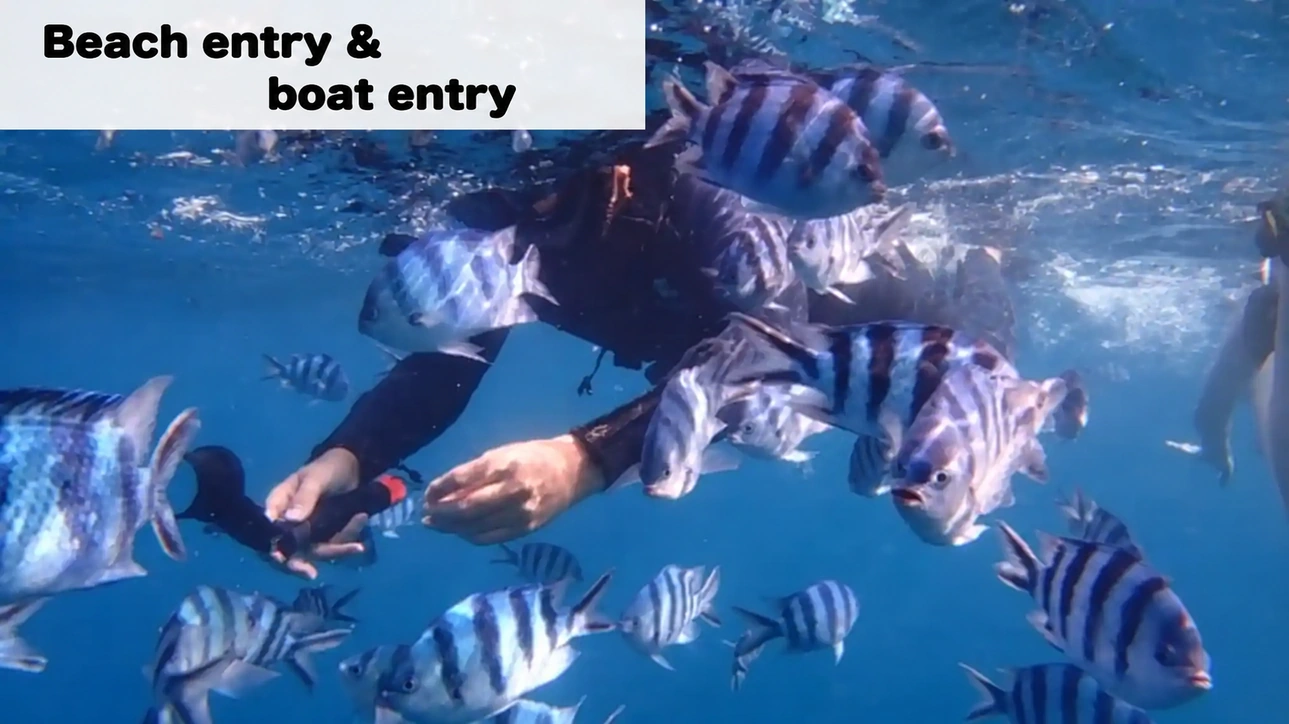
There are 2 ways to enter Okinawa's Blue Cave: "beach entry" and "boat entry."
Each has different advantages and disadvantages, so choose the entry method that suits you.
Now let's explain "beach entry" and "boat entry."
Beach entry
With beach entry, you go down the long staircase to the beach at Cape Maeda, then enter the sea yourself and head for the Blue Cave.
Because you walk along the shoreline into the sea, you can enjoy the route to the Blue Cave while watching the fish and coral reefs.
In Okinawa's clear sea, colorful fish swim in great numbers. This entry method is especially popular with people who want to enjoy snorkeling.
However, depending on sea conditions and the tide, walking can become difficult, so be careful.
In addition, you carry your belongings down a long staircase before entering the beach, so this entry method also demands some physical stamina.
Even so, as you get closer to the entrance of the Blue Cave, you're sure to enjoy watching the beautiful blue light gradually spread out!
Boat entry
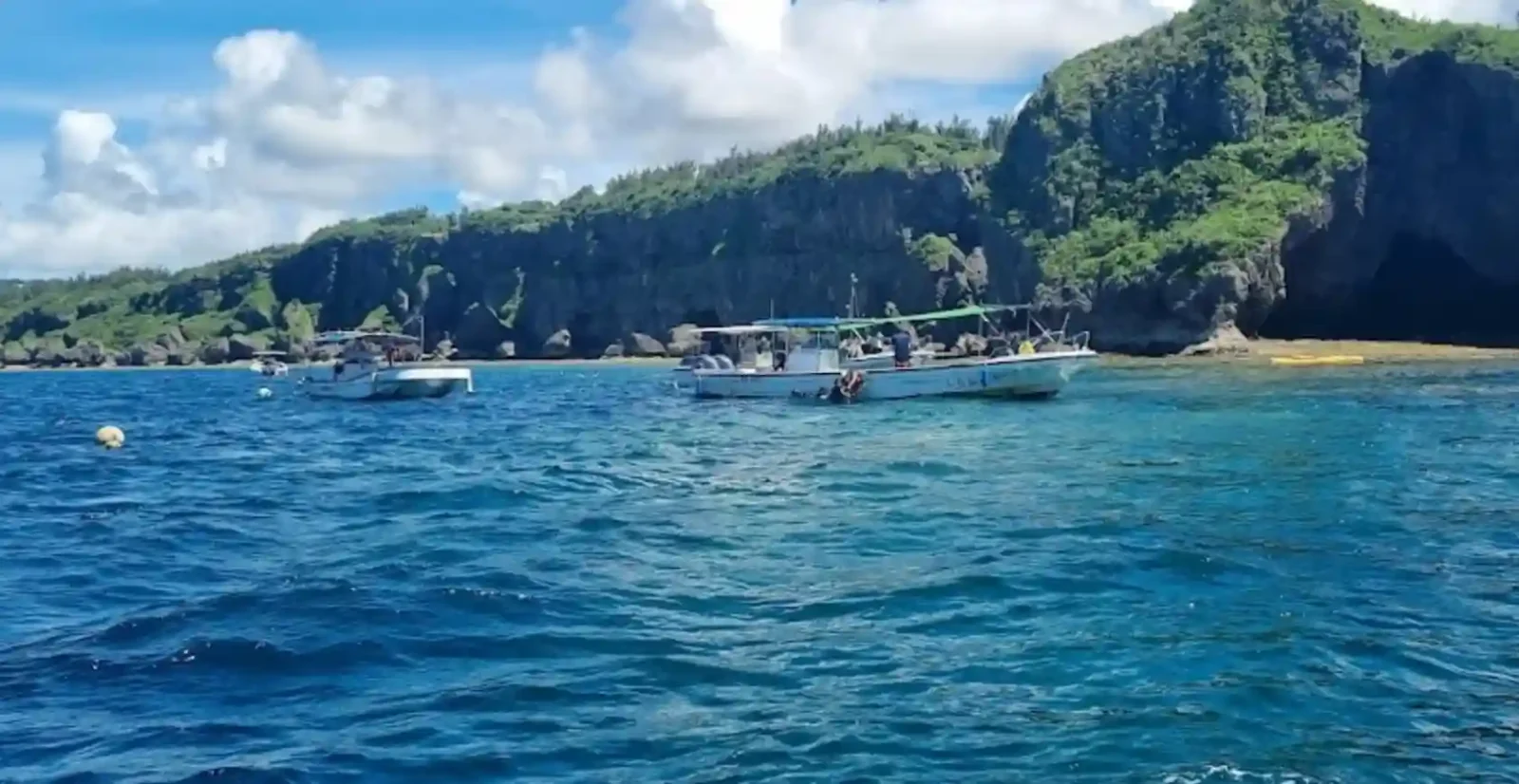
With boat entry, you travel by boat to near the Blue Cave and go directly into the cave from there.
This method gets you to the cave in less time than beach entry, so it is recommended for beginners, families with small children, and people who aren't confident in their stamina.
Entering by boat also shortens your travel time.
Unlike beach entry, boat entry is less affected by waves and tides, and its advantage is that safety is more easily ensured even when the weather is a little bad.
As a disadvantage, tour prices for boat entry are higher.
However, many of the tours come with a guide, and you can also hear explanations about how the Blue Cave formed and its terrain.
On guided tours, even beginners can efficiently tour the spots inside the cave and enjoy the mysterious beauty of the Blue Cave more deeply.
The Blue Cave enjoyed through snorkeling and diving
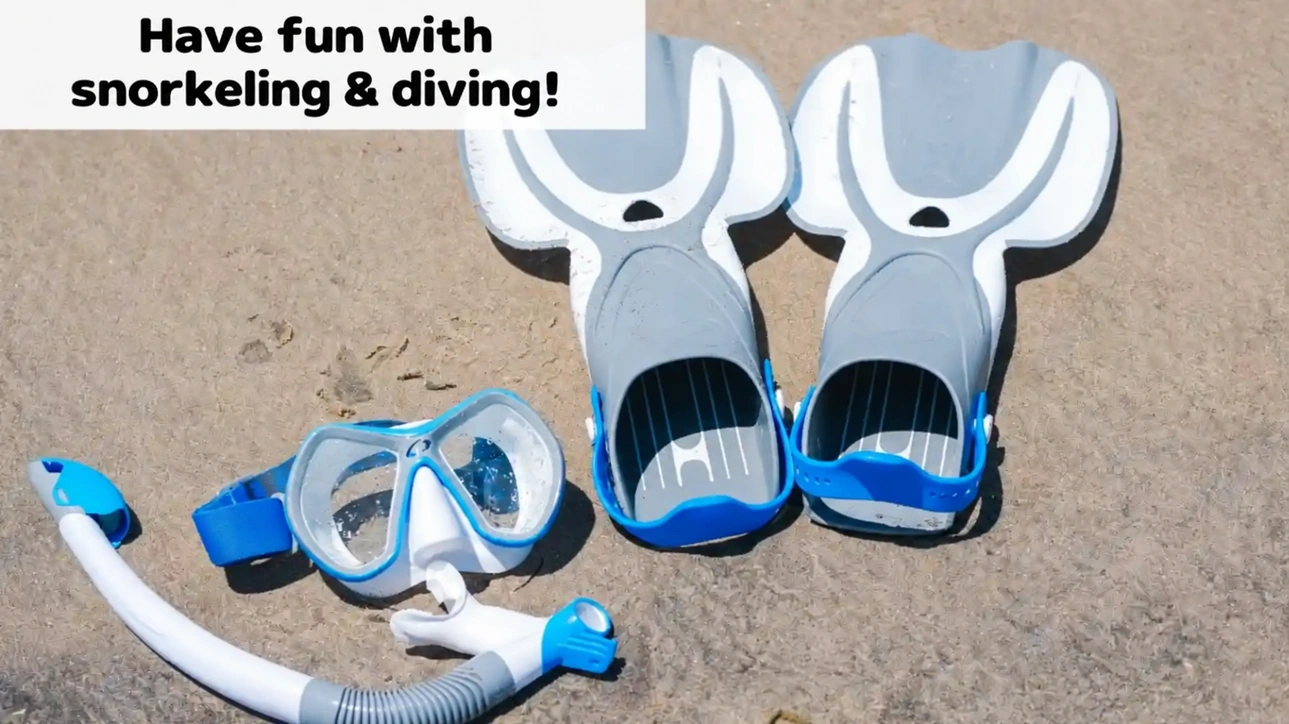
At Okinawa's Blue Cave, you can enjoy the mysterious underwater world while snorkeling or diving.
Each has its own appeal, and which one to choose depends on how you want to enjoy the Blue Cave.
From here, we'll introduce in detail the Blue Cave enjoyed through snorkeling and through diving.
Snorkeling: An easygoing way to enjoy the Blue Cave
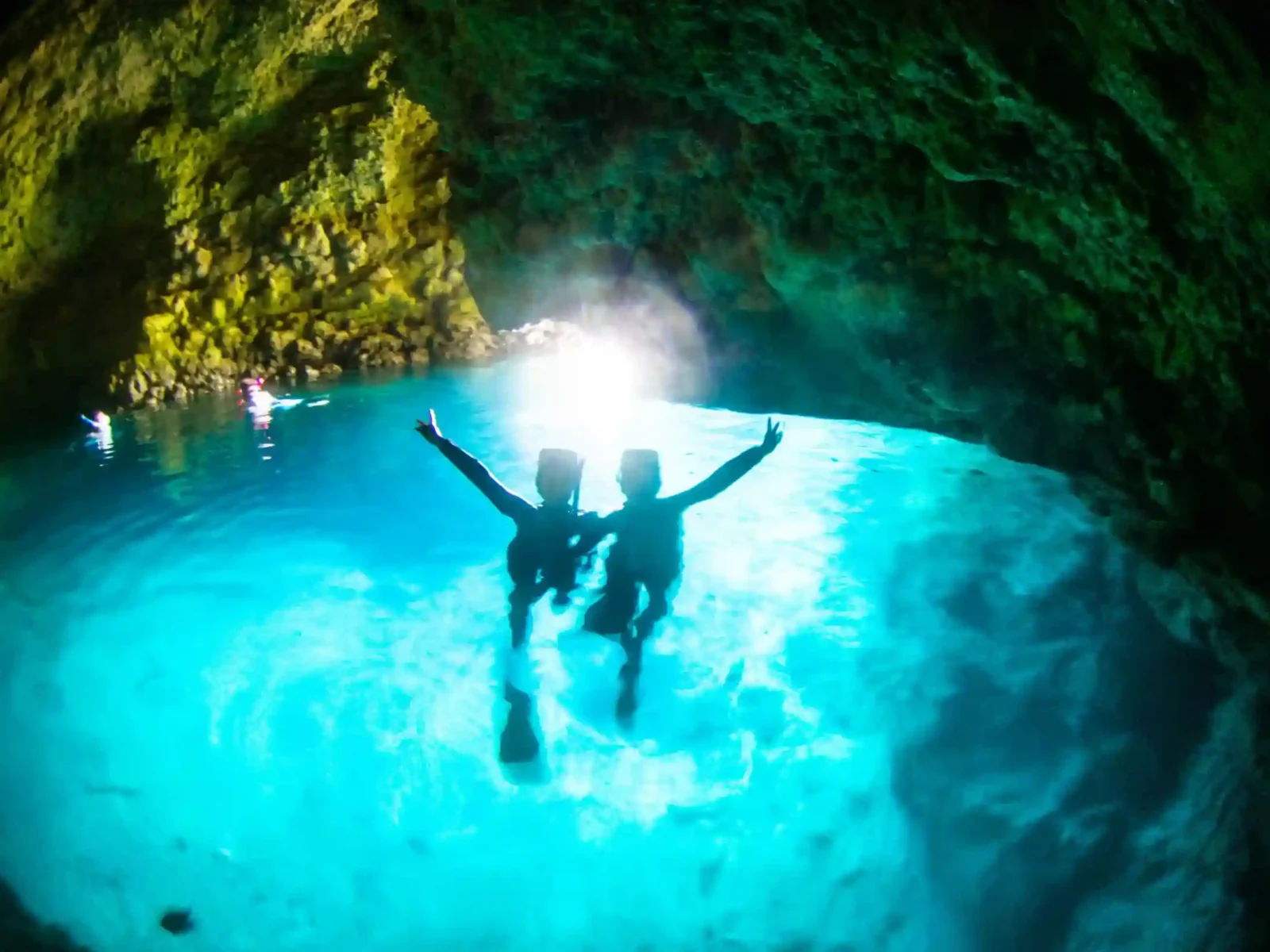
Snorkeling is an activity that lets you enjoy the beautiful world of the Blue Cave with ease.
In fact, many tourists enjoy snorkeling at Okinawa's Blue Cave.
The nice thing about snorkeling is that beginners, small children, and people who aren't strong swimmers can all enjoy it.
Snorkeling equipment is also often included in the tour, so no special preparation is needed.
With a snorkel and mask, you can float on the surface and gaze at the blue glow inside the Blue Cave, and get up close with the colorful fish both inside and outside the cave.
Drifting on the water of the Blue Cave, you'll be overwhelmed by the mysterious beauty of the light streaming into the cave.
Diving: Enjoy the deep Blue Cave to the fullest
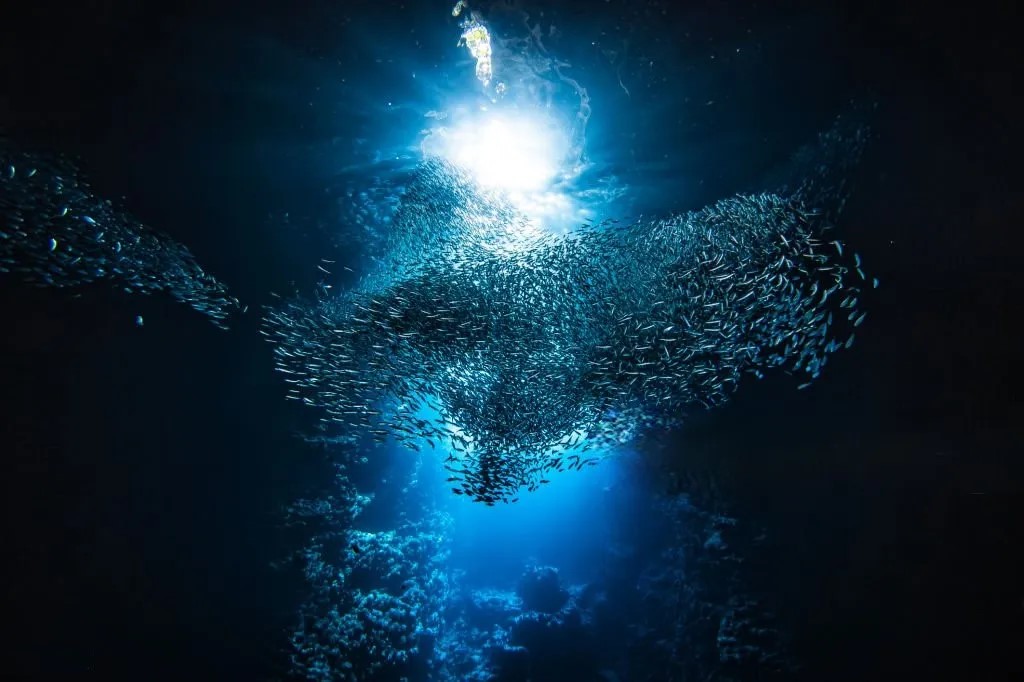
If you want an even deeper Blue Cave experience, we recommend diving.
Diving takes you deep into the Blue Cave, so you can experience a Blue Cave that is different from the surface.
The underwater blue light is even stronger, and many of the fish around you are species you can't see while snorkeling, so you get an extraordinary experience in the sea!
In particular, the sight of light entering the cave, reflecting off the water surface, and shimmering in the deep blue is a privilege of diving.
The dreamlike space woven from the blue light spreading through Okinawa's Blue Cave and the underwater silence is truly "another world beneath the sea."
Many tours exclusively for divers are also held, with a wide variety of plans prepared, from introductory diving for beginners to courses for advanced divers.
Diving is often done with a guide, so even beginners can enjoy the deep Blue Cave to their heart's content with peace of mind.
Enjoying the Blue Cave on a tour

To get the most out of Okinawa's Blue Cave, it's a good idea to join a tour with a professional guide.
By joining a tour, the snorkeling or diving equipment is prepared for you and you receive support for safety, so even first-timers can enjoy it with peace of mind.
Now let's look at how to choose the best tour and the points to compare!
How to choose a tour
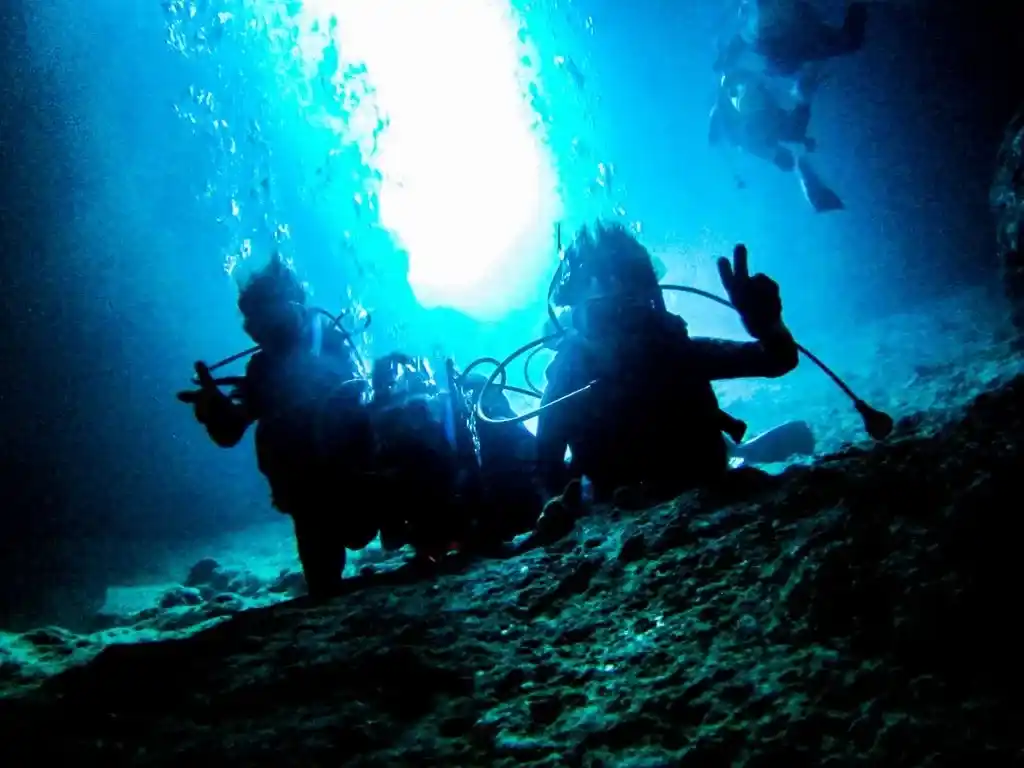
More than 100 companies in Okinawa hold Blue Cave tours, each with different experience plans.
With so many, it's really hard to decide where to sign up.
But please, never choose based only on a low price.
The disadvantages of tours that are too cheap are as follows.
• Operating without a permit, with no notification filed
• Tour guides with no qualifications
• Old, unsanitary equipment
• Excessive option fees
No matter how cheap, nothing is worth more than your own safety. Avoid tours that are too cheap.
So how do you tell a good tour?
We've summarized tips for choosing below, so be sure to check them out.
| Checkpoint | How to choose |
|---|---|
| Tour content | • Snorkeling or diving • For beginners or for advanced participants Note: On beginner tours, the guide instructs you carefully, so even first-timers can join with peace of mind. |
| Tour start time and duration | • Early morning, midday, or evening • Duration of 1 to 2 hours, or half a day to a full day Note: Choose based on whether you want to avoid crowds and whether you want to enjoy other plans before or after the tour. |
| Facilities and services | • Showers and changing rooms available or not • Equipment rental available or not Note: Depending on the tour company, showers may be free to use, and equipment rental may be included in the price. |
| Meeting and ending locations | • Meet and end at the shop, or meet and end on site Note: If you meet and end on site, you can't use the showers or changing rooms after the experience, so be careful! |
| Entry method | • Beach entry or boat entry Note: Choose the entry method that suits you, without pushing yourself. |
Here are the points to compare!
Prices vary greatly depending on the tour company.
Be sure to compare carefully what is and isn't included in the tour price.
Here are the main points to compare!
• Does the price include facility and equipment fees?
• Does it include feeding tropical fish?
• Does it include photography?
• Does it include the photo data?
• Does it include the boat fare?
Cheaper tours may include only the bare minimum, while slightly pricier tours include fuller services such as fish feeding and photography.
To avoid ending up paying more because of options after choosing a cheap tour, carefully consider both the price and the tour content.
If you're still unsure, it's also a good idea to refer to word-of-mouth and reviews.
Tours that earn high ratings from many participants are likely to have good guide service and offer rich tour content.
Whether the company runs tours according to the weather and sea conditions, and whether it responds flexibly, is also one of the key points.
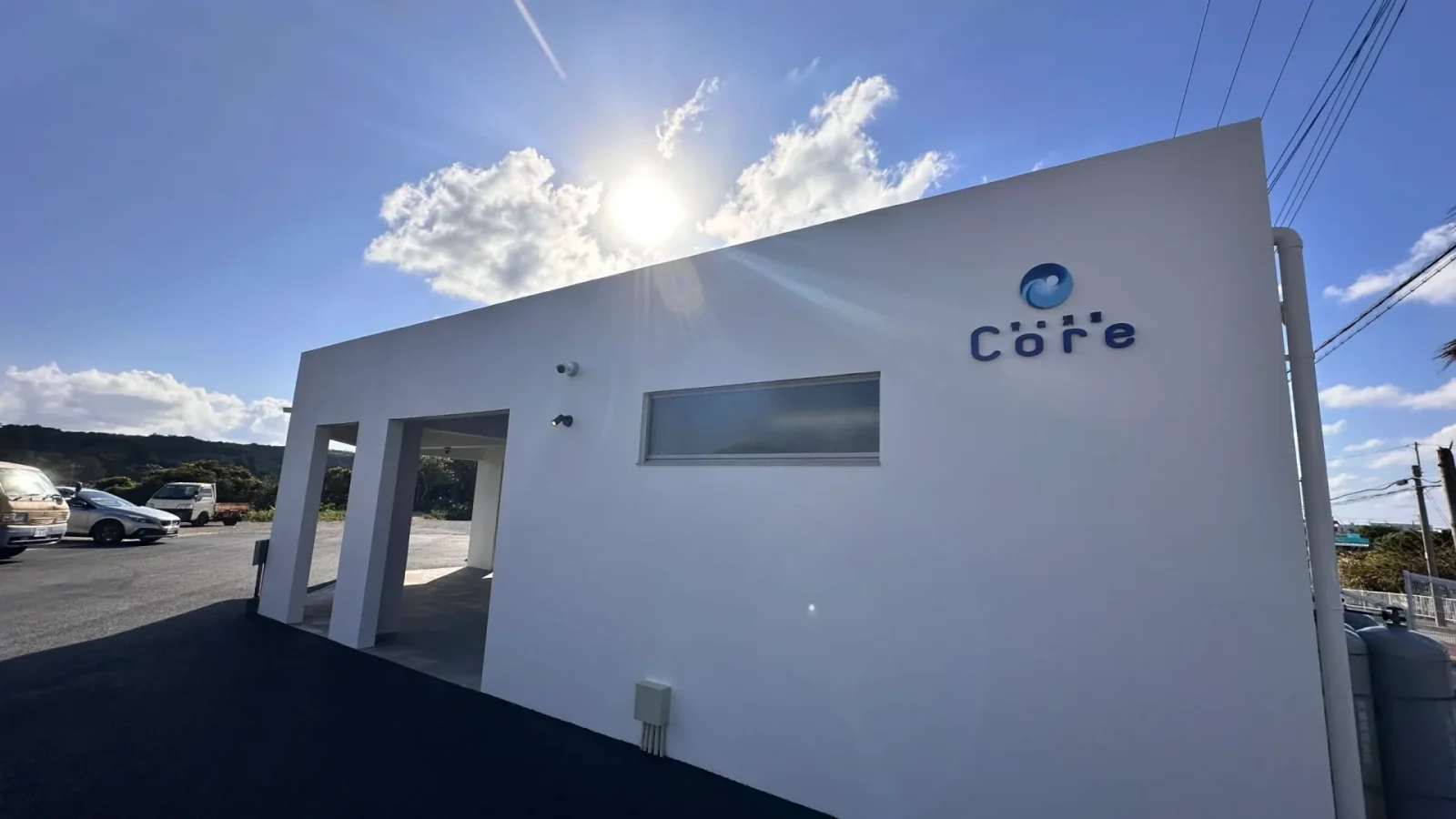
Our shop, Okinawa Blue Cave Kai・la, is a tenant in the brand-new "Blue Cave Core" building, so you can enjoy the Blue Cave in a clean facility!
You can also use the air-conditioned powder room, which is a big hit with women!
Choose a tour that fits your goals and wishes, and enjoy Okinawa's Blue Cave with peace of mind and safety!
Okinawa Blue Cave: Recommended nearby spots to enjoy along with it
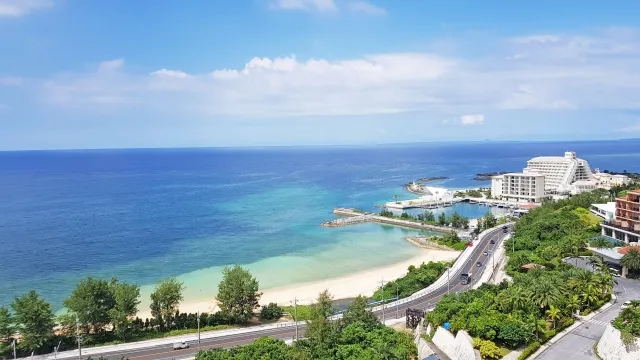
To make your Blue Cave experience even more memorable, we recommend visiting nearby Okinawa sightseeing and activity spots.
Around Cape Maeda, there are many places where you can feel Okinawa's history and culture, and many activities the whole family can enjoy.
Here we introduce recommended spots to enjoy along with the Blue Cave.
Recommended sightseeing spots in Okinawa nearby
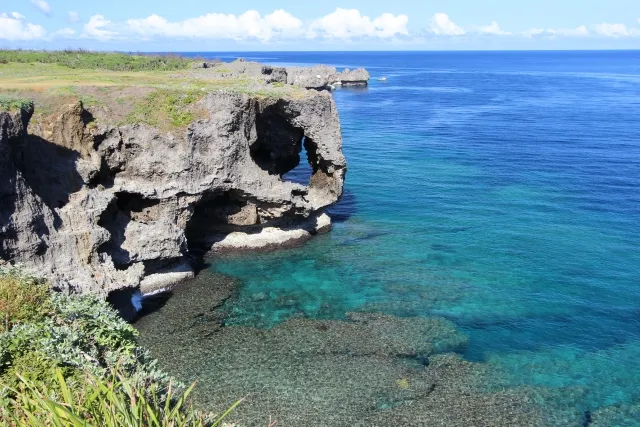
There are many sightseeing spots around the Blue Cave, starting with Manzamo, but here are the spots the author recommends.
World Heritage site: Zakimi Castle Ruins (5 km from the Blue Cave)
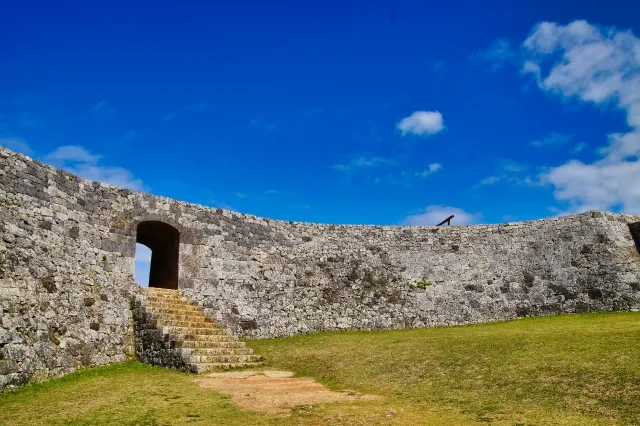
Zakimi Castle Ruins are the remains of a castle built in the 15th century during the Ryukyu Kingdom era, and they are now registered as a World Heritage site.
The scenery, where you can feel Okinawa's nature alongside the historic architecture, is also one of the highlights.
In particular, the beautiful view of the sea from the castle ruins is spectacular, letting you enjoy both Okinawa's history and its natural charm at once.
Ryukyu Mura (1.8 km from the Blue Cave)
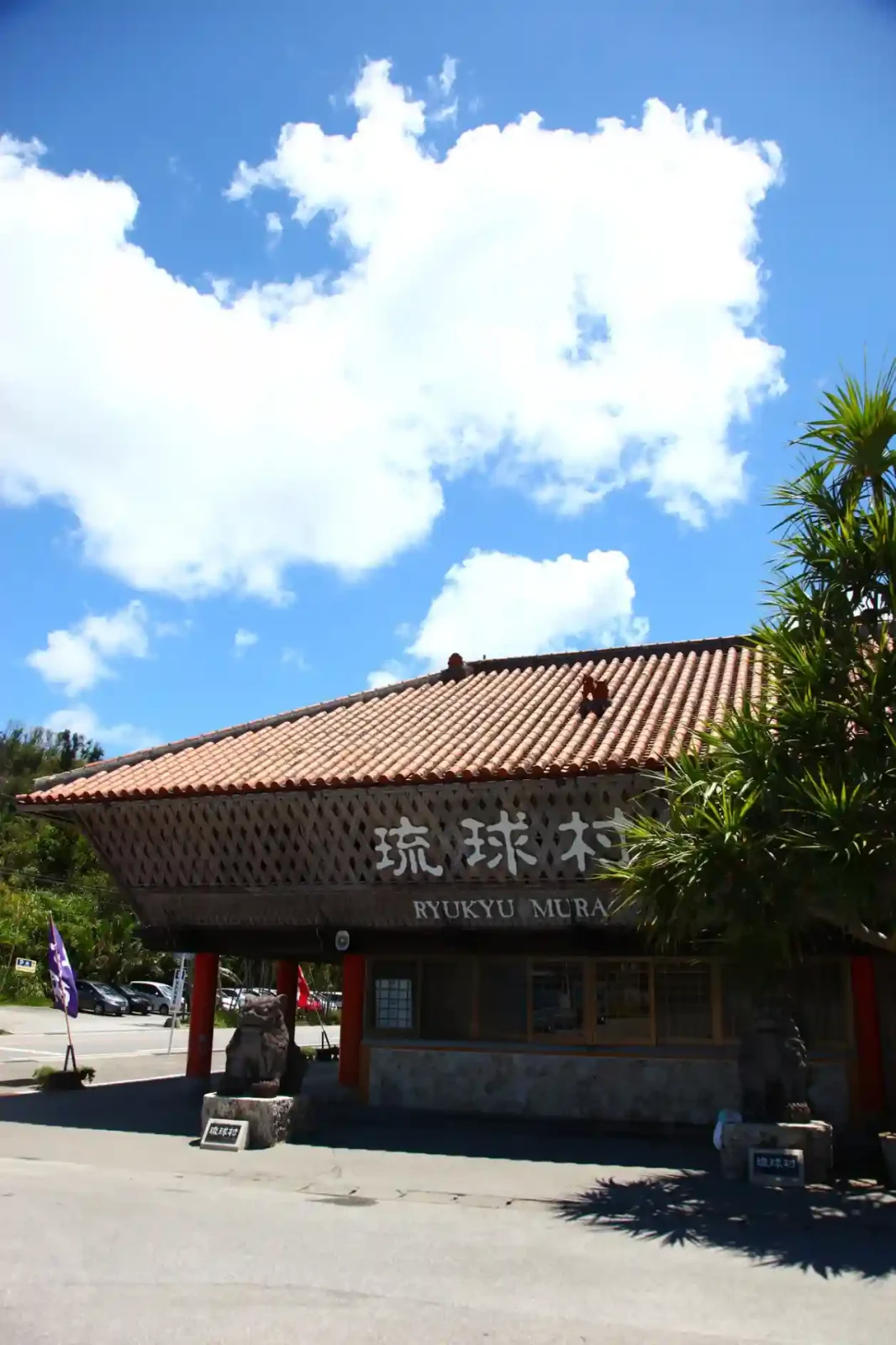
Ryukyu Mura is a theme park where you can experience traditional Okinawan culture.
It has plenty to offer, including old-style houses, eisa dance performances, and workshops where you can try making shisa or pottery, so you can get a taste of traditional Okinawan culture.
There is a lot that families with children can enjoy, so it's perfect for making travel memories.
Recommended hands-on spots nearby
Handmade Workshop Tatsubo (about 1.4 km from the Blue Cave)
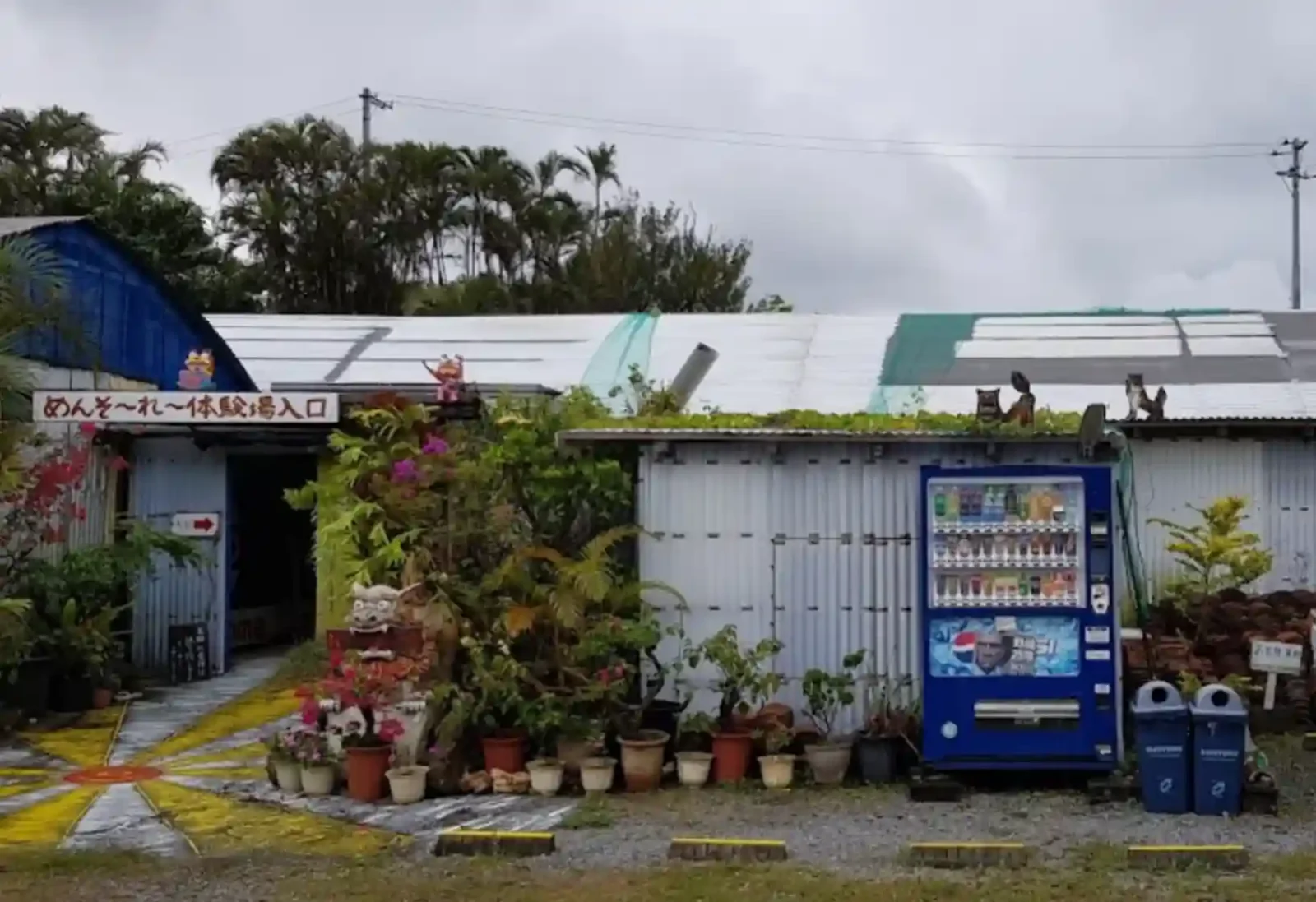
Tatsubo is a workshop that offers plaster shisa making using Ryukyu plaster, shisa coloring experiences, and sales.
Ryukyu plaster is the plaster used for the shisa that sit on the roofs of Okinawan houses.
There are lots of unique shisa, including cute ones and roof-tile shisa, and choosing is truly fun.
Why not make a shisa all your own? Even adults get absorbed in it!
You can make shisa without a reservation on the day.
You can take most of the shisa home the same day.
Hours are 10:00-17:00 (last reception 18:00)
• Making + coloring: from 10:00, last reception 15:30
• Making experience: from 10:00, last reception 16:30
• Coloring experience: from 10:00, last reception 17:00
Just watch out for the last reception times!
Yachimun no Sato (about 4.5 km from the Blue Cave)
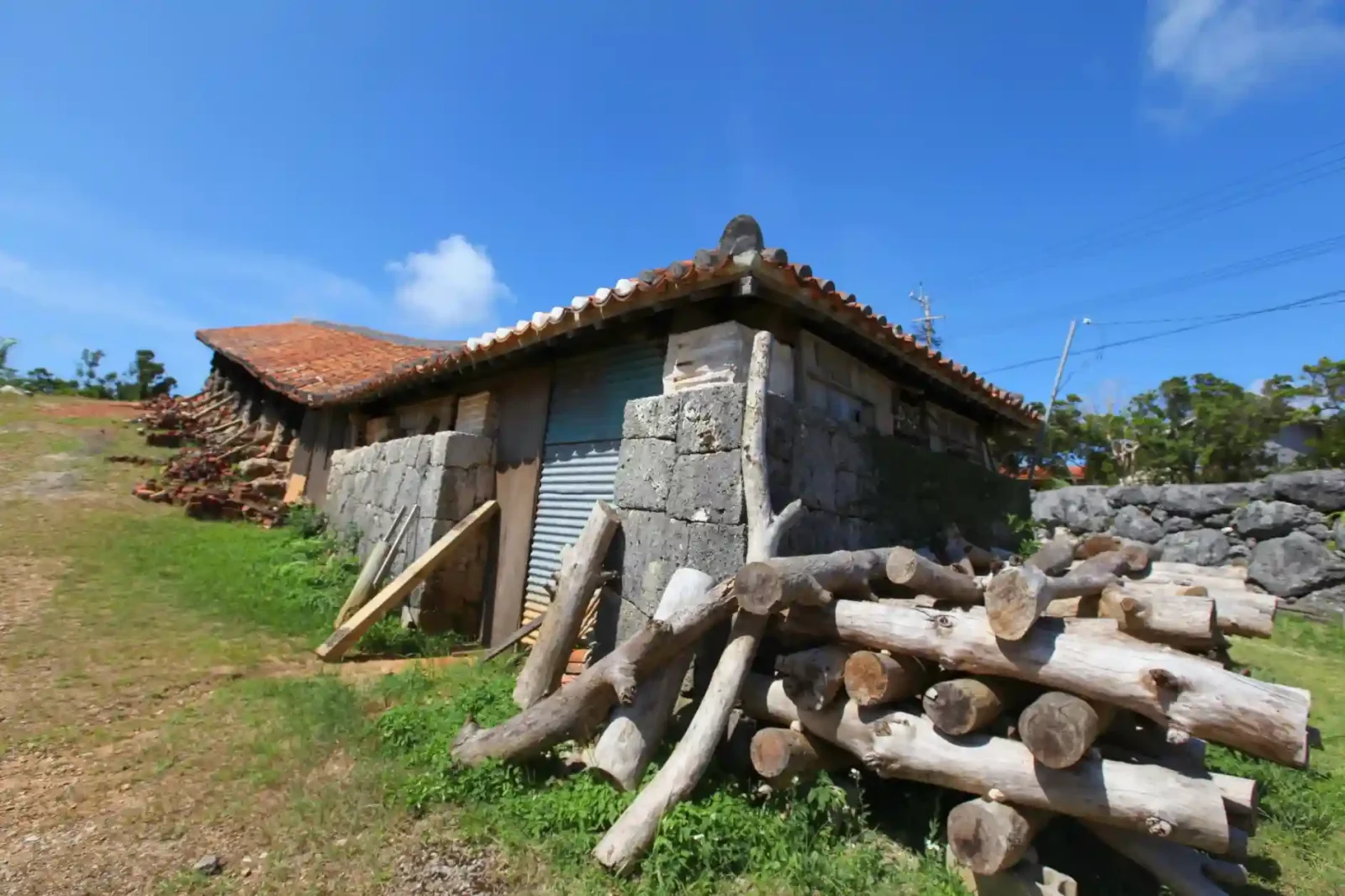
Yachimun no Sato is a place where "yachimun," traditional Okinawan pottery, comes together.
Many workshops and galleries run by distinctive potters are scattered here.
Unlike sea activities, you can enjoy traditional Okinawan art in a quiet, mountain-nestled setting.
The pottery is simple and warm, and each workshop has its own specialty.
You'll want to find a favorite piece and treasure it forever as a memory of Okinawa.
Forest Adventure In Onna (about 1.7 km from the Blue Cave)
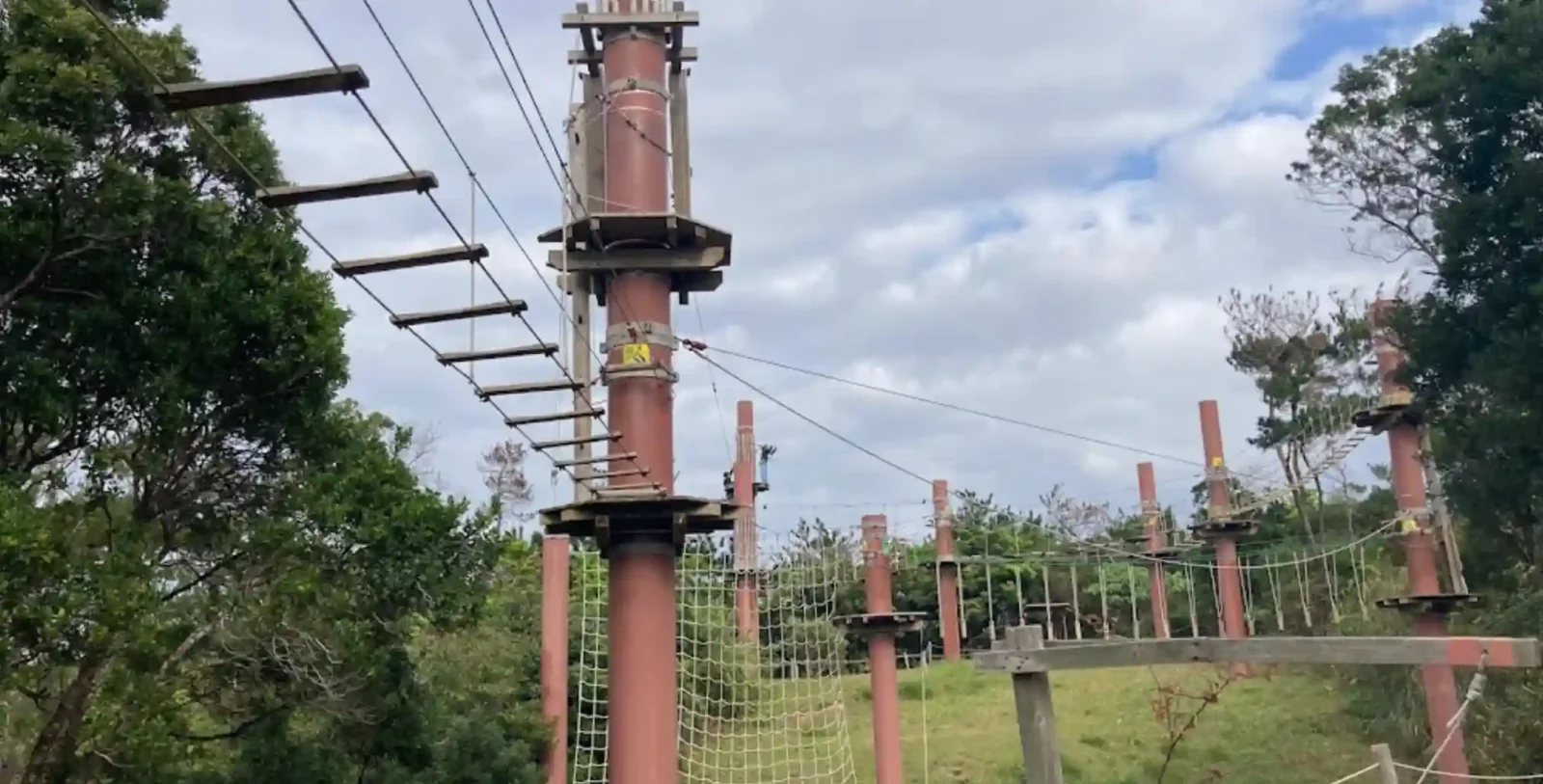
If you want to get active and move your body, we recommend Forest Adventure.
The adventure courses through the forest are packed with thrilling activities such as Tarzan ropes and suspension bridges! You can move your body to the fullest in the great outdoors.
After enjoying the Blue Cave, you can spend the rest of the day on
land-based activities, which sounds like a day filled with nature.
The nearest convenience store to the Blue Cave
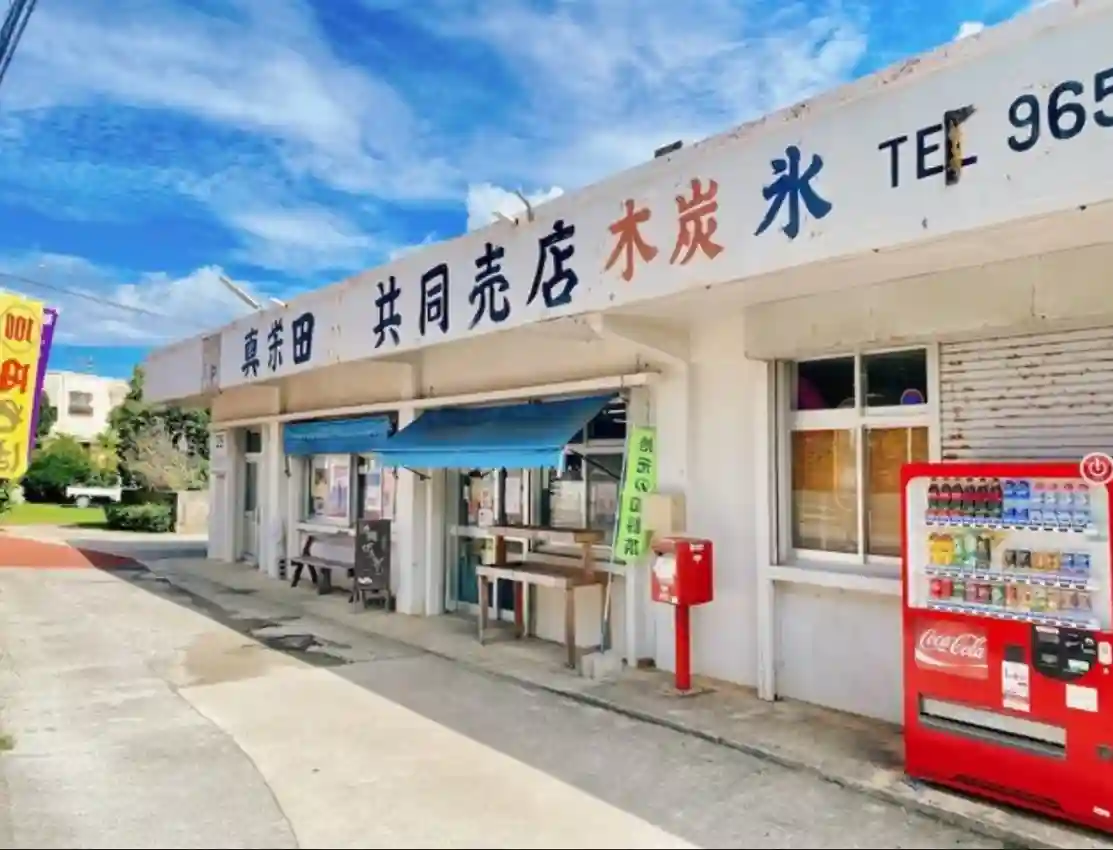
Maeda Store
The best-known convenience store closest to the Blue Cave is "Maeda Store."
At Maeda Store, you can buy drinks and light snacks, as well as medicine or sunscreen you suddenly need.
It also carries ice cream and beach goods.
The ice cream is from Blue Seal, a famous Okinawan brand.
Here are the beach goods they carry.
• Swimsuits (2,500 yen)
• Surf shorts (2,500 yen)
• Water shoes
• Inflatable rings (kids' to adult sizes)
• Snorkel sets
• Fins
• Rash guards, and more
A slightly unusual coffee is also popular. Its name: "Coral-Roasted Coffee."
They say the coffee beans are roasted by heating weathered coral skeletons to over 200 degrees Celsius.
Because the beans are slowly roasted with coral heat, it's a cup that lets you enjoy the coffee's natural mellowness.
Incidentally, Okinawan coral is prohibited from being taken out of the prefecture.
Why not try "Coral-Roasted Coffee," an Okinawa-only coffee you can drink only in Okinawa?
There are almost no commercial facilities around Cape Maeda, so this shop is a reliable presence for tourists.
It's a good idea to stop by before or after your Blue Cave visit and stock up on what you need.
Hours are 07:30-21:00.
Conclusion
The Blue Cave is an especially popular spot among Okinawa's sights, captivating many people with its mysterious blue world.
If you understand everything from its location to parking information, nearby facilities, and ways to enjoy it, you can fully enjoy the charm of the Blue Cave.
There are various tour options and entry methods, so choosing the one that suits you will make it an even more enjoyable adventure.
Also, the area around the Blue Cave is full of spots with Okinawan history and culture and active experiences!
After enjoying your Blue Cave experience, savor all of Okinawa's charms, from its beautiful scenery to its traditional crafts.
An unforgettable, special Okinawa memory is waiting for you!