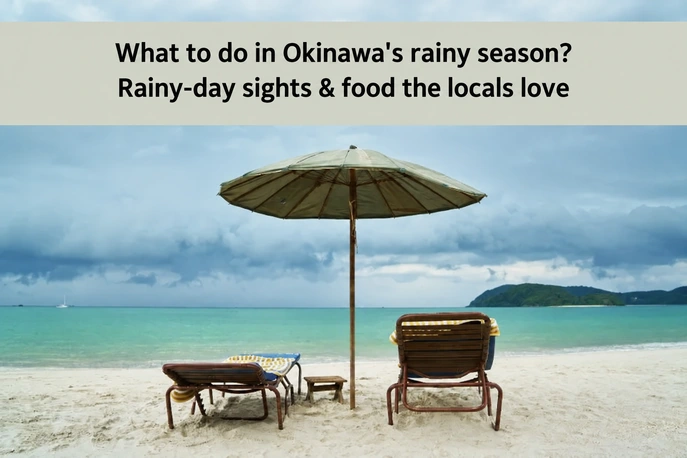
Okinawa's typhoon season may at first seem unsuitable for travel, but it can also be an excellent opportunity for distinctive attractions and experiences.
This article clearly explains how typhoons affect Okinawa's climate and its characteristic weather patterns, and introduces safety measures, advance preparation and emergency responses for travel.
We also introduce examples of spectacular scenery and highlights unique to typhoon season, including snorkeling at the Blue Cave, seaside and mountain areas, and indoor attractions that can be enjoyed in rain.
It is packed with practical information for enjoying an Okinawa trip with peace of mind, including booking flights and accommodation and checking cancellation policies.
Through this article, you can gain specific strategies and knowledge to minimize the risks of visiting during typhoon season and enjoy a safe, rewarding trip.
Conclusion
To start with the conclusion, caution is needed for safety during Okinawa's typhoon season or a direct typhoon hit, but I do not think any special preparation is necessary.
Rather than worrying about Okinawa's typhoon season, I recommend scheduling what you want to enjoy without worrying about it.
Even if a typhoon approaches, its effects rarely continue for long, so I hope you can have a better Okinawa trip.
An overview of Okinawa's typhoon season
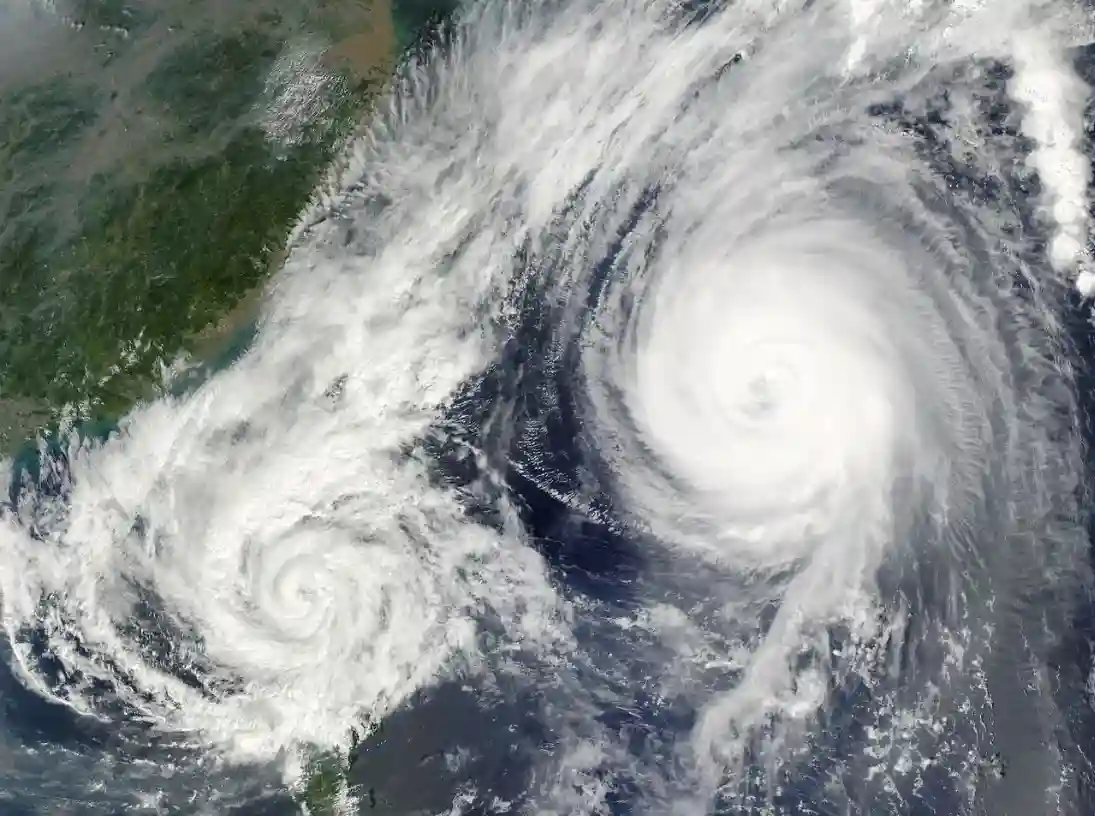
Okinawa has a tropical climate and is affected by typhoons every year.
Typhoon season generally lasts from May through November, and heavy winds and rain frequently occur over sea and land during this period, affecting everyday life and sightseeing in various ways.
It is necessary to understand the outline of typhoon season using reliable sources such as the Japan Meteorological Agency and plan a safe, comfortable trip.
How typhoons affect Okinawa
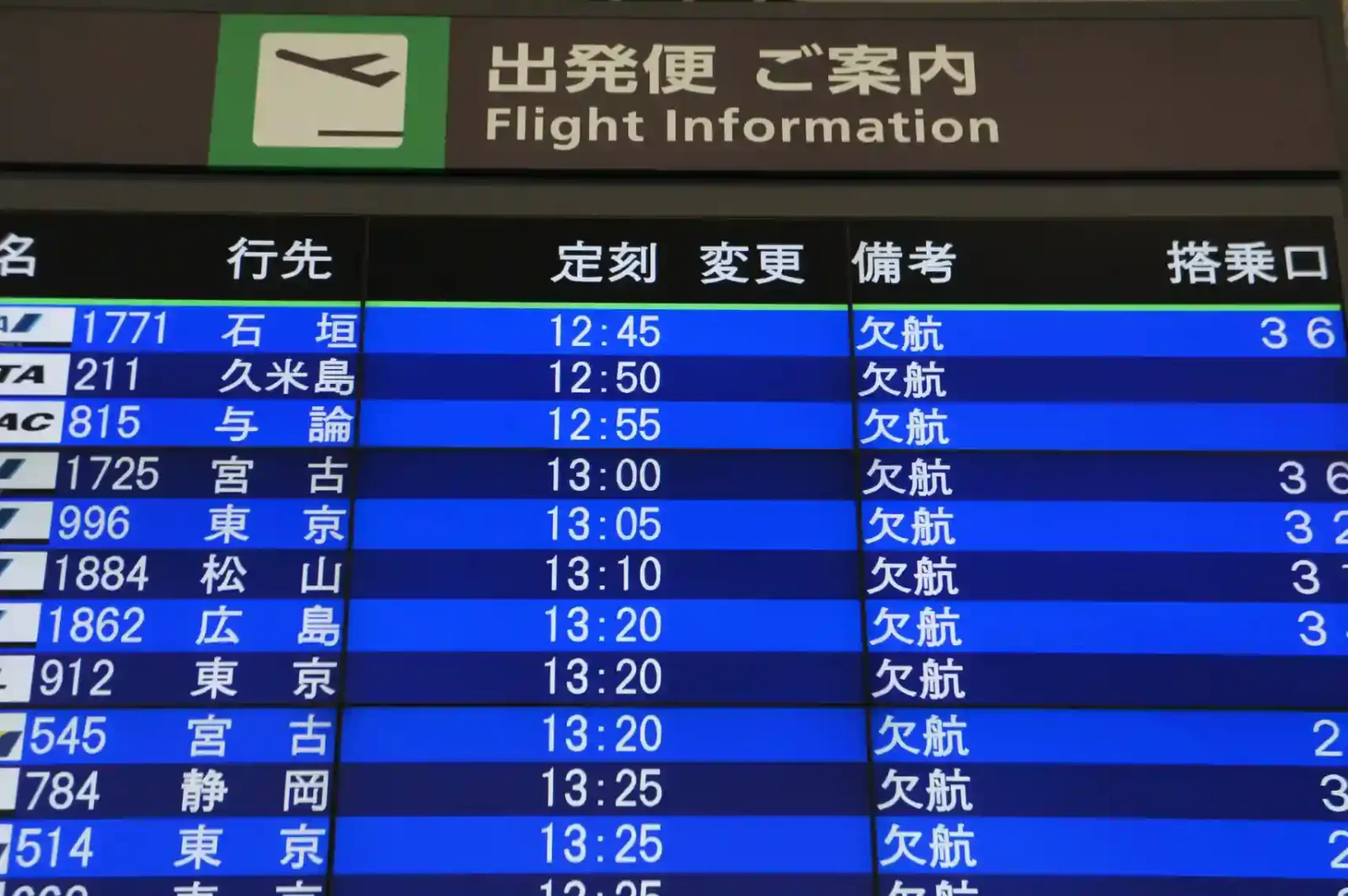
Typhoons directly affect Okinawa through strong winds, heavy rain and storm surges and also cause secondary damage such as suspended transportation, flooded roads and damage to bridges and facilities.
When they coincide with the tourist season in particular, there are concerns about their effects on travelers, making advance information gathering and safety measures important.
The following table summarizes the main areas affected by typhoons in Okinawa and specific examples.
| Affected area | Specific effects |
|---|---|
| Transportation | Flight cancellations, suspended boat services, delays to public transportation |
| Buildings and infrastructure | Partial damage to buildings, interruptions to electricity supply, disrupted communications |
| Tourism | Temporary closures of tourist facilities, sudden booking cancellations and changes |
Evacuation orders may also be issued for local residents, and because ensuring safety takes priority, travelers must keep checking the latest information.
Weather trends and characteristics during typhoon season
Okinawa's typhoon season features complex weather patterns, with sudden drops in temperature and rises in humidity observed as a typhoon approaches.
Typhoon tracks generally tend to move from west to east, and depending on their path, strong winds and rain may concentrate on certain outlying islands or the northern main island.
This brings rapid weather fluctuations and situations that can be difficult to predict.
The following table summarizes general weather trends during Okinawa's typhoon season and precautions.
| Period or stage | Characteristics | Precautions |
|---|---|---|
| Initial approach | Increasing wind speeds, localized heavy rain | Adjust schedules in preparation for sudden weather changes |
| Passage of the center | Peak strong winds and concentrated heavy rain, rapidly rising waves | Plan indoor activities and confirm safe evacuation locations |
| Lingering effects | Subsiding winds and rain, high humidity and fluctuating temperatures | Stay alert for follow-on localized disasters |
With these weather trends in mind, travelers are advised to check the latest local weather information frequently through reliable sources such as the Japan Weather Association or Weathernews.
Travel planning and safety measures during typhoon season
Advance preparation and reviewing your itinerary

For an Okinawa trip during typhoon season, careful planning and preparation before departure are very important.
Always check the latest weather information before traveling, including that day's weather and forecasts of the typhoon's path.
The official websites of the Japan Weather Association and Japan Meteorological Agency are reliable and updated quickly, so we recommend consulting them.
You also need to review your itinerary so that it can be adapted flexibly.
For example, a plan centered on outdoor activities is easily affected by typhoons, so preparing alternatives such as indoor attractions, shopping malls and museums that can be enjoyed in rain offers reassurance.
It is also important to check accommodation and rental car booking and cancellation policies carefully and prepare for possible changes.
Use the following table to organize your pre-travel checklist and schedule.
| Item to check | Details | Reference information |
|---|---|---|
| Weather information | Check the latest weather information before departure and during your stay | Japan Meteorological Agency official website |
| Accommodation | Check cancellation policies and make changeable bookings | ANA SKY WEB |
| Transportation | Check flights and local transportation service status | JAL official website |
| Emergency contacts | List local disaster information, evacuation shelters and contacts | Disaster information portal |
Considering possible changes in the typhoon's path while planning your trip helps you respond flexibly to sudden changes.
In particular, reconfirm transportation and local plans during your trip, and schedule with plenty of time to spare.
How to respond in emergencies and ensure safety
If you face sudden weather changes caused by a typhoon or unexpected local situations, you need to respond quickly.
It is important to confirm evacuation routes and meeting points in advance and check emergency exits and evacuation guidance at your accommodation.
During your stay, use smartphone apps and local disaster prevention announcements so that you can always obtain the latest weather information and warnings.
The following table shows preparation items and details for emergencies.
| Preparation item | Specific measures |
|---|---|
| Gathering information | Install disaster prevention and weather apps on your phone and check them regularly |
| Evacuation routes and meeting points | Check evacuation routes, emergency exits and evacuation sites at your accommodation and in the surrounding area in advance |
| Registering emergency contacts | Save contact information for family, friends, local contacts and disaster information centers on your smartphone |
| Preparing emergency supplies | Pack a flashlight, emergency food, portable charger, first-aid kit and other supplies in a bag |
It is also advisable to check safety procedures and emergency contact information provided by local police, fire departments and tourist information centers in advance.
To enjoy travel with peace of mind, thorough risk management is needed, using local information, reviews and firsthand experiences of typhoon season as references.
After taking safety measures, it is important to remain alert during travel and make calm decisions so that you can respond flexibly and act quickly.
For actual typhoon damage and the latest safety information, we also recommend checking information from local governments and the National Research Institute for Earth Science and Disaster Resilience.
Spectacular Okinawa spots to enjoy even during typhoon season
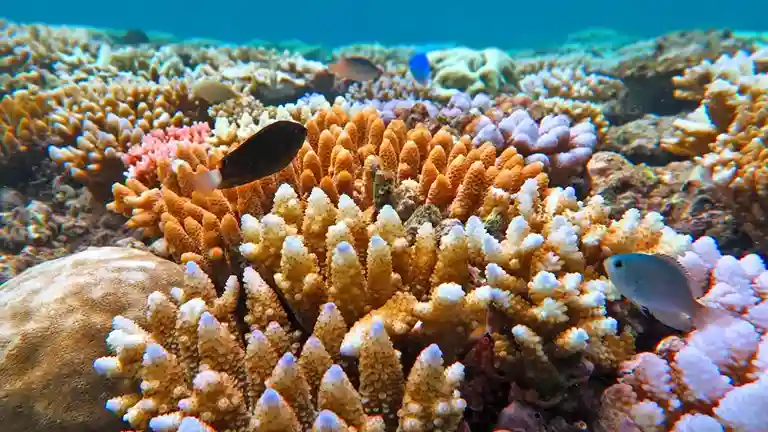
Enjoy spectacular scenery while snorkeling at the Blue Cave

Even during typhoon season, Okinawa's Blue Cave is appealing for its dreamy underwater glow and distinctive seabed terrain.
However, typhoons can cause sea conditions to fluctuate readily, so when enjoying snorkeling, it is important to check local weather information thoroughly and take careful safety measures.
Prepare a life jacket, warm clothing and a waterproof camera in advance, and follow the instructions of local instructors and guides.
We recommend checking official websites such as the Okinawa Convention and Visitors Bureau regularly for information supporting safe marine activities.
| Equipment | Why it is needed |
|---|---|
| Life jacket | Essential in preparation for sudden sea changes |
| Waterproof camera | Record beautiful underwater scenery |
| Warm clothing | Cope with sudden temperature changes during typhoons |
Seaside scenery and safe sightseeing points
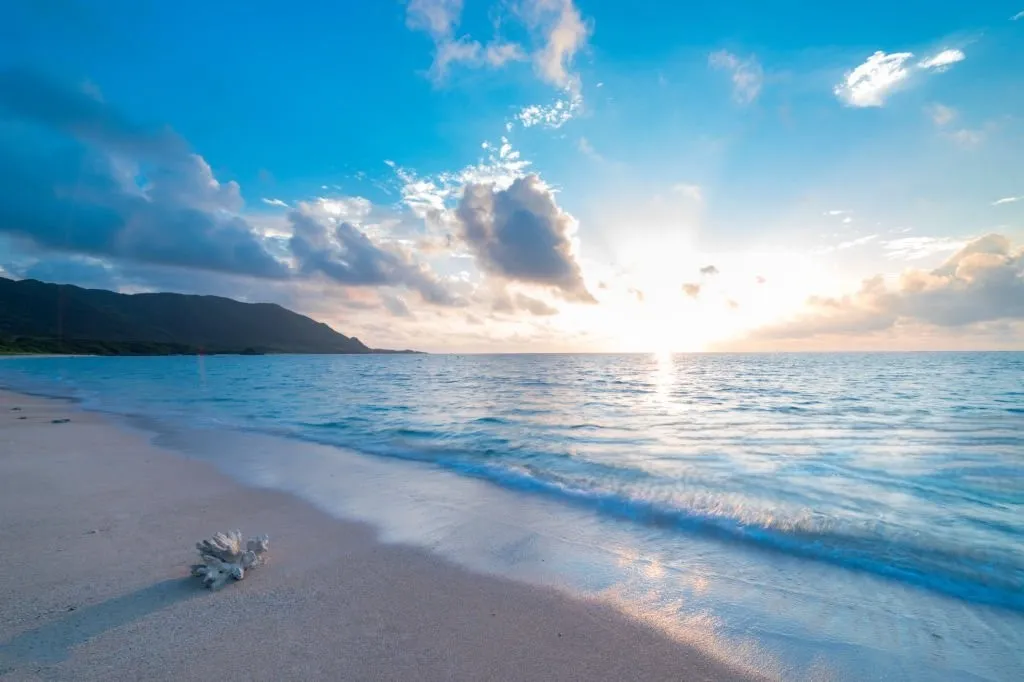
Although the coastline is affected by typhoons, Okinawa has seaside sightseeing spots that can be enjoyed relatively safely even during typhoon season.
In particular, beaches surrounded by nature have well-developed tourist facilities and disaster prevention measures, allowing you to enjoy seaside scenery with peace of mind.
Check local warnings and advisories and act according to the situation.
For safe seaside sightseeing points, also consult Okinawa Prefecture's official tourism information website and local government disaster prevention information.
| Beach | Location | Features |
|---|---|---|
| Manza Beach | Onna Village | Developed facilities and relatively calm sea conditions offer reassurance |
| Kouri Beach | Nakijin Village | Enjoy the contrast between beautiful sand and sea, with thorough safety measures |
Spectacular views from mountain areas and high ground
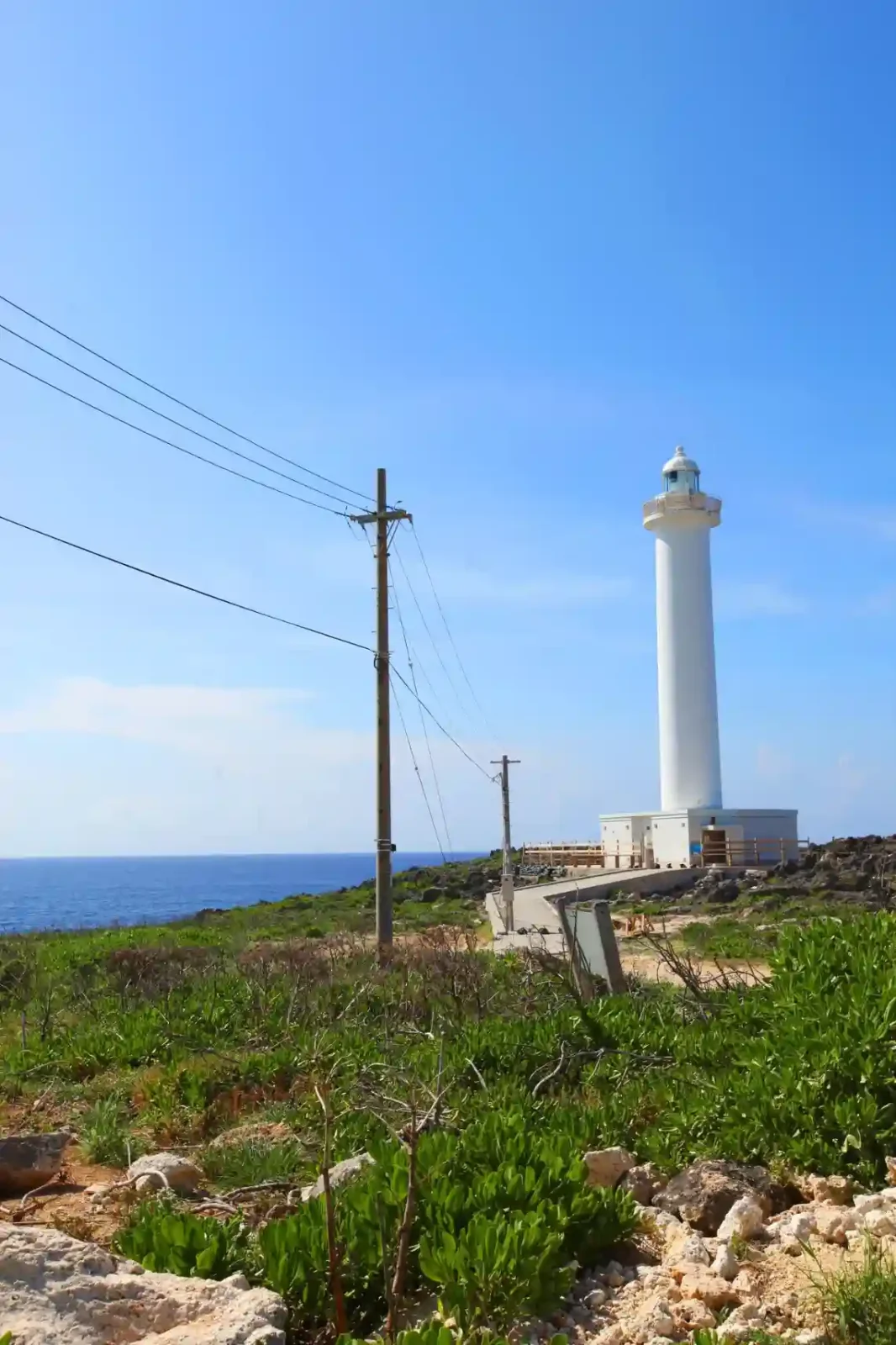
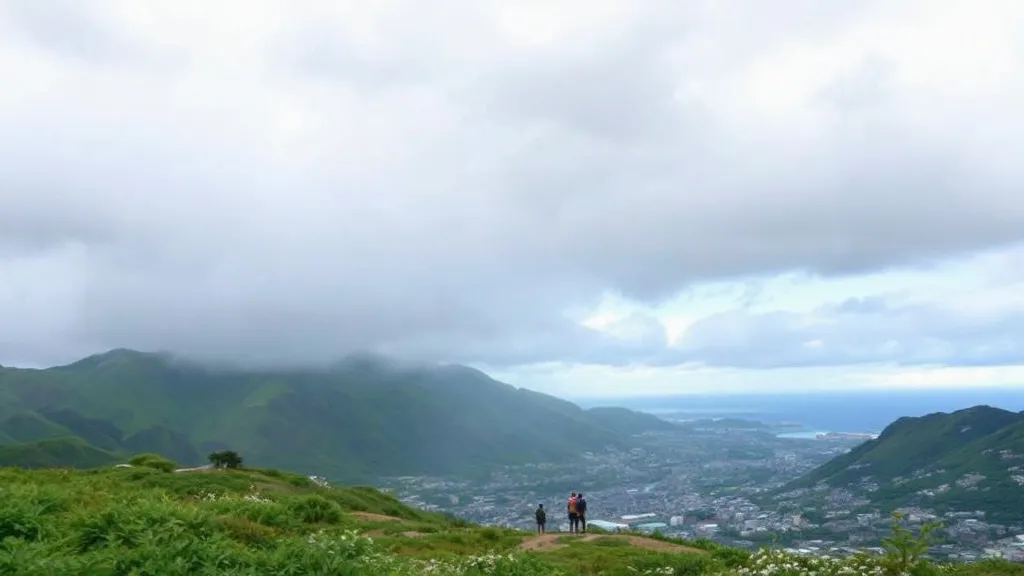
Northern and inland areas of Okinawa's main island have spectacular viewpoints in mountain areas and on high ground where you can experience nature's unchanging beauty even during typhoons.
These spots offer panoramic views of the sea and mountains, and scenery appearing through breaks in the clouds before or after a typhoon's approach can be unforgettable.
To enjoy hiking and driving safely, pay close attention to local weather changes and check the latest information.
| Viewpoint | Location | Features |
|---|---|---|
| Cape Zanpa observation point | Yomitan Village | Enjoy magnificent scenery even before or after a typhoon |
| Yanbaru hiking trails | Kunigami District | In nature-rich mountain areas, experience the atmosphere of a typhoon alongside seasonal scenery |
Indoor attractions to enjoy even in rain

Even with sudden rain brought by a typhoon, Okinawa has many facilities offering rewarding indoor sightseeing experiences.
In particular, Okinawa Churaumi Aquarium and Ryukyu Glass Village offer impressive displays and experience programs characteristic of indoor facilities, enjoyable even on rainy days.
At these facilities, you can experience Okinawa's nature and traditional culture without worrying about poor weather caused by a typhoon, making them worthwhile additions to your itinerary.
When visiting indoor facilities, we recommend checking the latest information on their official websites in advance, including crowding and admission restrictions.
| Facility | Location | Features |
|---|---|---|
| Okinawa Churaumi Aquarium | Motobu Town | Enjoy extensive displays even in rain, with one of the world's largest tanks |
| Ryukyu Glass Village | Itoman City | An indoor facility featuring traditional craft experiences and beautiful glass works |
You can check the latest information on the official websites of Okinawa Churaumi Aquarium and Ryukyu Glass Village.
Useful information and recommended points for Okinawa travel
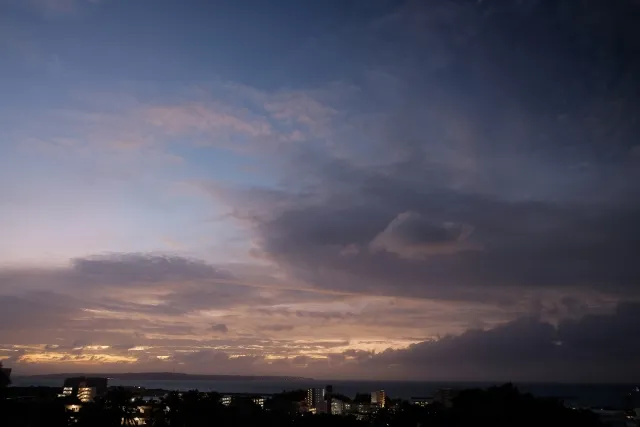
When planning a trip to Okinawa, advance information gathering and preparation are essential for enjoying it with peace of mind even during typhoon season.
Below we introduce detailed, practical advice for planning travel, including choosing your travel period and checking flight and accommodation bookings.
Recommended travel periods and how to choose the best season
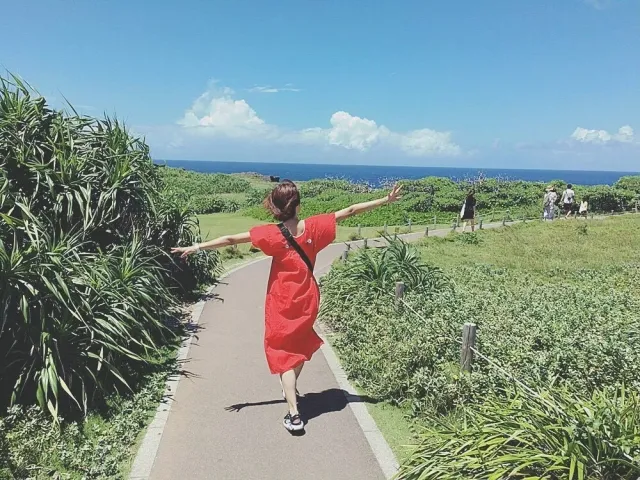
Okinawa is one of Japan's especially appealing resort destinations, but considering weather conditions and typhoon effects makes choosing when to travel very important.
Spring and fall, peak sightseeing seasons, are expected to offer comfortable weather and are considered to have relatively fewer concerns related to typhoon season.
Generally, April through June and October through November are considered the best seasons for Okinawa travel, with moderate humidity and temperatures allowing full enjoyment of the sea and natural scenery.
You can check detailed weather information on the Japan Meteorological Agency official website.
Even during typhoon season, scheduling for relatively calm days and preparing for flexible changes, such as checking the latest forecast just before travel, can make your trip safe and comfortable.
Checking flight and accommodation bookings and cancellation policies
Because typhoon effects may require sudden changes, carefully check flight and accommodation booking conditions and cancellation policies in advance.
For bookings during typhoon season in particular, it is important to keep the following points in mind.
Points to note when booking flights
Some airlines have policies for service changes and cancellations during natural disasters such as typhoons.
Choosing an airline with free or low-cost change fees and a comprehensive refund policy offers reassurance.
We also recommend using a service that lets you check real-time flight information when booking online.
Points to note when booking accommodation
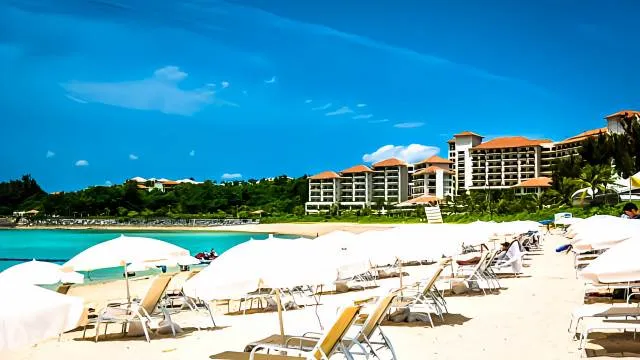
For accommodation as well, check whether cancellation policies are flexible.
In particular, it is important to check whether clear policies cover the risk of changes caused by poor weather shortly before your stay.
On accommodation booking sites, check reviews and the property's official website for detailed information so that you can proceed with confidence.
A comparison table to organize information

| Item | Points to check | Notes |
|---|---|---|
| Flights | Service change and cancellation policies, whether change fees apply | Check the latest information on each airline's official website |
| Accommodation | Cancellation policies, refund conditions, possibilities for changes | Read booking site descriptions and FAQs carefully |
| Rental car, if needed | Cancellation fees, driver insurance, operating conditions during typhoons | Compare companies' plans before entering a contract |
Travel agencies and accommodation booking sites sometimes offer discounted plans or rescheduling options specifically for typhoon season, so regularly checking the latest promotional information can be very useful.
When gathering information, use reliable travel information websites and local government tourism websites.
For example, the Okinawa Convention and Visitors Bureau website has extensive current local information and event details that are useful for planning a trip.
With these points in mind, thorough advance preparation can help you enjoy a reassuring, memorable Okinawa trip even during typhoon season.
Conclusion
This article has covered basic information, specific sightseeing spots and safety measures for enjoying an Okinawa trip with peace of mind even during typhoon season.
Understanding typhoon effects on Okinawa and weather trends accurately clarifies the importance of reviewing plans and preparing in advance, enabling flexible responses to sudden weather changes.
For example, safely visiting spectacular Okinawa spots such as the Blue Cave for snorkeling, seaside and mountain views, and indoor facilities enjoyable even in rain requires checking the latest forecasts and understanding cancellation policies and emergency responses.
The conclusion of this article is that, even during typhoon season, travel plans and safety measures that minimize risk allow you to enjoy Okinawa's natural beauty, culture and sightseeing spots with peace of mind.
Before traveling, check your flight and accommodation bookings, consider possible plan changes according to local conditions and prepare thoroughly for a safe, reassuring trip.