For those planning a trip to Okinawa.
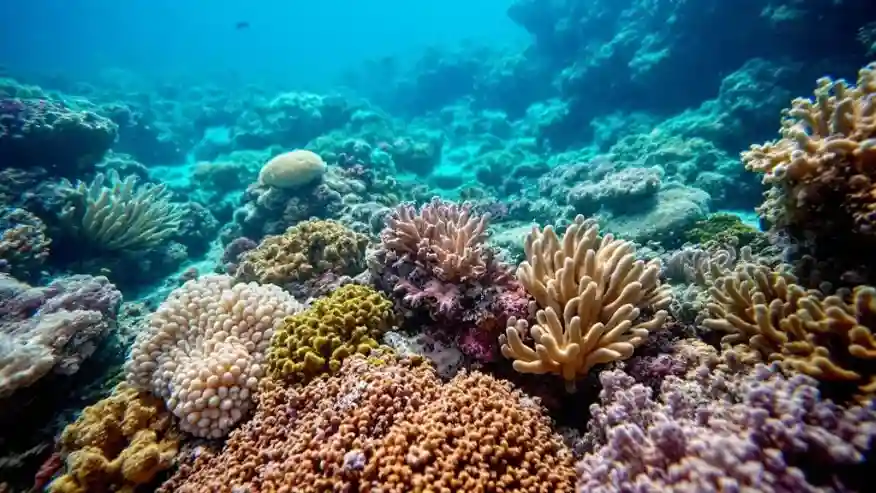
In this article, our local staff draw on their own experience to thoroughly explain the current state of the coral reefs spreading across Okinawa's beautiful sea and the efforts to protect them.
We explain in plain terms why taking coral home is prohibited, the importance of environmental conservation behind it, and the current state of laws and regulations in Japan and abroad.
We also introduce the rules travelers must actually follow, local etiquette, the checks at airports and customs, and the risks of violations.
We also cover eco-friendly travel plans for enjoying Okinawa with peace of mind and recommended alternative souvenirs, with all the points you need to create memories while caring for nature.
By reading this article, you will deepen your understanding of Okinawa's natural beauty and the rules that must be observed to protect it, and it is sure to help you plan a safer and more fulfilling trip.
The current state of Okinawa's coral and conservation efforts
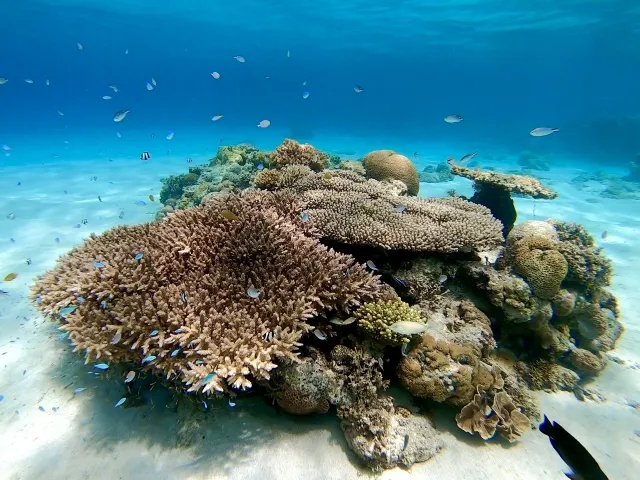
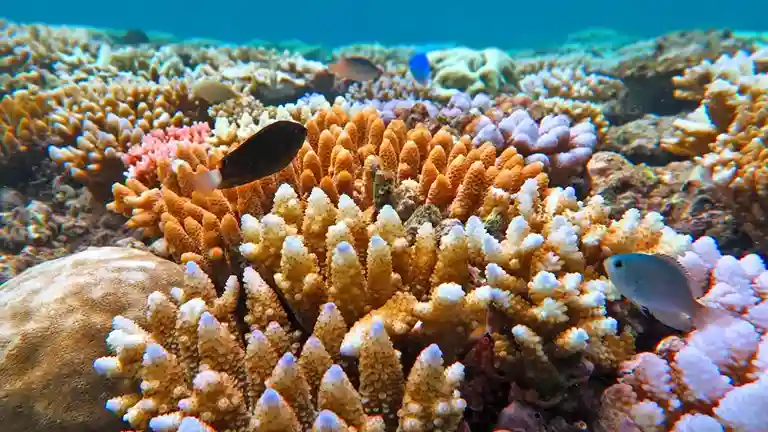
Okinawa is highly regarded in Japan and abroad for its beautiful coral reefs and clear sea, and it is a precious ecosystem that is home to a diverse range of marine life.
However, climate change, marine pollution, and excessive numbers of visitors are harming the coral, and ongoing conservation efforts are needed.
The beauty of Okinawa's sea and coral reefs
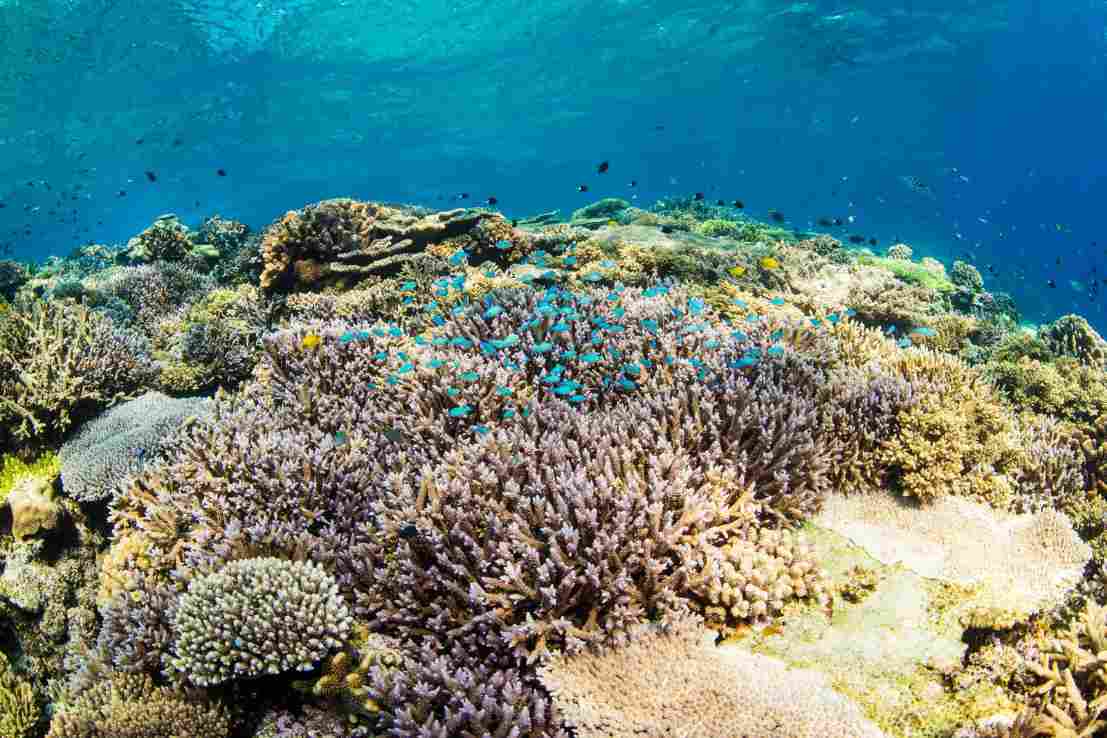
Okinawa's sea is known for its high transparency and for the many coral reefs that spread through it.
These coral reefs play a very important role as habitats for diverse marine life and as fishing and tourism resources for the region.
Visitors are captivated by the unique scenery and the colorful creatures under the sea, and find new discoveries and thrills every time they come.
Furthermore, conservation activities carried out in cooperation by local residents, environmental organizations, and government agencies are a major achievement in the pursuit of sustainable use of the sea.
Through regular underwater cleanups, the installation of artificial reefs, and environmental education programs, environmental awareness is being raised among the next generation.
| Item | Details |
|---|---|
| Diversity of scenery | Magical scenery woven from clear blue sea and colorful coral |
| Richness of the ecosystem | Tropical fish and other marine life live together, forming a well-balanced ecosystem |
| Ties with the local economy | As a tourism resource it enriches the local economy and has great value shared with local residents |
This natural beauty of Okinawa is maintained by conservation efforts in which the whole community works as one, and it will continue to draw attention from Japan and abroad.
Laws and initiatives related to coral conservation

To protect coral reefs, initiatives based on laws, ordinances, and international treaties in Japan and abroad are essential.
In Japan, the Marine Environment Conservation Act and the Natural Monuments Protection Act form the basis of coral reef protection, and these legal systems aim to prevent marine pollution and conserve the natural environment.
Internationally, CITES (the Convention on International Trade in Endangered Species of Wild Fauna and Flora) strengthens regulation of the international trade in coral and related organisms.
This prevents overharvesting and improper trade of coral and creates a framework for environmental protection that crosses national borders.
| Law / treaty | Scope | Overview |
|---|---|---|
| Marine Environment Conservation Act | Marine ecosystems in general | Aims to prevent marine pollution and conserve ecosystems, and coral reefs are also covered by its protection. |
| Natural Monuments Protection Act | Rare natural phenomena and groups of organisms | To protect valuable natural heritage in Japan, natural phenomena such as coral reefs are also covered. |
| CITES | Endangered species and related organisms | Establishes protective measures for international trade and prevents the improper import and export of organisms such as coral. |
As for government agencies, the Ministry of the Environment plays the central role, carrying out on-site surveys, drawing up conservation policies, and conducting monitoring that uses the latest technology.
Local governments such as Okinawa Prefecture have also put in place their own ordinances and guidelines, raising awareness among travelers and local residents of the importance of environmental protection and sustainable use of tourism.
In addition, volunteer activities by non-governmental organizations and citizens' groups are thriving, and through regular underwater surveys and coral restoration projects, efforts to restore the local coral reefs are moving forward.
Through such multifaceted activities, Okinawa's natural environment is being protected as a precious resource to be passed on to the next generation.
Why taking coral home is prohibited
The importance of environmental conservation
The coral reefs spreading through Okinawa's beautiful sea are an important environmental resource that supports the diversity of the ecosystem.
Coral reefs not only provide habitat for many marine organisms but also contribute to maintaining the balance of the natural environment, for example by preventing coastal erosion and purifying water.
For this reason, collecting coral or taking it home is said to have the potential to cause irreparable damage to these ecosystems.
Furthermore, in the tourism industry as well, coral reefs are an important tourism resource for Okinawa, and both environmental conservation and tourism promotion are required.
It is necessary for each and every visitor to act with a sense of responsibility toward the local natural environment.
| Role of coral reefs | Description |
|---|---|
| Conservation of biodiversity | They serve as habitat for many marine organisms and form the foundation of the food chain. |
| Coastline protection | Coral softens strong waves and plays a role in reducing coastal erosion and typhoon damage. |
| Tourism resource | The beautiful underwater scenery attracts visitors and contributes to revitalizing the local economy. |
For these reasons, collecting or destroying coral has a serious impact on the environment as a whole, so taking it home is strictly prohibited.
More detailed information is available in the Ministry of the Environment's biodiversity information.
The current state of rules and regulations in Japan and abroad
In Japan, laws and ordinances on conserving the natural environment strictly restrict the collection of marine life, including coral.
For example, within Okinawa Prefecture coral is positioned as a natural monument or protected species, and harsher penalties for taking it home are being introduced.
Internationally as well, efforts to prevent overharvesting of coral are spreading, and its handling is regulated under frameworks such as CITES (the Convention on International Trade in Endangered Species of Wild Fauna and Flora).
As a result, efforts by not only Japan but countries around the world to work together toward sustainable use of marine resources are being strengthened.
Summarizing the regulatory situation in Japan and abroad, we can see that various agencies and ordinances are taking measures from both sides of environmental protection and sustainable tourism promotion.
The table below summarizes the main laws and international regulations.
| Law / regulation | Overview |
|---|---|
| Marine Life Protection Act | Regulates the collection and trade of valuable organisms living in the sea to conserve ecosystems. |
| Natural environment conservation ordinances (by each local government) | To protect environmental resources unique to each region, they set their own regulations on collecting and taking items home. |
| CITES | An international treaty that regulates the trade of endangered species worldwide and promotes sustainable use. |
These laws and regulations function as effective means of protecting coral reefs for the future, and visitors are strongly required to comply with them.
Rules and precautions travelers must follow
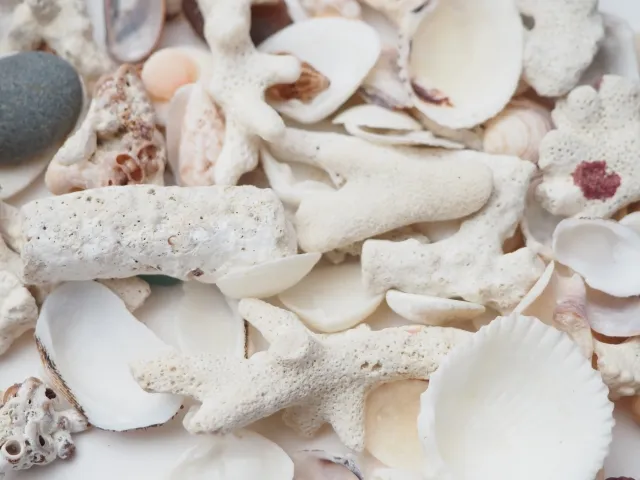
About the ban on taking things home during your trip to Okinawa
Okinawa's sea is blessed with a rich ecosystem and beautiful coral reefs, and to protect this natural environment when visiting, it is extremely important to follow local rules and laws.
In particular, taking coral home is prohibited, and strict enforcement is carried out locally.
This is because collecting coral risks destroying the marine ecosystem.
The table below summarizes the main prohibited acts regarding the ban on taking things home in Okinawa, the reasons, and examples of penalties.
Having the right knowledge helps you prevent trouble on site before it happens.
| Prohibited act | Reason | Example penalties |
|---|---|---|
| Collecting coral | To maintain the marine ecosystem and prevent destruction of the natural environment | Fines, confiscation, and in some cases criminal penalties |
| Taking coral home or transporting it | To prevent a decline in coral's capacity to recover and long-term effects on the ecosystem | Legal action, fines, administrative guidance |
This rule is enforced under the guidance of the Ministry of Land, Infrastructure, Transport and Tourism and the Ministry of the Environment, and travelers are required to comply with it.
Points on etiquette and legal compliance while traveling
When traveling, you are expected not only to follow the rules but also to have respect for the local culture and environment.
Besides complying with the law, you need to act responsibly, considering the effect your own actions have on local residents and on the travelers who come after you.
The table below summarizes the main points to keep in mind while traveling, along with specific examples of putting them into practice.
By putting these into practice, you can enjoy a trip that is both worry-free and memorable.
| Rule | Description | Example |
|---|---|---|
| No taking things home | To protect the local ecosystem, collecting coral and marine life is prohibited | Do not collect coral you find on the beach; record it in photos and memories instead |
| Acting appropriately | Observe good manners and show respect for the local culture and natural environment | Take your trash home and act in accordance with local rules |
| Legal compliance | Follow the rules and laws set locally | Check signs and tourist information in advance and avoid violations |
| Practicing ecotourism | Efforts to enjoy sightseeing while protecting the natural environment | Choose eco-friendly souvenirs and take part in local conservation activities |
Also, when travelers themselves have awareness of environmental conservation, the behavior of visitors as a whole improves, which is a big plus for the local community as well.
We recommend referring to information from local governments and tourism associations and checking the latest rules and guidelines in advance.
For example, on the official Okinawa Prefecture website, information on local environmental conservation is updated from time to time.
How to enjoy Okinawa, as taught by local staff
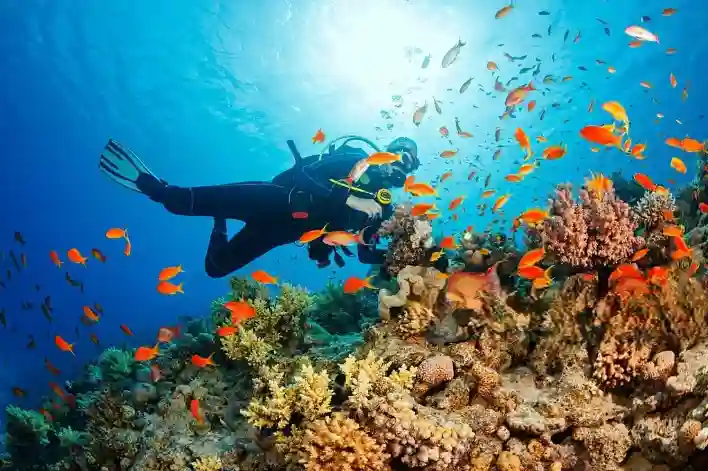
How to make a safe, eco-friendly travel plan
To pass on Okinawa's rich natural environment and beautiful sea to the next generation, plans that consider the environment are necessary.
Our local staff offer specific advice for enjoying sustainable tourism.
For example, getting around by public transportation or rental bicycle and choosing eco-certified accommodations are effective ways to enjoy Okinawa to the fullest while reducing environmental impact.
Also, collaboration with tour companies that actively engage in environmental protection is progressing locally, and you can check their efforts on sites such as the Ministry of the Environment's official website.
When making your travel plan, referring to the latest information on local nature conservation activities and ecotourism lets you achieve a sustainable travel experience.
| Plan name | Features | Details |
|---|---|---|
| Marine activity experience | Low environmental impact, ecosystem protection | On diving and snorkeling tours accompanied by a local guide, you can enjoy exploring underwater while raising your awareness of marine conservation. |
| Traditional culture and eco experience tour | Community-based, supporting locals | Through stays at minshuku guesthouses and traditional craft experiences, you can deepen your exchange with local residents while learning an environmentally friendly way of life. |
Plans like those above lead to safe, eco-friendly travel, so it is important to balance each element, such as how you set your schedule, how you get around locally, and which accommodations you choose.
Information on local initiatives and the latest events can be checked on reliable sites such as that of the Okinawa Convention & Visitors Bureau.
Recommended souvenirs and alternatives

As souvenirs from an Okinawa trip, items that let you feel the region's traditional culture and the gifts of nature are popular.
For example, Ryukyu glass and traditionally dyed textiles are loved by travelers as the fruits of beautiful design and craftsmanship.
However, coral, a precious resource of Okinawa, is prohibited by law from being taken home, so alternative souvenirs are attracting attention.
Recommended alternatives include coral-motif accessories and small items, as well as handmade crafts that imitate coral.
These show consideration for environmental protection while letting you keep the charm of Okinawa close at hand, making them a meaningful choice for travelers.
Also, our local staff recommend stores that explain in detail the background of how products are made and the materials used when you buy.
In this way, to achieve a trip that is eco-friendly and memorable, it is important to use the advice of local staff and actively take options that consider local culture and environmental protection from the planning stage.
Checks at airports and customs, and penalties

Inspection system for prohibited items
When leaving Okinawa and when returning home, customs and airport security checkpoints have a thorough system in place to check for prohibited coral and related products.
Travelers' baggage is checked for any items that fall under organisms or cultural properties protected for environmental conservation, and because strict inspections are carried out using the latest inspection technology and experienced personnel, even items brought in unknowingly may be subject to detection and confiscation.
Details of these checking procedures and the latest information are published and constantly updated on the official Japan Customs website and the official Ministry of the Environment website.
Airlines and airport facilities also carry out awareness campaigns to promote legal compliance, and travelers are strongly encouraged to check information in advance.
| Inspection item | Details | Applicable penalties |
|---|---|---|
| Coral and related products | Designated as prohibited items to take home; checks include whether there is a certificate for collection or purchase on site and whether the collection method was legal | Subject to administrative penalties, fines, and in some cases criminal penalties |
| Other items protected for nature conservation | They may include endangered species or items under international protection, so strict inspections are carried out | Confiscation of the item, fines, and the possibility of criminal charges |
Risks and precautions in case of a violation
If prohibited coral or related products are discovered during an inspection, the traveler faces serious risks that come with violating the law.
Specifically, in addition to the item being confiscated, there may be heavy fines, in some cases criminal prosecution, and even negative effects on future immigration screening.
Checks at airports and customs when a violation is found are carried out through strict procedures based on international standards, so the system is such that action is taken immediately when there are signs of a violation.
In addition, violations have actually been reported in the past, and there have been cases in which travelers were caught up in serious trouble; these cases can also be confirmed in the official announcements of various ministries and agencies.
Also, inspections inside the airport not only significantly delay departure procedures but, in the worst case, may lead to stricter screening on re-entry and disadvantages when applying for a visa.
To prevent trouble during your trip, gathering accurate information in advance and complying with the law are essential.
For this reason, before departure it is strongly recommended to check the latest information on the official Japan Customs website and from related agencies, and to sort through and thoroughly check your belongings.
Furthermore, public bodies such as the Japan Tourism Agency (Ministry of Land, Infrastructure, Transport and Tourism) publish detailed guidelines on the response process when a violation is discovered and on the subsequent penalties.
Based on this information, it is important for travelers themselves to carry out risk management and plan a safe trip.
Summary
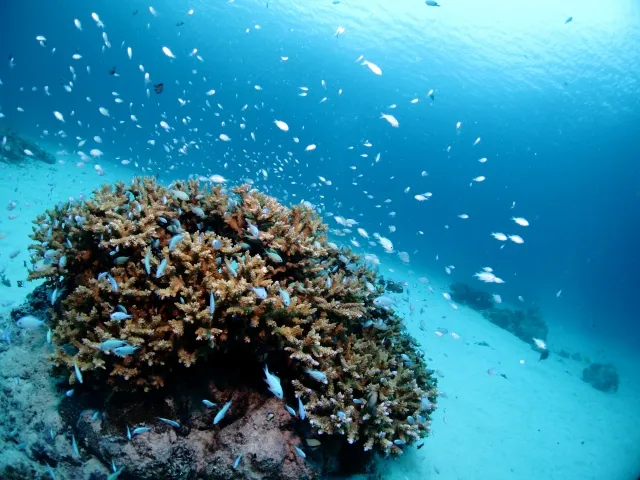
Okinawa's beautiful coral reefs are a treasure of nature and an important resource to be passed on to future generations.
Attempting to take coral home from Okinawa causes destruction of the natural environment, so it is strictly regulated by laws and initiatives.
With inspection systems in place at airports and customs and strict penalties for violations, great care and correct knowledge are required during your trip.
As our local staff's explanations show, making a travel plan in line with the idea of ecotourism, and choosing environmentally considerate souvenirs, are the keys to a worry-free and fulfilling trip to Okinawa.
Also, understanding the environmental conservation efforts spreading in Japan and abroad and acting to avoid personal risk greatly contribute to the sustainability of the tourism industry as a whole.
After all, Okinawa's coral reefs are a once-in-a-lifetime experience and also a natural heritage that must be protected, and each traveler recognizing that responsibility and acting on it is the decisive factor in protecting the beautiful sea of the future.